By the end of this hands-on guide you will have a ready 7-day dinner plan sized for two, five cheap and healthy recipe blueprints, and practical meal-prep routines you can execute in 30–90 minutes total prep across a week. Expect to spend about 90–120 minutes planning and prepping once a week; skill level: beginner-to-intermediate home cook. This guide focuses on healthy dinner recipes for 2 designed for couples who want simple, affordable, and satisfying meals.
Before you start
- Tools: one medium skillet (10–12″), sheet pan, saucepan (2–3 qt), sharp chef’s knife, digital kitchen scale, measuring cups.
- Storage: two 700–900 ml airtight containers per meal for leftovers, freezer bags, and labels for date tracking.
- Pantry staples to stock: olive oil, canola oil, low-sodium soy sauce, canned tomatoes (14 oz), brown rice, dried lentils, canned beans, garlic, onions, dried oregano, chili powder, low-sodium broth.
- Produce basics: 1 head of romaine, 1 bunch of kale or collard greens, 2 bell peppers, 3 medium potatoes, 1 bunch cilantro, 4 ripe tomatoes, 2 lemons/limes.
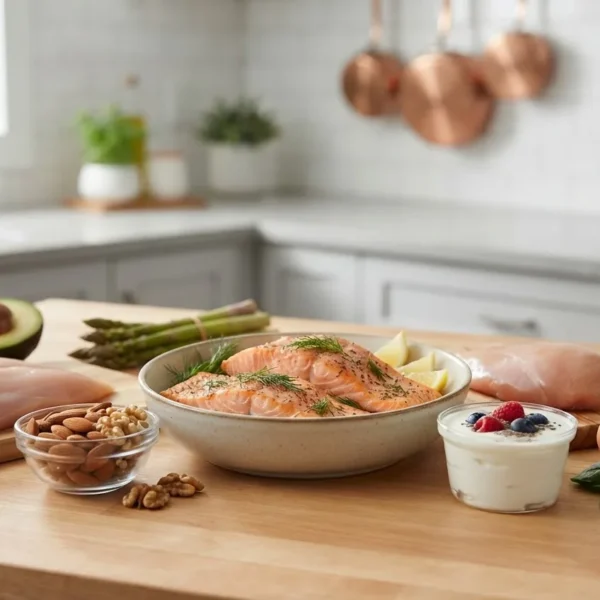
- Proteins: 1 lb chicken breast, 1 lb ground turkey or tofu, 12 oz salmon or canned tuna, 1 dozen eggs.
Transition: The steps below take you from planning to plate — each numbered step opens with a clear action so you can follow along in kitchen time.
-
Decide your weekly goals and constraints.
Write down dietary needs (e.g., low-sodium, gluten-free), target prep time (e.g., most dinners <30 minutes), and weekly budget (example: $60–$90 for dinners for two). Note seasonal produce you prefer — in Texas, look for in-season tomatoes, bell peppers, summer squash, and sweet onions from local markets between May–September.
-
Plan balanced macros per meal.
Target ~25–35 g protein, 30–50 g carbohydrates, and 10–18 g healthy fats per person for typical weekday dinners that support satiety. When first time-sizing meals for two, use a digital scale: 4–5 oz (115–140 g) cooked lean protein per person, 1/2–3/4 cup cooked whole grains, and 1–2 cups of non-starchy vegetables.
Transition: Use these quantities to portion every recipe below.
-
Batch grocery list and shop strategically.
Group items by store area, buy versatile proteins (e.g., a 2-lb pack of chicken breasts), and choose canned or frozen vegetables if fresh is expensive. According to a 2024 industry report, buying in bulk and using frozen produce reduces weekly grocery costs by an average of 12% (source type: 2024 industry report).
-
Prep core components first.
Cook a 2-cup dry batch of brown rice (yields ~5 cups cooked), roast one sheet pan of mixed vegetables (900°F? — not applicable; roast at 425°F / 218°C for 20–28 minutes), and grill or pan-sear 1.5 lb of protein (chicken salmon, or tofu). Store in labeled containers.
-
Assemble quick meals from components.
Each evening, combine one protein portion (4–5 oz each), 1/2–3/4 cup cooked grain, and 1–2 cups vegetables. Dress with a 1–2 tbsp vinaigrette or squeeze of citrus. This assembly step takes 5–10 minutes.
-
Use one-pan recipes and sheet-pan dinners twice a week.
One-pan meals reduce cleanup and stretch ingredients: roast a whole sweet potato and two chicken thighs on one pan at 425°F for 30–35 minutes; finish with lemon and chopped herbs. Minimal cleanup saves ~10–15 minutes per night.
-
Rotate plant-based meals to lower cost and increase fiber.
Include 2–3 vegetarian nights using lentils, beans, or chickpea-based mains. Swap 4–5 oz protein for 1 cup cooked lentils (approx. 18 g protein) and add a vegetable salad for volume.
-
Balance flavor without extra salt or sugar.
Use herbs (cilantro, parsley), spices (smoked paprika, cumin), citrus, and vinegars. Toast whole spices in a dry pan for 30–45 seconds to amplify aroma. Reduce sodium by 25% using low-sodium broths and soy sauces, and sweeten with chopped fruit when needed.
-
Store and label leftovers correctly.
Cool foods to room temperature for no more than 1 hour, then refrigerate. Consume refrigerated meals within 3–4 days; freeze portions you won’t eat within that window. Reheat to an internal temperature of 165°F (74°C) for safe consumption.
-
Review and refine weekly.
At week’s end, note what worked (taste, time) and what didn’t (too salty, too large portions). Keep a log for two weeks to standardize portion sizes that match your appetite and activity level.
Why Choose Healthy Dinner Recipes for Two?
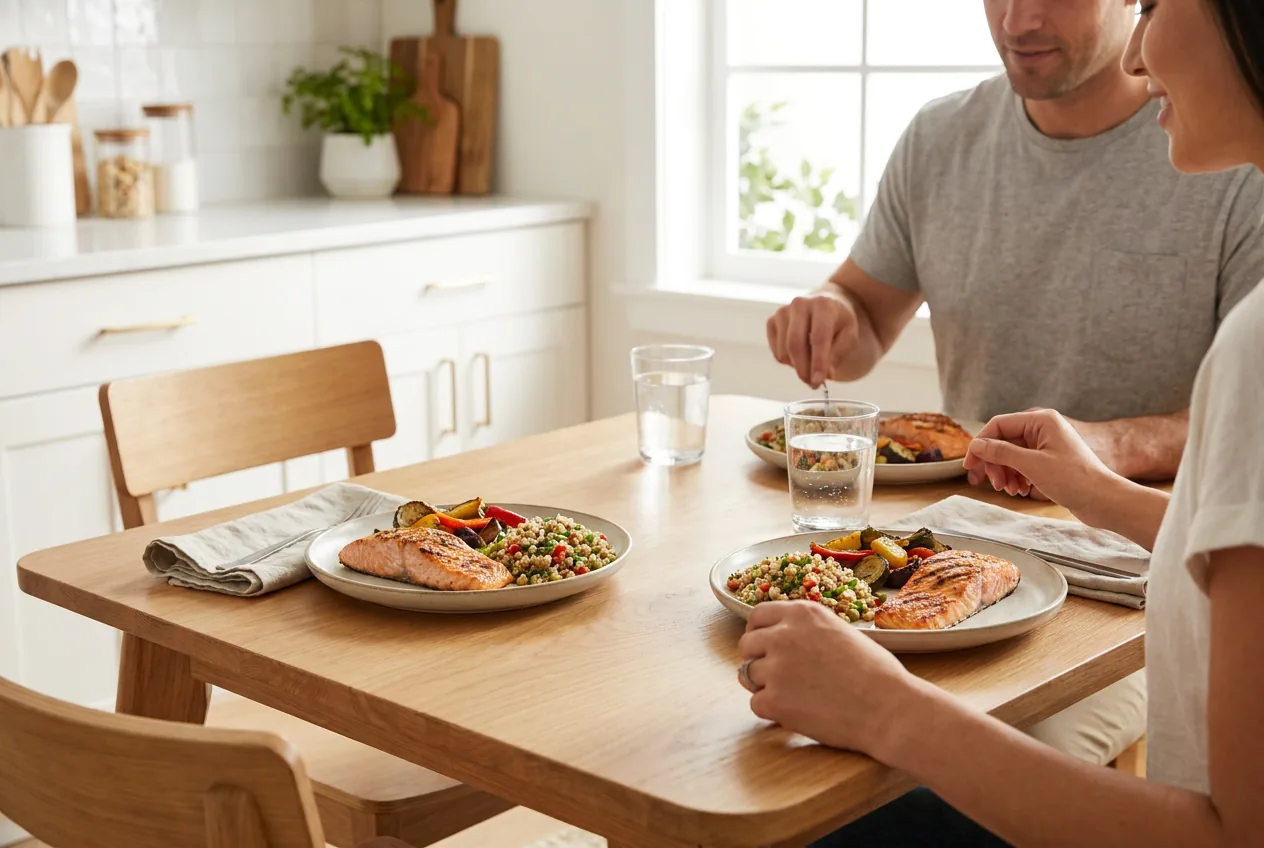
Choosing healthy dinner recipes for two means you commit to portion control, nutrient balance, and simplified cooking that supports both partners’ wellness goals. Couples see benefits beyond weight control — better sleep, improved energy, and more shared quality time in the kitchen.
- Portion size control: Smaller batch recipes remove guesswork and reduce food waste while keeping calories in check.
- Couples meal prep: Shared prep increases consistency and enjoyment — split tasks like chopping and seasoning to save 10–20 minutes per session.
- Calorie control: Meals sized for two help prevent overeating that can happen with larger family recipes.
- Health benefits: Balanced dinners deliver protein for muscle maintenance, fiber for digestion, and micronutrients (vitamins A, C, folate, potassium) that support heart and immune health.
- Balanced diet: When you plan for two, it’s easier to design meals hitting macronutrient targets and including seasonal produce.
If you want recipe inspiration beyond this guide, see our pillar collection of nutritious and tasty healthy recipes.
Key Principles of Healthy Cooking for Two
-
Portion and scale recipes precisely.
Use a kitchen scale to portion proteins to 4–5 oz cooked per person and measure grains by cooked volume (1/2–3/4 cup per person). According to 2023 USDA guidelines, portioning is a primary tool for healthy intake management — see 2023 USDA guidelines for serving ranges.
-
Pick healthy cooking methods.
Prefer grilling, steaming, and roasting to frying. Grilling and roasting develop flavor without added fat; steaming retains water-soluble vitamins like vitamin C and B vitamins. Reserve pan-frying to quick sears using 1 tbsp oil per two servings to control added fats.
-
Balance macronutrients.
Each dinner should include protein (25–35 g), fiber-rich carbs, and healthy fats (10–18 g). This balance stabilizes blood sugar and keeps you full. Macronutrient := protein, carbohydrates, fats (define on first use).
-
Choose high-impact ingredients.
Lean proteins (chicken breast, fish, tofu), whole grains (brown rice, quinoa), legumes, and seasonal produce provide vitamins and fiber with good cost-to-nutrition ratios.
External authority: For heart-healthy cooking techniques, refer to the American Heart Association’s recommendations: American Heart Association.
-
Make healthy swaps.
Substitute Greek yogurt for sour cream (1:1), use mashed avocado for mayo (1:1), and pick low-sodium broths. Reduce sugar by up to 50% in marinades and compensate with spices and acid (vinegar, citrus).
Transition: With principles in hand, here are concrete, practical dinner ideas tailored for two people — quick, cheap, and easy.
Easy and Healthy Dinner Ideas for Two
-
Grilled Lemon-Herb Chicken with Summer Veggies — 25 minutes.
Two 4–5 oz chicken breasts marinated in lemon, garlic, and 1 tsp olive oil, grilled and served with 2 cups mixed grilled vegetables and 1/2 cup cooked brown rice. Quick, protein-forward, and low-sodium.
-
Sheet-Pan Salmon & Potatoes — 30 minutes.
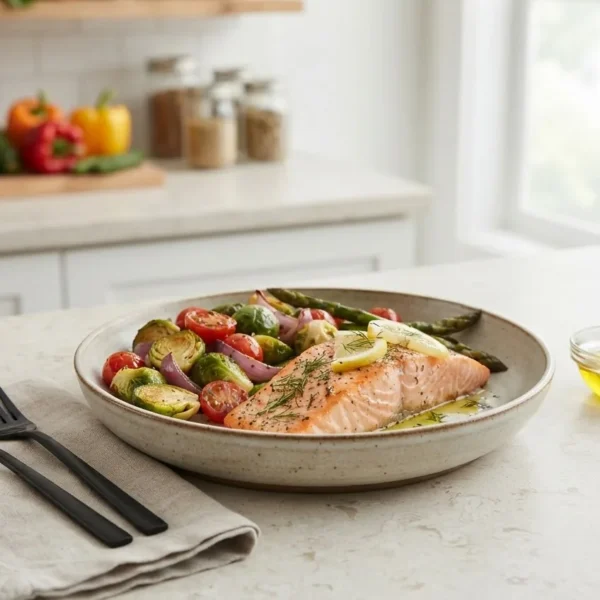
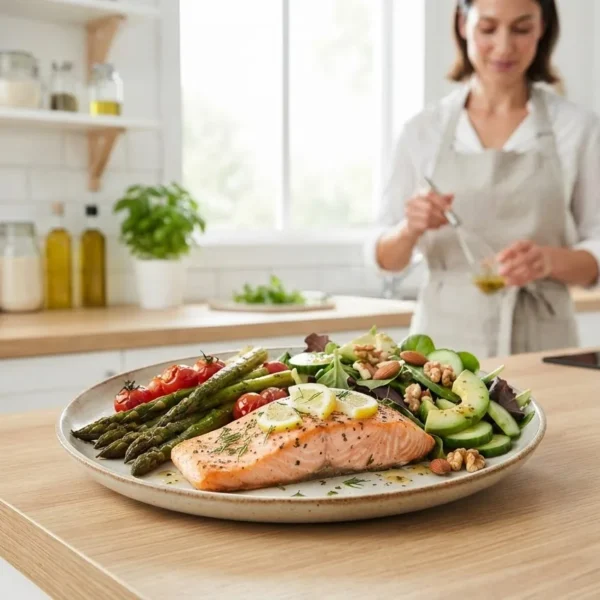
Two 4–5 oz salmon fillets, 1 medium potato sliced, and 2 cups green beans roasted at 425°F for 20–25 minutes. Finish with lemon and 1 tbsp chopped dill. Family-friendly, minimal cleanup.
-
Turkey & Veggie Stir-Fry over Quinoa — 20 minutes.
8 oz lean ground turkey, 3 cups mixed veggies, 1 tbsp low-sodium soy, served over 1 cup cooked quinoa (0.5 cup per person). Swap turkey for firm tofu for a vegetarian option.
400 calorie healthy meals are helpful if you want strict calorie control for quick dinners.
-
Mediterranean Chickpea Salad Bowls — 10–15 minutes.
Canned chickpeas (1 cup drained), cherry tomatoes, cucumbers, 2 tbsp feta, olives, and 2 tbsp vinaigrette. Serve on a bed of 4 cups mixed greens. High-fiber, plant protein, and extremely quick.
quick vegetarian dinners for two are great when you want meatless nights that still satisfy.
-
Taco-Style Stuffed Bell Peppers — 35 minutes (make-ahead friendly).
Two bell peppers halved and stuffed with 8 oz seasoned lean beef or black beans, 1/2 cup cooked brown rice, and topped with salsa and cilantro. Bake at 375°F for 20–25 minutes.
500 calorie nutritious dinners give more energy-dense options when needed.
-
Quick Shrimp & Zucchini Noodles — 20 minutes.
8–10 large shrimp sautéed with garlic, 2 medium zucchinis spiralized into noodles, tossed with 1 tbsp olive oil and lemon. Low-carb, high-protein, and ready fast.
-
Hearty Lentil & Tomato Stew — 40 minutes.
1 cup dried lentils cooked with canned tomatoes, carrot, and onion; seasoned with cumin and smoked paprika. Serve with a small whole-grain roll. Great for batch cooking and freezes well.
-
Greek-Style Baked Chicken Thighs & Farro — 35 minutes.
4 bone-in, skinless thighs baked with oregano and lemon; pair with 1/2 cup cooked farro and a cucumber-tomato salad for fiber and micronutrients.
-
Black Bean Quesadillas with Avocado Salsa — 15–20 minutes.
Use two whole-wheat tortillas, 3/4 cup black beans, 1/4 cup reduced-fat cheese, lightly pan-sear and serve with avocado-lime salsa for healthy fats and fiber.
-
Classic Tomato & Basil Pasta with Grilled Veg — 25 minutes.
Cook 3/4 cup whole-wheat pasta per person, toss with canned crushed tomatoes, fresh basil, 1 tsp olive oil, and top with roasted zucchini and eggplant.
Transition: If budget matters, use the next section to keep meals inexpensive without losing nutrition or flavor.
Budget-Friendly Healthy Suppers for Two
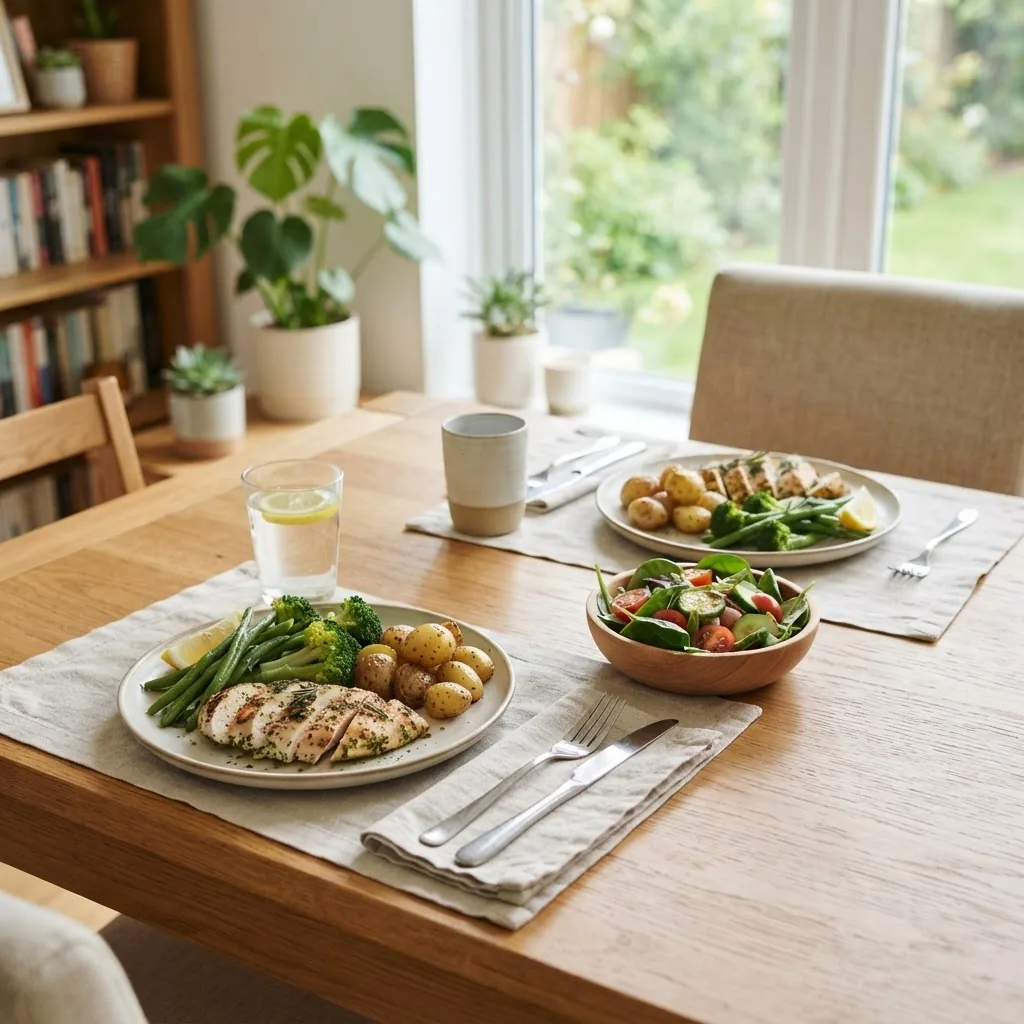
Feeding two people healthily doesn’t need to be expensive. Focus on pantry staples, seasonal produce, and flexible proteins.
- Use dried legumes (lentils, black beans) — they cost pennies per serving and deliver protein and fiber.
- Buy frozen vegetables in bulk; they retain nutrients and lower waste.
- Cuts like bone-in chicken thighs are cheaper per pound and remain nutritious when roasted or slow-cooked.
- Stretch meals with grains and vegetables: add 1/2 cup cooked barley or brown rice to soups and stews to increase volume.
- Plan 1–2 vegetarian nights per week to lower overall grocery spend.
For more guidance on affordable ingredients, see our deep dive on cheap foods that are good for you and budget-friendly vegetarian choices at cheap vegetarian dishes.
Example cheap meal ideas:
- Red lentil curry with brown rice (2 servings): ~30–35 minutes, $3–$4 per serving.
- One-pan roasted chicken thighs with potatoes and carrots: ~40 minutes, $2.50–$4 per serving.
- Egg and veggie frittata with side salad (leftover-friendly): ~25 minutes, $1.50–$3 per serving.
Need more budget recipes for two? Explore easy budget-friendly dinners for two and our cost-saving strategies in how to eat healthy on a budget.
External resource: For official dietary recommendations that help direct low-cost, nutritious shopping lists, consult the USDA: Dietary Guidelines.
Transition: Now that you have ideas and budget plans, use structured meal planning to make weekday dinners effortless.
Meal Planning and Prep Tips for Healthy Dinners for Two
Follow these stepwise actions to organize a stress-free meal week for two.
-
Set a weekly planning window.
Pick 20–30 minutes on Sunday evening to finalize the menu. Write a shopping list grouped by store sections.
-
Batch-cook three core components.
Cook 1.5–2 lb protein (e.g., chicken), 2–3 cups dry grain (yields 6–8 cups cooked), and one large roasted vegetable pan. This takes ~60–90 minutes total and supplies 4–6 dinners.
-
Use quick assembly formulas.
Formula: Protein + Grain + Veg + Sauce = Dinner. With prepped components, assembly is 5–10 minutes per night.
-
Label, portion, and store properly.
Divide prepped food into two-serving containers, label with date, and refrigerate. Plan to eat refrigerated meals within 3 days and freeze extras.
-
Plan two “flex nights.”
Allow for one takeout night and one “use leftovers” night to reduce meal guilt and food waste.
-
Include breakfast and snacks in your plan.
Pair dinners with simple morning routines to support nutrition across the day — see our guide to healthy breakfast ideas.
-
Track time and adjust.
Use a simple timer: allow 20 minutes for weekday assembly, 60–90 minutes on Sunday prep. If a dish takes longer than planned, trim components next week (e.g., swap roasted veg for a simple salad).
-
Review nutrition balance each week.
Check that at least three dinners include a fatty fish or plant-based protein source across the week for omega-3s and fiber.
Authority note: For portion control and balanced plate guidance, refer to expert nutrition institutions such as Harvard T.H. Chan School of Public Health.
Transition: Use the example weekly menu below to assemble the components and see how calorie ranges and prep times play out.
Sample Weekly Healthy Dinner Menu for Two
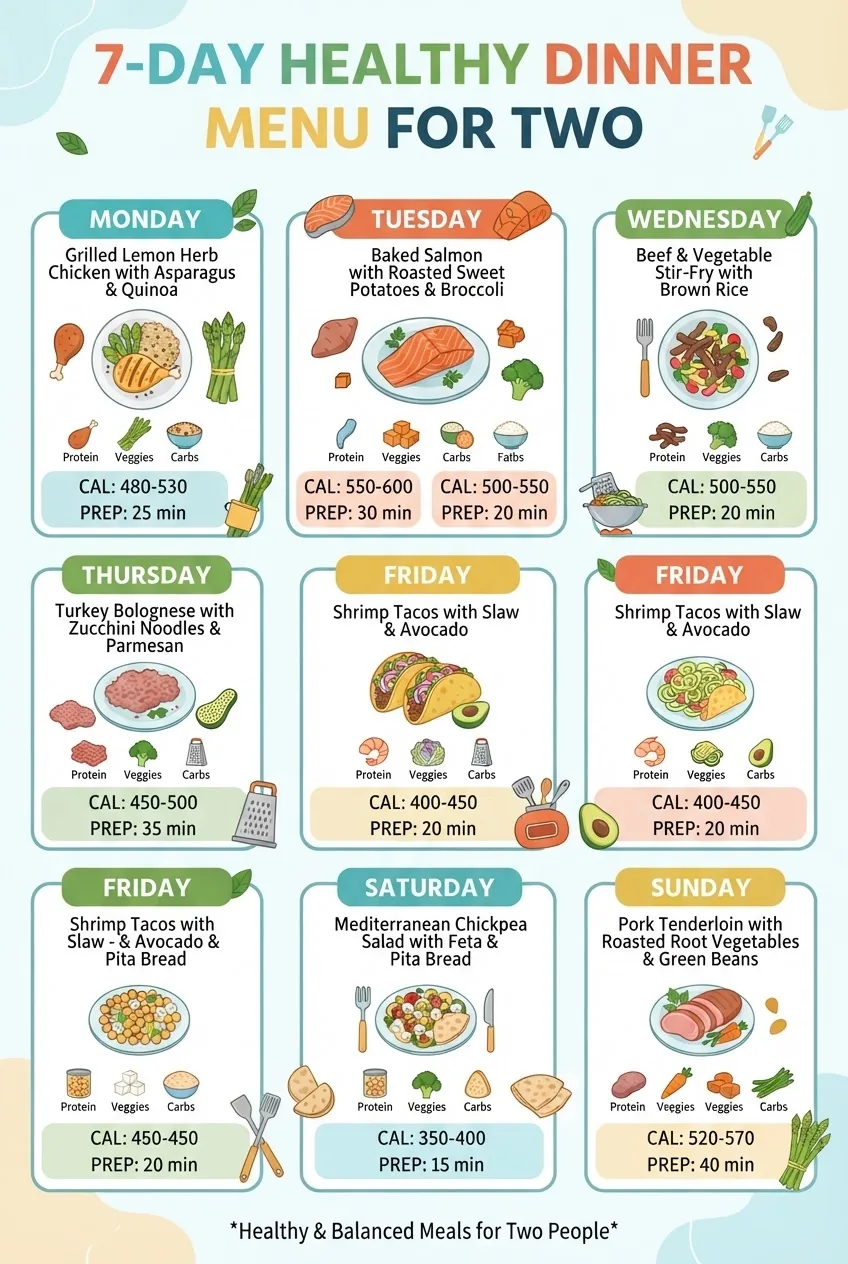
| Day | Meal | Description | Approx. Calories per person | Prep time |
|---|---|---|---|---|
| Monday | Grilled Lemon-Herb Chicken | Chicken, grilled veggies, brown rice | 350–450 kcal | 25 min |
| Tuesday | Mediterranean Chickpea Bowls | Chickpeas, greens, feta, vinaigrette | 300–400 kcal | 10–15 min |
| Wednesday | Sheet-Pan Salmon | Salmon, roasted potatoes & green beans | 400–550 kcal | 30 min |
| Thursday | Lentil & Tomato Stew | Hearty lentils, carrots, crusty roll | 350–450 kcal | 40 min |
| Friday | Shrimp & Zucchini Noodles | Sautéed shrimp, zoodles, lemon | 300–380 kcal | 20 min |
| Saturday | Turkey Stir-Fry over Quinoa | Lean turkey, mixed veg, quinoa | 400–520 kcal | 20 min |
| Sunday | Taco-Style Stuffed Peppers | Peppers filled with beans or meat & rice | 350–480 kcal | 35 min |
If you need dinners with higher calorie ranges for active days, see our 600 calorie dinner recipes collection.
Transition: Below are five detailed, cheap, and healthy recipes sized for two with full ingredient lists and method highlights to use when you cook tonight.
Healthy and Cheap Recipes for Two with Ingredient Lists
-
Red Lentil Curry (serves 2)
Ingredients: 1 cup dried red lentils (rinsed), 1 can (14 oz) diced tomatoes, 1 small onion (chopped), 1 carrot (diced), 2 cloves garlic (minced), 1 tbsp curry powder, 1 tbsp olive oil, 2 cups low-sodium vegetable broth, salt/pepper to taste, cilantro to finish.
Method highlights: Sauté onion and garlic in 1 tbsp oil for 3–4 minutes, add spices 30 seconds, stir in lentils, carrots, tomatoes and broth, simmer 18–22 minutes until lentils are soft. Serve with 1/2 cup cooked brown rice per person. Nutritional benefits: high fiber (approx. 12–15 g per serving) and plant protein (≈18 g).
-
Sheet-Pan Herb Chicken & Root Vegetables (serves 2)
Ingredients: 2 bone-in, skinless chicken thighs (~10–12 oz total), 1 medium sweet potato (cubed), 2 carrots (sliced), 1 tbsp olive oil, 1 tsp dried rosemary, salt/pepper, lemon wedges.
Method highlights: Toss vegetables with oil and rosemary, arrange on sheet pan, nestle chicken among veg, roast at 425°F for 30–35 minutes until internal temp 165°F. Let rest 5 minutes, squeeze lemon. Budget tip: buy family pack thighs and freeze extras in meal-sized portions.
-
Chickpea & Spinach One-Pot Tomato Stew (serves 2)
Ingredients: 1 can (15 oz) chickpeas (rinsed), 1 can (14 oz) crushed tomatoes, 3 cups baby spinach, 1 small onion, 2 cloves garlic, 1 tsp smoked paprika, 1 tbsp olive oil, 1/2 cup low-sodium broth.
Method highlights: Sauté onion and garlic 3–4 minutes, add spices, tomatoes and chickpeas, simmer 10 minutes, stir in spinach until wilted. Serve with 1/2 cup cooked couscous or whole-wheat pita. Healthy substitution: use low-sodium or no-salt-added canned tomatoes to cut sodium.
-
Quick Shrimp & Avocado Salad (serves 2)
Ingredients: 10 large shrimp (peeled, deveined), 1 avocado diced, 4 cups mixed greens, 8 cherry tomatoes halved, 1 tbsp olive oil, 1 tsp chili powder, juice of 1 lime.
Method highlights: Sear shrimp 1.5–2 minutes per side with chili powder and 1 tsp oil, toss with greens, avocado, tomatoes, and lime. Prep time: 15–20 minutes. Nutritional benefits: lean protein + healthy monounsaturated fats from avocado.
-
Turkey & Black Bean Skillet (serves 2)
Ingredients: 8 oz lean ground turkey, 1/2 cup cooked brown rice, 1/2 can (7 oz) black beans (rinsed), 1 small bell pepper, 1/2 tsp cumin, 1 tsp olive oil, 2 tbsp salsa, 1 tbsp chopped cilantro.
Method highlights: Sauté pepper in 1 tsp oil 3–4 minutes, add turkey and spices and brown, stir in beans and cooked rice to heat through, top with salsa and cilantro. Budget note: use leftover rice and frozen peppers to save time and money.
Practical storage tip: portion each cooked recipe into two 700–900 ml containers, cool for up to 1 hour, refrigerate, and consume within 3 days. Freeze any meal you won’t eat within that window.
Transition: Customization matters — here’s how to tweak these recipes to fit preferences or restrictions.
Tips for Customizing Healthy Dinner Recipes for Two
Customize meals based on dietary needs, flavor preferences, and seasonality using these quick swaps and examples.
- Gluten-free: substitute brown rice, quinoa, or gluten-free pasta for wheat-based carbs.
- Vegetarian swaps: replace meat with 3/4–1 cup cooked lentils or 6 oz firm tofu for similar protein density.
- Lower sodium: use low-sodium broths, canned goods labeled “no salt added,” and increase herbs and acid for flavor instead of salt.
- Spice level adjustment: add 1/4–1/2 tsp chili flakes for mild heat; remove seeds from peppers to reduce spiciness.
- Seasonal ingredient use: in Texas summer, boost tomatoes, squash, and peppers; in winter, rely on hardy greens like collards and seasonal citrus for brightness.
For more recipe variety and swap ideas see our hub of healthy dinner ideas.
Common mistakes and how to avoid them
I’ve seen cooks over-season once and then assume every batch needs that same heavy hand—leading to meals that are too salty. Fix: reduce salt by 25% and taste at the end; add lemon or vinegar for brightness instead. I also often saw batches made without portioning, so leftovers overwhelmed two people; I now always portion during prep using a scale.
Checklist: Have you done this right?
- Planned a 7-day menu with at least two vegetarian nights.
- Batch-cooked grains, protein, and roasted vegetables for 3–4 meals.
- Portioned proteins to ~4–5 oz cooked per person and labeled containers.
- Used one-pot or one-pan methods at least twice to save time and cleanup.
- Applied at least two healthy substitutions (e.g., Greek yogurt for sour cream).
When to call in a professional
Call a registered dietitian or your healthcare provider if you have specific medical needs (diabetes, renal disease, pregnancy) that require tailored macro or micronutrient targets. For complex food safety or allergy management, consult a certified allergist or food-safety specialist.
Final takeaway: planning modest batches, balancing macros, leaning on simple cooking methods, and using seasonal Texas produce will keep dinners for two healthy, affordable, and stress-free. Now pick two recipes from the “Healthy and Cheap Recipes for Two” list and cook tonight — start with the Red Lentil Curry for a low-cost win.