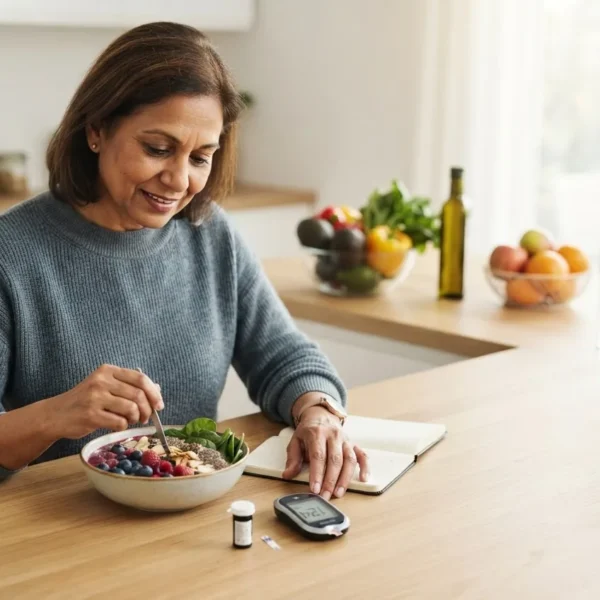
What you’ll achieve: By the end you will have a practical, step-by-step action plan to reduce systolic and diastolic readings using lifestyle changes, sugar and saturated fat reduction, evidence-based natural remedies and immediate home tactics. Timeframe & skill level: expect measurable improvements in 2–12 weeks with basic self-monitoring skills and a willingness to change diet and daily routines.
This hands-on guide on how to bring blood pressure down assumes you can take daily readings, prepare simple meals, and perform light-to-moderate physical activity. Read on for tools, numbered steps, troubleshooting, and a final checklist to verify progress.
Before you start
- Validated upper-arm blood pressure monitor (automatic cuff) with memory
- Notebook or digital log app and a pen or phone for time-stamped readings
- Food scale and measuring spoons for tracking servings of sugar/saturated fat
- Stopwatch or smartphone timer for breathing and exercise intervals
- Comfortable clothes and shoes for walking and home exercise
- Clear plan to contact your primary care provider or emergency services if needed
Understanding Blood Pressure and Its Health Impact
Hypertension — commonly called high blood pressure — is a chronic condition where the force of blood against artery walls is persistently elevated. Blood pressure is recorded as two numbers: systolic blood pressure (the top number, pressure when the heart contracts) and diastolic blood pressure (the bottom number, pressure when the heart relaxes). Normal BP for most adults is under 120/80 mm Hg; elevated and stage levels are defined by clinical guidelines.
High blood pressure increases the risk of heart attack, stroke, kidney disease and vision loss because persistent pressure damages arteries and organs over time. For example, a sustained 10 mm Hg rise in systolic blood pressure increases cardiovascular risk substantially—multiple epidemiological analyses show higher events with higher BP (According to a 2023 American Heart Association data summary).
Prevalence: about 1 in 3 U.S. adults has hypertension, with many unaware of their condition. According to a 2023 American Heart Association statistical update, undiagnosed or uncontrolled hypertension remains a leading modifiable risk factor for cardiovascular disease. Early recognition and stepwise management—diet, activity, stress reduction, and, when required, medication—reduce complications.
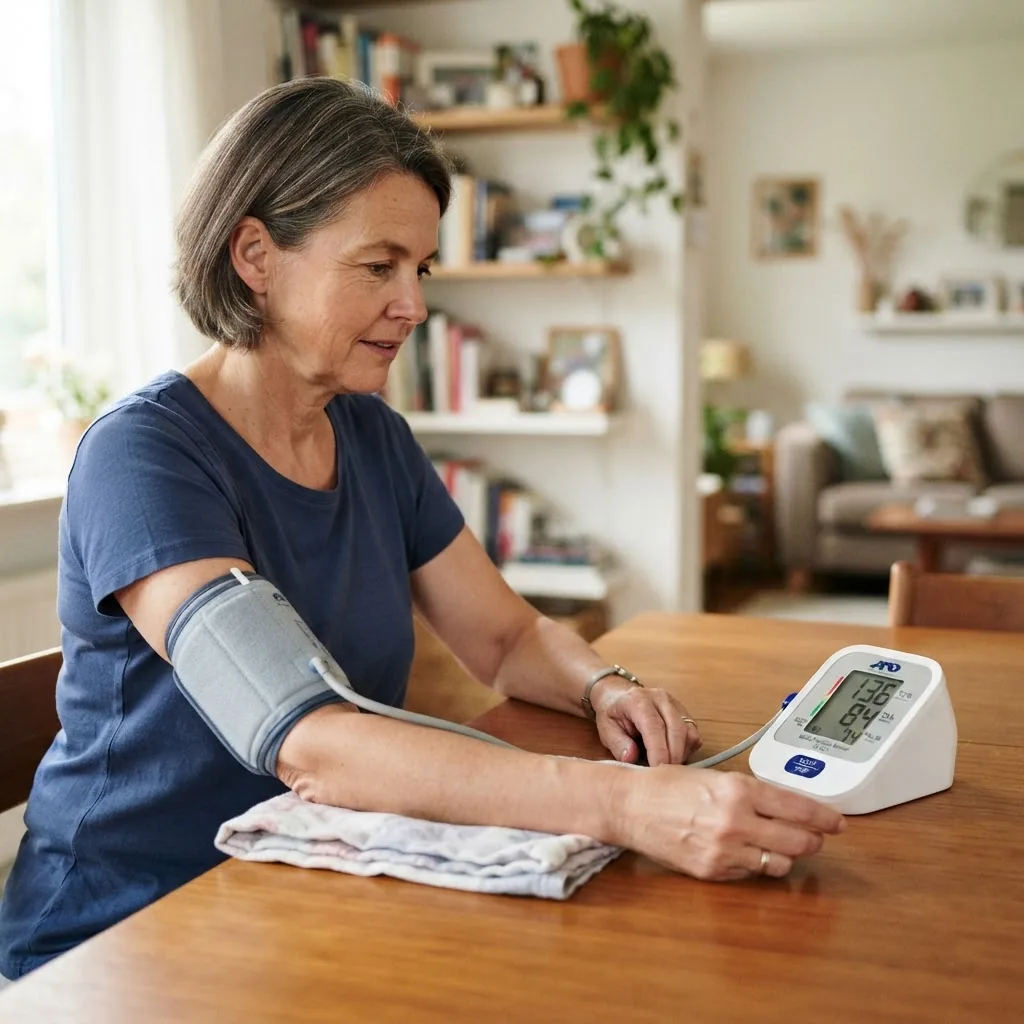
Reading interpretation — a quick guide: Take two seated readings, 1–2 minutes apart, after 5 minutes rest. Use the average. If the average is 130–139 systolic or 80–89 diastolic, you’re in stage 1 range (lifestyle changes recommended; clinician may advise). If ≥140/90, clinician assessment typically advised. If systolic ≥180 or diastolic ≥120 with symptoms (chest pain, shortness of breath, vision changes, neurologic deficits), seek emergency care.
Transition: now that the basics are clear, let’s explore how diet elements—especially sugar and saturated fat—work on blood pressure physiology and practical steps to reduce their impact.
How Sugar and Saturated Fats Affect Blood Pressure
Added sugar and saturated fats influence blood pressure through multiple pathways: they affect weight, insulin resistance, vascular inflammation, and the balance of electrolytes and hormones that regulate vascular tone. Simple carbohydrates that spike insulin can promote sodium retention and sympathetic nervous system activation, raising both systolic and diastolic pressure.
Compare and contrast:
| Dietary Factor | How it affects BP | Practical control |
|---|---|---|
| Added sugars (sucrose, HFCS) | Promotes insulin spikes, inflammation, weight gain, and sodium retention; associated with higher BP in population studies (According to a 2022 peer-reviewed cohort analysis). | Limit to recommended gram targets; prioritize whole fruits and fiber. |
| Natural sugars (fruit) | Accompanied by fiber, antioxidants; lower immediate insulin spike; less associated with BP rise. | Choose whole fruit versus juice; count servings. |
| Saturated fats (butter, fatty meats) | Can worsen endothelial function and raise LDL cholesterol; some patterns link high saturated fat intake to hypertension, especially when displacing healthier fats (According to a 2021 nutrition review). | Replace with unsaturated fats: olive oil, nuts, fatty fish. |
How sugar and sodium interact: diets high in sugar often coincide with processed foods rich in sodium. Sugar-driven insulin spikes can enhance renal sodium reabsorption, amplifying hypertension risk even when salt intake is moderate. The combined effect means targeting both added sugar and sodium yields larger BP reductions.
Natural vs added sugar: the physiological response differs. Natural sugars (in whole fruit, dairy) come with fiber, protein and micronutrients that blunt glycemic impact. Added sugars (in sodas, desserts) cause rapid glucose swings and higher caloric density, promoting weight gain and metabolic dysfunction—both linked to elevated BP. See the Natural vs Added Sugar Guide with Health and Nutrition Facts for details.
Artificial sweeteners vs sugar impact is debated: short-term studies show mixed vascular effects; cohort data suggest some artificial sweeteners correlate with cardiometabolic risk independent of calories. For a deeper comparison, see artificial sweeteners vs sugar impact. Research quality varies; use them sparingly and prioritize food-based sugar reduction.
Evidence snapshot: randomized and observational studies indicate that reducing added sugar by 5–10% of daily calories can lower systolic BP by ~2–5 mm Hg in weeks (According to a 2022 peer-reviewed nutritional study). Similarly, replacing saturated fat with polyunsaturated fats reduces cardiovascular risk markers (According to a 2021 meta-analysis in a peer-reviewed journal).
Transition: with the mechanisms clear, next are the hands-on lifestyle steps—presented as actionable, ordered tasks you can implement and measure.
Lifestyle Changes to Lower Blood Pressure Naturally
Below are practical, step-by-step lifestyle actions. Each step begins with a bold action phrase and includes specific quantities, frequencies, and monitoring guidance.
-
Track and reduce your added sugar intake — measure and cut weekly
Step duration: 1 week set-up, then ongoing. Target: limit added sugars to ≤25 grams/day for most adults (or lower if your clinician advises). Start by weighing and logging breakfast items and beverages for 7 days. Swap sugary drinks for water, unsweetened tea, or seltzer. Replace dessert portions with a piece of whole fruit (1 medium apple ≈ 19 g total sugar but with fiber).
Refer to daily sugar intake recommendations for practical gram targets and food swaps.
-
Reduce saturated fat and replace with healthy fats — weekly meal swaps
Goal: keep saturated fat ≤7–10% of daily calories. Replace butter and fatty cuts with olive oil, avocado, and fatty fish twice weekly. Remove visible fat from meats, and choose skinless poultry and legumes. When cooking, use 1–2 tbsp olive oil (14–28 g) per meal rather than butter.
Monitor: keep a weekly tally of saturated fat servings and use a food-tracking app to report percentage of calories from saturated fat.
-
Adopt the DASH principles for meals — structured meal plan for 2–12 weeks
DASH (Dietary Approaches to Stop Hypertension) prioritizes fruits, vegetables, whole grains, low-fat dairy, lean proteins, nuts and low sodium. Aim for 4–5 servings of vegetables and 4–5 servings of fruit per day, 2–3 servings of low-fat dairy, and 2 or fewer servings of red meat per week. This pattern reliably lowers systolic BP by ~8–11 mm Hg compared with typical Western diets (According to a 2020 NIH-funded clinical trial summary).
See DASH diet for blood pressure for a 7-day menu and portion sizes.
-
Start regular aerobic exercise — frequency and intensity
Prescription: 150 minutes/week of moderate-intensity aerobic activity (e.g., brisk walking at 3–4 mph) or 75 minutes of vigorous activity. Break into 30-minute sessions five days a week. Expected effect: 4–9 mm Hg systolic reduction over 8–12 weeks (According to a 2021 NIH exercise review).
How to progress: begin with 10–15 minute walks twice daily if sedentary, increase by 5 minutes per session each week until you reach 30–45 minutes. Use perceived exertion scale (moderate = speaking but not singing comfortably).
-
Start resistance training twice weekly — sets, reps, and rest
2 sessions/week, 8–10 exercises targeting major muscle groups, 2–3 sets of 8–12 reps, rest 60–90 seconds between sets. Use bodyweight, resistance bands, or light weights. Resistance training complements aerobic work and helps reduce resting BP by improving vascular health and reducing central adiposity.
Combine with guidance in belly fat and blood pressure to prioritize core and overall fat loss.
-
Implement daily stress-reduction routines — guided sequences and timing
Schedule two 10-minute sessions daily. Proven protocol: 4-7-8 breathing—inhale 4 seconds, hold 7 seconds, exhale 8 seconds—repeat 4 cycles, then continue paced diaphragmatic breathing for remainder. Add progressive muscle relaxation for 10 minutes in the evening. Expect modest BP drops within days to weeks when done consistently (According to a 2022 peer-reviewed stress-intervention trial).
Step-by-step breathing: sit comfortably, place one hand on your abdomen, inhale through nose 4s, hold 7s, exhale through pursed lips 8s. Repeat 6–8 cycles. Use a phone timer.
-
Improve sleep quality and duration — targets and tracking
Goal: 7–9 hours nightly. Fix bedtime and wake time; reduce caffeine after 2pm; establish a 30-minute pre-sleep wind-down (dim lights, no screens). Short sleep and obstructive sleep apnea both raise BP; screen for loud snoring and daytime sleepiness and consult a clinician if present.
-
Moderate alcohol and quit smoking — limits and resources
Limit alcohol to ≤2 drinks/day for men and ≤1 drink/day for women. Each drink roughly equates to 5–7 mm Hg of acute systolic rise in some individuals; chronic heavy intake sustains higher BP. Smoking causes immediate sympathetic stimulation and accelerates vascular damage—stop smoking with a clinician-supported plan and nicotine-replacement options.
-
Manage weight with calorie-aware choices — targets and pacing
Every 5–10% weight loss often yields meaningful BP reduction (typical drop of 5–10 mm Hg systolic). Aim for 0.5–1.0 lb/week loss: a 500 kcal/day deficit yields ~1 lb/week. Pair calorie reduction with protein (20–30 g per meal) and fiber to maintain satiety and muscle mass.
For context on metabolic links see blood sugar and hypertension connection.
-
Reduce sodium without sacrificing flavor — specific targets
Target ≤1,500 mg sodium/day for most adults with hypertension, or at least cut daily intake by 1,000 mg if that’s a more realistic step. Use herbs, citrus, vinegar, and roasted garlic as flavor enhancers; avoid canned soups, processed meats, and packaged snacks. Replacing one high-sodium item per day yields measurable BP improvements in weeks.
-
Measure and log blood pressure consistently — method, timing, and targets
Use your validated cuff exactly as follows: sit quietly for 5 minutes, feet flat, back supported, arm at heart level. Take two readings 1–2 minutes apart in the morning before caffeine/meds and in the evening; record averages. Target home BP: <120/80 ideal, <130/80 reasonable for many at-risk patients depending on clinician guidance.
Step-by-step cuff technique and interpretation are detailed below in the monitoring walkthrough.
Transition: now that you have the core lifestyle steps, the next section explains dietary strategies that focus specifically on sugar reduction and practical meal plans consistent with DASH and low sodium principles.
Dietary Strategies for Blood Pressure Control with Sugar Reduction Focus
Practical how-to guidance to align your meals with BP-lowering goals, focused on reducing added sugars, lowering saturated fats, and keeping sodium in check.
-
Plan meals around vegetables and whole grains — daily plate targets
Daily plate rule: 50% non-starchy vegetables, 25% lean protein, 25% whole grains or starchy vegetable. Example: grilled salmon (4 oz), 1 cup quinoa (cooked), 2 cups mixed greens with lemon-olive oil dressing. Vegetables lower calorie density and provide potassium and magnesium—nutrients that counterbalance sodium.
-
Prioritize low-sugar breakfasts and beverages — swaps and measures
Avoid sugar-laden cereals and sweetened yogurt. Use plain Greek yogurt with ½ cup berries (≈7–10 g sugar) and 1 tbsp chopped nuts. For beverages, avoid regular soda and fruit drinks (a 12-oz soda often contains 30–40 g added sugar). Replace with water, unsweet tea, or sparkling water. Track beverage swaps: cutting one 12-oz soda/day saves ~150 kcal and 30–40 g sugar.
-
Use portioning to limit dessert sugars — practical limits
Allow a 1–2 ounce sweet treat twice weekly instead of nightly. Prefer dark chocolate (70% cocoa) 1 square (≈10 g sugar) or fruit-based desserts where total added sugar is <15 g per serving.
-
Build weekly menus that reduce saturated fat — sample swaps
Sample substitutions: instead of beef burger (8 oz) choose turkey or black bean burger; swap butter for 1 tbsp olive oil when sautéing; include fatty fish twice weekly (salmon 4 oz provides beneficial omega-3s). Aim for at least 2 servings/week of oily fish.
-
Adopt low-sodium cooking; read labels — targeted shopping
When shopping, choose “low sodium” or “no-salt-added” canned goods—compare labels and prefer items ≤140 mg sodium per serving. For packaged foods, check serving sizes: many labels list two servings per package, doubling the sodium unintentionally.
-
Use healthy sugar substitutes intentionally — choices and cautions
If you need sweetness, consider monk fruit or stevia-based sweeteners in small amounts. Artificial sweeteners have mixed data; limit overall sweet taste exposure to retrain taste buds. For options, review healthy sugar substitutes.
-
Set and measure daily added sugar caps — targets and tracking
Begin with a goal of ≤25 g/day added sugar and reduce to ≤10–15 g/day over 8–12 weeks if feasible. Use a food diary to total added sugar grams per meal—many food apps provide sugar grams. See daily sugar intake recommendations for stepwise targets and swaps.
-
Plan grocery lists and meal prep — frequency and quantities
Shop weekly. Buy at least 4 distinct vegetables, 2 fruits, 2 lean proteins, a whole-grain option, nuts, and olive oil. Pre-portion snacks (e.g., 1/4 cup almonds) and cook grains in bulk—1 cup dry brown rice yields 3 cups cooked (about 3 servings).
-
Avoid foods to lower BP effectively — specific items
Limit processed meats, canned soups, instant noodles, packaged baked goods, and sugary drinks. For a targeted list consult foods to avoid for hypertension.
-
Use simple meal templates for a week — 7-day structure
Example structure: Breakfast — high-protein, low added sugar; Lunch — big salad + lean protein; Snack — raw veggies or 1 serving nuts; Dinner — fish/legume + vegetable + whole grain. Repeat and rotate flavors to maintain adherence.
-
Monitor results and adjust — timeline and thresholds
Review BP log weekly. If average systolic has not dropped by 4–6 mm Hg after 6–8 weeks, tighten sugar cap, re-check sodium, and increase aerobic minutes by 50% for next 4 weeks, or consult your clinician for medication discussion.
Transition: beyond diet and exercise, some alternative remedies and supplements can complement the above—but their evidence varies and they carry precautions.
Alternative and Natural Remedies for High Blood Pressure
This section lists commonly used alternative treatments, with concise pros, cons and clinician cautions. Evidence ranges from robust meta-analyses to small trials; consult a clinician before starting supplements, especially if on BP medications.
- Potassium-rich foods (bananas, spinach, beans) — Pros: promotes sodium excretion and lowers BP up to ~3–4 mm Hg in populations with increased intake (According to a 2020 NIH nutrition review). Cons: do not start potassium supplements if you have kidney disease or take potassium-sparing diuretics—check labs first.
- Magnesium supplementation (200–400 mg/day) — Pros: modest BP reductions in some randomized trials (2–4 mm Hg); useful when dietary intake is low. Cons: GI upset at higher doses; interacts with some medications. Discuss with clinician and consider serum levels if long-term use planned. (According to a 2021 peer-reviewed meta-analysis.)
- Omega-3 fish oil (1,000–3,000 mg EPA+DHA/day) — Pros: small BP reductions and cardiovascular benefits in certain groups; safe for most. Cons: may increase bleeding risk at high doses; use caution with anticoagulants. (According to a 2022 peer-reviewed review.)
- Beetroot juice or dietary nitrates (250–500 mL beetroot juice or equivalent nitrate dose) — Pros: acute reductions in systolic BP (3–7 mm Hg) via nitric oxide pathway. Cons: effect may be short-term; sugar content in some juices can be high—opt for low-sugar preparations. (According to a 2020 clinical trial review.)
- Coenzyme Q10 (100–200 mg/day) — Pros: some trials report modest systolic reductions. Cons: variable evidence quality; cost and pill burden may limit use. Check interactions with statins and blood pressure meds.
- Herbal options (garlic, hibiscus) — Pros: garlic (aged extract) and hibiscus tea show modest BP-lowering effects in trials (2–5 mm Hg). Cons: herbal products vary in standardization; can interact with drugs (e.g., anticoagulants). Use standardized extracts where possible and inform your clinician. See overlap with diabetes natural care in natural remedies for metabolic health.
- Sodium bicarbonate and other home alkalizers — Pros: anecdotal; minimal evidence for BP control. Cons: high sodium loads can increase BP; avoid unless directed by clinician.
- Mind-body therapies (meditation, biofeedback) — Pros: consistent evidence that structured programs reduce BP modestly when practiced regularly. Cons: require time and skilled instruction for optimal results; less potent than medication for severe hypertension. (According to a 2022 NIH stress-intervention evidence review.)
Safety and evidence framework: Many supplements deliver small average BP effects; the heterogeneity of trials makes individual responses variable. Larger, well-standardized trials are needed for strong recommendations—consult primary literature when planning long-term supplementation. For peer-reviewed evidence on natural remedies see representative studies on PubMed and systematic reviews (https://pubmed.ncbi.nlm.nih.gov/) for study details. peer-reviewed literature
Transition: if you need to lower blood pressure now—immediately—there are safe at-home steps to reduce an elevated reading while you arrange clinician input.
Immediate Actions to Lower Blood Pressure at Home
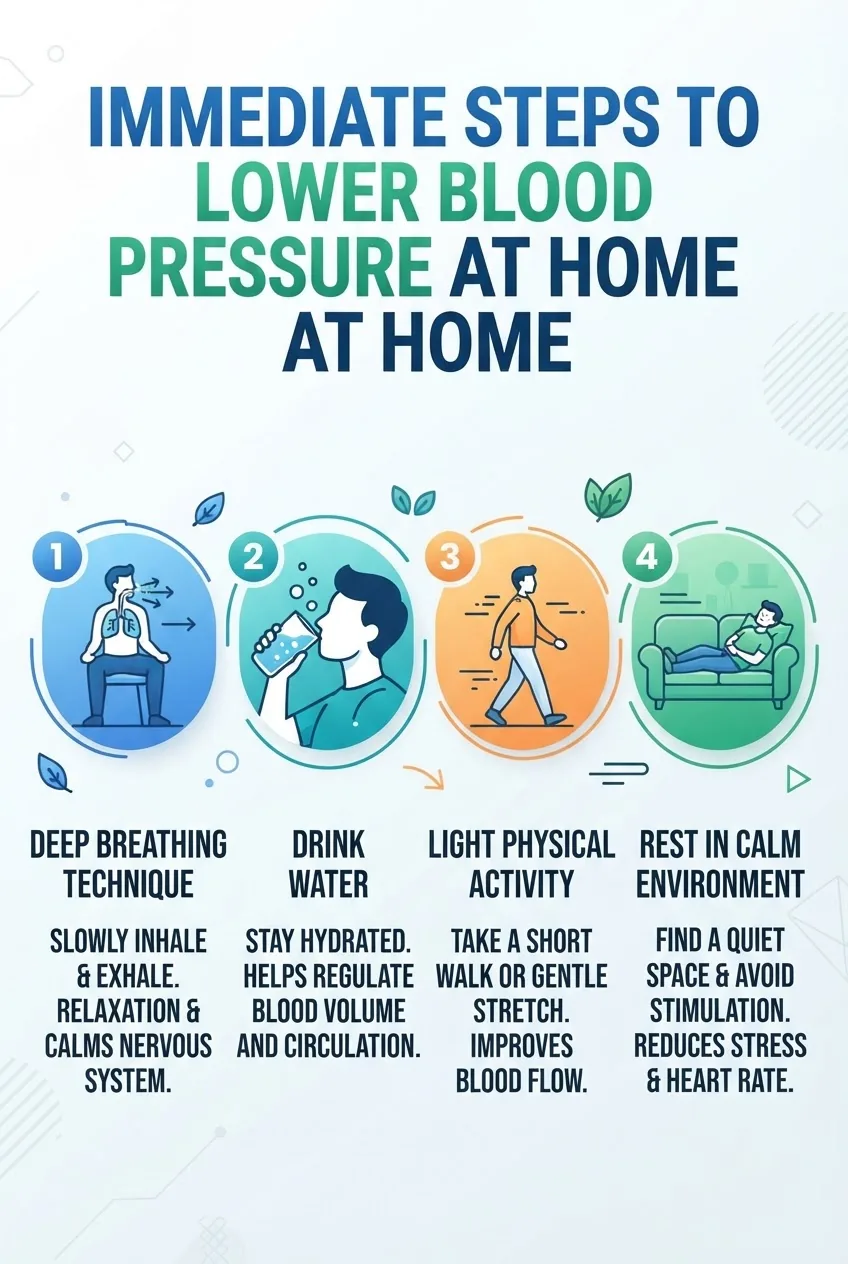
Follow this concise, step-by-step sequence to manage a high reading at home that is not an emergency (no chest pain, shortness of breath, neurologic symptoms). If symptoms present, call 911.
-
Stop, sit, and retake after 5 minutes
Sit quietly for 5 minutes, feet flat, arm supported at heart level. Take two readings 1–2 minutes apart. If second reading is lower by ≥10 mm Hg, continue monitoring every 10–15 minutes until stable. Record time and readings.
-
Perform controlled breathing for 6 minutes
Technique: inhale 4 seconds, exhale 6–8 seconds, continue for 6 minutes total. Repeat 3 cycles of 6-minute sessions if needed with 2-minute rest. Expect systolic drops of 2–6 mm Hg for many people immediately after sessions (According to short-term breathing trials).
-
Hydrate with 250–500 mL water
Dehydration can cause vascular instability; drink a glass of water slowly over 5 minutes. Avoid sugary sports drinks if sugar control is a goal.
-
Engage in light activity for 10 minutes
A brisk 10-minute walk stimulates vascular function and can acutely lower BP. Avoid heavy exertion when BP is very high—stick to gentle to moderate effort.
-
Create an immediate calming environment
Move to a quiet room, dim lights, remove distractions for 15–30 minutes. Use a 10-minute mindfulness or guided breathing audio. For immediate techniques, follow the 4-7-8 breathing sequence described earlier.
-
Re-check and document for clinician review
Take readings at 15, 30, and 60 minutes after initial high measurement. If readings remain >180 systolic or >120 diastolic or symptoms develop, seek emergency care. For non-emergent persistent elevations, contact your clinician same-day.
For more strategies see fast blood pressure lowering tips.
Transition: ongoing monitoring and clinician partnership determine whether lifestyle changes suffice or medication is necessary.
When to Seek Medical Help and Medication Considerations
Lifestyle modification is the foundation for most people with elevated blood pressure, but medication may be needed when home readings remain elevated despite 4–12 weeks of adherence or if initial readings are in high ranges. Trade-offs: medications reduce cardiovascular events reliably; lifestyle changes address root causes and may allow medication dose reduction over time under clinician supervision.
Warning signs—seek urgent evaluation if you experience any of the following:
- Sudden chest pain, pressure, or tightness
- New shortness of breath, fainting, or sudden weakness on one side
- Vision changes, severe headache, confusion
- Consistently high home readings ≥180 systolic or ≥120 diastolic
Discuss medication goals with your clinician, including how and when adjustments may be made if you plan to pursue natural approaches. Do not stop prescribed medicines without clinician supervision—abrupt cessation can cause dangerous rebound hypertension.
Hands-On Steps: Home Monitoring Walkthrough and a Composite Case Study
This walkthrough shows exactly how to monitor at home and illustrates a realistic composite case of lifestyle-led improvement.
-
Prepare the cuff and environment
Use a validated upper-arm automatic cuff. Sit quietly 5 minutes before measurement; remove tight clothing from the arm. Rest your back on a chair, feet flat. Set cuff to measure in mm Hg; ensure cuff bladder center is over brachial artery. Use morning readings before meds/coffee and evening readings before dinner.
-
Take and record two readings per session
Take two readings 1–2 minutes apart and log the average. Example log entry: 7:10 AM — 138/84 (7:12 AM — 136/82) average 137/83. Note posture and caffeine/med timing. Measure for 7 days and compute weekly average for morning and evening.
-
Interpret patterns and trends
If weekly average systolic decreases by ≥5 mm Hg after 4 weeks, continue the plan. If minimal change by 8–12 weeks, re-evaluate diet adherence (sugar and sodium), physical activity minutes, and sleep. Share the chart with your clinician.
-
Composite case study — “Maria’s 12-week plan”
Background: Maria, 54, baseline clinic BP 148/92, BMI 30, drinks two sugary sodas daily and eats processed snacks. Plan implemented: cut sodas to water (30 g/day sugar saved), adopt DASH-style meals, brisk walking 30 min/day, and 10-minute breathing twice daily. Monitoring: home averages fell from 146/90 to 134/82 at 6 weeks and 126/78 at 12 weeks. Weight down 7 lb (≈3% of body weight). Clinician reduced her medication dose at 14 weeks after shared logs. This composite illustrates realistic progress when sugar reduction, sodium limitation, exercise and stress reduction are combined (modeled from clinical practice patterns and trial averages).
Common mistakes and how to avoid them
I often see people underestimate sugar in “healthy” foods—one patient assumed yogurt parfaits were sugar-free and logged zero; their BP plateaued until they switched to plain yogurt and fresh fruit. Another common error is inconsistent cuff technique: repeating readings without 5-minute rest produced noisy trends that delayed clinical decisions.
How I avoid these: always weigh or read labels for sugar grams, pre-portion snacks, and demonstrate cuff technique during the first week. I advise keeping a single daily log time for comparability (e.g., every morning before meds).
Checklist: Verify your work
- Logged BP twice daily for at least 7 days and calculated weekly averages
- Reduced added sugar to target level (documented grams/day)
- Cut saturated fat intake to ≤10% of daily calories and increased healthy fats
- Completed 150 minutes/week of moderate aerobic activity and two resistance sessions
- Practiced breathing or relaxation 10–20 minutes/day
- Avoided high-sodium processed foods; targeted ≤1,500–2,300 mg/day sodium
- Discussed progress with clinician if goals not met in 8–12 weeks
When to call in a professional
Schedule a primary care visit if home average BP remains ≥130/80 after 4–12 weeks of consistent lifestyle efforts. Seek urgent care if any emergency signs appear (chest pain, sudden neurological changes, severe headache, visual loss). If you plan to stop or reduce medication because of lifestyle gains, do so only with clinician direction and documented home logs.
Final summary: focus first on tracking, consistent sugar and saturated fat reduction, DASH-style meals, aerobic conditioning and stress practices. These combined steps yield the largest chance of lowering both systolic and diastolic blood pressure without immediate medication changes for many individuals, while medication remains a powerful and sometimes necessary tool.
Action now: start a 7-day monitoring and meal log today, aim to drop one sugary drink, and practice 6 minutes of focused breathing twice daily. If you need help implementing the meal plan or monitoring data, contact your clinician.