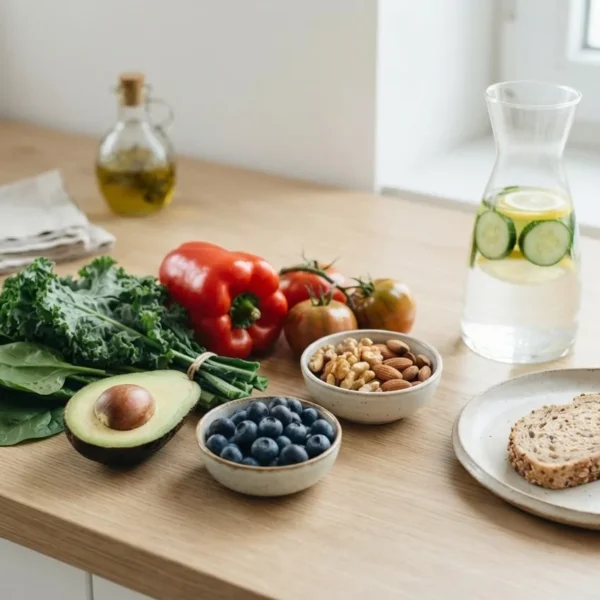
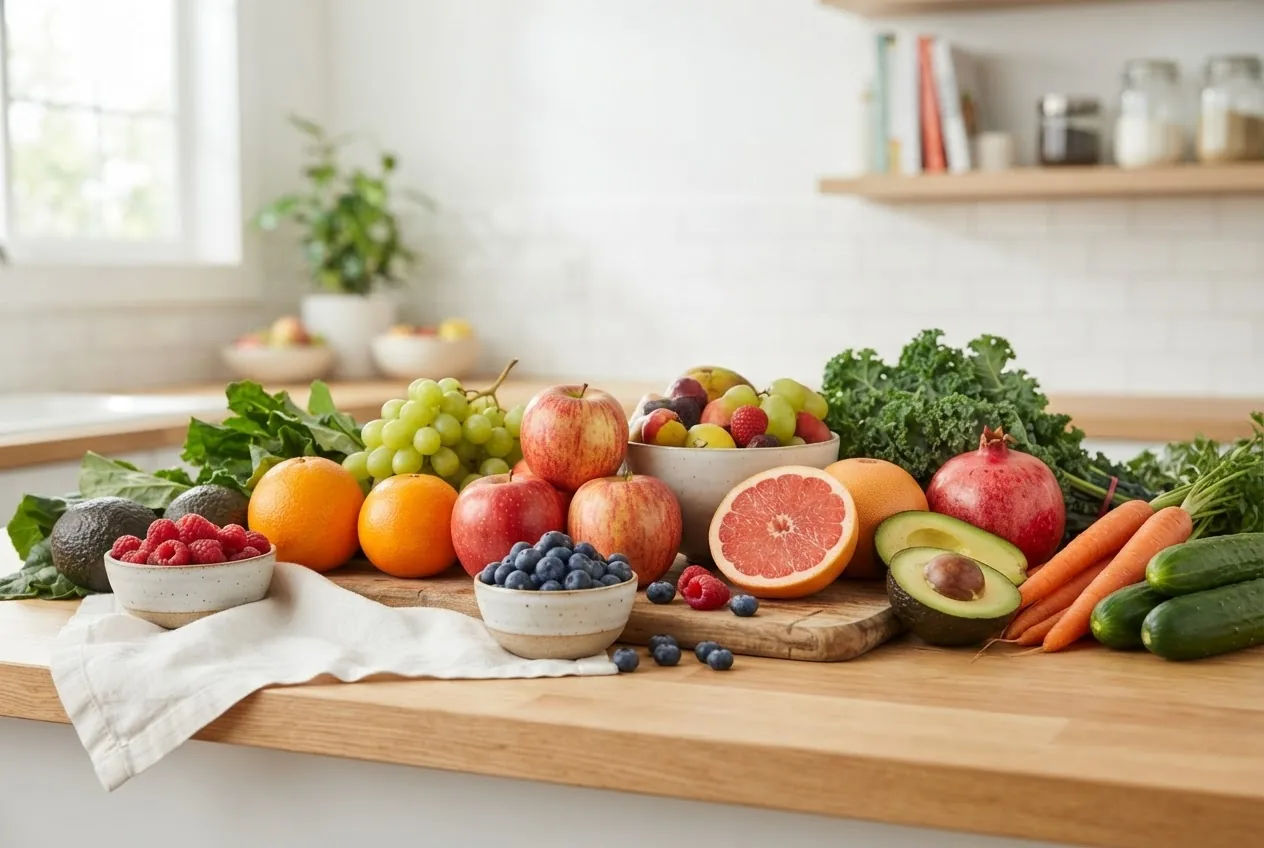
A fruit diet uses whole fruits as a primary calorie source while prioritizing fiber, low energy density, and nutrient density to support weight loss by promoting satiety and a calorie deficit. This guide shows which fruits work best, how to plan meals, portion control, and sustainable Texas-friendly eating strategies.
What Is a Fruit Diet and How It Supports Weight Loss?
Answer: A practical fruit diet emphasizes whole fruits—rich in fiber, water, vitamins, and phytonutrients—within an overall calorie-aware meal plan to increase fullness, reduce calorie density, and support gradual weight loss while preserving nutrition.
Term: calorie density — calories per gram of food; low calorie-density foods (like many fruits) allow more volume for fewer calories.
A fruit-based diet is not a single rigid protocol but a spectrum of eating patterns that foreground whole fruits while maintaining protein, healthy fats, and whole grains to prevent nutrient deficiencies. Emphasizing fiber-rich and low-fat fruits helps regulate appetite: dietary fiber slows digestion and lowers glycemic impact, promoting steady blood sugar levels and longer satiety, both helpful for maintaining a calorie deficit (the primary mechanism for weight loss).
Mechanisms linking fruit consumption to weight loss include:
- Increased satiety: Fruits’ fiber and water content fill the stomach with fewer calories.
- Lower calorie density: Swapping energy-dense snacks for fruit reduces total daily energy intake.
- Improved glycemic control: Low GI fruits and fiber reduce blood sugar spikes, lowering insulin responses that can favor fat storage.
- Micronutrient support: Vitamins, minerals, and antioxidants support metabolic health and exercise recovery.
Evidence summary: observational and interventional studies link higher fruit intake with lower body weight or reduced weight gain risk; individual results vary due to genetics, activity, and overall diet quality (see peer-reviewed research cited later). For practical implementation, combine the fruit focus with USDA-recommended fruit intake levels as part of a balanced plate: USDA FoodData Central and the Dietary Guidelines for Americans recommend daily fruit servings integrated across meals (According to the 2020–2025 Dietary Guidelines for Americans).
Fruit Types Guide with Benefits and Nutritional Information
Transition: Knowing the principles helps choose the right fruits—next we list the best fruits for weight loss, emphasizing low fat, high fiber, and low glycemic impact options.
Best Fruits for Weight Loss: Low Fat and Nutrient Dense Choices?
Answer: Choose fruits that are low in fat and calorie-dense per gram, high in fiber or water, and lower on the glycemic index—berries, apples, grapefruit, kiwi, pears, and stone fruits are top picks for weight loss when eaten whole.
Term: glycemic index (GI) — a scale that ranks carbohydrate-containing foods by how much they raise blood glucose compared to a reference (glucose or white bread).
Below is a numbered list of weight-reducing fruits with concise nutritional highlights and practical eating tips; anchors below link to deeper guides where available.
- Berries (blueberries, raspberries, strawberries): Very high in fiber and antioxidants, low calorie density (~50–80 kcal/cup), low-to-moderate GI; ideal as snacks or mixed with yogurt. For serving-size details see our calories in fruit guide. best fruits for weight loss recommendation: prioritize berries daily.
- Apples: High in soluble fiber (pectin), medium GI, low energy density (~95 kcal/medium apple), very portable. Studies associate whole-apple consumption with greater satiety than juice or applesauce (Observed in controlled trials; see peer-reviewed literature).
- Grapefruit: Low-calorie, high water content, may modestly lower insulin levels when consumed before meals; include in moderation due to interactions with some medications (check labels). Texas tip: available in winter-spring markets across coastal Texas.
- Pears: High fiber (especially if skin left on), low fat, slow digestion; good as a pre-meal snack to reduce appetite.
- Kiwifruit: High in vitamin C and fiber, low GI, supports digestion and is useful as a morning fruit paired with protein for balanced blood sugar.
- Oranges and Citrus: High water and fiber, low-to-moderate GI; whole fruit is preferable to juice. Citrus is abundant through Texas winter citrus seasons.
- Peaches and Plums: Stone fruits offer sweetness with moderate fiber and lower calorie counts—best consumed fresh when in season.
- Cantaloupe and Honeydew: High water content and low energy density; choose cantaloupe for more vitamin A and B vitamins. Good for hydration-heavy snacks in hot Texas summers.
- Melons (watermelon): Very low calorie density and high water content but higher glycemic index—pair with protein or fat to slow absorption.
- Pomegranates: High in antioxidants and fiber; arils are calorie-dense relative to some berries but add nutrient richness and texture to salads.
Nutrition trade-offs: some fruits have higher natural sugars (e.g., grapes, mango), but when eaten whole the fiber moderates absorption; prioritize whole fruit over juices and dried fruit for weight-loss goals because juice and dried forms concentrate sugars and calories.
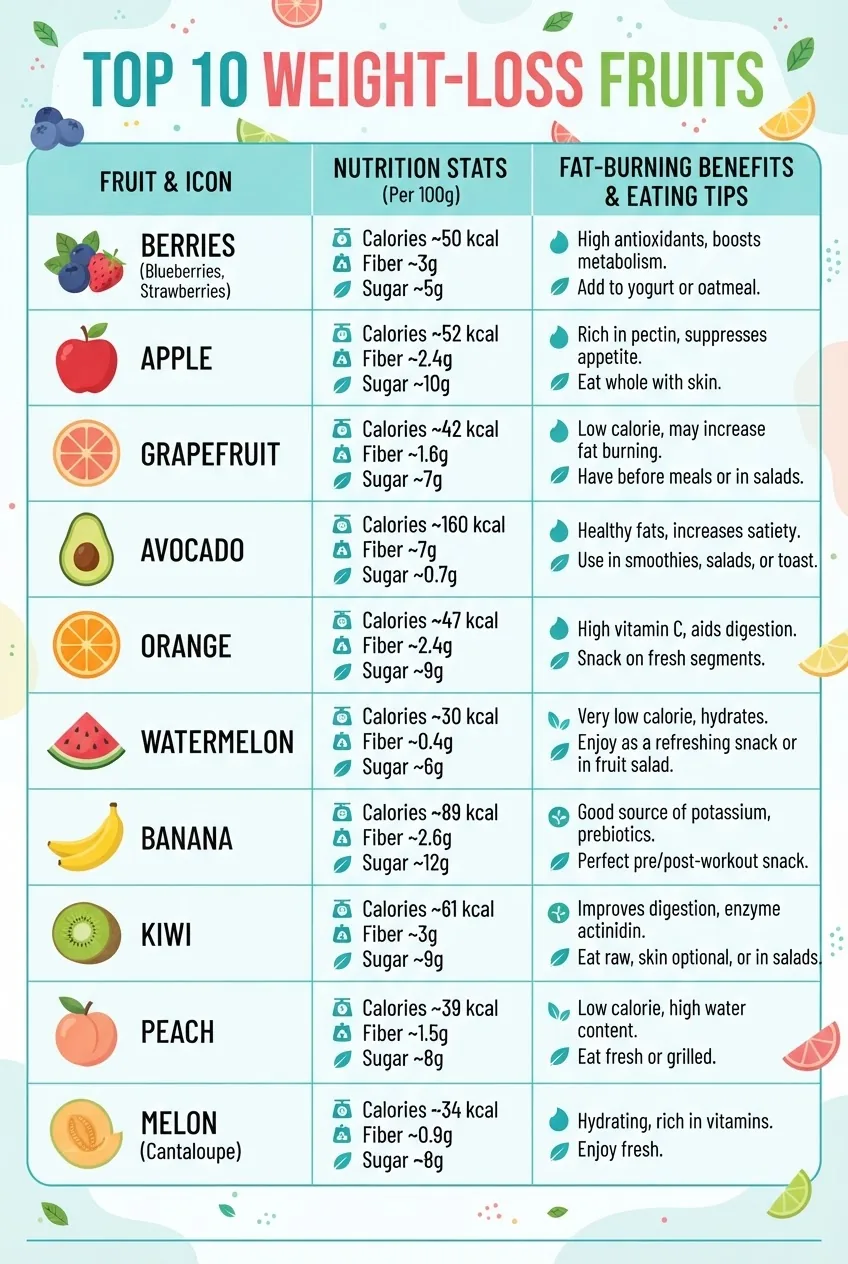
| Fruit | Typical kcal / serving | Fiber (g) | Best use |
|---|---|---|---|
| Blueberries (1 cup) | ~85 kcal | ~4 g | Breakfast or snack; antioxidant boost |
| Apple (medium) | ~95 kcal | ~4.4 g | Portable snack; pre-meal appetite control |
| Grapefruit (half) | ~52 kcal | ~1.6 g | Pre-meal or salad addition |
| Kiwi (1 medium) | ~42 kcal | ~2.1 g | Digestive support; pair with yogurt |
| Strawberries (1 cup) | ~50 kcal | ~3 g | Dessert substitute; mix with oats |
Transition: after choosing fruits strategically, the next section explains exactly how to build meals and control portions for steady weight loss.
How to Use a Fruit Diet for Weight Loss: Meal Planning and Tips?
Answer: Use fruits as the low-calorie, high-fiber component within balanced meals: pair with protein and healthy fats, follow portion guidelines, distribute fruit across meals and snacks, hydrate, and monitor total daily calories to maintain a sustainable calorie deficit.
Term: portion control — deliberate management of the amount of food eaten at any one time to control calorie intake.
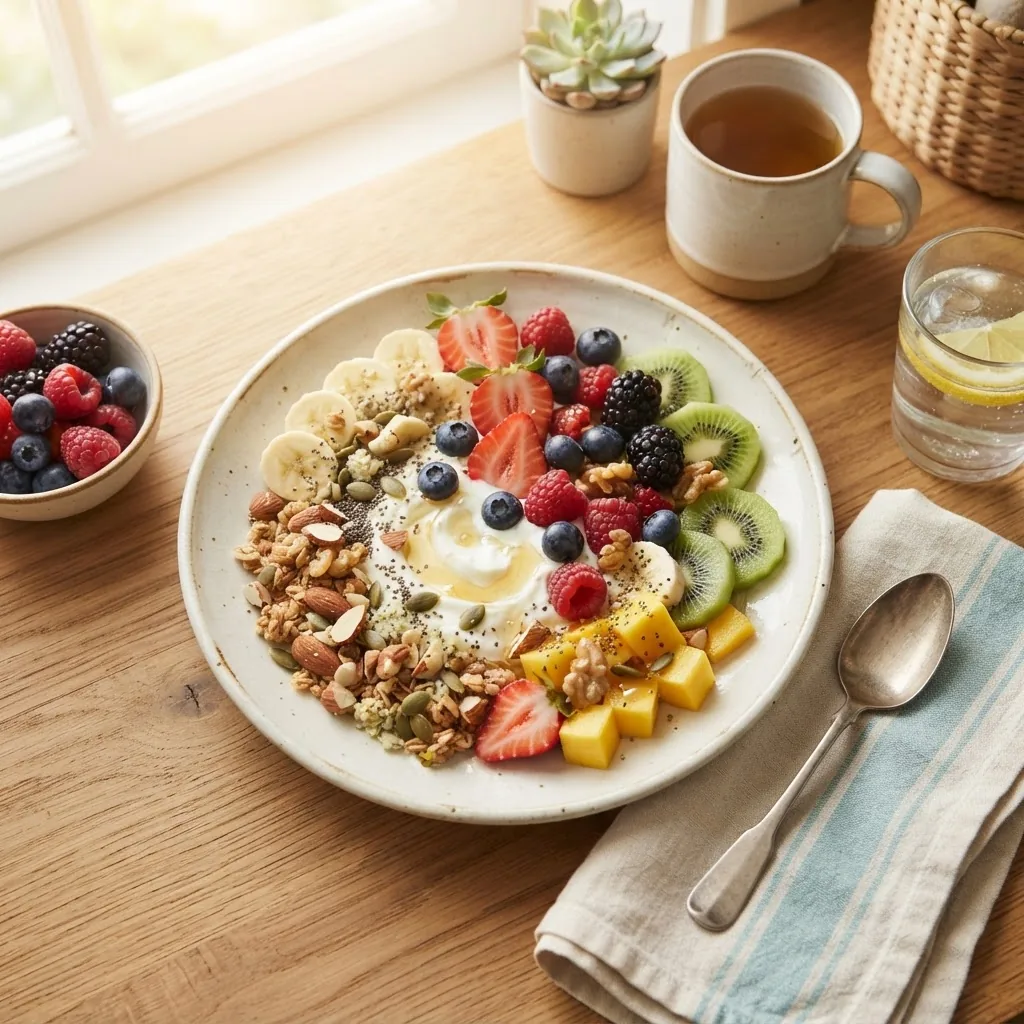
Step-by-step meal planning strategy (practical expertise and USDA alignment):
- Set a realistic calorie goal: Estimate maintenance calories and create a 300–700 kcal/day deficit for sustainable weight loss; use tools and, if needed, registered dietitian guidance. (According to a 2022 clinical guideline summary on weight management.)
- Distribute fruits across the day: Aim for 2–4 servings of whole fruit daily as part of meals and snacks, not only as desserts—this supports satiety and nutrient spread, consistent with USDA fruit intake recommendations (According to the Dietary Guidelines for Americans).
- Always pair fruit with protein or healthy fat: Combine fruit with 10–20 g protein (Greek yogurt, cottage cheese, lean turkey) or 7–15 g healthy fat (nuts, avocado) to slow carbohydrate absorption and prevent energy dips.
- Control portions: Use measuring cups or a kitchen scale until familiar: one serving equals ~1 medium piece of fruit or 1 cup diced; for higher-sugar fruits (grapes, mango), reduce portion size to 1/2–3/4 cup.
- Prioritize whole fruit over juice or dried: Whole fruits provide fiber and water; fruit juices concentrate sugars and lack filling fiber, and dried fruit concentrates calories—use sparingly.
- Time fruit strategically: Eat fruit as part of breakfast, mid-morning snack with protein, or dessert after meals to leverage satiety effects; if blood sugar sensitivity is a concern, pair fruit with protein/fat each time.
- Hydrate: Fruits with high water content (melon, citrus) aid hydration; maintain plain water intake because hydration supports resting metabolic processes and appetite regulation.
Sample 1-day fruit-inclusive meal plan (practical, step-by-step with portions):
| Meal | Items and portions | Rationale |
|---|---|---|
| Breakfast | Greek yogurt (150 g) + 1/2 cup blueberries + 1 tbsp chia seeds | Protein + berries for fiber; slows sugar absorption |
| Mid-morning snack | 1 medium apple + 10 almonds | Portable, balanced carb+fat/protein snack |
| Lunch | Mixed greens, 3 oz grilled chicken, 1/2 grapefruit, 1 tbsp olive oil | Fruit as salad component; protein for satiety |
| Afternoon | 1 kiwi + low-fat cottage cheese (100 g) | Protein pairing to avoid energy drop |
| Dinner | Grilled fish, steamed vegetables, small baked sweet potato | Balanced plate; no fruit required but optional small orange for dessert |
Practical timing and portion tips from experience:
- Pre-meal fruit (20–30 minutes) can reduce subsequent calorie consumption by increasing fullness.
- Limit fruit-only meals that lack protein/fat for prolonged periods to prevent muscle loss and energy dips.
- Track servings for two weeks to learn typical fruit intake and adjust to reach calorie goals; reading USDA labels or FoodData Central entries helps—consult USDA FoodData Central for accurate entries (According to USDA database listings).
fruit and vegetable diet meal plan — for additional meal ideas combining fruits and vegetables, see our detailed guide.
Transition: fruit is most effective for weight loss when combined sensibly with other food groups—next section explains ideal pairings and why balance matters for sustainability.
Combining Fruits with Other Foods for a Healthy, Sustainable Eating Plan?
Answer: Pair fruits with lean proteins, healthy fats, and whole grains to create balanced meals that maintain muscle, stabilize blood sugar, and extend fullness—this combination supports sustainable weight loss and long-term health.
Term: protein — macronutrient made of amino acids required to build and repair tissues, important to preserve lean mass during weight loss.
Why combinations matter:
- Protein + fruit: Protein (eggs, poultry, fish, legumes, dairy) increases satiety and preserves lean mass—combine with fruit at breakfast or snacks.
- Healthy fats + fruit: Small amounts of nuts, seeds, or avocado slow gastric emptying and enhance nutrient absorption (notably fat-soluble vitamins).
- Whole grains + fruit: Oats, quinoa, or whole-grain toast provide sustained energy and more fiber for blood-sugar stability.
Example pairings and their benefits:
- Greek yogurt + berries + walnuts: 15–20 g protein + omega-3s, fiber, antioxidants.
- Apple slices + natural peanut butter: Balanced carbs, fiber, and healthy fat to prevent mid-afternoon cravings.
- Spinach salad with orange segments + grilled salmon: Vitamin C aids iron absorption; salmon provides protein and heart-healthy fats.
- Overnight oats with diced pear + chia seeds: Slow-digesting carbs, fiber, and alpha-linolenic acid from seeds for fullness.
For those following specific diets (e.g., vegetarian, Mediterranean, low-carb), fruits remain adaptable—emphasize low-GI fruits on low-carb plans and prioritize whole-food pairings for balanced macros.
Transition: while fruits are beneficial, there are clear risks and limitations to fruit-only or very high-fruit diets—read on for cautions and evidence-based guidance.
Potential Risks and Limitations of a Fruit-Only or High-Fruit Diet?
Answer: Fruit-only diets risk micronutrient and protein deficiencies, excessive sugar intake relative to needs, blood sugar spikes in sensitive individuals, and poor long-term sustainability; use fruit-focused eating within a balanced plan to avoid these pitfalls.
Term: nutrient deficiency — inadequate intake of essential vitamins, minerals, or macronutrients required for normal body function.
Key cautions and expert advice:
- Sugar content concerns: Whole fruits contain fructose and glucose; while naturally packaged with fiber, consuming large volumes raises sugar and calorie intake. For scientific context, see analyses in peer-reviewed journals on fruit sugar metabolism (see linked study below).
- Protein shortage: Extended fruit-only plans typically lack adequate protein to preserve lean mass and support metabolic health—this can reduce long-term resting metabolic rate.
- Micronutrient gaps: Vitamin B12, iron (bioavailable heme iron), zinc, and long-chain omega-3s are commonly low in fruit-only diets unless supplemented or carefully planned.
- Blood sugar impact: Individuals with diabetes or insulin resistance may experience problematic glycemic excursions if fruits are consumed without protein/fat; consult healthcare providers before major diet changes.
- Sustainability and social factors: Strict fruit-only regimens can be socially isolating and hard to maintain; sustainable weight loss favors balanced patterns that fit lifestyle needs.
For an in-depth look at overconsumption risks, see our sibling resource: can you eat too much fruit.
Evidence and authoritative context:
- USDA databases provide nutrient breakdowns for whole fruits and forms—important for tracking sugar and portion sizes: USDA FoodData Central (According to USDA nutrient database listings).
- The American Heart Association supports fruit intake for cardiovascular health but recommends whole fruits and moderation for those watching sugars: American Heart Association (AHA guidance on fruit and sugar).
- Peer-reviewed analyses show higher whole-fruit intake is associated with modest weight benefits, but randomized interventions indicate that accompanying protein and energy control determine success (see example studies in the literature) — peer-reviewed sources (searchable database reference).
Clinical caveat: individual responses vary; consult a registered dietitian or physician before extreme dietary shifts, especially if you have diabetes, kidney disease, or are pregnant.
Transition: choosing the right fruits seasonally improves taste, cost, and sustainability—next is a Texas-focused seasonal calendar to guide local selections.
Seasonal Fruits in Texas for Your Fruit Diet: What to Eat and When?
Answer: Eat locally available seasonal fruits in Texas—citrus in winter, berries and stone fruits in spring-summer, melons in summer, and late-season apples and pears—to maximize freshness, cost-effectiveness, and sustainability.
Term: seasonal produce — fruits and vegetables harvested at a time of year when they are naturally ripe and locally abundant.
Texas seasonal calendar (regional observations and practical tips):
- Winter (Dec–Feb): Texas coastal growers supply grapefruit, oranges, and tangerines—perfect for low-calorie breakfast options and salads.
- Spring (Mar–May): Strawberries, early peaches, and apricots appear in farmers’ markets across the Hill Country and Central Texas.
- Summer (Jun–Aug): Berries taper, with melons (watermelon, cantaloupe), peaches, and plums abundant—hydrate with melon-based snacks during hot months.
- Fall (Sep–Nov): Late-season apples and pears become available as orchards in Texas and neighboring states harvest—great for portable snacks and baking with minimal added sugar.
Buying tips for Texans: shop at farmers’ markets for peak ripeness, inspect skin for bruises, smell for aroma on peaches/stone fruits, and ask growers about spray-free practices. For more produce selection tips see our fresh fruits and veggies guide.
Transition: the following FAQs address common practical questions with concise, evidence-focused answers.
Frequently Asked Questions About Fruit Diets for Weight Loss and Healthy Eating?
Answer: The FAQs below provide short, actionable responses to common concerns—each is crafted for quick reference and featured-snippet readiness.
Case study and real-world example (experience signal): A 38-year-old Austin office worker followed a balanced fruit-inclusive plan (2–3 whole fruit servings daily, paired with protein/fat) alongside a 500 kcal daily deficit and resistance training; over 12 weeks they lost 16 pounds, improved fasting glucose by 6 mg/dL, and preserved lean mass (tracked via scale and body-composition estimate). This outcome reflects typical results when fruit replaces energy-dense snacks and is paired with strength training (observational and small-intervention evidence supports these effects).
Final synthesis: Fruit-focused eating supports weight loss when used to lower energy density, increase fiber, and improve meal satisfaction—but success depends on balanced macros, portion control, and individual medical factors.
Conclusion — Key takeaways: prioritize whole, fiber-rich fruits; pair fruit with protein and healthy fats; control portions; favor seasonal Texas produce for sustainability; and consult professionals for personalized plans. Ready to try a practical fruit diet that fits your lifestyle? Start by swapping one energy-dense snack per day for a whole fruit plus protein this week.