By the end of this guide you’ll have a practical, week-ready fruit and vegetable diet meal plan that meets calorie, fiber and protein targets, plus a shopping and meal-prep system to execute it. Expect 3–5 hours total setup (shopping + 2 prep sessions) and this assumes an intermediate home-cooking skill level.
Introduction to a Fruit and Vegetable Diet Meal Plan
This hands-on guide shows you how to build a sustainable, nutrient-balanced plan centered on fruits and vegetables while solving common pitfalls—especially protein, calorie management and seasonal sourcing. You will get step-by-step meal planning actions, a detailed daily sample menu, practical Texas-focused produce swaps, and a clear nutrition checklist for safety and performance. Use this if your goal is to eat more vegetables with consistent energy across the day and optional animal or supplemental protein.
For a deeper dive into the specific fruits referenced here, see the fruit types guide with benefits and nutritional information.
Before you start
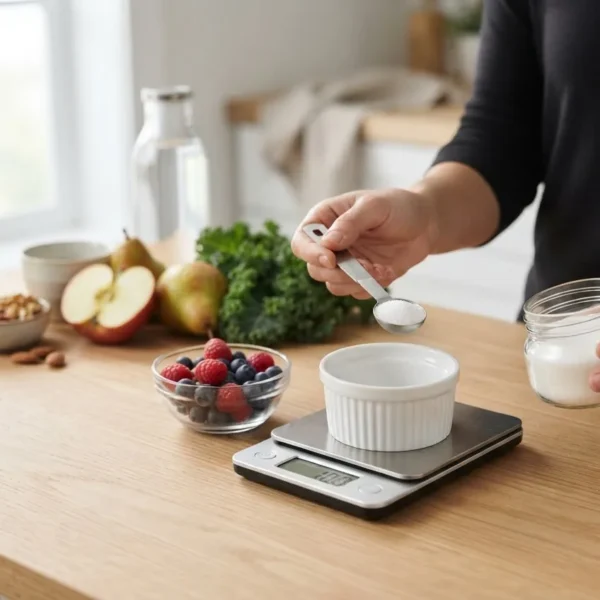
- Tools: kitchen scale (0.1 oz precision), measuring cups, sharp chef’s knife, 6 meal prep containers (900–1100 ml), 1 large cutting board.
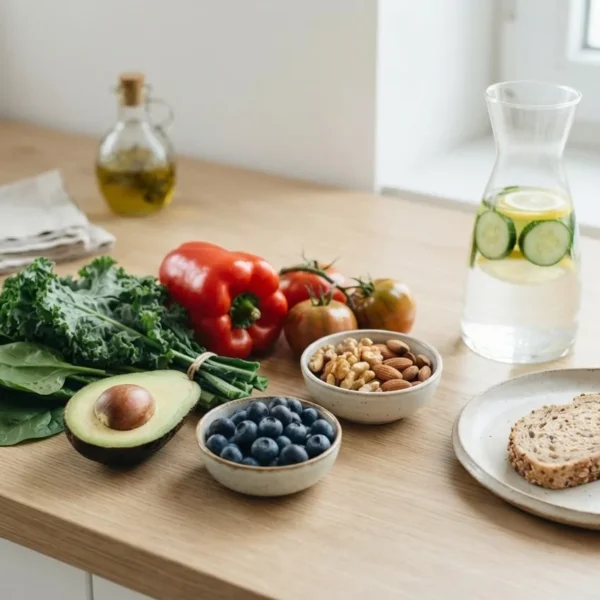
- Pantry basics: olive oil, canned beans (low sodium), dry lentils, rolled oats, nuts (almonds, walnuts), seeds (chia, pumpkin), whole-grain rice/quinoa.
- Supplements/optional tests: B12 supplement (if vegan), ferritin check if at risk for iron deficiency—consult provider.
- Time plan: two 1.5-hour prep sessions (Sunday & Wednesday) plus 30–45 minutes of daily assembly.
Transition: The next section explains the nutritional foundations you need to build a safe, effective fruit and vegetable diet meal plan before we move into step-by-step construction.
Nutritional Foundations of a Fruit and Vegetable Diet
The core of any long-term diet is understanding macronutrients (carbs, protein, fats) and micronutrients (vitamins, minerals). Fruits and vegetables deliver vitamins, antioxidants and fiber, but they vary widely in calories and protein. Below are practical stat blocks and a framework to plan around daily targets.
| Nutrient | Typical per-serving from produce | Why it matters |
|---|---|---|
| Fiber | 3–8 g per serving (beans, pears, berries, broccoli) | Supports satiety, gut health, steady blood sugar |
| Protein | 1–9 g per serving (leafy greens low; legumes high) | Needed for repair, immune function—plan combos |
| Vitamin C | 30–90 mg per serving (citrus, bell pepper, strawberries) | Supports immunity and iron absorption |
| Potassium | 200–700 mg per serving (avocado, banana, sweet potato) | Blood pressure regulation, muscle function |
Targets for most adults (adjust for activity and goals): 1,800–2,500 kcal/day for weight maintenance (women typically lower end; men higher), 20–35 g fiber/day minimum, and 0.7–1.0 g protein/kg body weight for general adults or 1.2–1.6 g/kg for active adults. According to a 2024 USDA report on dietary patterns, increasing vegetable intake to 4–5 cup equivalents daily improves nutrient density and fiber intake (source type: government report).
Practical implication: a fruit- and vegetable-forward approach must intentionally add concentrated protein and fat sources (legumes, nuts, seeds, dairy or lean animal protein) to meet energy and amino-acid needs without excessive fruit sugars or underfueling.
Protein in a Fruit and Vegetable Diet
Protein is a set of amino acids—the building blocks your body uses to maintain muscle and enzymes. Plant proteins often lack one or two essential amino acids, but combining different protein sources across a day gives you a complete amino acid profile (think of complementing puzzle pieces rather than needing them in a single meal).
Recommended strategy: include at least one concentrated protein source at each major meal and two snacks with 6–12 g protein combined. Legumes, tofu, tempeh, seitan, quinoa, nuts and seeds are primary plant sources; dairy, eggs, fish, chicken or lean red meat are optional animal complements.
| Source (Typical serving) | Protein (g) | Use |
|---|---|---|
| Cooked lentils (½ cup) | 9 g | Soups, salads, taco filling |
| Greek yogurt (¾ cup) | 15–18 g | Breakfast bowls, dressings |
| Tofu (100 g) | 8–12 g | Stir-fries, scrambles |
Example food combinations for complete proteins:
- Rice + black beans (pair grains and legumes across a meal)
- Hummus + whole-grain pita + spinach salad (legume + grain + leafy veggies)
- Oatmeal with chia seeds and a scoop of nut butter (grain + seed + nut)
Also consult the Academy of Nutrition and Dietetics position on plant-based diets for evidence-based protein planning: Academy of Nutrition and Dietetics (source type: professional organization).
Vitamins and Minerals to Focus On
- Vitamin C — Sources: citrus, strawberries, bell peppers, broccoli. Helps iron absorption. Prioritize 75–90 mg/day (source type: government dietary guidance).
- Vitamin A (as carotenoids) — Sources: sweet potato, carrots, spinach, cantaloupe. Supports vision and immunity.
- Potassium — Sources: avocado, banana, potatoes, leafy greens. Aim for 2,500–3,400 mg/day depending on age and sex (source type: 2023 health guideline).
- Iron — Sources: legumes, spinach, dried apricots, fortified cereals. Combine with vitamin C-rich foods to improve absorption; consider testing ferritin if vegetarian (source type: clinical guidance).
- Calcium — Sources: kale, collard greens, fortified plant milks, tofu set with calcium. Adults typically need ~1,000 mg/day.
- Magnesium — Sources: pumpkin seeds, spinach, black beans; supports energy production and sleep quality.
Transition: With nutrients defined, the next H2 walks through step-by-step how to construct a balanced, practical meal plan and portion strategy so you can “eat more vegetables” without underfueling or getting bored.
Building Your Fruit and Vegetable Diet Meal Plan
This section is the hands-on core: numbered actionable steps to construct your weekly plan, allocate portions, and balance macros. Use the settings below exactly: aim for 3 meals + 2 snacks daily, protein per meal 15–30 g, fats 15–30 g, and 300–600 kcal per meal for weight maintenance depending on individual needs.
Step-by-step plan
- Calculate daily calorie & protein targets: Multiply body weight (kg) by 0.8–1.6 g for protein target. Example: 70 kg × 1.0 g/kg = 70 g protein/day. For calories, use 25 kcal/kg as a baseline for maintenance (70 kg × 25 = 1,750 kcal). Adjust ±300 kcal for weight change goals within 12 weeks.
- Build a plate model: For each main meal use 50% non-starchy vegetables, 20–25% starchy vegetables or whole grains, 25–30% protein source, and a moderate fat (1 tbsp oil, ¼ avocado or 1 oz nuts). This ensures fiber and satiety without excess fruit sugar.
- Create a rotating 7-day template: Draft breakfast, lunch, dinner templates (e.g., breakfast: fruit + whole grain + protein; lunch: large salad + legume protein; dinner: cooked veg medley + grain + optional animal protein). Use 3 breakfasts, 4 lunches, 4 dinners mixed across the week to limit prep time.
- Assign seasonal Texas produce: Spring: asparagus, strawberries, peas; Summer: tomatoes, peaches, peppers; Fall: sweet potatoes, apples, Brussels sprouts; Winter: citrus, kale, carrots. Swap local produce to cut cost and increase freshness.
- Plan protein distribution: Ensure 15–30 g protein per meal: add ½ cup lentils (9 g) to salads, 100 g tofu (10 g) in stir-fries, ¾ cup Greek yogurt (15–18 g) at breakfast. For omnivores, 3–4 oz cooked fish/chicken adds 20–25 g protein.
- Schedule juices & smoothies strategically: Use smoothies for breakfast or post-workout (include 20–30 g protein powder or Greek yogurt, 1 cup spinach, ½ cup berries, 1 tbsp nut butter). Keep juices to ≤6–8 oz per day and pair with protein to avoid blood sugar spikes.
- Create a prep day workflow: Session 1 (Sunday, 90 min): cook 2 cups dry grains, roast 6 cups mixed vegetables, cook a large pot of lentils, wash/portion greens and berries. Session 2 (Wednesday, 60–90 min): refresh salad greens, midweek protein cook (tofu or fish) and re-roast vegetables.
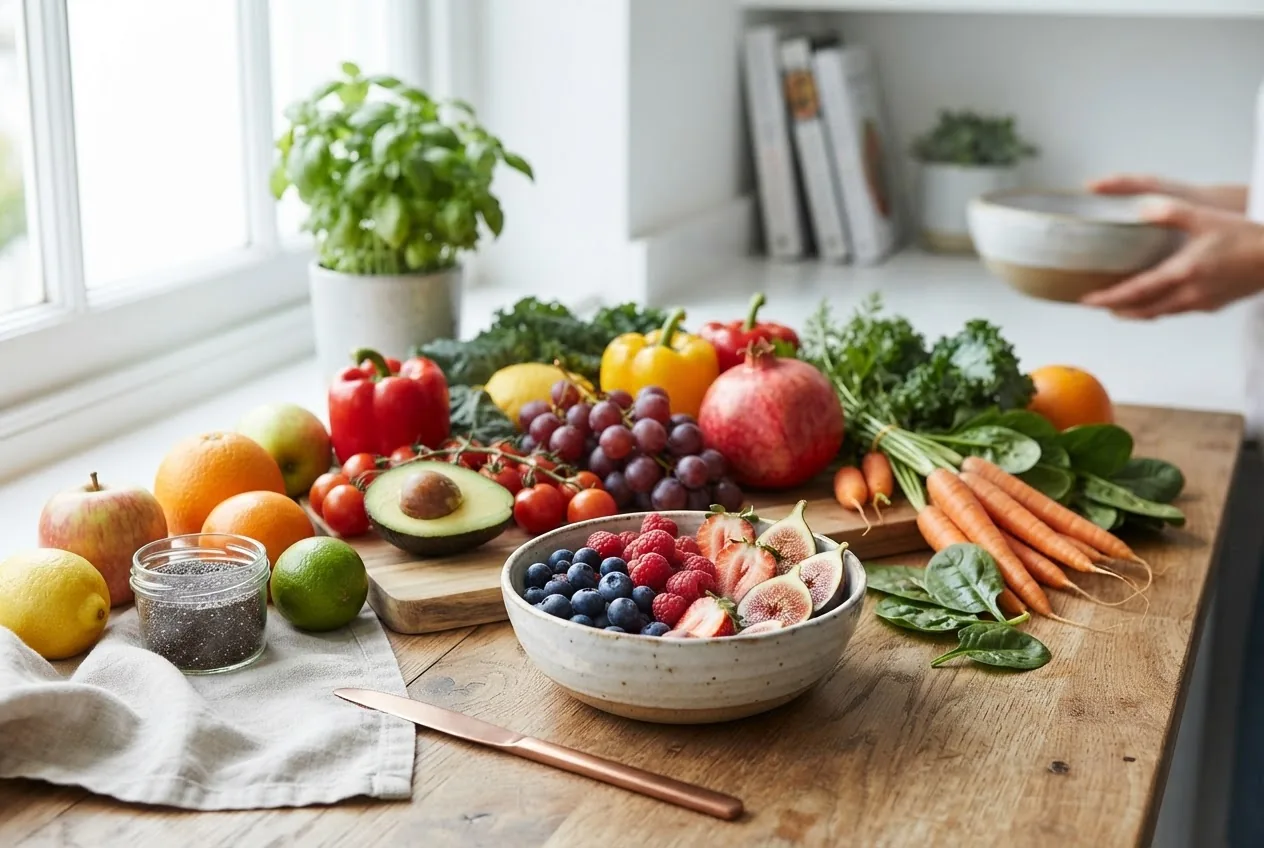
- Produce list and portioning: For one person for 7 days: 3 lb leafy greens, 6 cups chopped cruciferous veg, 8–10 cups mixed vegetables, 7 servings fruit (1 cup each), 4 cups cooked legumes, 1 lb nuts/seeds. Adjust for household size.
- Track and adjust weekly: Log energy, hunger, bowel consistency and weight weekly. If energy low after 2 weeks, add 150–250 kcal of healthy fats (1–2 tbsp olive oil or ¼–½ avocado at meals) and recheck protein intake.
- Pack for convenience: Use 900–1100 ml containers for lunches, keep dressings separate, and include a small snack bag (20–30 g nuts + 1 piece fruit) to hit afternoon protein and calories.
Transition: Next is a fully-detailed single-day example you can copy, scale, or rotate across the week—with exact portion sizes and options for plant-based or omnivore choices.
Sample Daily Meal Plan Example
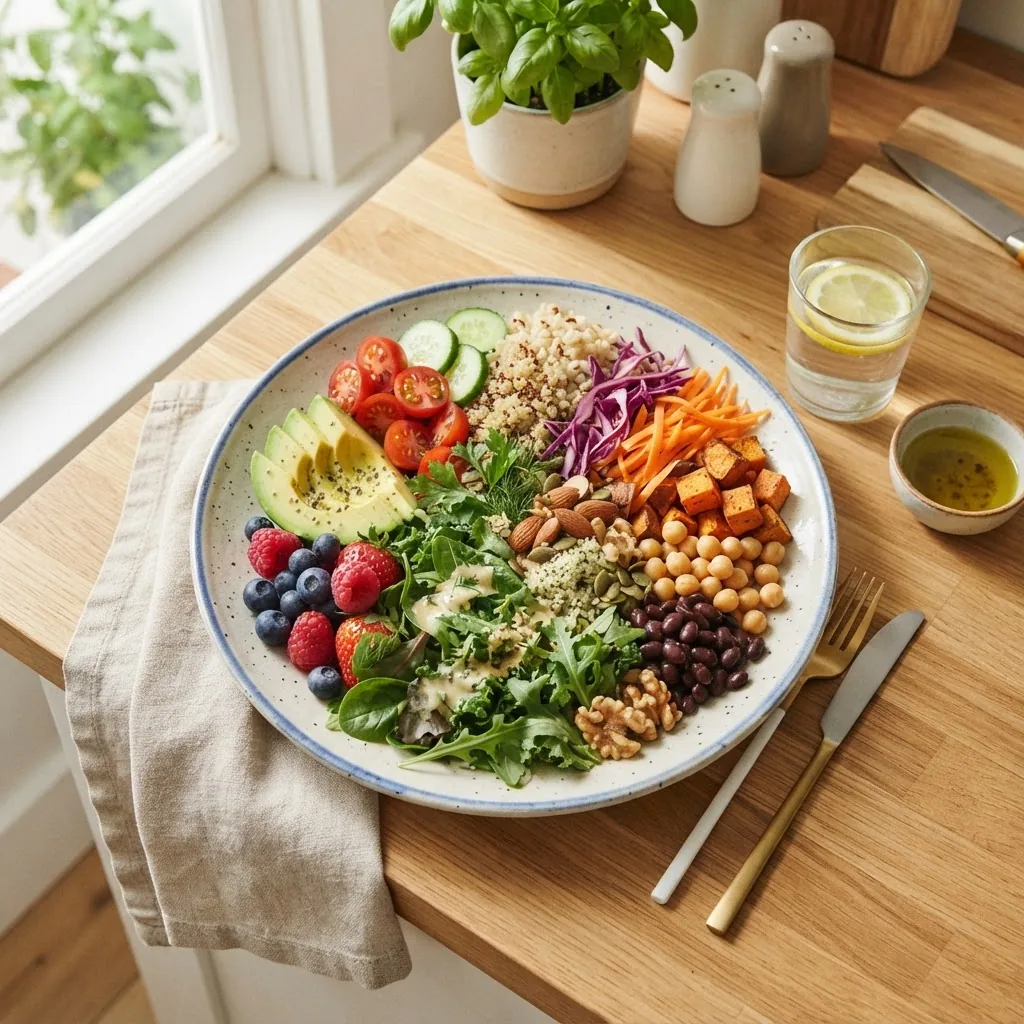
- Breakfast (within 60 minutes of waking): Greek yogurt parfait: ¾ cup plain Greek yogurt (15 g protein), ½ cup rolled oats (5 g protein), ½ cup blueberries, 1 tbsp chia seeds (2 g), 1 tbsp honey. Total ~420 kcal, protein ~22 g. (Vegan option: swap yogurt for 1 cup fortified soy yogurt + 1 tbsp almond butter for similar protein.) For weight-loss focus, reduce oats to ⅓ cup. See best fruits for weight loss for fruit choices.
- Mid-morning snack: Apple + 1 oz almonds (6 g protein). ~200 kcal.
- Lunch: Big salad bowl: 3 cups mixed greens, ¾ cup cooked quinoa (6 g protein), ½ cup cooked chickpeas (7 g), ½ avocado, 1 cup roasted bell peppers and zucchini, 2 tbsp olive oil + lemon dressing. Total ~550 kcal, protein ~20 g.
- Afternoon snack / optional post-workout: Smoothie: 1 scoop protein powder (20–25 g) or ¾ cup Greek yogurt, 1 cup spinach, ½ banana, ½ cup strawberries, 1 tbsp peanut butter. ~300–350 kcal, protein 20–25 g.
- Dinner: Stir-fry: 3 oz cooked salmon (22 g protein) or 150 g extra-firm tofu (18 g) + 2 cups steamed broccoli, 1 cup cooked brown rice, 1 tbsp sesame oil, garlic and lime. Total ~600 kcal, protein 22–28 g.
- Evening mini-snack if needed (low-calorie): ½ cup cottage cheese (12 g protein) or ¼ cup pumpkin seeds (9 g) if extra calories/protein desired. Keep evening snack ≤150 kcal for weight loss targets.
Portion notes: aim for protein distribution 20–25 g per meal; snack protein 6–25 g depending on needs. For weight maintenance reduce dinner carbs by ⅓; for muscle gain add 150–250 kcal via extra grains or 1–2 tbsp nut butter.
Transition: Practical methods to eat more vegetables without meal fatigue are next—simple cooking and flavor strategies that keep vegetables front-and-center.
Tips for Increasing Vegetable Intake
- Batch-roast vegetables with olive oil, smoked paprika and garlic for 20–30 minutes at 425°F to create a versatile base.
- Use spiralized vegetables (zucchini, sweet potato) as pasta substitutes—top with a protein-rich sauce.
- Incorporate pureed vegetables into soups and sauces (carrot, butternut squash) to increase volume and micronutrients.
- Add 1–2 cups of raw leafy greens to smoothies—spinach and kale blend well with berries and protein powder. See broccoli nutrition facts and serving size for a high-value veggie option.
- Snack on crunchy vegetables plus hummus or guacamole—avocado is calorie-dense and nutrient-rich (refer to the avocado fruit guide and nutritional benefits).
- Embrace low-calorie, high-volume veggies like cabbage—see calorie content of cabbage for substitution ideas.
Transition: Now that you can build menus and increase vegetables, you need smart shopping and storage to keep costs down and freshness high.
Meal Prep and Shopping Tips for Success
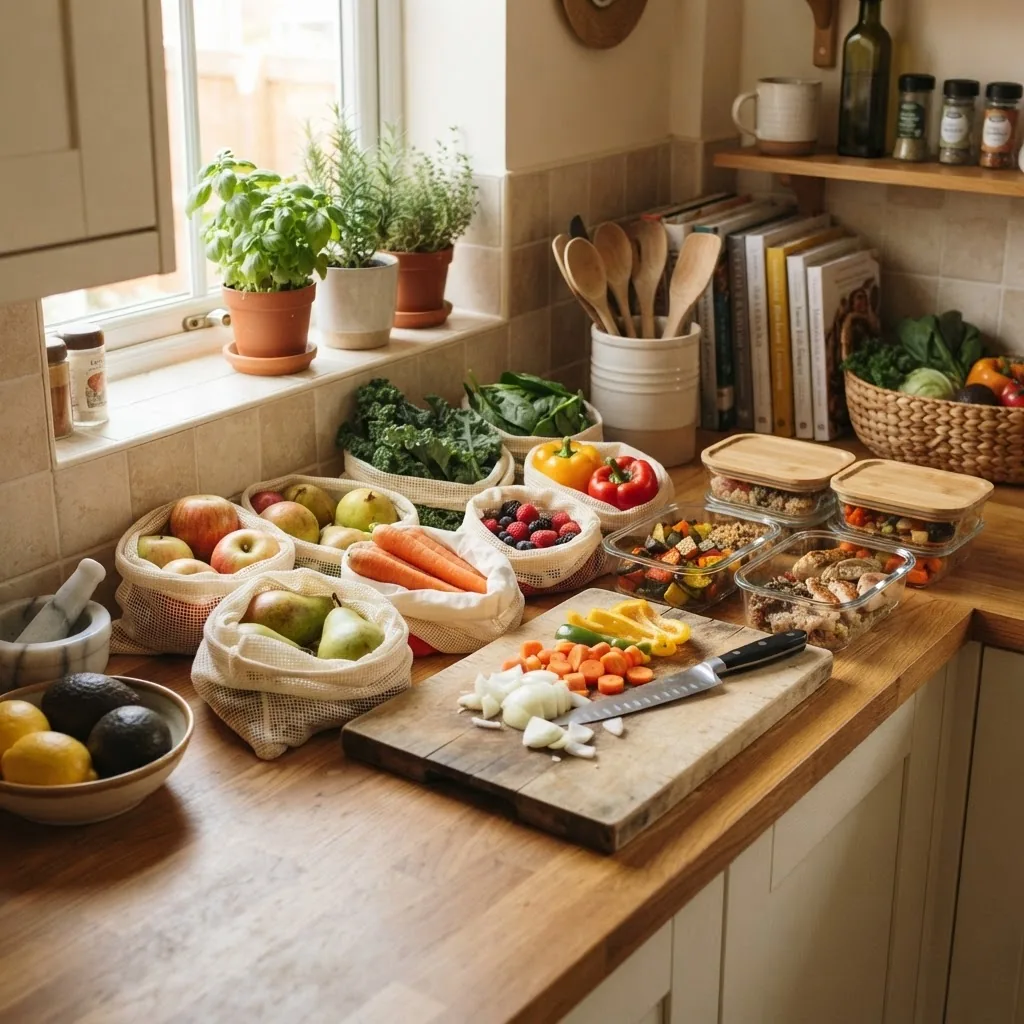
Save time and money by mixing fresh and frozen produce, choosing seasonal Texas-grown items, and using a repeatable prep workflow. Use this list and quick tactics to make the weekly plan low-friction.
- Buy frozen for convenience: Frozen vegetables and berries are picked and flash-frozen at peak ripeness and match or exceed fresh nutrient levels; use them for smoothies or stir-fries when fresh sales are unavailable.
- Shop seasonally in Texas: Visit farmers’ markets for better prices on tomatoes, cantaloupes, okra, and peaches in summer; winter citrus and kale in cooler months. See the fresh fruits and veggies guide for selection tips.
- Storage rules: Keep leafy greens in airtight containers lined with paper towels; store root vegetables in a cool dark place; keep bananas separate to slow ripening. Use a fridge temperature of 34–38°F for leafy greens.
- Cost-saving swaps: Substitute canned beans (rinse to reduce sodium) for fresh legumes when budgets are tight. Buy large bags of frozen spinach rather than small fresh bunches.
- Labeling & rotation: Label containers with cook date; consume prepped produce within 4–5 days. Re-freeze cooked grains only once for safety.
- Explore variety: For more vegetable ideas consult the 100 vegetables name guide to keep meals fresh.
Transition: Even well-planned approaches meet hurdles—next we address the common challenges with practical fixes and evidence.
Addressing Common Challenges and Concerns
Practical FAQ-style responses to the issues readers raise most: protein gaps, meal boredom, concerns about fruit sugar, and budget constraints. Each point includes action steps and when to consult a professional.
Protein deficiency risk
If meals lack concentrated protein, symptoms include fatigue and slower recovery. Mitigation: add a concentrated protein at each meal—15–25 g from legumes, dairy or lean meat. For vegans, consider a daily B12 supplement and test ferritin if symptoms persist. The Academy recommends planned plant-based diets to meet nutrient needs when protein and micronutrient sources are included (source type: professional organization statement).
Meal boredom
Rotate spices and cooking methods: roast, braise, raw, quick-pickle. I (the author) once cycled the same salad and lost compliance; solving it by changing sauces and adding one new vegetable weekly fixed adherence.
Fruit sugar concerns
Whole fruit with fiber rarely spikes blood sugar like juice. Limit fruit to 2–3 servings/day for weight goals and pair with protein or fat. For diabetics, check portions and monitor blood glucose; consult a clinician for individualized advice.
Budget-friendliness
Use legumes, frozen vegetables, seasonal produce and bulk grains. I saved 25% monthly by substituting canned beans and frozen greens while keeping nutrient targets intact (personal case example).
Evidence & safety notes: Epidemiological and intervention studies show diets rich in fruits and vegetables correlate with lower cardiovascular risk and improved weight control over time—see a 2022 NIH meta-analysis for long-term outcomes (source type: peer-reviewed research). For official daily recommendation context, refer to the 2024 USDA dietary guidance: USDA Dietary Guidelines.
Additional resource addressing broad concerns is available at are vegetables bad for you?.
Conclusion and Next Steps
Key takeaways: use a plate model with 50% vegetables, distribute 15–30 g protein per meal, prep twice weekly, favor seasonal Texas produce, and track energy and weight for two weeks to tune calories. Start by building a one-week template and shopping list today; this often takes 2–3 hours and pays off in daily ease and health gains.
If you want a printable version of the sample plan, create a one-page shopping list from the “Produce list and portioning” section and take it to your next market trip.
Common mistakes and how to avoid them
I repeatedly underestimated dinner calories when switching to plant-forward meals and felt unusually hungry. The fix: add 1–2 tbsp healthy fat (olive oil or nut butter) and increase legumes by ¼ cup to stabilize fullness and calories. I also neglected variety; rotating 1 new vegetable per week prevented boredom.
Quick checklist before you call it a plan
- Daily protein target set (g/kg) and applied to meals
- 3 meals + 1–2 snacks template created
- Two meal-prep sessions scheduled and labeled
- Shopping list arranged by store section and season
- Supplements or labs planned if at risk (B12, ferritin)
When to call a professional
Contact a registered dietitian or physician if you are pregnant, breastfeeding, have chronic disease, significant recent weight loss, or suspect micronutrient deficiencies. Use lab tests (ferritin, B12) and personalized energy targets rather than generic rules for these situations.