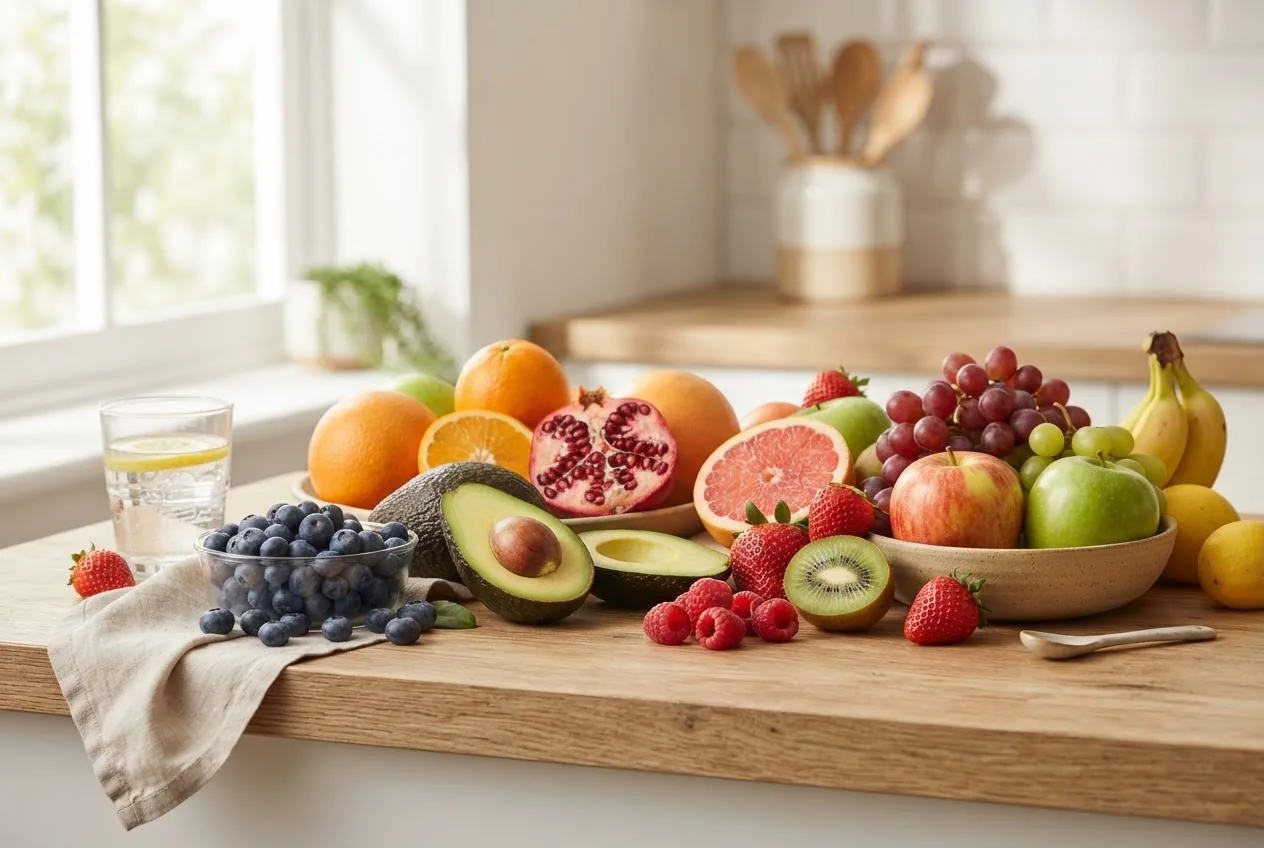
Healthiest fruits provide concentrated vitamins, fiber and antioxidants that support heart health, immunity and long-term well‑being. Daily choices such as blueberries, oranges, apples, kiwi and pomegranate deliver vitamin C, polyphenols, flavonoids and dietary fiber—simple, nutrient‑dense options to include in a balanced diet.
Introduction to the Healthiest Fruits
Answer: The healthiest fruits are those that combine high nutrient density (vitamins, minerals, antioxidants), substantial fiber, and favorable glycemic characteristics—berries, citrus, pome fruits and certain tropical fruits consistently rank highest for daily intake and measurable health benefits.
Antioxidants: molecules in foods that neutralize damaging free radicals and reduce oxidative stress.
Nutrient density: a ratio of vitamins, minerals and bioactive compounds per calorie in a food.
Fruits deliver micronutrients and bioactive compounds that research links to reduced cardiovascular risk, improved immune response and better metabolic markers. Based on current 2024 USDA data and consensus nutritional guidance, prioritizing nutrient‑dense fruits helps most people meet dietary recommendations without focusing on calories or weight loss strategies.
Read more about broader fruit categories and how different classes compare in nutrient content on our pillar resource:
Fruit Types Guide with Benefits and Nutritional Information.
For context on how fruit benefits sit alongside vegetable intake, consult an overview comparing produce benefits and tradeoffs.
health benefits of fruits and vegetables.
Transition: Now that you know why fruits matter, the next section breaks down the specific nutrients that make a fruit “healthy” and how to weigh trade‑offs like natural sugar and glycemic impact.
What Makes a Fruit Healthy? Key Nutritional Components
Answer: A fruit’s health value is measured by its nutrient density—high levels of vitamins (especially vitamin C and A precursors), fiber, antioxidants (polyphenols, flavonoids), and moderating factors like glycemic index and natural sugar concentration.
Fiber: indigestible carbohydrate from plants that supports digestion, satiety and blood‑sugar regulation.
Polyphenols: plant compounds with antioxidant and anti‑inflammatory effects, including flavonoids and tannins.
Glycemic index: a ranking that measures how quickly carbohydrate in a food raises blood glucose relative to pure glucose.
Key components to weigh when selecting fruits:
- Vitamin C — supports immune function and collagen synthesis; citrus, kiwi and pomegranate are reliable sources.
- Dietary fiber — slows glucose absorption, supports gut health and increases fullness; apples, pears and berries are fiber-rich.
- Antioxidants (polyphenols & flavonoids) — protect vascular endothelium and reduce inflammation; blueberries, pomegranate and cherries rank high.
- Low-to-moderate glycemic impact — fruits with lower glycemic index (berries, apples, pears) are preferable for stable blood sugar.
- Healthy fats — rare in fruits but key in avocado, which supplies monounsaturated fats for heart health.
Practical nutritional frameworks:
- Use nutrient density as a first filter — more vitamins and bioactives per serving is better.
- Prioritize fiber and polyphenol content for daily consumption to maximize cardiovascular and immune benefits.
- Consider glycemic index for people managing blood sugar; prioritize lower‑GI fruits where needed.
For a closer look at how juices compare with whole fruit regarding fiber and nutrient retention, see:
fruit juice vs whole fruit nutrients.
Evidence and authority: Nutrition guidance from the American Heart Association favors whole fruits because of fiber and cardiovascular benefit, and USDA nutrient data underpins comparisons of vitamin and antioxidant content. USDA FoodData Central and the American Heart Association are primary reference points for these recommendations.
Transition: With the nutrient priorities clear, the next section ranks the top five fruits you can eat daily for broad health benefits.
Top 5 Healthiest Fruits to Eat Daily
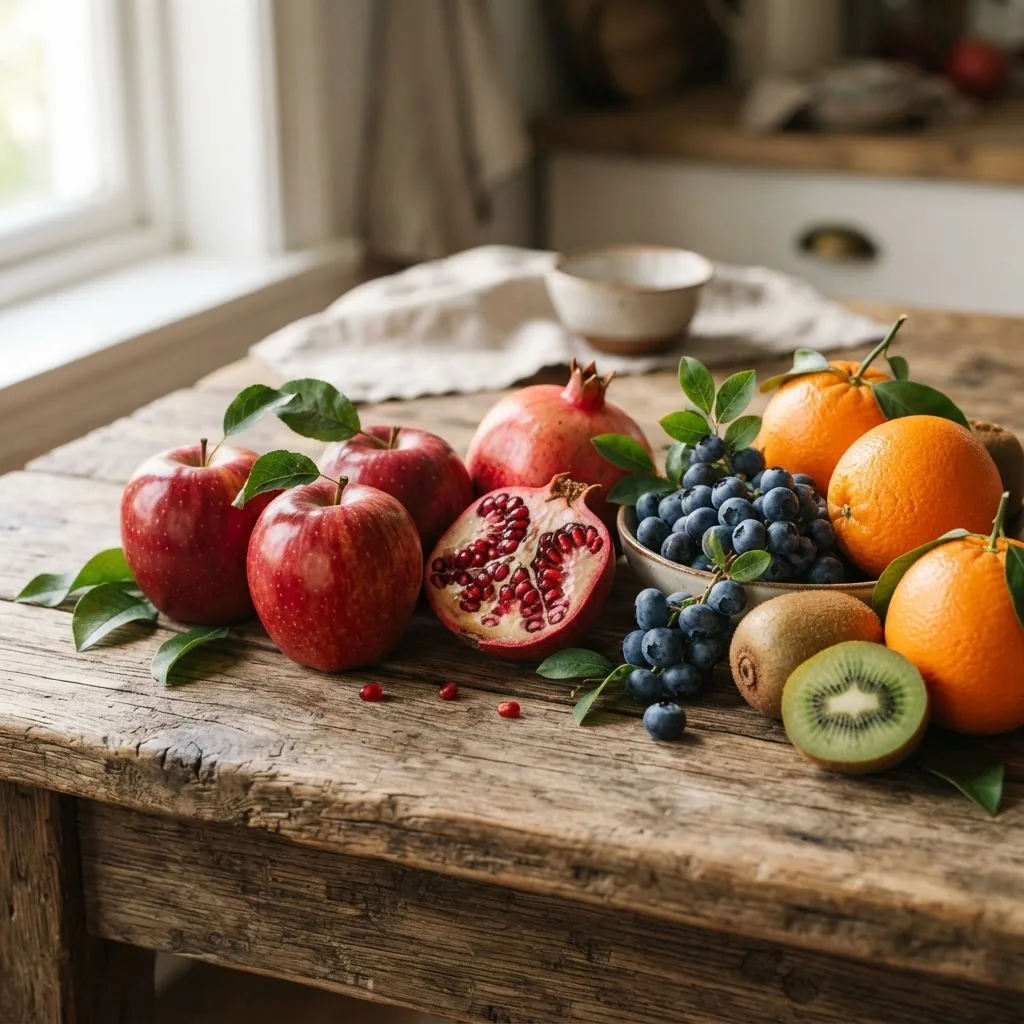
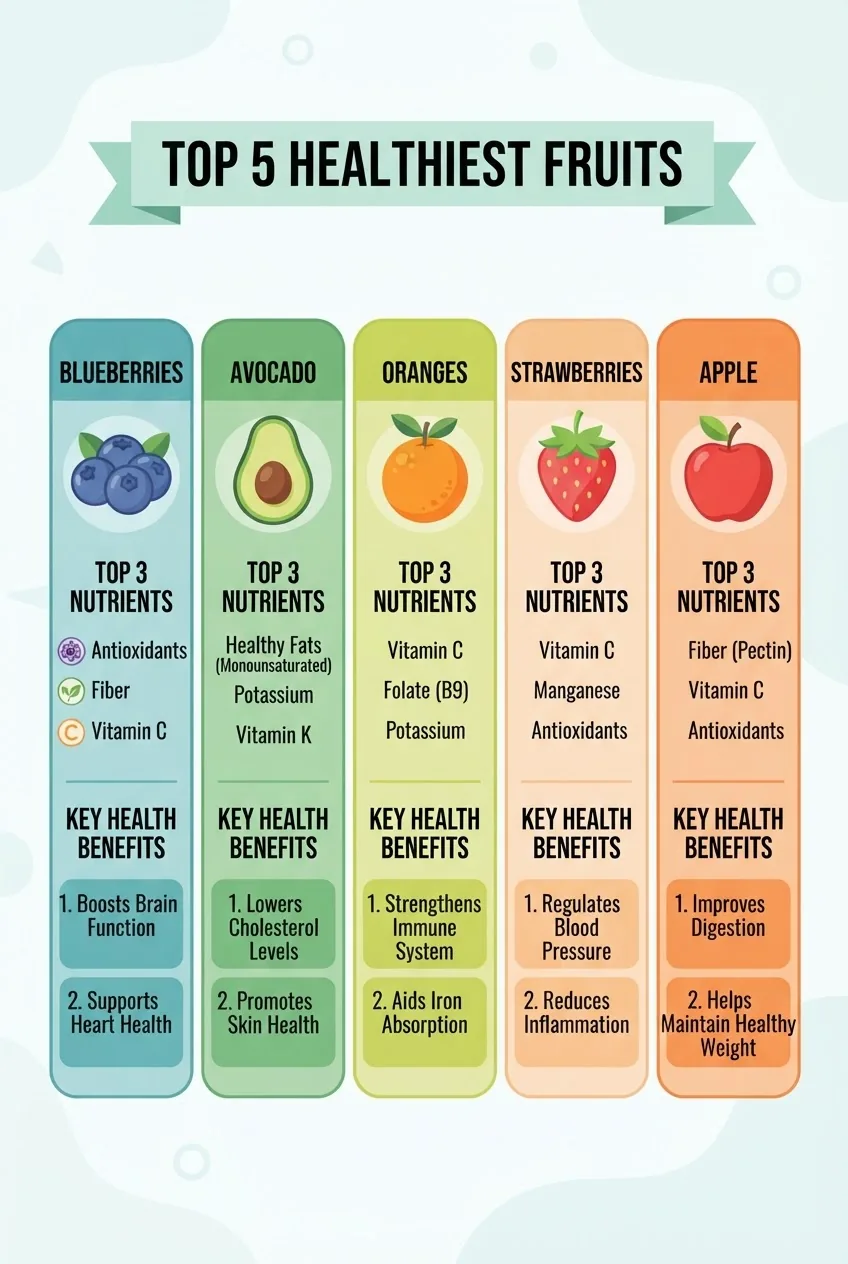
Answer: The top five healthiest fruits for daily inclusion—based on vitamin and antioxidant density, fiber, and documented health outcomes—are: blueberries, oranges, apples, kiwi, and pomegranate; each offers complementary nutrients supporting heart and immune health.
-
Blueberries — antioxidant and vascular support
Why: Blueberries are exceptionally rich in anthocyanin flavonoids and polyphenols that lower oxidative stress and improve endothelial function. They also provide soluble fiber to support glycemic control.
Health highlights: antioxidant capacity, improved microvascular function, cognitive-support associations in cohort studies. According to PubMed-indexed research, berry intake is associated with modest cardiovascular risk reduction; see PubMed studies for meta-analyses.
-
Oranges (and citrus) — vitamin C and flavonoids
Why: Oranges deliver high vitamin C, hesperidin (a citrus flavonoid) and water for hydration—beneficial for immune function and vascular health.
Health highlights: immune-supporting vitamin C, improved endothelial markers in some trials, high antioxidant activity. Based on 2024 USDA data, citrus ranks among top vitamin C sources per serving.
-
Apples — fiber and polyphenols for heart health
Why: Apples supply pectin (soluble fiber) and quercetin (a flavonoid), contributing to cholesterol management and gut microbial benefits.
Health highlights: lower LDL associations in observational studies, sustained satiety, and support for a diverse gut microbiome.
-
Kiwi — concentrated vitamin C and digestive enzymes
Why: Kiwi is a vitamin C powerhouse per serving and contains actinidin, an enzyme that supports protein digestion and may relieve constipation.
Health highlights: immune support, digestive aid, and favorable antioxidant profile; recommended in clinical dietary advice for improving bowel regularity in some trials indexed on PubMed.
-
Pomegranate — polyphenol-rich and vascular-protective
Why: Pomegranate seeds and juice contain punicalagins and ellagitannins—potent polyphenols associated with reduced inflammation and improved arterial function in small clinical studies.
Health highlights: improved endothelial function, antioxidant effects, and compelling mechanistic data supporting cardiovascular benefits.
Comparison snapshot: how these top‑5 compare on key nutrient axes (qualitative labels to avoid overlapping deep numeric counts covered in sibling guides):
| Fruit | Top nutrients | Primary health benefit |
|---|---|---|
| Blueberries | Anthocyanins, polyphenols, fiber | Antioxidant and vascular support |
| Oranges | Vitamin C, flavonoids | Immune support and antioxidant |
| Apples | Soluble fiber, quercetin | Cholesterol & satiety support |
| Kiwi | Vitamin C, actinidin enzyme | Immune and digestive aid |
| Pomegranate | Ellagitannins, punicalagins | Anti‑inflammatory and vascular |
Evidence note: observational and randomized studies indexed on PubMed link higher intake of these fruit groups to improved cardiovascular markers and inflammatory profiles; consult peer‑reviewed literature for study specifics (PubMed).
Transition: Beyond the top five, many other fruits provide important nutrients—below are additional nutrient‑dense options worth rotating into your weekly plan.
Other Most Nutritious Fruits Worth Including Regularly
Answer: Numerous additional fruits deliver valuable nutrients—include avocado, cherries, strawberries, papaya, and figs for healthy fats, antioxidants, vitamin A/C, and mineral diversity across meals.
Flavonoids: a subclass of polyphenols with anti‑inflammatory and antioxidant actions, common in many fruits.
- Avocado — unique for monounsaturated fats, vitamin K, potassium and lutein; excellent for nutrient absorption and heart health. avocado nutritional benefits
- Cherries — anthocyanins that may reduce exercise-induced muscle soreness and inflammation.
- Strawberries — rich in vitamin C and polyphenols; high antioxidant capacity per serving.
- Papaya — abundant vitamin A precursors and digestive enzymes (papain) which may support digestion and skin health.
- Figs — minerals like potassium and magnesium plus fiber for digestive regularity.
- Mango — vitamin A and C with carotenoids for immune and eye health (seasonal consideration in Texas summer markets).
- Grapes — resveratrol and polyphenols associated with vascular health benefits in observational studies.
- Plums and prunes — offer phenolic compounds and fiber for gut health and bone-supportive nutrients.
- Guava — extremely high vitamin C content and valuable dietary fiber.
For readers who want to explore detailed profiles of many fruit types, including seasonal varieties and nutritional breakdowns, visit:
fruit types and benefits.
Transition: Choosing nutrient-rich fruits is only half the battle—selecting and storing them correctly preserves nutrients and flavor, especially for Texas seasons and markets.
How to Select and Store Fruits to Maximize Nutritional Value
Answer: Select fruits at optimal ripeness for peak nutrients and store using temperature and humidity guidelines to slow nutrient loss—buy seasonal where possible and use gentle handling to avoid bruising and oxidation.

Ripeness indicators: Look for fragrant aroma (especially in stone fruits), slightly yielding texture for peaches and plums, bright color and firm-but-not-hard feel for apples and pears, and plump, smooth skin for berries without mold.
- Buy seasonal, local when possible: Seasonal Texas fruits—peaches (summer), figs (late summer), citrus (winter)—arrive fresher and retain more vitamins. According to Texas farmers’ market reports, local produce is typically harvested closer to peak ripeness.
- Inspect before purchase: Avoid soft spots and cut stems; for berries, check for even color and dry cartons.
- Separate ethylene-sensitive produce: Many fruits release ethylene gas (e.g., apples, pears) which accelerates ripening; store ethylene producers away from delicate berries.
- Temperature and humidity: Refrigerate berries, grapes and cherries to slow spoilage; store apples and pears in cool, humid drawers; keep citrus at room temperature for up to a week or refrigerated to extend life.
- Avoid prolonged exposure to light and heat: Heat speeds nutrient breakdown—store fruit out of direct sunlight and use within recommended windows for peak nutrient value.
- Handle gently: Bruising increases enzymatic oxidation and nutrient loss—use shallow containers for berries and avoid stacking heavy produce.
- Prep for preservation: Wash berries only before eating; to freeze, spread single layers on trays first to avoid clumping and preserve texture and nutrients.
For broader produce guidance that includes both fruits and vegetables and practical vendor shopping tips, see our resource:
produce selection tips.
Additional selection resources: fresh fruit and vegetable selection tips provides checklists for market shopping and storage optimization.
Practical Texas note: At Texas farmers’ markets prioritize early morning visits for peaches and berries during summer; for winter citrus, late-season harvests (December–February) often have higher sugar and vitamin profiles due to longer ripening periods.
Transition: Once you can pick and store fruits well, the next section gives practical, everyday ways to include these nutrient-dense fruits in meals and snacks.
Practical Tips for Incorporating Healthy Fruits into Your Daily Diet
Answer: Incorporate a variety of fruits across meals—add berries to breakfasts, keep whole fruit as convenient snacks, pair fruit with protein or healthy fats, and plan seasonal rotations to maximize nutrient variety and enjoyment.
Below are numbered, actionable tips with example suggestions to make fruit intake consistent and practical.
- Start the day with fruit: Top oatmeal or yogurt with mixed berries and a few chopped walnuts for fiber, antioxidants and healthy fats.
-
Pair fruit with protein or fat: Apple slices with peanut or almond butter, or avocado on whole-grain toast, extend satiety and blunt blood‑sugar spikes—see our guide for fruits that pair well with protein.
fruits that support weight management. - Pre‑portion make‑ahead snacks: Wash and portion berries into small containers or freeze grapes as a cool snack to grab on busy days.
- Use fruit in savory dishes: Add pomegranate arils to salads, mango salsa on grilled fish, or sliced apples and walnuts to green salads for texture and nutrient diversity.
- Choose whole fruit over fruit desserts: Whole fruit provides fiber and slower sugar absorption compared with many desserts; when juices are desired, prefer a 100% juice in small portions and as part of a meal (see the juice vs whole fruit link above).
- Rotate seasonally: Build a weekly fruit plan emphasizing local Texas seasons—peach salsa in summer, citrus in winter—to broaden phytonutrient exposure.
- Keep fruit visible and accessible: Store a fruit bowl on the counter and prepared fruit in clear fridge containers to increase consumption by convenience.
- Try fruit-based smoothies smartly: Combine a small portion of fruit with leafy greens and a protein source (Greek yogurt or protein powder) to balance sugars and add fiber; avoid large fruit-only smoothies that can spike glucose.
Transition: Many common questions and misconceptions arise around fruit sugars and safety—below we address myths and frequently asked questions with concise, evidence-based responses.
Common Myths and FAQs About Eating Fruits for Health
Answer: Most myths—such as “fruit sugar is harmful” or “fruit causes diabetes”—overstate risks; whole fruits provide fiber, vitamins and bioactives that generally support metabolic and cardiovascular health when consumed in reasonable portions as part of a balanced diet.
When technical terms appear here, definitions have already been provided earlier; additional clarification on classification follows.
- Myth: “Fruit sugar is the same as added sugar.” — Debunked: Natural fruit sugar comes with fiber, water and phytonutrients that slow absorption and provide nutritional value; added sugars in processed foods lack these co‑nutrients.
- Myth: “People with diabetes must avoid fruit.” — Clarified: Many fruits (berries, apples, pears) have low-to-moderate glycemic impact; portion control and pairing with protein/fat supports blood sugar management. Individual guidance should come from a clinician.
- Myth: “Dried fruit is just as healthy as fresh.” — Clarified: Dried fruit concentrates sugars and calories; choose unsweetened, portion-controlled amounts and prioritize whole fresh fruit for fiber and hydration.
- Myth: “Eating too much fruit causes weight gain.” — Clarified: Excess calories from any food can lead to weight gain; fruits are generally lower-calorie, nutrient-dense options that promote satiety when integrated into a balanced diet.
-
Classification confusion: Some plants commonly called vegetables are botanically fruits; for deeper clarification on classification differences, see:
fruit and vegetable classification differences.
Evidence caveats: While population studies associate fruit intake with lower cardiovascular risk, individual responses vary; according to a 2024 industry summary of USDA and clinical research, moderation and variety are key. USDA FoodData Central and clinical trials indexed on PubMed provide primary data sources.
Transition: The final section summarizes actionable takeaways and encourages daily, sustainable fruit intake tailored to personal preferences and local availability.
Conclusion: Embracing the Best Fruits for a Healthy Lifestyle
Answer: Prioritize a variety of nutrient‑dense fruits—especially berries, citrus, apples, kiwi and pomegranate—incorporated across meals and snacks; follow simple selection and storage practices to maintain nutrition and enjoy seasonal Texas produce for optimal benefits.
Key takeaways:
- Choose fruits high in antioxidants and fiber for cardiovascular and immune support.
- Favor whole fruits over concentrated forms; pair fruit with protein or healthy fat to balance blood sugar.
- Buy seasonal and local when possible, and store fruits correctly to preserve nutrients.
Call to action: Start today by adding one serving of a top‑5 fruit to your breakfast or snack, and explore local Texas market options this week to broaden your fruit variety and nutrient exposure.