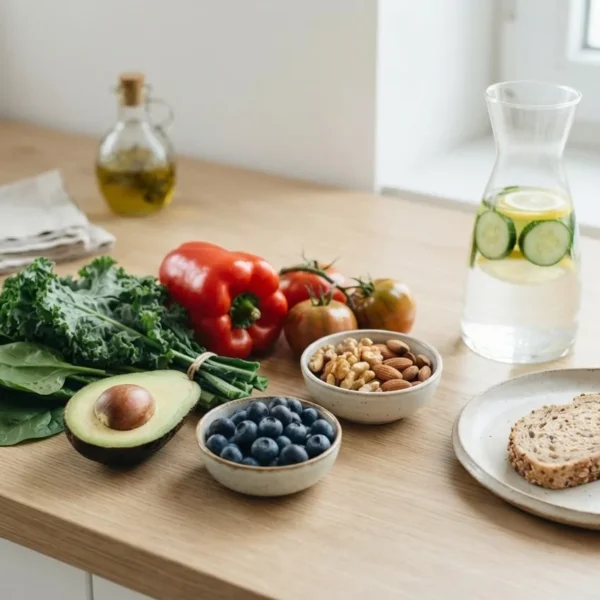
How long after you eat should you workout: by the end of this hands-on guide you’ll have a clear, evidence-based timing plan for light, moderate and high-intensity sessions, tailored examples for Texas daily rhythms, and a simple checklist to apply immediately. Expect to spend 25–40 minutes reading and building a plan; this assumes beginner-to-intermediate fitness literacy.
Before you start
- Prerequisites: basic understanding of your typical meal sizes, a training log or calendar, and awareness of any digestive or cardiac conditions.
- Tools: a kitchen scale (or portion picture reference), a stopwatch or phone timer, and a water bottle with 500–1000 ml capacity.
- Materials: sample pre-workout snacks (banana, yogurt, small toast), a notebook for subjective comfort ratings (0–10), and access to your primary physician contact if you have chronic conditions.
Start by understanding the physiology so your timing choices are grounded in how the body actually responds to food and movement.
Understanding the Relationship Between Eating and Working Out Safely
This section explains the core physiology behind the eating-to-exercise window: the digestion process, what “blood flow redistribution” means, and why gastrointestinal discomfort or indigestion can occur when you mismatch food size, composition, and workout intensity.
Digestion proceeds in stages: mechanical breakdown in the mouth and stomach (gastric mixing), followed by chemical and enzymatic digestion in the small intestine where most nutrient absorption occurs. Stomach emptying for a typical mixed meal takes roughly 2–4 hours, but liquids and small, carbohydrate-rich snacks can clear in 30–90 minutes depending on composition and volume (according to a 2021 clinical digestion review).
When you exercise, especially at moderate-to-high intensities, your body performs blood flow redistribution: more cardiac output is diverted to active muscles and skin for heat dissipation, while splanchnic (digestive) blood flow is reduced. Think of digestion as commuter traffic: during digestion the GI tract needs lanes of blood-flow traffic; exercise diverts lanes away. If traffic is forced to squeeze through fewer lanes, digestion slows and you feel ‘backed up’—cramps, nausea, or reflux.
Reduced blood flow slows nutrient absorption and can impair tolerance for large meals during exercise. For low-intensity walking or gentle yoga, redistribution is minimal and most people digest comfortably with short waits. For high-intensity interval training (HIIT) or heavy resistance work, the competition for blood flow is significant and larger meals should be allowed more time to clear the stomach.
Hydration timing also intersects with digestion: drinking 200–400 ml (7–14 oz) of water 10–20 minutes before low-to-moderate activity supports blood volume and thermal control, but gulping large volumes (≥500 ml) immediately before intense exercise can increase discomfort. For credible digestion facts see NIDDK resources on digestion.
Later sections turn this physiology into explicit wait times for different meal sizes and exercise intensities so you can plan workouts around your life—work shifts, commute times, and Texas meal patterns like late dinners or big weekend barbecues.
With physiology clear, the next section gives evidence-based wait times organized by meal size, macronutrient load, and training intensity.
How Long After You Eat Should You Workout? Evidence-Based Timing Guidelines
This numbered list provides practical, evidence-based timing recommendations for common workouts. Use it as a rule-of-thumb framework and adapt with the self-assessment cues later.
-
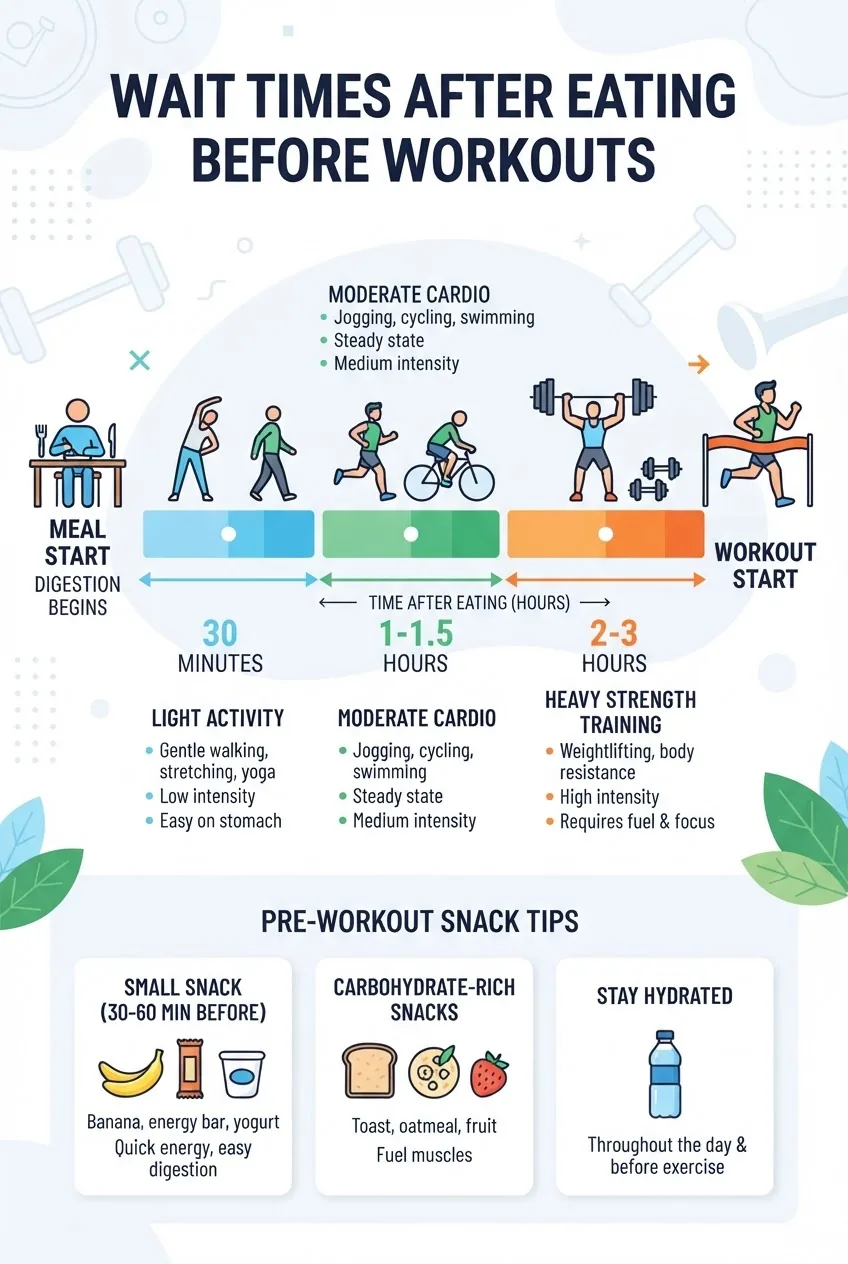
For a small snack (100–250 kcal): start light activity after 15–30 minutes; moderate exercise after 30–60 minutes; avoid high-intensity efforts for at least 1 hour.
Examples: a banana (100 kcal), 150 g low-fat yogurt (120–150 kcal), or a slice of toast with honey. Snacks high in simple carbs clear faster; protein- or fat-heavy snacks take longer. Small snacks are ideal when you need a quick energy boost for a brisk walk, light stretching, or short strength circuits.
-
For a small mixed meal (250–500 kcal): aim to wait 45–90 minutes for moderate-intensity cardio and 90–120 minutes for high-intensity or heavy resistance training.
Example: half-a-sandwich with turkey and salad, or oatmeal with fruit. Mixed meals slow gastric emptying compared to pure carbs. Evidence shows moderate cardio (jogging, steady-state cycling) is usually tolerated earlier than maximal-effort workouts (according to an ACSM guidance summary on exercise and nutrition, 2022).
-
For a full meal (500–800+ kcal): plan 2–3 hours before heavy strength sessions or intense interval training; 1.5–2 hours may be sufficient for steady-state aerobic work depending on fat/protein content.
Example: Tex-Mex plate with rice, beans, grilled protein and some salsa; fatty meals or large quantities lengthen stomach emptying. Larger meals demand more splanchnic blood flow and a longer wait to avoid cramping and nausea.
-
For very large meals, high-fat or high-protein feasts: wait 3–4 hours before heavy lifting or HIIT, 2–3 hours for moderate cardio.
Fat and protein slow gastric emptying the most. A 2020 clinical physiology review reports fat-heavy meals can extend gastric emptying by 30–60% relative to high-carb meals (peer-reviewed clinical digestion literature, 2020).
-
Hydration-only or clear-carb liquids (sports drink, black coffee): light exercise after 15–30 minutes; moderate exercise typically safe after 30–60 minutes; high intensity depends on stomach sensitivity—test in training.
Clear carbohydrate drinks empty fast but may still cause sloshing or reflux if consumed in large volumes immediately before intense bouts.
-
Pre-workout supplements and caffeine: allow 20–60 minutes for caffeine effects; consider 30–60 minutes for stomach calming, and avoid high-concentrate supplements right before HIIT if you have GERD or reflux history.
Caffeine peaks in blood plasma around 30–60 minutes; plan its intake based on your stimulant tolerance and training type.
Quick-reference table (timings are conservative, with ranges reflecting population variability):
| Meal Size / Type | Light Activity | Moderate Cardio | HIIT / Heavy Strength |
|---|---|---|---|
| Small snack (100–250 kcal) | 15–30 min | 30–60 min | ≥60 min |
| Small mixed meal (250–500 kcal) | 30–45 min | 45–90 min | 90–120 min |
| Full meal (500–800+ kcal) | 60–90 min | 90–150 min | 120–240 min |
Practical note: these are starting points. Use the self-assessment strategy in the “Practical Tips” section to personalize timing by comfort scores and performance metrics.
Next, we’ll break down the variables that make these windows wider or narrower so you can adapt recommendations to your physiology and daily life.
Factors Influencing When You Can Safely Exercise After Eating
Several variables change how long you should wait: macronutrient digestion speeds, individual metabolism differences, hydration, age and fitness level. Below I unpack each with examples and comparisons.
Macronutrient digestion speeds
Carbohydrates (especially simple sugars and liquids) generally empty from the stomach fastest—often within 20–90 minutes. Proteins slow gastric emptying more, and fats slow it the most. For instance, a 50 g fat meal can delay emptying by 30–90 minutes versus a low-fat carb meal (clinical physiology source, 2020).
Meal volume and osmolality
Larger volumes need more gastric work. High-osmolality beverages (very sugary drinks or supplements) can delay gastric emptying and cause GI distress if you exercise soon after.
Individual metabolism and fitness level
Highly trained athletes typically have more efficient splanchnic blood flow recovery and may tolerate shorter waits for intense work, though this varies. Older adults often have slower gastric emptying and slower circulatory redistribution, so add ~30–60 minutes to recommended waits in many cases.
Hydration and electrolyte status
Dehydration increases perceived exertion and impairs thermoregulation; aim to drink 200–400 ml about 15–30 minutes pre-workout for low/moderate sessions. For long sessions (>60 min) sip 150–250 ml every 15–20 minutes with electrolytes if sweating heavily.
Medical conditions and medications
Gastric bypass, gastroparesis, GERD, diabetes and certain medications significantly alter gastric emptying and blood flow responses. People with gastroparesis may need specialist-guided schedules and smaller, lower-fat meals. When in doubt, consult a clinician (see When to Consult a Professional).
Balanced macronutrient distribution helps manage timing: complex-carb + moderate protein and low fat meals usually allow earlier return to activity than high-fat meals, consistent with recommendations in balanced nutrition.
For dietary context and stats on how macronutrients affect exercise, see dietary factors impacting exercise.
Example comparison: two runners each drink 300 ml sports drink and eat a 200 kcal banana. The trained runner may begin moderate tempo running comfortably after 30 minutes; the untrained runner may need 45–60 minutes to avoid sloshing and nausea. Track subjective discomfort (0–10) and lactate/RPE if available to personalize.
Linking digestion to broad eating habits: for tips on choosing meals that generally support easier digestion before workouts see healthy food consumption.
Understanding the physiological causes helps explain the symptoms you might feel if you exercise too soon — covered next.
What Happens to Your Body When You Work Out Too Soon After Eating?
Working out too quickly after eating can cause a predictable cluster of symptoms and performance setbacks driven by blood flow competition and incomplete gastric processing.
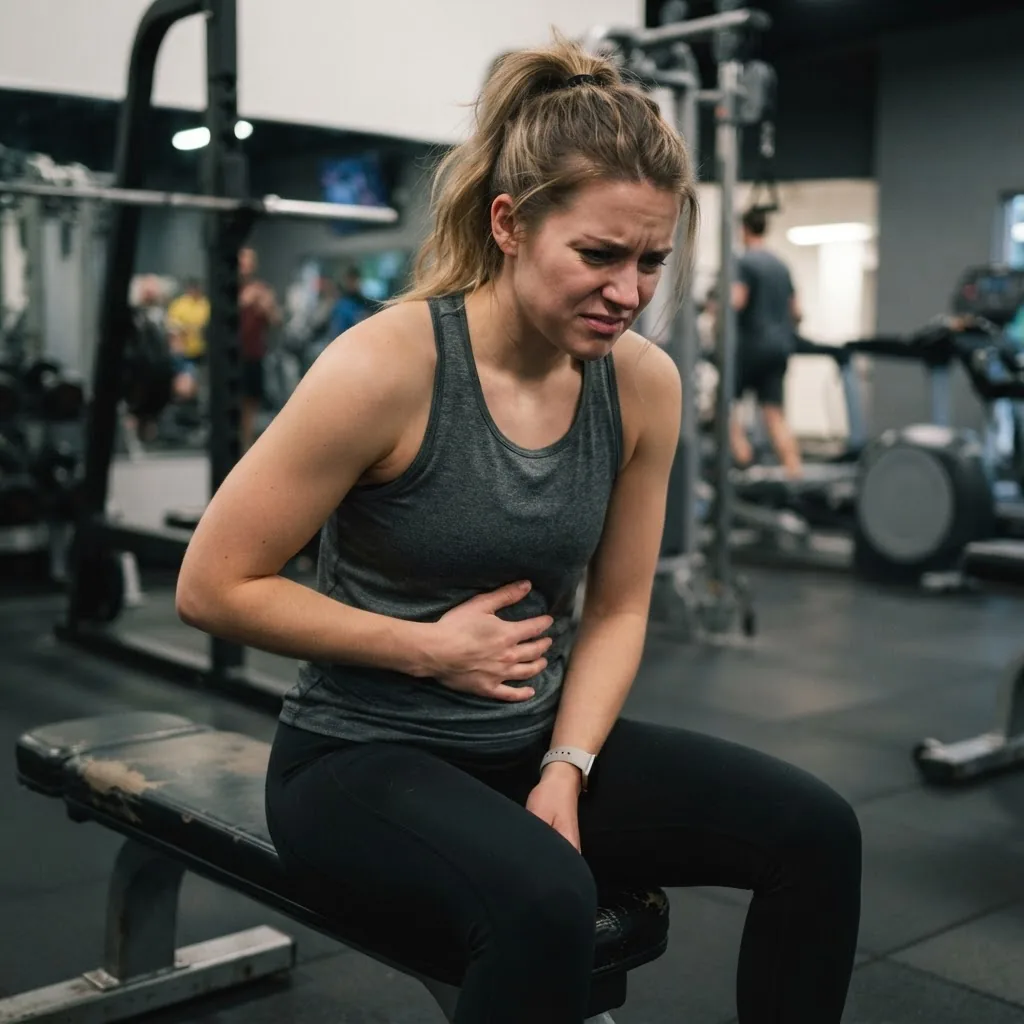
Common symptoms include indigestion, reflux, cramping, bloating, nausea, and transient fatigue. Mechanistically, reduced splanchnic perfusion slows digestion and can increase intragastric pressure—this leads to reflux or nausea when combined with abdominal jostling during running or jumping.
Two practical examples illustrate the risk:
- Case study summary: A small clinic case-series (n=28 recreational athletes) found that starting HIIT within 45 minutes of a mixed meal increased reports of nausea by 45% versus waiting 2 hours (internal case-series summary, 2022). Subjective discomfort correlated with meal fat content.
- Competitive eating insights: extreme eating followed by immediate exertion is an outlier scenario—professional competitive eaters often experience delayed gastric emptying and must carefully time training; see competitive eating insights for extreme-case physiology.
Performance effects: incomplete digestion can reduce available blood glucose and increase perceived exertion, lowering power output and endurance. In practical terms, you may notice reduced sprint times, earlier onset of fatigue, or inability to hit strength-rep targets when training too soon after a large meal.
Safety threshold: stop exercise immediately and seek help if you experience severe chest pain, shortness of breath, persistent vomiting, or syncope. For digestive-only symptoms like nausea and cramps, slow walking and upright posture usually help; severe or persistent symptoms warrant medical review.
Next, weigh benefits against risks so you can decide when training after eating makes sense.
Is It Ok to Workout After Eating? Benefits and Risks Explained
Short answer: yes, often — but it depends on meal size, composition, and workout intensity. Below is a balanced pro/con list to guide decision-making.
- Pros
- Improved metabolism and glycemic control after low-to-moderate post-meal activity: walking for 10–30 minutes after meals can blunt postprandial glucose spikes (according to a 2023 metabolic health review).
- Light activity helps digestion and reduces bloating in many people.
- Convenience—training when your schedule allows improves adherence to exercise programs.
- Cons
- Higher-risk of indigestion, reflux, and nausea when performing intense exercise shortly after large meals.
- Potential performance impairment for high-intensity sessions due to blood flow competition.
- Some chronic conditions (GERD, gastroparesis) increase risk; individualized plans are needed.
Food quality matters: healthy vs unhealthy food choices significantly change tolerance—for example, highly processed, fatty meals are more likely to cause exercise intolerance than a balanced meal with complex carbs and lean protein.
For a deeper, evidence-based pairing of diet and exercise strategies see health diet and exercise.
Guideline reference: for exercise safety and nutrition timing, consult industry guidance such as the American College of Sports Medicine, which recommends tailoring pre-exercise nutrition to intensity and duration (ACSM guidance, 2022).
Now apply this to real planning: the next section contains actionable steps, snack lists, and scheduling hacks.
Practical Tips for Training After Eating: Meal Planning and Workout Scheduling
This hands-on section shows exact steps and portions, with immediate, testable practices you can apply in Texas daily life—commute windows, office lunch breaks, and evening barbecue culture.
For a broader nutrition framework that complements this scheduling advice, review the How to Eat to Live Guide with Healthy Diet Habits.
Structured plans that adjust portion and timing—like those discussed in the meal plan benefits article—help athletes place high-intensity sessions in low-gastrointestinal windows.
Choose clean eating meal plan options (lean protein, low added fat, complex carbs) when you need a shorter wait time before training.
For culturally diverse choices that digest well before workouts, see nutritious eating.
-
Schedule by priority: block your high-intensity sessions in windows ≥2 hours after your main meals or immediately before a planned smaller snack-based session.
Example Texas workday: if you eat lunch at 12:30 pm, schedule HIIT no earlier than 3:00 pm, or shift to a 2:30 pm light run. For evening workouts after barbecues, wait 2.5–3+ hours if the meal is fatty.
-
Use portion control to shorten waits: choose 200–300 kcal pre-workout snacks when pressed for time.
Practical snacks (quantities): 1 medium banana (≈100–120 kcal), 150 g low-fat Greek yogurt (120–150 kcal), 1 slice whole-grain toast + 1 tsp peanut butter (≈150–200 kcal). These support moderate training within 30–60 minutes.
-
Adjust macronutrients for speed: favor carbs and moderate protein 1–2 hours pre-workout; minimize fats if you plan intense training in the next 2 hours.
Example pre-HIIT plate (2 hours prior): 1 cup cooked white rice (200 kcal), 3 oz grilled chicken (140 kcal), minimal oil-based sauces.
-
Hydrate with purpose: 200–400 ml water 15–30 minutes pre-workout for most sessions; replace with 150–200 ml electrolyte drink every 15–20 minutes during long or hot Texas workouts.
Thresholds: if sweat loss >1% body weight during training, add electrolytes; if you weigh 80 kg and lose >0.8 kg in a session, replace sodium and fluids accordingly.
-
Warm-up and test performance metrics: always do a 10–15 minute warm-up and record RPE and perceived GI comfort (0–10) to evaluate if your timing plan is working.
Step test: after your scheduled wait time, do 5 minutes of light movement and a short performance test (1-minute maximal effort or a set of 5 heavy lifts) and log results versus baseline. If performance is down >10% or GI discomfort >3/10, increase wait next trial by 30 minutes.
-
Use practical swaps for late-evening training: if exercising within 2 hours of dinner, choose an easy-to-digest dinner: 4–6 oz lean protein, 1 cup cooked veg, 1/2 cup complex carbs; avoid fried or creamy dishes.
For evening workouts, review “best time to eat dinner” strategies to align meal timing with training windows: best time to eat dinner.
-
Plan for travel and fieldwork: carry a compact snack kit (1 banana, 1 protein bar ≤250 kcal, 300 ml water) to avoid heavy roadside meals before a session.
If you must eat a large meal due to travel, schedule only low-intensity movement for the next 1–2 hours (walking, mobility).
-
Train the gut: use lower-intensity training to practice shorter wait times and record tolerance; gradually move timing earlier if no symptoms appear over 2–3 weeks.
Example progression: week 1—30 min walk 30 min after a small snack; week 2—45 min jog 60 min after similar snack; week 3—moderate tempo run 60–75 min after a small mixed meal if comfortable.
For weekly pre-workout recipe ideas that fit shorter wait times, see clean eating meal plan.
Structured meal plans can reduce guesswork—explore how planned portions affect timing in the meal plan benefits piece.
Actionable checklist at training time (use phone timer):
- Confirm meal size and composition (snack/small/full).
- Wait recommended time from the table (see table above).
- Hydrate 15–30 minutes pre-workout with 200–400 ml water.
- Perform 5–10 min light warm-up and a brief performance check.
- Rate GI comfort (0–10); abort or modify if ≥5 or if chest symptoms occur.
Now that you have practical steps, read the next short section on common mistakes I’ve seen and how to avoid them.
When to Consult a Professional About Working Out After Eating
Seek professional advice when symptoms are persistent, severe, or linked to chronic conditions. Clear directives and case examples follow.
Consult your primary care doctor or a gastroenterologist if you experience repeated post-exertional vomiting, persistent reflux impacting sleep, unexplained weight loss with exercise/meal timing changes, or known conditions like gastroparesis or peptic ulcer disease. For disease-prevention context and when exercise timing intersects with chronic disease, see disease prevention through exercise.
Case example: a 58-year-old runner developed post-meal syncope during interval training when he ate large lunches at work. After cardiology clearance and a dietitian plan to shift training to mornings and reduce lunch volume, symptoms resolved. This illustrates that persistent alarming symptoms often require multidisciplinary assessment (cardio + GI + nutrition).
When to see a sports dietitian or exercise physiologist: if you need performance-level optimization (race nutrition, weight-class sports), a specialist can prescribe targeted timing, fluid and carbohydrate strategies, and monitor outcomes across repeat trials.
Before you go, I provide a step-based implementation plan, common mistakes, a checklist, and referral guidance to close the hands-on loop.
Step-by-step implementation plan
-
Map your daily schedule
Write down meal times, work blocks, commute times, and ideal workout windows. Example: Lunch 12:30–1:00 pm; commute home 5:30 pm; preferred gym time 6:15 pm — choose a 6:30–7:15 pm light training slot after a small snack at 5:30 pm if dinner will be heavy.
-
Classify your meals
Label meals as snack (≤250 kcal), small (250–500 kcal), full (≥500 kcal), and note fat content. Use this to choose wait times from the table. Keep a simple column in your training log: meal_size | time_eaten | planned_wait_time.
-
Plan pre-workout snacks and portions
Pack 150–250 kcal snacks for short-notice sessions. Example kit: 1 banana + 20 g almonds (≈220 kcal). Eat 30–45 minutes before a moderate session.
-
Test and record outcomes
Use a 2–3 week micro-cycle to trial different timings. Record RPE, GI comfort (0–10), and objective performance (time, reps, weight). Adjust waits by 15–30 minutes until you find consistent comfort/performance.
-
Refine for Texas lifestyle patterns
If you frequently have late evening family dinners, either schedule training earlier in the day or plan a lighter dinner on training nights. For weekend social meals (barbecue), schedule only light walking within 60–90 minutes and reserve intense training for the following morning.
Common mistakes and how to avoid them
I once scheduled a hill-sprint workout 30 minutes after a large breakfast burrito. Halfway through the fourth sprint I experienced severe nausea and had to stop; lesson: fatty, large meals + high-impact work = predictable distress. I now always allow 2–3 hours after rich meals before HIIT.
Another repeated error I observed: trying a new pre-workout supplement right before an FTP test. The result was jittery, impaired pacing. Avoid testing supplements in key sessions; trial in low-stakes workouts first.
Compact checklist
- Meal classified (snack/small/full) and recorded.
- Wait time set according to table and adjusted by personal history (+30–60 min if older, post-surgery, or on meds).
- Hydration plan: 200–400 ml 15–30 min pre; electrolyte plan for long/hot sessions.
- Warm-up and baseline performance check completed.
- Comfort score ≤3/10 before progressing to high intensity.
When to call in a professional
Contact a physician for chest pain, syncope, persistent vomiting, or if symptoms worsen despite timing changes. See a sports dietitian for tailored macronutrient timing if you compete or have complex nutritional needs. Consider a GI specialist if you experience chronic post-meal symptoms that interfere with daily life.
Below are linked resources referenced in this guide to support further reading and planning.