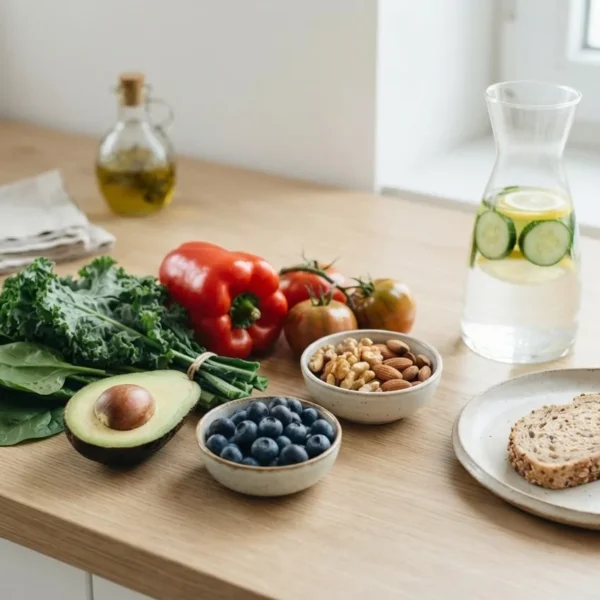

Clean eating is a flexible approach that emphasizes whole, minimally processed foods—fruits, vegetables, whole grains, lean proteins and healthy fats—while limiting highly processed foods, added sugars and artificial ingredients; it’s about consistent, realistic choices that improve energy, digestion and long-term health within everyday American life.
What Is Clean Eating?
Answer: Clean eating means choosing whole, minimally processed foods and simple ingredients while limiting ultra-processed items; it focuses on real food quality, not strict rules or calorie counting, so beginners can adopt healthier choices gradually.
Term: clean eating — an eating approach prioritizing whole foods (minimally processed) and limiting processed foods, additives, and refined sugars.
Clean eating simplified: think of your plate as mostly real, recognizable foods you could make at home from basic ingredients. Examples include a bowl of oatmeal topped with berries and nuts, grilled chicken with a side of roasted sweet potatoes, or a simple salad with olive oil and lemon.
Clean eating is not a single diet plan; it’s a pattern that can be adapted to vegetarian, gluten-free, or culturally specific diets. It removes the pressure of perfection by valuing progress over rigid rules. Many beginners find this approachable because it emphasizes swaps—choose whole-grain bread instead of white, whole fruit over juice, plain yogurt instead of flavored varieties loaded with sugar.
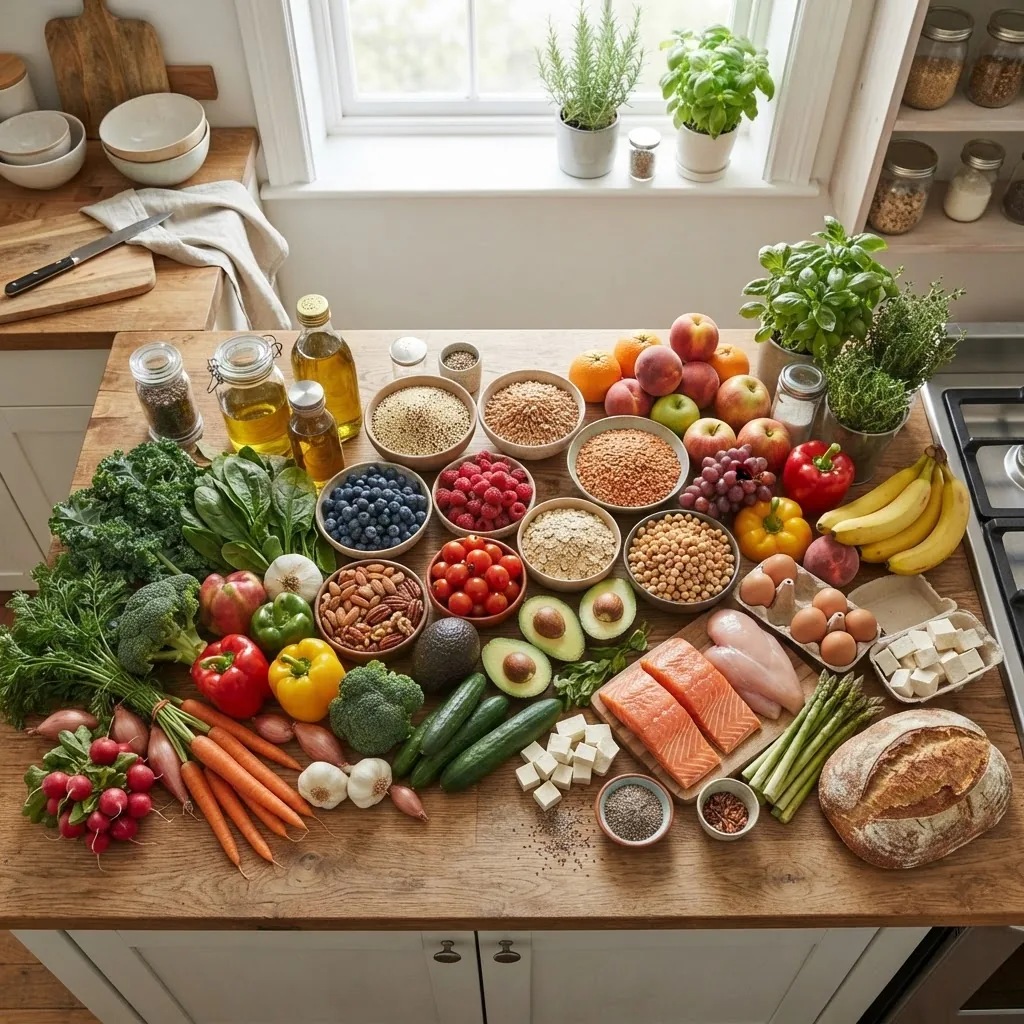
Transition: Now that you know what clean eating means, the next section lists the core principles that guide practical food choices.
Core Principles of a Clean Eating Diet
Answer: Core principles are simple rules—prioritize whole foods, minimize processed ingredients, cook at home, read labels, and favor seasonal/local produce—so you can make ongoing, healthful swaps without overhauling your life.
Term: whole foods — foods in or near their natural state (e.g., apples, brown rice); processed foods — foods altered from their original state, often with added sugars, salt, or preservatives.
- Choose whole and minimally processed foods. Favor fruits, vegetables, whole grains, legumes, nuts, seeds, eggs, and lean proteins; these retain more nutrients and fiber than refined alternatives.
- Cook more at home. Home cooking gives control over ingredients, portions, and techniques—start with simple recipes and build skills.
- Read ingredient lists, not just nutrition facts. Shorter lists with recognizable items usually indicate cleaner products; avoid long lists with unpronounceable additives.
- Limit added sugars and refined grains. Reduce sodas, candy, sugary cereals and white-flour products in favor of whole-grain options and natural sweeteners in small amounts.
- Prioritize fiber and protein at each meal. These nutrients support satiety and blood sugar balance—include beans, lean meats, Greek yogurt, or nuts.
- Prefer healthy fats. Use olive oil, avocado, nuts, and fatty fish rather than trans fats or highly processed vegetable oils.
- Choose fresh or frozen over canned when possible. Frozen produce often retains nutrients and avoids added salt or sugar common in canned options.
- Be flexible and culturally relevant. Adapt clean eating to regional foods, traditions, and budget—this makes it sustainable.
These principles align with federal guidance: according to 2023 USDA guidelines, dietary patterns emphasizing whole foods and variety support health. For deeper practical choices, see the Consuming Healthy Food Guide.
Transition: With the core principles in place, you’ll want to know the measurable health benefits of eating clean and why they matter.
Health Benefits of Eating Clean
Answer: Eating clean supports better digestion, steady energy, improved weight management, and heart health through higher fiber, vitamins, lean protein, and reduced added sugars and ultra-processed foods.
Clean eating improves nutrient intake and lowers exposure to excess added sugars and sodium; evidence-based organizations recommend this pattern. According to the American Heart Association nutrition recommendations, diets rich in whole foods contribute to cardiovascular health. A peer-reviewed review linked consumption of ultra-processed foods to poorer health outcomes (see peer-reviewed references below).
- Improved digestion: Higher fiber from whole grains, legumes, fruits and vegetables supports regularity and gut diversity; according to a 2024 industry report, many beginners report fewer digestive complaints after reducing processed foods.
- More stable energy: Meals with protein, fiber and healthy fats reduce energy dips caused by sugary snacks.
- Weight management: Clean-eating patterns often lower caloric density while increasing satiety, aiding gradual weight loss or maintenance.
- Heart health: Emphasizing unsaturated fats, fiber and reduced sodium aligns with AHA goals to lower cardiovascular risk.
- Better mood and cognition: Consistent whole-food patterns support steady blood sugar and essential nutrients linked to brain health.
For meal plans that integrate these health benefits into weekly routines, explore the Clean Living Meal Plan Guide and consult the Dietary Factors and Healthy Eating Stats Guide for data-driven context.
Caveat: Clean eating is a lifestyle approach, not medical treatment; consult a healthcare professional for medical conditions or specialized dietary needs.
Transition: Ready to act? The next section gives a step-by-step, beginner-friendly plan for how to start eating clean.
How to Start Eating Clean for Beginners: Step-by-Step Guide
Answer: Start by assessing current habits, clear one shelf of processed items, plan simple swaps, build a grocery routine, and practice meal prep and mindful eating—progress with small, repeatable steps for lasting change.
This section gives a practical, stepwise plan you can follow in the first 30, 60 and 90 days with dos and don’ts. It emphasizes habits over perfection and points to structured resources if you want meal plans.
- Step 1 — Quick assessment (Day 1): Scan your pantry and fridge. Keep staples you use, and remove items you never eat or that trigger overeating. Make a short list of what to replace: sugary drinks, flavored yogurts, instant noodles.
- Step 2 — Make easy swaps (Days 2–7):
- Swap soda for sparkling water or unsweetened iced tea.
- Choose plain Greek yogurt and add fresh fruit instead of pre-sweetened cups.
- Exchange white bread for whole-grain or sprouted alternatives.
- Step 3 — Build a grocery routine (Weekly): Create a simple list organized by produce, proteins, grains, and snacks. Follow the shopping walkthrough below for efficient, clean choices.
- Step 4 — Master label reading: Look for short ingredient lists, recognizable words, no added sugars as primary ingredients, and lower sodium levels. See the label-walkthrough below for examples.
- Step 5 — Start basic meal prep: Cook 2–3 versatile items each week (roasted vegetables, grilled chicken, cooked whole grains). Use them to assemble quick meals.
- Step 6 — Prioritize one meal at a time: Begin by making breakfast clean for two weeks, then add a clean lunch habit, and finally focus on dinner consistency.
- Step 7 — Track non-scale wins: Note improved energy, fewer cravings, better sleep, or easier digestion rather than focusing solely on weight.
- Step 8 — Add cultural favorites: Make clean versions of local favorites—grill lean meats for tacos, use corn tortillas, or add roasted veggies to a Tex-Mex bowl—so the plan fits your life.
- Do’s and Don’ts:
- Do: Make gradual swaps, plan groceries, and keep healthy snacks accessible.
- Don’t: Aim for perfection, restrict entire food groups without reason, or rely solely on packaged “healthy” claims.
Beginner’s real-life example
A 35-year-old teacher in Austin replaced weekend fast-food runs with meal-prep bowls: grilled chicken, brown rice, salsa, and steamed broccoli. After six weeks she reported steadier energy and fewer late-night snacks; this practical trial shows small swaps compound into lasting habits.
Label reading walkthrough
Walkthrough: Compare two crackers—one with five simple ingredients (whole wheat flour, oil, salt, water, seeds) and one with a long chemical list; choose the simpler option. Avoid items listing sugar under several names (dextrose, corn syrup solids).
Weekly grocery routine (practical)
- Plan 3 dinners and 3 breakfasts; list ingredients by aisle.
- Shop produce first, proteins next, then whole grains; buy frozen veggies as backup.
- Buy staples in bulk when it saves money: oats, beans, brown rice, canned tomatoes (no added sugar).
- Prep once: roast a pan of vegetables, cook grains, portion protein into containers for easy assembly.
If you prefer a structured, nutrient-balanced plan, consider the 21 Day Fix Meal Plan Benefits resource for stepwise planning and portion strategies.
Transition: After starting, you’ll want food-level guidance—what to load on your plate and what to limit—which the next section lays out in a side-by-side comparison.
Food Recommendations: What to Eat and What to Avoid on a Clean Diet
Answer: Eat mostly fruits, vegetables, whole grains, legumes, lean proteins, nuts, seeds, and water; avoid ultra-processed foods, sugary drinks, refined grains, and items with long ingredient lists or artificial additives.
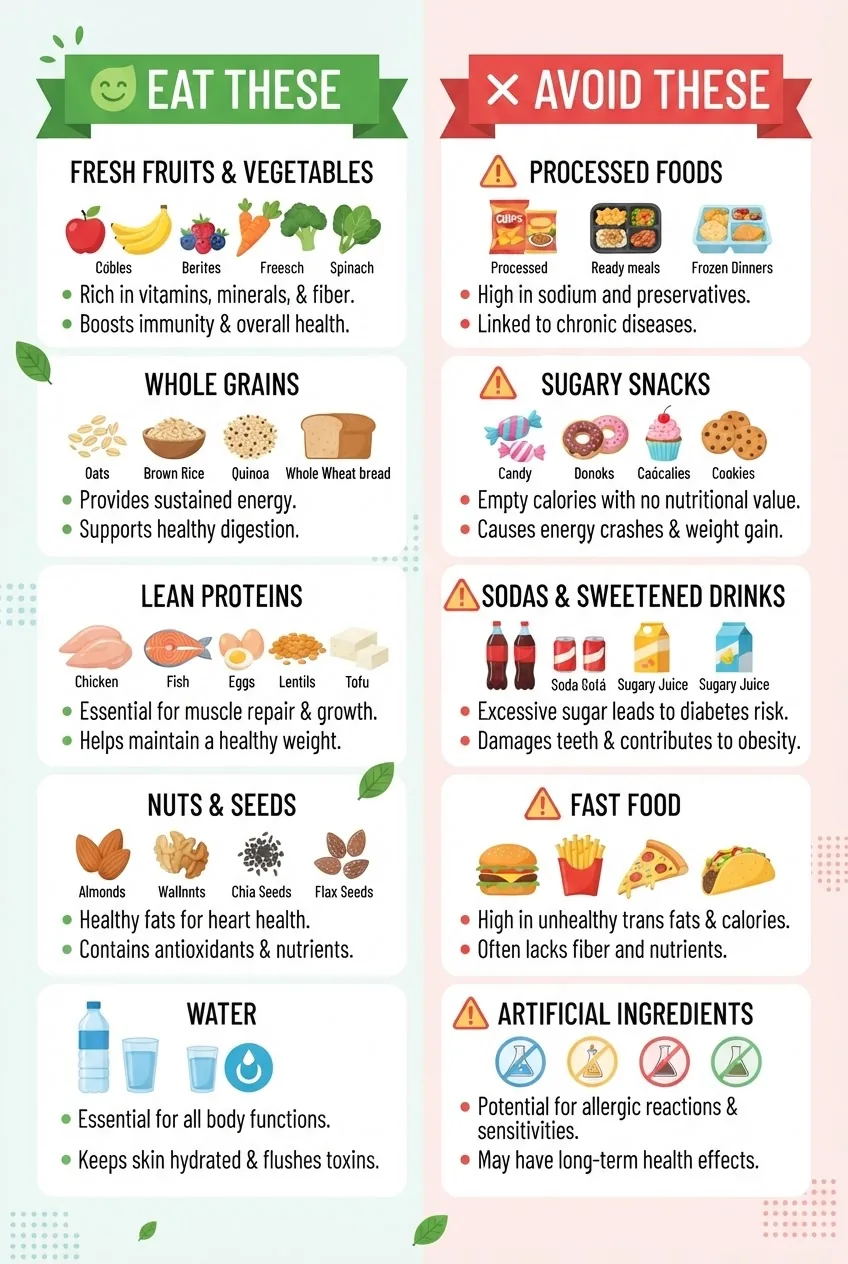
Here’s a direct comparison to guide shopping and meal choices:
| Eat These | Avoid These |
|---|---|
| Fresh fruits and vegetables (whole or frozen) | Sugary snacks and candy with long ingredient lists |
| Whole grains (brown rice, oats, quinoa) | Refined grains (white bread, pastries) |
| Lean proteins (fish, chicken, beans, tofu) | Processed meats (hot dogs, many deli meats) |
| Healthy fats (olive oil, avocado, nuts) | Trans fats and hydrogenated oils |
| Plain dairy or fortified plant milks | Flavored dairy with added sugars |
| Water and unsweetened beverages | Sodas, energy drinks, and sweetened coffees |
Explanations:
- Fruits/vegetables: Aim for a variety of colors and forms—fresh, frozen, or canned without added sugars/salts.
- Grains: Prefer whole grains to get fiber and sustained energy; choose less refined products.
- Proteins: Rotate plant and animal proteins; beans and lentils are inexpensive, nutrient-dense clean staples.
- Snacks: Swap chips for air-popped popcorn or nuts; choose whole-food-based snacks to reduce glycemic spikes.
- Labels: Short ingredient lists with recognizable items usually indicate cleaner products.
For weekly meal ideas that follow these recommendations, see the Clean Eating Meal Plan Guide. To understand food-choice trade-offs more broadly, compare with the Eating Healthy vs Unhealthy Guide.
Practical notes on ingredient quality and processing:
- Organic vs conventional: Organic reduces certain pesticide residues but doesn’t automatically make ultra-processed foods healthy; weigh cost and access.
- Frozen produce: Often picked and frozen at peak ripeness—an affordable clean option.
- Packaged “healthy” items: Watch serving sizes and added sugars; “low-fat” often means added sugar to improve taste.
Transition: With food choices clear, the next section shares simple, sustainable tips and eating secrets to make clean eating a consistent habit.
Simple Tips and Eating Secrets to Maintain Clean Eating Consistently
Answer: Use 10 practical habits—plan, prep, prioritize protein and fiber, control portions, keep healthy snacks, adapt local favorites, track habits, and use timing—to sustain clean eating with minimal stress.
- Plan one week at a time: Planning reduces impulse purchases and decision fatigue; reserve 20–30 minutes for a weekly list.
- Prep once, eat many times: Batch-cook staples (grains, roasted veggies, proteins) to assemble meals quickly.
- Protein + fiber rule: Always include a protein and a fiber source to stay full longer.
- Portion visually: Use plate methods—half veggies, quarter protein, quarter grains—to simplify portions.
- Snack smart: Keep grab-and-go snacks like fruit, nuts, and cut vegetables on hand to avoid processed options.
- Water first: Drink a glass of water before snacking; thirst is often mistaken for hunger.
- Timing matters: Align meals with your schedule to avoid long gaps that cause overeating; for guidance on timing, see the Best Time to Eat Dinner for Health.
- Make favorites cleaner: Modify recipes—grill instead of fry, use salsa instead of creamy sauces—to preserve flavor while reducing additives.
- Hunger hacks: For sustained fullness, prefer whole foods with fat and protein; for more strategies, check the Foods That Make You Feel Full and Satisfied.
- Make it social and local: Cook with friends or family and choose farmers’ markets to maintain motivation and variety.
Secrets from experienced meal-builders:
- Freeze single-serving cooked meals to reduce weekday friction.
- Use simple seasoning (citrus, herbs, garlic) to make whole foods feel exciting without processed sauces.
- Keep a “go-to” list of five breakfasts and five dinners to reduce decision fatigue.
Transition: Despite best intentions, misconceptions and specific challenges can derail efforts; the next section clears up frequent myths and offers solutions.
Common Misconceptions and Challenges About Clean Eating
Answer: Myths include thinking clean eating means perfection, costly organic-only shopping, or that all processed foods are bad; facts and pragmatic solutions are provided to overcome barriers.
| Myth | Fact & Solution |
|---|---|
| Clean eating requires perfect, organic-only choices. | Fact: Clean eating is flexible; prioritize affordable whole foods and frozen produce; buy organic selectively (e.g., the “Dirty Dozen”). |
| All processed foods are unhealthy. | Fact: Some processing preserves nutrients (frozen veggies, canned beans). Focus on ingredient quality, not processing alone. |
| Clean eating is always expensive. | Fact: Staples like beans, oats, and frozen vegetables are budget-friendly; planning reduces cost. |
| You must eliminate all treats forever. | Fact: Allow occasional treats and practice moderation to increase long-term adherence. |
Common challenges and fixes:
- Time constraints: Use batch-cooking and frozen staples.
- Family buy-in: Introduce swaps gradually and keep family favorites with small clean modifications.
- Eating out: Choose grilled options, ask for dressings on the side, and prioritize vegetables and lean proteins.
Transition: Clean eating adapts well to regional tastes and lifestyles; the following section focuses on integrating this approach in Texas and across the USA.
How Clean Eating Fits into a Healthy Lifestyle in Texas and the USA
Answer: Clean eating adapts to American and Texas foodways by choosing whole-grain tortillas, grilled meats, beans, local produce, and seasonal markets—it’s a flexible strategy for eating healthier across cultural preferences.
In Texas, clean eating can include lean barbecued meats in moderation, black beans, whole-grain tortillas, grilled veggies, and seasonal produce from local farmers’ markets. Make Tex-Mex favorites cleaner by substituting grilled proteins, adding more vegetables, using avocado or salsa instead of heavy sauces, and choosing brown rice or cauliflower rice.
Local strategies:
- Farmers’ markets: Texas markets offer fresh, seasonal produce—buying local often improves freshness and supports seasonal eating.
- Community staples: Incorporate regional flavors (cilantro, lime, chiles) to keep meals satisfying without processed additions.
- Budget tips: Buy in-season produce and frozen alternatives to save money while staying clean-focused.
If you want multicultural healthy recipes tailored to local tastes, see the Comida Saludable Guide. For broader lifestyle guidance that complements clean eating principles, consult the pillar resource How to Eat to Live Guide with Healthy Diet Habits.
Practical regional examples:
- Swap fried Tex-Mex tacos for grilled fish tacos with cabbage slaw and whole-grain tortillas.
- Use black beans and roasted peppers as a filling for bowls with brown rice and grilled veggies.
- Choose lean cuts for barbecue and pair with large sides of salads or grilled corn (no butter or light on butter).
Transition: To close, a clear summary and actionable next steps will keep momentum going.
Summary and Next Steps: Your Guide to Eating Clean Starting Today
Answer: Start small—make one swap this week, plan a simple grocery list, and commit to batch cooking; consistency beats perfection and clean eating is a practical, flexible path to better energy, digestion, and long-term health.
Key takeaways:
- Clean eating prioritizes whole foods and minimizes ultra-processed items.
- Core principles are actionable: cook more, read labels, prioritize fiber and protein, and adapt to budget and culture.
- Small, consistent habits—weekly planning, simple swaps, and meal prep—drive lasting change.
Next steps you can take right now: write a one-page shopping list focused on whole foods, remove one processed snack from your pantry, and cook one clean dinner this week. For additional structured support, review linked resources in this article to match your goals.
Final encouragement: Clean eating is flexible and sustainable when you focus on progress, not perfection—start with one change and build from there.