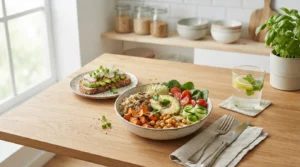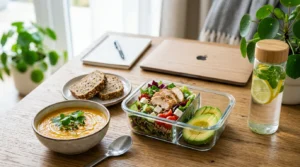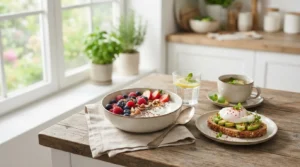
Light dinners can change weeknight routines: they keep plates balanced, cooking time low, and family energy up for homework, play, or weekend plans. This guide delivers healthy, easy, family-friendly light and easy dinner ideas, step-by-step meal-planning strategies, Friday dinner options, and time-saving techniques for busy weeknights.
Introduction to Light Dinners for Families
Light dinners are meals designed to be lower in calories and volume than heavy evening meals while still providing balanced nutrition. For families, they deliver a practical middle ground: satisfying, nourishing meals that don’t take hours to prepare or leave everyone sluggish. This article covers what makes a dinner “light,” why families benefit, simple recipes that work on weeknights, Friday night upgrades, meal-planning strategies, dietary adaptations, and tips to keep kids engaged at the table.
Think of a light meal for dinner as assembling a plate like a puzzle — one piece lean protein, one piece vegetables, a small whole-grain or starchy side, and a touch of healthy fat. You’ll get recipe ideas for quick light dinners, seasonal swaps for variety, and family-tested prep tips that reduce stress and increase enjoyment.
Yummiest Healthy Recipes Guide with Nutrition Facts and Tips
healthy dinner ideas
Benefits of Light Dinners for Health and Family Wellbeing
Light dinners benefit both physical health and household routines. Nutritionally, they reduce late-evening calorie density, often improve digestion before bedtime, and support gradual weight management. From a family wellbeing perspective, lighter dinners are faster to cook, easier to customize for kids and adults, and help keep mealtimes pleasant without long cleanup or heavy leftovers.
Below is a brief stat block summarizing common nutritional and health benefits associated with lighter evening meals.
| Benefit | Typical Effect / Range | Source |
|---|---|---|
| Calorie control | 300–600 kcal per person typical target for light dinners | government dietary guidance summary (2024) |
| Improved sleep/digestion | Reduced late-night indigestion and sleep disruption reported with lighter meals | peer-reviewed nutrition review (2022) |
| Better family routines | Shorter cook/clean times — average weeknight meal time down by 15–30 minutes | consumer meal-timing survey (2024) |
| Balanced nutrients | Higher vegetable and fiber intake when meals emphasize plant sides | public health nutrition report (2023) |
For calorie-focused planning, explore targeted calorie resources that show practical meal targets — for example, 400 calorie healthy meals concepts can be adapted to dinner portions to keep evening intake moderate.
Health authorities back balanced but moderate evening meals. For general guidance on meal patterns and nutrient balance, consult trusted sources like the USDA dietary guidance, the American Heart Association, and university nutrition resources for evidence-based recommendations.
USDA Dietary Guidelines |
American Heart Association |
Harvard Nutrition Source
Transition: Now that you understand the advantages of light dinners, let’s break down the essential components to build balanced, kid-friendly, and quick evening meals.
Essential Components of Healthy Light Dinner Recipes
When planning a light supper recipe, include components that create nutritional balance and satiety without excess calories. Below are the core building blocks to use as a template.
- Lean proteins — Proteins keep you full and preserve muscle mass. Examples: fish, seafood, beans, lentils, tofu, low-fat dairy, lean cuts of pork or turkey. Aim for 3–4 ounces cooked per adult serving; for children scale down.
- Vegetables (non-starchy) — Fill half the plate with colorful, fiber-rich veggies to increase volume and nutrients for relatively few calories. Roasting, steaming, or quick sautéing keeps prep quick.
- Whole grains or starchy vegetables — A small portion (½ to 1 cup cooked) of quinoa, brown rice, whole-wheat pasta, sweet potato, or winter squash provides comfort and sustained energy.
- Healthy fats — Small amounts of olive oil, avocado, nuts, or seeds add flavor and support absorption of fat-soluble vitamins. Use fats intentionally — about 1 tablespoon per serving.
- Fiber sources — Beans, lentils, vegetables, whole grains, and fruits boost fiber, supporting digestion and fullness; aim for a dinner that contributes at least 5 grams toward daily fiber goals.
- Flavor builders — Herbs, spices, citrus, vinegars, and low-sodium condiments add taste without high calories or salt. Low-sodium sauces and DIY dressings control added sugars and sodium.
- Portion control — Use simple visual cues: palm-sized protein, fist-sized grain, two cupped hands of vegetables for adults; half those sizes for younger children. Portion control helps maintain targets like 500 calorie dinner recipes or the upper-range 600 calorie dinner guide when needed.
- Hydration and light sides — Offer water or herbal tea and small fresh sides (fruit salad, cucumber slices) instead of calorie-dense desserts to round out the meal.
Trade-offs: Speed vs. nutrition. Batch cooking proteins (e.g., roasted chicken, baked tofu), pre-chopped vegetables, and using one-pan cooking can save time with minimal nutritional compromise. “Batch cooking” means preparing larger quantities of a component to portion and reuse across meals, saving 10–30 minutes across several weeknights.
Transition: With components clear, let’s look at actual easy light dinner recipes that families can make on busy weeknights.
Easy Light Dinner Recipes for Weeknights – Quick and Healthy
Below are 10 family-friendly light dinner ideas designed for fast preparation, balanced nutrition, and kid appeal. Each entry lists a short description, estimated active prep + cook time, and an approximate calorie range per serving. Many of these work as one-pan meals or in 30 minutes and are adaptable for batch cooking.
-
Mediterranean sheet-pan fish with roasted veggies
Description: White fish fillets (cod or tilapia) baked with cherry tomatoes, bell peppers, zucchini, olives, and lemon. Finish with parsley and a drizzle of olive oil.
Time: 25–30 minutes
Calories: 350–450 kcal
Family tip: Serve with quick couscous or whole-grain pita for dipping. -
Veggie-packed turkey and quinoa skillet
Description: Lean ground turkey sautéed with bell pepper, spinach, corn, and cooked quinoa; seasoned with cumin and lime.
Time: 25 minutes
Calories: 400–500 kcal
Swap: Use plant-based crumbles or lentils for a vegetarian version. -
One-pot lemon garlic pasta with broccoli and chickpeas
Description: Whole-wheat pasta cooked with broccoli florets and chickpeas; tossed with lemon, garlic, and a spoon of olive oil to finish.
Time: 20–25 minutes
Calories: 450–550 kcal
Kid-friendly tweak: Grate mild cheese on top for picky eaters. -
Sautéed shrimp with cauliflower rice and snap peas
Description: Pan-seared shrimp tossed with garlic, ginger, snap peas, and pre-riced cauliflower for a low-carb, light plate.
Time: 15–20 minutes
Calories: 300–400 kcal
Pro tip: Use frozen riced cauliflower to shave prep time.
versatile chicken recipes -
Miso-glazed salmon bowls with steamed greens
Description: Salmon fillets broiled with a light miso glaze; plated over brown rice and steamed bok choy or kale.
Time: 25 minutes
Calories: 400–550 kcal
Nutrition note: Salmon adds heart-healthy omega-3 fats; portion to family appetite. -
Black bean and sweet potato tacos
Description: Roasted sweet potato cubes and black beans in warm corn tortillas with avocado and salsa.
Time: 30–35 minutes (roast can be prepped ahead)
Calories: 350–500 kcal (2 tacos)
Family-tested trick: Offer a taco bar for kids to build their own plates. -
Greek yogurt chicken salad on mixed greens
Description: Shredded rotisserie or pre-cooked chicken mixed with plain Greek yogurt, grapes, celery, and walnuts; served on a bed of mixed greens.
Time: 10–15 minutes (use cooked chicken)
Calories: 300–420 kcal
healthy chicken breast recipes -
Stir-fried tofu and mixed vegetables with soba noodles
Description: Firm tofu quickly stir-fried with carrots, broccoli, mushrooms, and soba noodles tossed in low-sodium soy and sesame oil.
Time: 20–25 minutes
Calories: 400–520 kcal
Vegetarian option: Keep tofu and add edamame for extra protein. -
Hearty lentil soup with a side spinach salad
Description: Simmered lentils with onion, carrot, celery, tomatoes, and herbs served with a lemony spinach salad.
Time: 30–40 minutes (or make in advance and reheat)
Calories: 350–450 kcal
Comfort variant: On cold nights, swap to a warming stew from our cold-weather guide.
comforting light dinners for cold weather -
Shrimp and white bean salad with citrus vinaigrette
Description: Cold or warm shrimp paired with cannellini beans, arugula, cucumber, and a lemon-orange vinaigrette.
Time: 15–20 minutes
Calories: 300–420 kcal
Make-ahead: Beans and dressing can be prepped earlier in the day.
Family-tested tip: pick two core proteins to prep on Sunday (e.g., roasted salmon and baked tofu). Use them across 3–4 dinners to speed weeknight assembly while staying varied with sides and sauces.
Healthiest Frozen Meals Guide to Choosing Nutritious Frozen Foods
Transition: Weeknight recipes are practical, but Friday nights often call for something slightly more relaxed—below are light dinner ideas that feel a bit celebratory without undoing healthy intentions.
Light Dinner Ideas for Fridays and Weekend Transitions
Friday dinners can be lighter but a bit more festive — think fun presentation, one special ingredient, or a communal “build-your-own” setup. These options keep the meal approachable while marking the end of the week.
- Lemon herb grilled fish tacos with cabbage slaw — quick grill or pan-sear, serve with small corn tortillas and bright slaw. Time: 20–30 minutes.
- Flatbread pizzas on whole-wheat naan with ricotta, cherry tomatoes, arugula, and a drizzle of balsamic. Time: 20 minutes.
- Grilled vegetable and halloumi skewers with quinoa tabbouleh — slightly dressy but still light. Time: 30 minutes.
- Asian-style lettuce wraps with ground turkey or tempeh, water chestnuts, and a hoisin-yogurt sauce. Time: 20–25 minutes.
- Seafood paella for two-to-four in a shallow pan using brown rice, shrimp, mussels (optional), peas, and tomatoes. Time: 35–40 minutes (serves family; can be a weekend transition meal).
These meals are great for a relaxed Friday family dinner because they offer variety and interactive elements (pizza, tacos, skewers) that keep kids engaged. Keep sides light — simple salad or sliced fruit — and consider a small celebratory dessert like fresh berries with a dollop of yogurt.
Transition: A little planning makes it easy to bring these lighter, festive Friday meals into your weekly rotation consistently. Next, practical meal planning tips will help you organize an entire week of light dinners.
Meal Planning Tips: Organizing Light Dinners for the Week
Meal planning reduces decision fatigue and helps keep dinners light and nutritious. Follow these how-to steps and time-saving tips to organize a week of easy meals for your family.
- Set realistic goals — Start by deciding how many nights you’ll cook vs. use leftovers or order. For busy families, aim to cook 4–5 nights and plan 1–2 quick reheat nights.
- Create a weekly template — Assign themes: Meatless Monday, Taco Tuesday, One-Pan Wednesday, Leftover Thursday, Friday Special. This simplifies choices and ensures variety.
- Choose 2–3 proteins to rotate — Pick a fish, a lean meat, and a plant protein. Roast or grill larger batches and repurpose across 2–3 meals.
- Batch-cook staples — Cook a big pot of whole grain, roast a sheet-pan of vegetables, and precook beans. Store in clear containers for easy assembly. Definition: “Batch cooking” = preparing larger portions of components to use across meals.
- Plan fridge-to-freezer workflow — Use fresh ingredients early in the week; freeze portions you won’t use after day 3. Freeze pre-portioned soups, grain bowls, and sauces for quick reheats.
- Write a targeted shopping list — Base it on planned recipes, not open-ended browsing. Include versatile staples: eggs, canned beans, frozen veg, lemons, and whole grains.
- Prep shortcuts — Use pre-chopped produce, frozen vegetables, rotisserie chicken, or canned beans when short on time to keep nutrition high without long prep.
- Use leftover night strategically — Plan a “Leftover Thursday” to avoid waste and give yourself a break before Friday.
Practical prep checklist for Sunday (60–90 minutes): Roast two proteins (e.g., salmon and tofu), cook a large grain pot, chop a week’s worth of salad veg, and portion snacks. These actions cut active weeknight time to 15–25 minutes per dinner.
Use these additional resources to expand your planning toolkit: weekly meal planner templates, low-calorie meal guides for portion targeting, and freezer-safe recipes that maintain quality when reheated.
Weekly Meal Planner Recipes Guide for Healthy Family Menus
Transition: Good planning also includes adapting meals to everyone’s dietary needs. Below we show how to tailor light dinners for different preferences and restrictions.
Adapting Light Dinners for Different Dietary Needs and Preferences
Light dinners should be flexible. Whether family members are vegetarian, gluten-free, low-sodium, diabetic-friendly, or allergy-prone, you can adapt recipes to keep them light and nutritious. Below is a comparison table for common dietary needs and quick adaptation strategies.
| Dietary Need | Key Adjustments | Example Swap |
|---|---|---|
| Vegetarian | Use legumes, tofu, tempeh, or dairy substitutes for protein; boost iron with beans + vitamin C sides | Swap grilled chicken for spiced tempeh skewers |
| Gluten-free | Use gluten-free grains (quinoa, brown rice), gf pasta, and corn tortillas; check sauces for hidden gluten | Use brown rice noodles in stir-fry instead of wheat noodles |
| Low sodium | Choose fresh or frozen vegetables, low-sodium canned goods, and flavor with herbs and acids instead of salt | Use lemon-herb vinaigrette instead of bottled dressing |
| Diabetic-friendly | Focus on fiber, lean protein, and controlled portions of starches; prioritize non-starchy vegetables | Serve lentil soup with a side salad instead of bread |
| Allergy-aware | Avoid cross-contact, read labels, and substitute allergens (e.g., sunflower seed butter for peanuts) | Use seed-based sauces instead of nut-based pesto |
For small households, scale recipes down to appropriate portions so food stays fresh and cost-effective. If you frequently cook for two, check specialized recipes for portion and cost guidance.
healthy dinner recipes for two
quick vegetarian dinner recipes
Easy Meatless Dinner Ideas Guide for Simple Weeknight Meals
When adapting recipes, maintain nutritional balance: protein + vegetables + controlled carbohydrate portion + healthy fat. If weight or chronic conditions are a concern, consult a registered dietitian for personalized meal targets.
Transition: Adapting recipes is only part of the challenge — making light dinners appealing to kids often determines success. Below are practical tips to help picky eaters accept lighter plates.
Tips for Making Light Dinners Appealing to Kids and Picky Eaters
Getting kids to enjoy light dinners is possible with small tweaks in flavor, presentation, and involvement. Below are practical, family-tested tips to increase acceptance and reduce mealtime resistance.
- Keep textures familiar: if a child loves crunchy foods, serve roasted chickpeas or raw veggie sticks alongside a new dish.
- Offer a build-your-own approach: tacos, bowls, and pita pockets let kids choose components while you control portions and nutrition.
- Use mild, kid-friendly flavors: garlic powder, lemon, honey, and mild cheese often bridge picky preferences to new foods.
- Small portions, second helpings allowed: offer a small plate and encourage trying one bite before more is offered — this reduces pressure.
- Involve kids in prep: simple tasks like washing greens, mixing dressings, or assembling tacos increase buy-in.
- Pair new items with favorites: introduce a vegetable alongside a preferred protein or starch to normalize it.
- Make dishes visually fun: colorful plates, cookie-cutter vegetables, or skewers make healthy food playful.
- Be consistent without forcing: repeated neutral exposure (10–15 times) increases acceptance over weeks.
Examples of kid-approved light dinner tweaks:
- Swap plain rice for a mild pilaf with peas and carrots to add color and texture.
- Serve deconstructed salads with dressing on the side for dipping.
- Turn fish into crispy oven-baked nuggets with whole-grain panko and serve with yogurt dip.
Transition: You’ve got recipes, planning steps, and adaptation strategies — now let’s wrap up with a summary and a call to action to make light dinners a sustainable family habit.
Conclusion: Making Light Dinners a Sustainable Family Routine
Light dinners are an achievable, family-friendly approach to balanced nutrition and stress-free weeknights. By combining lean proteins, plenty of vegetables, controlled portions of whole grains, and smart meal-planning techniques like batch cooking and freezer-friendly recipes, families can enjoy quick, flavorful meals that support health and togetherness.
Start small: plan two new light dinner recipes this week, batch-cook a staple, and invite family members to help. Over time, these habits build a routine that saves time, reduces waste, and keeps everyone nourished. For more recipe inspiration and nutrition tips, explore the linked guides and trusted external resources referenced above. If family members have specific health needs, consult a registered dietitian or healthcare professional for personalized guidance.
Ready to make weeknights easier? Pick one recipe from this guide, add the ingredients to your shopping list, and schedule 45–75 minutes this weekend for batch prep — your future self and family will thank you.
Frequently Asked Questions
What are light dinners and why are they good for families?
Light dinners are moderate-calorie, nutrient-focused evening meals emphasizing lean protein, vegetables, and small whole-grain portions; they support easier digestion, steady energy, and quicker prep times so families eat well without long cooking sessions.
How do light dinners differ from regular dinners in terms of nutrition?
Light dinners typically have lower calorie density, more non-starchy vegetables, controlled carbohydrate portions, and modest healthy fats, providing balanced nutrition with fewer calories than larger, heavy evening meals.
What are some quick and healthy light dinner recipes I can make on weeknights?
Quick options include sheet-pan fish with roasted vegetables, turkey-quinoa skillet, one-pot lemon-garlic pasta with broccoli, shrimp with cauliflower rice, and hearty lentil soup; most take 15–30 minutes active time.
How can I plan a week of light dinners efficiently for my family?
Use a template (themes per night), batch-cook proteins/grains on the weekend, prep vegetables, write targeted shopping lists, and include 1–2 freezer/reheat nights to save time and maintain variety.
Are light dinners suitable for people with dietary restrictions like gluten-free or vegetarian?
Yes—light dinners adapt well: use gluten-free grains/pasta, swap animal proteins for legumes/tofu, choose low-sodium ingredients, and avoid allergens by substituting safe alternatives while preserving balance.
How much time do light dinners typically take to prepare compared to other meals?
Most light dinners can be ready in 15–40 minutes active time; using batch-cooked components or frozen/shortcut ingredients can reduce evening prep to 10–20 minutes, faster than elaborate dinners.
What can I do if my kids don’t like eating light or healthy dinners?
Use build-your-own meals, pair new foods with favorites, offer small portions with second helpings, involve kids in prep, and repeat neutral exposure; these strategies increase acceptance over time.
How can I ensure my light dinners meet food safety and quality standards at home?
Store perishables promptly, cook proteins to safe temperatures, cool and refrigerate leftovers within two hours, label frozen portions, and avoid cross-contact for allergens to maintain food safety and quality.