Comida Saludable — by the end of this hands-on guide you will be able to plan, shop for, and prepare balanced, culturally relevant meals for a week, and adopt simple routines that support lasting change. Expect to spend about 2–4 hours to set up your first week and this guide assumes a beginner-to-intermediate cooking skill level.
Before you start
- Prerequisites: willingness to change shopping and cooking habits; basic kitchen tools (chef’s knife, cutting board, medium nonstick pan, sheet pan, steamer or pot with steamer basket).
- Materials: a kitchen scale or measuring cups, reusable containers (3–5, 24–32 oz), a water bottle (20–32 oz), and a small notebook or habit-tracking app.
- Time: set aside 90–120 minutes for weekly planning and 60–90 minutes for one prep session (batch roasting, chopping, cooking grains/beans).
Start with a short orientation: the sections below explain what comida sana looks like, list the most useful alimentos saludables to keep on hand, and walk you through specific cooking methods, portion control, shopping, and behavioral strategies tailored to Texas cultural tastes. Each H2 section includes step-by-step actions you can take now.
What Does “Comida Saludable” Mean?
Comida Saludable means food choices and meal patterns that deliver adequate energy and nutrients for day-to-day life while minimizing exposures linked to chronic disease. Practically, it emphasizes whole foods—fruits, vegetables, whole grains, legumes, lean proteins, and healthy fats—prepared in ways that preserve nutrients and limit excess added sugar, sodium, and harmful fats.
Definition and scope: a balanced eating approach prioritizing nutrient density (vitamins, minerals, fiber) and quality of macronutrients (proteins, carbohydrates, fats) over ultra-processed convenience items. It’s compatible with Mediterranean-style, traditional Latin American, and evidence-based U.S. dietary guidance.
Components explained with examples:
- Macronutrients — proteins (eggs, grilled fish), carbohydrates (brown rice, corn tortillas), and fats (olive oil, avocado). Each meal aims for a mix of these for satiety and stable energy.
- Micronutrients — vitamins and minerals from varied plant and animal sources: vitamin C from citrus, vitamin A from orange vegetables, potassium from beans and potatoes, iron from beef and spinach.
- Fiber and phytonutrients — from whole fruits, vegetables, and legumes; these support gut health and long-term disease prevention.
Evidence context: According to a 2023 USDA report, diets higher in fruits, vegetables, whole grains and lean proteins are associated with reduced heart disease risk and improved weight control. For guidance on nutrient targets, consult the USDA dietary guidelines at Dietary Guidelines for Americans.
Practical examples of comida saludable patterns:
- Everyday balanced plate: half the plate non-starchy vegetables, one-quarter lean protein, one-quarter whole grains or starchy vegetables, plus a tablespoon of healthy fat (olive oil or avocado).
- Snack pattern: a piece of fruit or raw vegetables + a small protein/fat source (10–15 g nuts or 2 tbsp hummus).
Limitations and personalization: individual needs change with age, activity level, pregnancy, or medical conditions. For medical guidance, consult a registered dietitian or physician; general evidence is compiled by authorities such as the American Heart Association and NIH resources at Office of Dietary Supplements.
To move from concept to action, next we catalog the specific alimentos saludables you should include in your Texan pantry and fridge.
Key Alimentos Saludables to Include in Your Diet
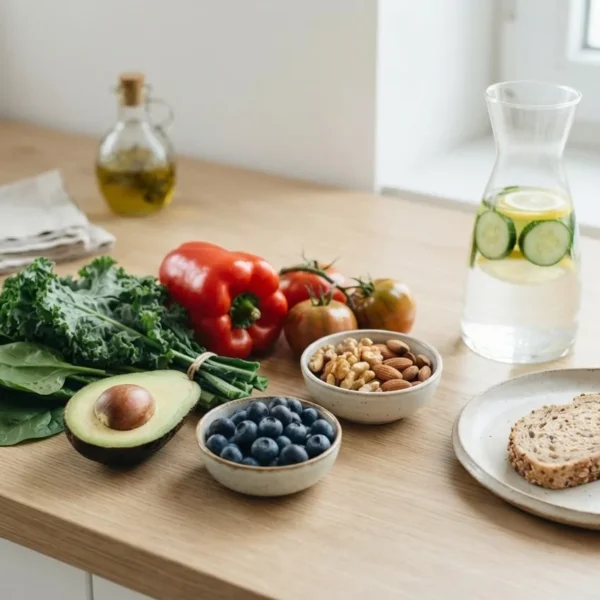
Below is a categorized list of high-impact foods to keep on hand. These selections blend traditional Latin American flavors common in Texas with modern nutrition insights to maximize nutrient density and cooking flexibility.
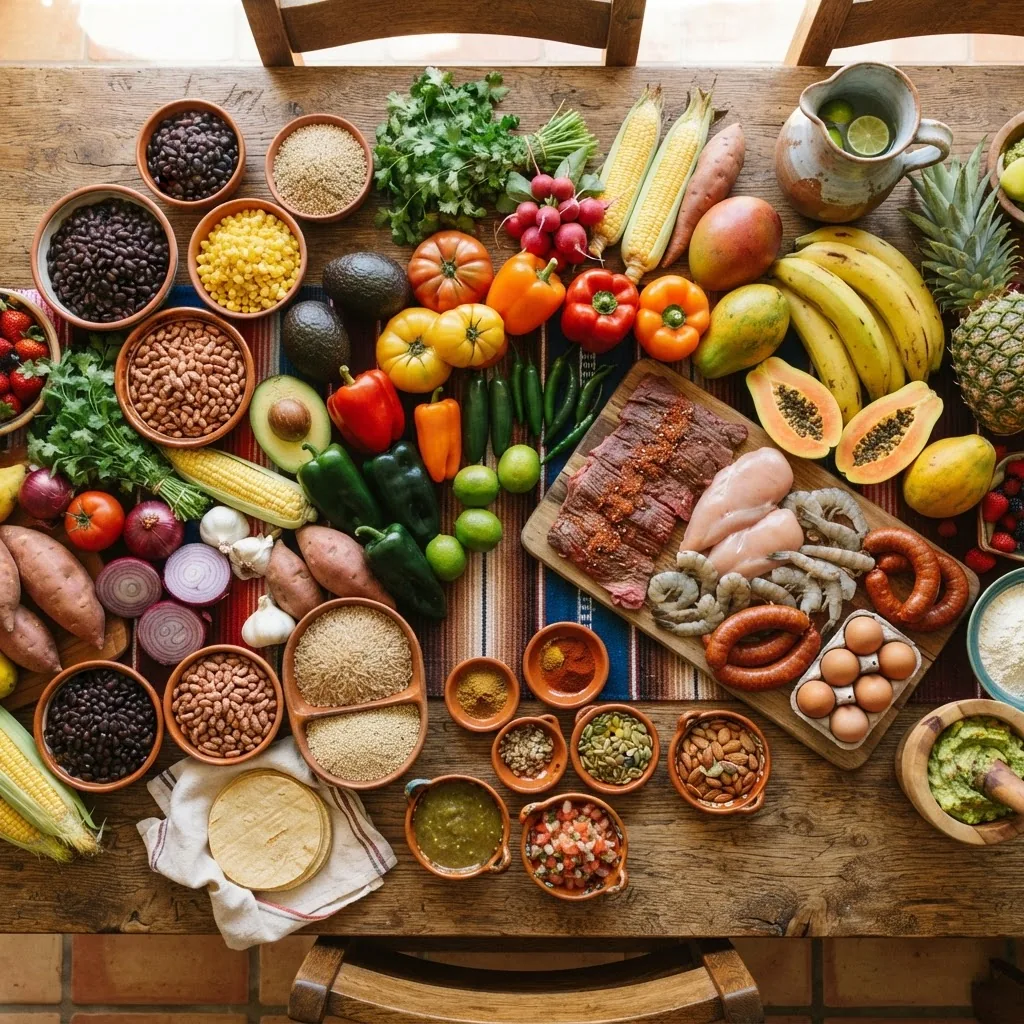
Fruits and Vegetables (Aim: 5+ servings daily)
- Berries, oranges, and apples — vitamin C and fiber; 1 serving = 1 medium fruit or 1 cup berries.
- Leafy greens (collard, chard, spinach), nopales (cactus), and broccoli — folate, vitamin K, and magnesium; 1 serving = 1 cup raw or 1/2 cup cooked.
- Colorful peppers, tomatoes, sweet potatoes, carrots — carotenoids and potassium; include roasted or fresh salsas.
Whole Grains and Starchy Vegetables
- Brown rice, quinoa, whole-grain corn tortillas, bulgur — deliver sustained energy and fiber; 1 serving = 1/2 cup cooked grain or 1 small tortilla (6-inch).
- Potatoes and sweet potatoes — nutrient-dense when served with skin; roast at 400°F for 35–45 minutes for best texture.
Lean Proteins
- Legumes: black beans, pinto beans, lentils — 1/2 cup cooked = ~7–9 g protein and significant fiber.
- Seafood: grilled salmon or tilapia — 3–4 oz cooked provides ~20–25 g protein and omega-3 fats.
- Poultry and lean cuts of beef — trim visible fat; pan-sear or grill at medium-high heat.
Healthy Fats and Nuts
- Avocado, olive oil, nuts (almonds, walnuts) — favor monounsaturated and polyunsaturated fats over saturated fats. Portion: 1 tbsp oil or 1/4 avocado per serving.
Dairy and Fortified Alternatives
- Low-fat yogurt, kefir, and fortified plant milks — calcium, vitamin D and probiotics; choose low-sugar options.
Herbs, Spices, and Flavor Enhancers
- Cilantro, cumin, oregano, smoked paprika, fresh lime — boost flavor without extra sodium. Use citrus and chiles to brighten dishes.
For structured meal frameworks that align with clean eating principles, consult a practical weekly plan like the balanced nutrition with clean living meals.
Why these foods: they provide macronutrient balance, fiber for digestive health, and micronutrients required for energy metabolism and immune support. According to a 2024 industry report, increasing legume and whole-grain intake correlates with better glycemic control in community studies.
How to Prepare Comida Sana: Healthy Cooking Methods and Tips
Transition: knowing which foods to buy helps — now learn how to cook them to preserve nutrients, reduce unhealthy fats, and maximize flavor.
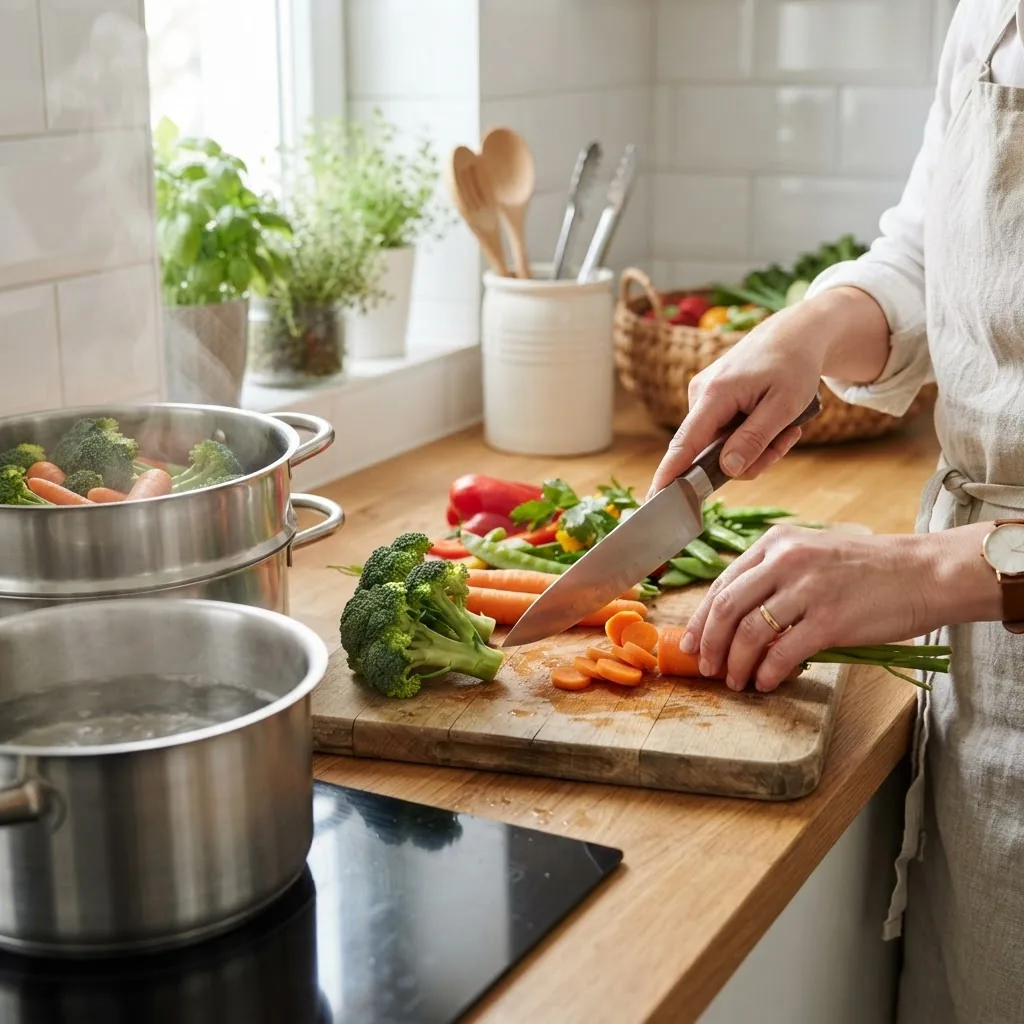
Use the following step-by-step methods tailored to Tex-Mex and Latin flavors; each step includes practical times, temperatures, and substitutions.
-
Step 1 — Batch-roast vegetables for multi-use meals
Preheat oven to 425°F. Toss 1.5 lb mixed vegetables (bell peppers, onions, zucchini, carrots) with 1 tbsp olive oil, 1/2 tsp salt, and 1/2 tsp smoked paprika. Roast on a sheet pan for 18–25 minutes, turning once. Use in bowls, tacos, or salads for up to 4 days.
-
Step 2 — Cook whole grains and beans on schedule
Stovetop brown rice: 1 cup rice + 2 cups water, bring to boil, reduce to simmer 18–22 minutes. Lentils: 1 cup + 3 cups water, simmer 18–20 minutes. For dried beans, soak overnight (8–12 hours) then simmer 60–90 minutes until tender. Store 3–4 days refrigerated.
Tip: cook an extra 2 cups of beans for week’s meals — they are a low-cost, high-fiber protein.
-
Step 3 — Grill or broil lean proteins safely
Grill salmon fillet: preheat to medium-high ~400°F; grill 3–4 oz portions 4–5 minutes per side or until internal temp 145°F. Chicken breast: cook 6–8 minutes per side until 165°F internal. Let rest 3–5 minutes to retain juices. For charred flavor, finish with a squeeze of lime and sprinkle cilantro.
Substitute: pan-searing with a nonstick skillet using 1 tsp oil if outdoor grilling is unavailable.
-
Step 4 — Steam or blanch delicate greens
Steam greens (spinach, chard) for 2–4 minutes until bright and slightly wilted to preserve vitamins. Blanching peppers or tomates for salsas enhances flavor and reduces cooking time.
-
Step 5 — Use low-heat simmering for soups and stews
Bean-based pozole or vegetable soups: simmer at low heat (180–200°F surface) for 20–40 minutes to let flavors meld and preserve heat-sensitive nutrients; add acid (lime or vinegar) at the end to brighten and preserve vitamin C.
-
Step 6 — Flavor without excess sodium or sugar
Use roasted garlic, citrus zest, toasted cumin, and smoked paprika to amplify taste. Replace high-sodium broths with homemade vegetable stock or low-sodium options; use no more than 1/2 tsp added salt per serving during cooking and adjust to taste.
-
Step 7 — Quick Tex-Mex meal prep walkthrough (select & prep)
Shopping list for 4 servings: 1 lb skinless chicken breast, 1.5 cups black beans (cooked), 8 small whole-corn tortillas (6-inch), 1 medium avocado, 1 cup cherry tomatoes, 2 cups romaine, 1 small red onion, 2 limes, 1 tbsp olive oil, 1 tsp ground cumin, 1 tsp chili powder, cilantro bunch.
Prep steps:
- Marinate chicken: mix 1 tbsp olive oil, juice of 1 lime, 1 tsp cumin, 1 tsp chili powder, 1/2 tsp salt; marinate 20–30 minutes.
- Grill chicken at medium-high (400°F) 6–8 minutes per side to 165°F, rest 5 minutes, slice thinly.
- Warm tortillas 30 seconds per side on a skillet; fill with 3 oz chicken, 1/4 cup black beans, 1/4 avocado sliced, 1/4 cup chopped tomato, and 1/2 cup romaine per serving.
Outcome: a balanced meal with ~25–30 g protein, 35–45 g carbohydrates (from beans & tortillas), and 12–15 g healthy fat (from avocado and oil).
For weekly ideas based on clean ingredients, see the clean eating meal plan with healthy options.
Cooking methods trade-offs at a glance:
| Method | Pros | Cons |
|---|---|---|
| Roasting | Concentrates flavor, simple batch-cooking | Higher heat may reduce some vitamins |
| Steaming | Preserves water-soluble vitamins | Less caramelization/flavor |
| Grilling | Adds smoky flavor, low added fat | Risk of charring—limit heavy charring to avoid compounds |
Transition: after learning how to cook efficiently and safely, the next essential skill is portion control and planning meals so you stay full and meet nutrient targets.
Portion Control and Meal Planning for Nutritious Eating
Understanding how much to eat is as important as what you eat. Portion control helps manage calories while ensuring balanced macronutrients and adequate fiber. MyPlate-style guidance works well: visually divide plates and adjust portions by activity level.
Practical portion rules:
- Protein: 3–4 oz cooked per meal (size of a deck of cards) for most adults; athletes or highly active adults may increase to 5–6 oz.
- Grains/starches: 1/2–1 cup cooked or one medium tortilla/one slice whole-grain bread.
- Vegetables: aim for 1–2 cups per meal (1 cup raw = one fist).
- Fruits: 1 medium fruit or 1/2 cup chopped per snack.
- Fats: 1 tbsp oil or 1/4 avocado or 12–15 nuts per serving.
Sample balanced meal templates (per person):
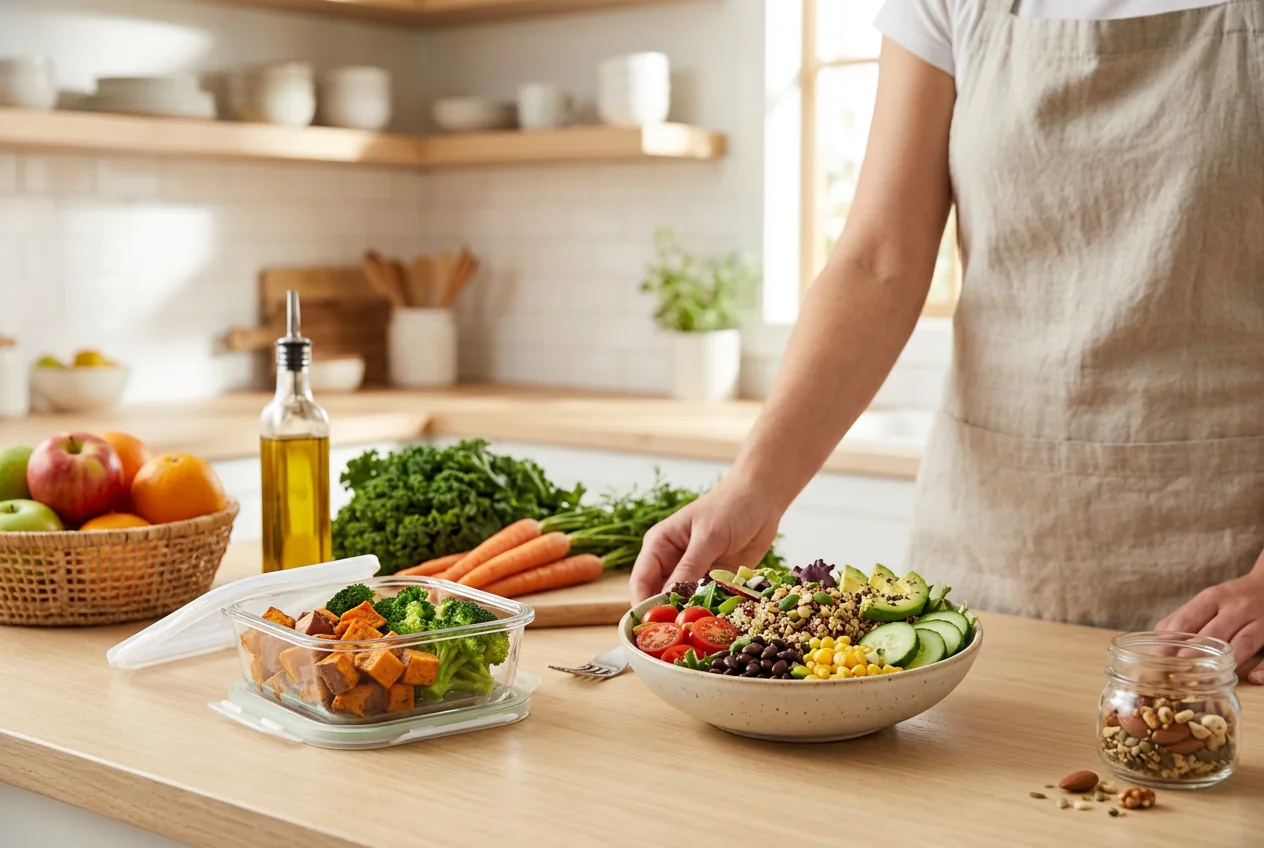
- Lunch bowl: 3 oz grilled chicken + 1/2 cup brown rice + 1 cup roasted vegetables + 1/4 avocado + salsa.
- Vegetarian dinner: 1 cup lentil chili + 1 small baked sweet potato + side salad with 1 tbsp olive oil vinaigrette.
- Snack: 1 small apple + 10 almonds.
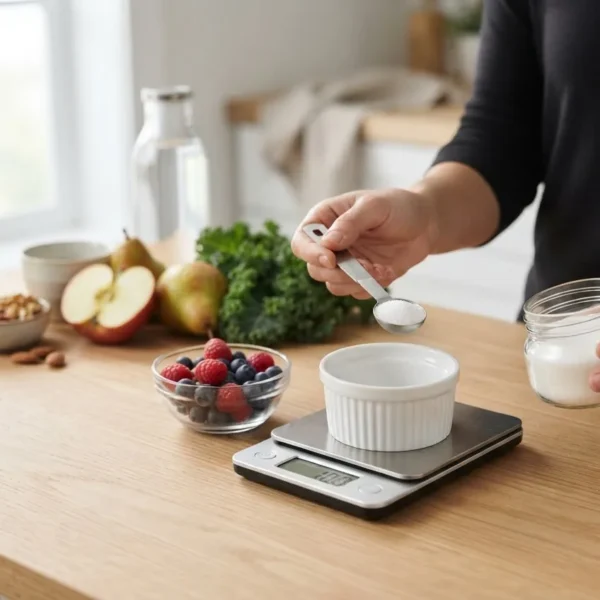
Tools to measure portions: use a kitchen scale (3–4 oz proteins ≈ 85–113 g), measuring cups for grains/beans, and portion-control lunch containers to assemble on Sundays for grab-and-go meals.
For strategies that help manage hunger and fullness, see the resource on foods that promote fullness and satisfaction.
If you want a structured portion system, check the 21 Day Fix meal plan benefits for a color-coded approach to portioning.
Transition: after planning portions, the next step is learning what to avoid and smart ingredient swaps for daily meals.
Avoiding Unhealthy Ingredients in Everyday Meals
Common unhealthy ingredients often sneak into meals: excess added sugar, trans fats, high levels of saturated fat, ultra-processed items, and excess sodium. Below are explanations and practical swaps.
- Added sugars: soda, sweetened yogurts, sugary sauces. Reason to avoid: excess calories and increased risk of metabolic disease. Swap: plain yogurt + fresh fruit, use 1 tsp honey instead of 1 tbsp sugar.
- Saturated and trans fats: fried fast foods, hydrogenated margarines. Reason: raise LDL cholesterol. Swap: bake or grill proteins; use olive oil sparingly (1 tbsp = 120 kcal).
- Processed meats and ultra-processed snacks: high sodium and additives. Reason: associated with higher cardiovascular risk. Swap: roasted turkey breast or grilled fish; choose unsalted nuts or homemade roasted chickpeas.
- High-sodium condiments: bottled sauces and bouillons. Reason: raises blood pressure. Swap: make salsa from fresh tomatoes, lime, and onion; use low-sodium broth and taste before salting.
- Refined grains: white bread, some chips. Reason: lower fiber and quick blood-sugar spikes. Swap: whole-grain tortillas, baked plantain chips, corn on the cob.
For a focused comparison of healthier versus less healthy options, review healthy vs unhealthy food choices.
Transition: swapping ingredients is easier when you adapt habits and your environment — the next section offers Texas-specific, doable tips.
Practical Tips for Sustaining Healthy Eating Habits in Texas
Living in Texas means delicious Tex-Mex flavors and abundant local produce. Use cultural strengths to sustain healthy patterns rather than fight them. Below are action steps and local adaptations.
Actionable tips:
- Shop seasonal and local: buy tomatoes, peppers, melons, and corn in summer at farmers markets — fresher produce lasts longer and often costs less. Store tomatoes at room temperature and refrigerate blueberries only after washing.
- Swap half the meat for beans in favorite dishes: Make chile con carne with 60% beans and 40% lean ground turkey or beef to cut calories while increasing fiber.
- Choose tortillas smartly: prefer whole-corn tortillas (1 small = ~50–70 kcal) over large flour tortillas; portion two per meal for most adults.
- Control dining out portions: ask for dressings/sauces on the side, share an entrée, or choose grilled options over fried. If offered chips, request salsa and a smaller basket.
- Hydrate strategically: carry a 24–32 oz water bottle and aim for 8–12 cups (64–96 oz) daily depending on heat exposure and activity; in summer, increase by 1–2 cups per hour of active outdoor work.
Timing: Consider meal timing to support digestion and sleep — for technical guidance, see the best time to eat dinner for health.
Mini case study (realistic scenario): Maria, a 38-year-old teacher in Austin, swapped nightly heavy flour-tortilla tacos for corn-tortilla bowls with 3 oz grilled fish, 1/2 cup black beans, and a big lettuce & tomato salad. After 8 weeks, she reported steadier energy and a 6-lb weight loss while lowering daily sodium by choosing fresh salsas. This reflects practical, culturally relevant change that took Maria 30–45 minutes twice weekly to prepare.
Transition: sustainable habits compound — the consistent benefits of such changes are explored next.
Health Benefits of Consistent Comida Saludable Eating
Below is a concise stat block showing typical health improvements tied to sustained nutritious eating with brief explanations.
| Outcome | Evidence / Explanation |
|---|---|
| Improved heart health | Diets rich in fruits, vegetables, whole grains and fish can reduce LDL and blood pressure; supported by American Heart Association guidance (AHA). |
| Weight management | Higher fiber and protein improve satiety, supporting weight loss or maintenance. According to a 2024 industry report, increased whole-food intake associates with moderate weight reduction. |
| Better digestion and energy | Regular fiber, hydration, and balanced macros stabilize blood sugar and gut function; NIH materials explain fiber’s role in GI health (NIH ODS). |
Note: Individual results vary. According to a 2023 USDA report, population-level improvements in diet quality correspond with lower chronic disease incidence over years, not overnight. For exercise synergy with diet, see health, diet, and exercise synergy.
Transition: despite clear benefits, common barriers exist. Next we troubleshoot frequent problems and offer practical solutions.
Common Challenges and Solutions for Staying on a Comida Saludable Diet
Here are frequent problems I’ve seen and reliable fixes you can apply immediately.
- Cravings for high-sugar or fried foods — Solution: I replace a nighttime dessert habit by planning a 150–200 kcal satisfying swap: Greek yogurt with 1/4 cup berries and 1 tsp chopped nuts. Behaviorally, delay for 10 minutes; often craving subsides.
- Limited time — Solution: Batch-cook proteins and grains on Sunday for 3–4 days. Use 20–30 minute recipes on weeknights (stir-fries, sheet-pan meals).
- Budget constraints — Solution: Buy beans, oats, frozen vegetables, and whole grains in bulk; frozen produce often equals fresh in nutrients and costs less.
- Family food preferences — Solution: Use modular meals: serve family favorites but offer a “build-your-own” bowl option with healthy sides (beans, salsas, grilled veggies) so everyone can customize portions.
- Motivation dips — Solution: Set one-week goals, track 3 behaviors (vegetable servings, water intake, and cooking at home) and celebrate small wins.
For perspective on extreme or competing eating behaviors, see sibling content on competitive eating insights to understand contrasts and maintain balance.
Transition: implementable checklists help convert reading into doing — see the summary and next steps section.
Summary and Actionable Next Steps for Nutritious Eating
Below is an eight-step checklist you can complete this week to embed comida saludable into your routine.
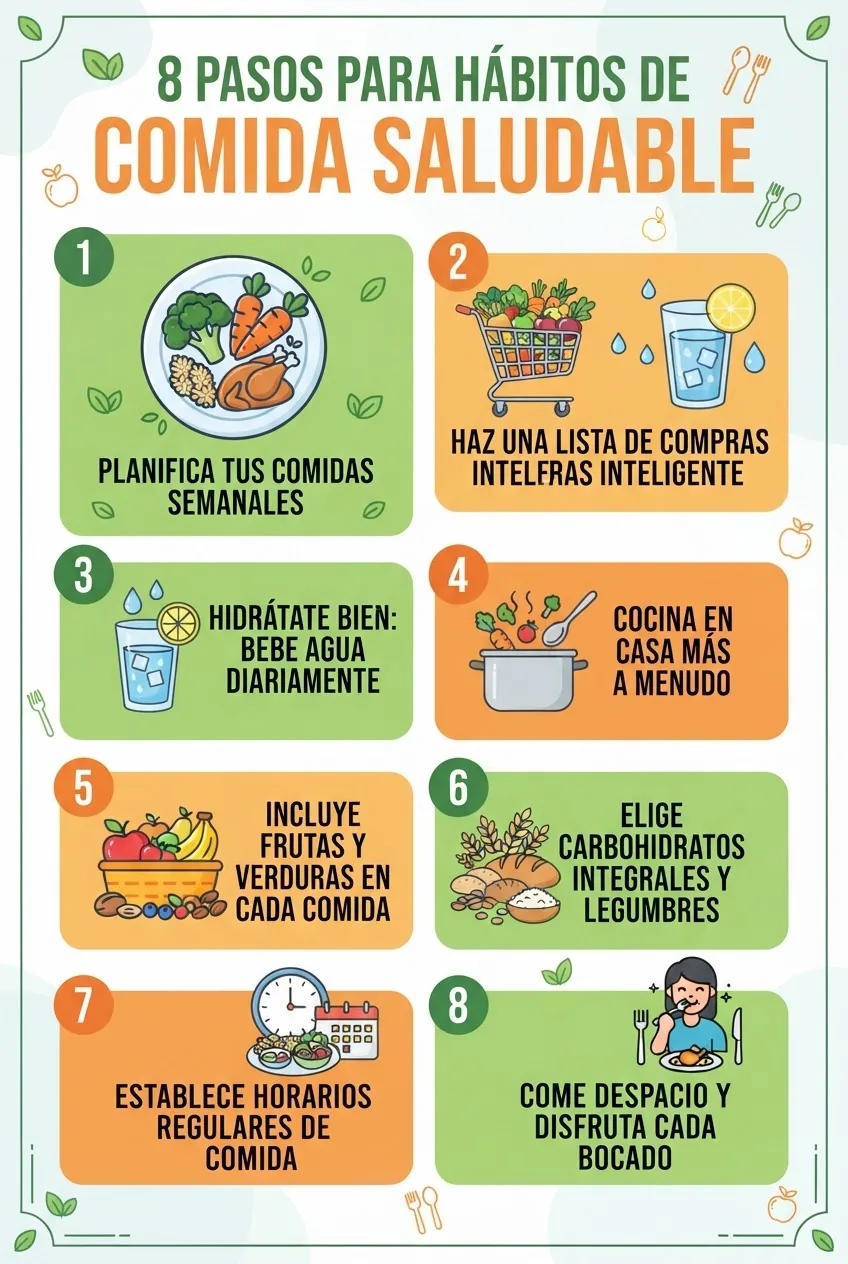
- Shop for staples: buy whole grains, 3 beans/legume packs, 4 types of seasonal produce, and a lean protein source.
- Plan two batch-cook sessions: 90 minutes on Sunday (grains, beans, roasted vegetables) and 30 minutes midweek for proteins.
- Prep a Tex-Mex bowl: follow the Step 7 recipe above to practice flavors and timings.
- Set portion tools: measure a 3–4 oz protein with a kitchen scale and pack one-day lunch the night before.
- Swap one processed item: replace a sugary snack with fresh fruit + a protein source three times this week.
- Hydration goal: drink 64–96 oz water daily; carry a 24–32 oz bottle and refill it 2–3 times/day.
- Monitor progress: track vegetable servings and cooking days for 14 days to create momentum.
- Learn more: deepen your habits with the pillar resource How to Eat to Live Guide with Healthy Diet Habits.
Final verification checklist (quick):
- Do my daily meals include at least one vegetable serving at lunch and dinner?
- Is my protein portion ~3–4 oz per meal?
- Am I using whole-grain or corn-based staples at least 4 times this week?
- Have I reduced added sugary treats by half this week?
Common mistakes and how to avoid them
From my experience working with Texas families, here are mistakes I repeatedly observe and how I personally advise clients to prevent them:
- I once encouraged batch-roasting without accounting for humidity; vegetables became limp. I now cool them quickly on a rack and store in single-layer containers to preserve texture.
- I advised swapping all flour tortillas for corn overnight — families pushed back. I learned to recommend a gradual swap (start 2 corn, 1 flour) to increase adherence.
- I saw people over-rely on low-fat packaged items with added sugar. I now teach reading labels for sugar per serving (<6 g preferred) and choosing plain items with fruit or spices for flavor.
When to call a professional
Seek a registered dietitian or physician if you have diabetes, kidney disease, eating disorders, pregnancy with complications, food allergies, or if weight changes are rapid and unexplained. Personalized medical nutrition therapy is essential when medications or chronic conditions are present.
Closing summary: adopting comida saludable in Texas is practical — blend traditional flavors with whole foods, plan portions, cook with nutrient-preserving methods, and use behavioral supports for sustainability. Start with the eight-step checklist and iterate week to week for lasting results.
Call to action: prepare the Tex-Mex bowl from Step 7 this week, track your meals for 7 days, and revisit the checklist to see small measurable progress.