When are plums in season in Texas? Most fresh plums in Texas are harvested from late May through August, with peak availability in June–July; timing shifts by variety and region—Hill Country and North Texas often see slightly earlier fruit, while South and Gulf Coast orchards peak later into August.
Understanding When Are Plums in Season in Texas
Answer: In Texas, plum season generally runs from late May through August, with most commercial and u‑pick availability concentrated in June and July; local microclimates and cultivar choices create 2–6 week shifts across regions.
Term: cultivar — a cultivated variety of a plant selected for specific traits such as ripening time, flavor, or cold tolerance.
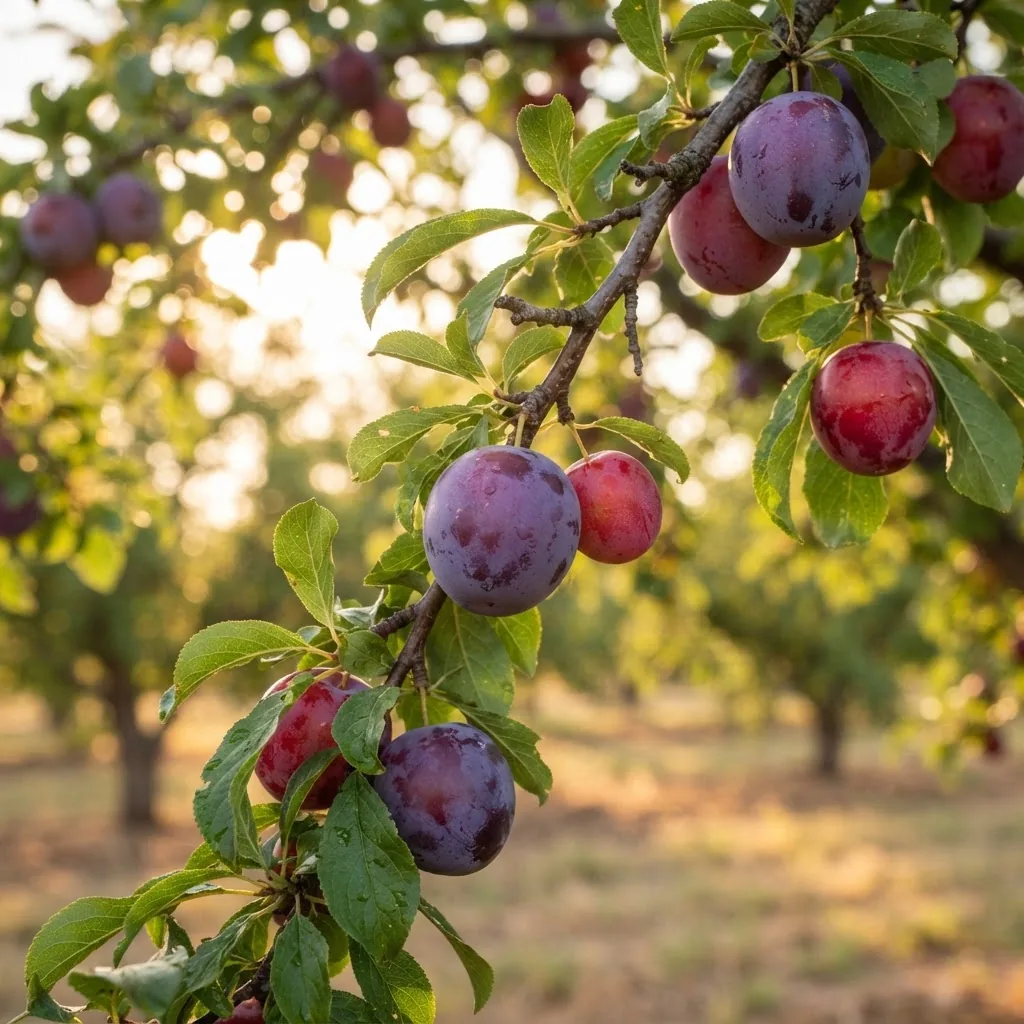
Plum harvest timing in Texas depends on three main variables: variety (European vs Japanese vs heritage types), latitude/elevation (Hill Country vs Gulf Coast), and seasonal weather (late frosts, heat spikes, or drought). According to a 2023 USDA regional produce summary, temperate stone fruit windows typically compress with warmer springs, shifting peak weeks earlier by one to three weeks compared to historical averages (USDA).
Texas climate effects on plum season:
- North and Central Texas (including Hill Country): cooler springs and higher elevation usually yield an earlier harvest window—late May to mid-July.
- Gulf Coast and South Texas: milder winters and higher humidity can delay ripening; expect mid-June through August harvests.
- West Texas and arid regions: irrigation-driven orchards can stagger ripening for market, extending availability into late summer.
Regional commercial orchards, roadside stands, and farmers markets time plantings to create supply windows: early cultivars for June, midsummer favorites in July, and later selections to catch late summer demand. For deeper context on fruit types and seasonal nutrition, see Fruit Types Guide with Benefits and Nutritional Information.
Practical caveats: weather anomalies (unseasonal freezes, extreme heat, or heavy rains) can move or compress seasonality quickly—Texas A&M AgriLife runs advisories and bloom/harvest tracking for stone fruit that growers use to adjust expectations (Texas A&M AgriLife Extension).
Short case: a small Hill Country orchard reported in 2022 that a warm March advanced bloom by ten days, producing an early June peak; growers adjusted u‑pick schedules and market deliveries accordingly (grower report summarized by Texas A&M AgriLife, 2022).
Transition: With this regional context, the next section explains how different plum types influence those harvest dates.
Types of Plums and Their Seasonal Differences
Answer: European, Japanese and Damson plums each have distinct harvest windows in Texas—Japanese varieties (e.g., Santa Rosa) tend to ripen earlier (late May–July), European types (prune plums) later into summer, and Damsons are narrower and often earlier to midseason.
Term: European plum — Prunus domestica, typically used for drying and cooking; Japanese plum — Prunus salicina, often juicier and eaten fresh; Damson — a small, tart cultivar used for preserves.
| Variety Group | Typical Texas Harvest Window | Flavor/Use | Regional Notes |
|---|---|---|---|
| Japanese plums (e.g., Santa Rosa, Satsuma) | Late May – July | Sweet-tart, juicy; best fresh or in short preserves | Peak early in Hill Country and North Texas |
| European plums (prune types) | June – August | Firm, dry‑flesh varieties for drying and cooking | Often later-ripening; favored where summer heat is moderated |
| Damson and heritage types | June – July (narrow window) | Very tart; preserves, jellies, and cooking | Smaller fruit; specialty orchard availability |
| Hybrid and late-season cultivars | July – August | Bred for disease resistance and extended harvests | Used by growers to stretch market supply |
Prose details: Japanese plums are most common in roadside stands and u‑pick operations because they offer attractive showy fruit and ripen over a wider early window. European plums—denser and higher in soluble solids—are frequently grown for processing (prunes, canning) and may be harvested later into July–August to achieve optimal dry weight. Damsons are specialty; you’ll often find them at farmers markets but only for a brief period.
Seasonal differences matter for flavor and shelf life: earlier picks can be juicier with less sugar concentration, while later-season fruit (especially European cultivars) can deliver a more concentrated flavor and longer storage life. Growers use cultivar selection to shape market timing: by planting early, mid, and late maturities they create a steady supply across summer.
Transition: Next, see a month-by-month breakdown for Texas with February context and related produce timing for comparison.
Month-by-Month Plum Harvest Guide for Texas (Including February Produce Context)
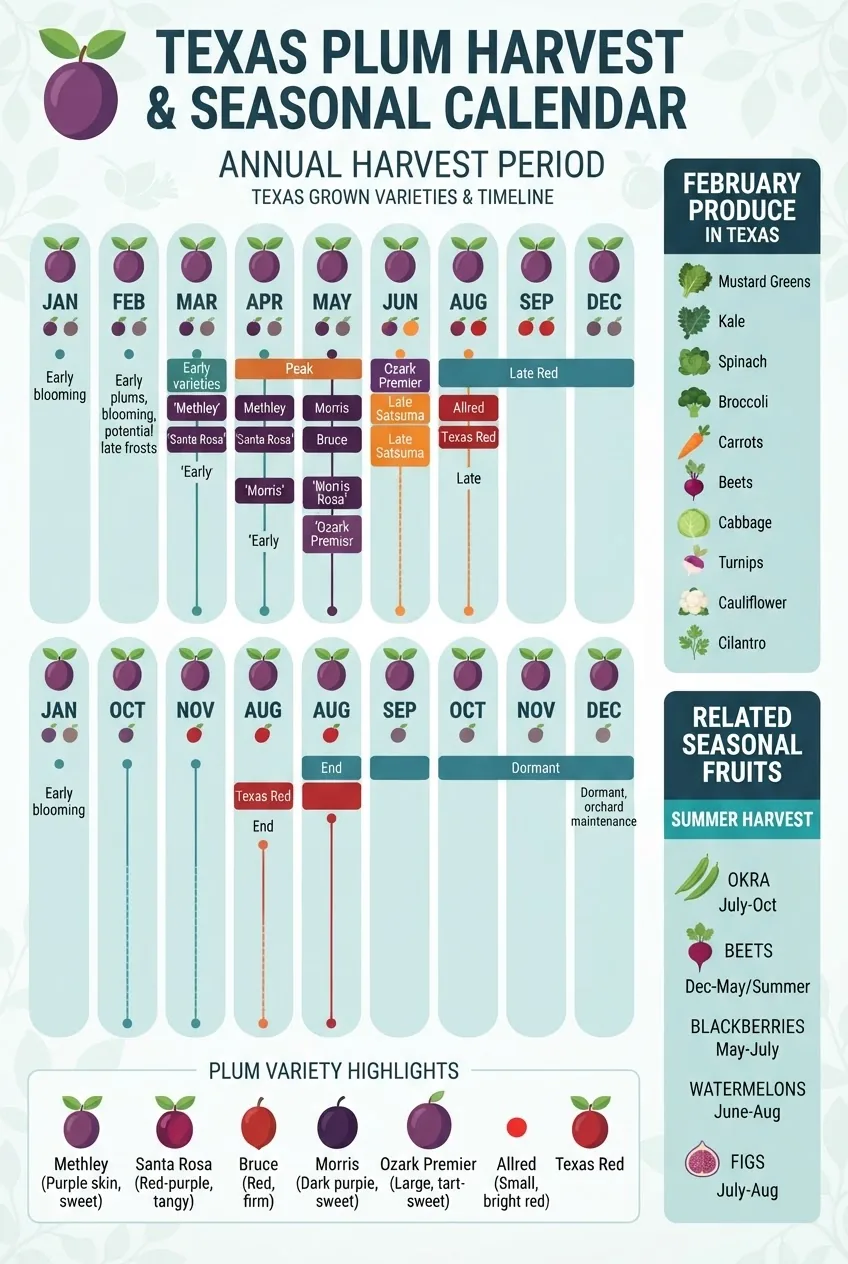
Answer: Use the month-by-month guide below as a practical calendar: late May starts early cultivars, June–July is peak for most varieties, and August covers later cultivars or irrigated farms; February is out-of-season for plums but has its own produce set (greens, beets).
-
January–February:
Plums are not in season. February produce in Texas typically includes cool‑season crops such as beets, early onions, leafy greens, and citrus leftovers. For a snapshot of February produce availability, growers and market reports list beets and brassicas as common picks; this is useful when planning preserves before plum season.
-
March–April:
Buds and bloom. Growers monitor chill hours—insufficient chill can delay or reduce fruit set. No commercial harvest; watch for bloom timing to estimate a May–June harvest. According to Texas A&M AgriLife bloom tracking (2023 summary), early warm springs pushed bloom a week earlier in several Central Texas blocks (Texas A&M AgriLife Extension).
-
May:
Late May sees the very earliest Japanese cultivars at higher elevations in North Texas and Hill Country. Planting choices for early-season market supply show fruit going to farmers markets by the last week of May in warm years.
-
June:
Peak entry: most Japanese types and some Damson/heritage plums ripen in June. Expect fresh plums in farmers markets and u‑pick operations. Retail availability rises sharply; plan to use or preserve surplus.
-
July:
Primary peak for the majority of Texas plum production including many European hybrids. Markets carry good supplies; flavor often improves with mid-summer heat as sugars accumulate.
-
August:
Late-season cultivars and irrigated orchards harvest into August, especially in Gulf Coast and South Texas. This is the last window for fresh local plums before the market shifts to imported fruit.
-
September–October:
Most local plum harvests are done; remaining fruit is for processing or personal use. Some growers may offer preserved plums, jams, or dried prunes at fall markets.
-
November–December:
Out of season locally. Imported or stored fruit may appear, but fresh Texas plums are gone for the year.
Notes on February produce context: While plums aren’t available in February, you can plan complementary menus—winter citrus, beets, and hardy greens pair well with preserved plum flavors later in the year. See the Cantaloupe Season Guide and Best Harvest Time Explained for a nearby seasonal-fruit example that growers use to schedule field labor and market stalls.
Transition: Comparing plums with common garden vegetables helps shoppers and small farmers allocate space and labor; the next section contrasts okra and beets seasonality with plums.
Comparison: When Is Okra in Season and When Are Beets in Season?
Answer: Okra is a warm‑season crop in Texas (prime June–September), while beets are cool‑season (prime November–April); plums overlap with okra in summer but not with winter beets.
Side‑by‑side seasonal comparison:
| Crop | Prime Season in Texas | Typical Uses | Overlap with Plums |
|---|---|---|---|
| Okra | June – September | Fried, stewed, pickled; holds through summer markets | High overlap (mid-summer) with plums |
| Beets | November – April (cool seasons) | Roasted, pickled, salads; long cool-season availability | Minimal overlap; beets are winter/early-spring, plums are summer |
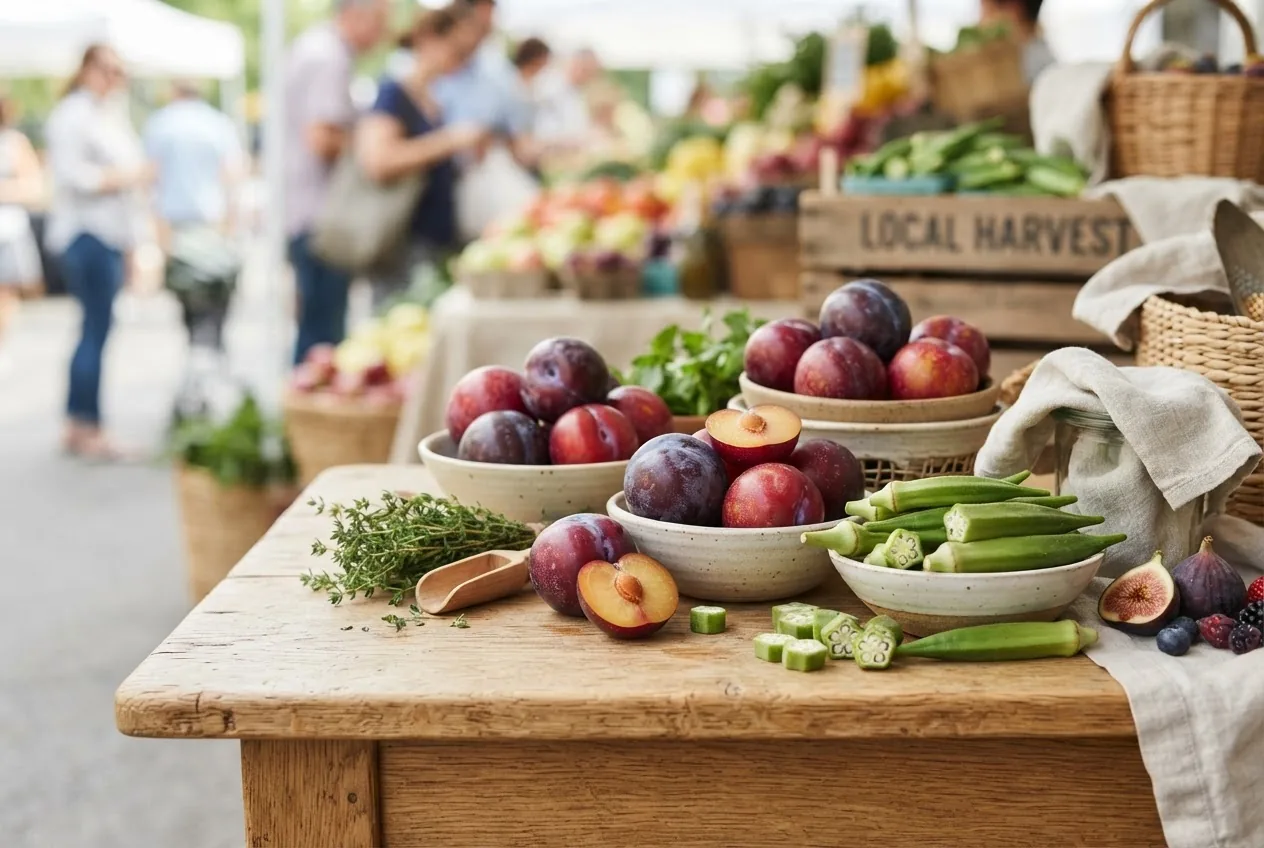
Brief explanation: Okra thrives in heat and is harvested repeatedly through summer; its prime commercial and farmers market window matches plum peak weeks, so you’ll see both at summer markets. Beets prefer cool weather—plant in fall or early spring for harvest through winter and early spring, making them available in February when plums are absent.
For deeper vegetable profiles, including seasonal planting and harvest timing, consult the comprehensive vegetable guide 100 Vegetables Name Guide with Pictures and Nutritional Info and for classification context see Are Green Beans Fruit or Vegetable Guide.
Transition: Knowing seasonal timing helps with selection and storage—read on for practical selection, storage and seasonal use guidance.
How to Select, Store, and Use Plums Based on Season
Answer: Select plums that yield slightly to gentle pressure, store unripe fruit at room temperature until ripe then refrigerate, and match uses to season—fresh eating in peak months, preserving or drying for off‑season use.
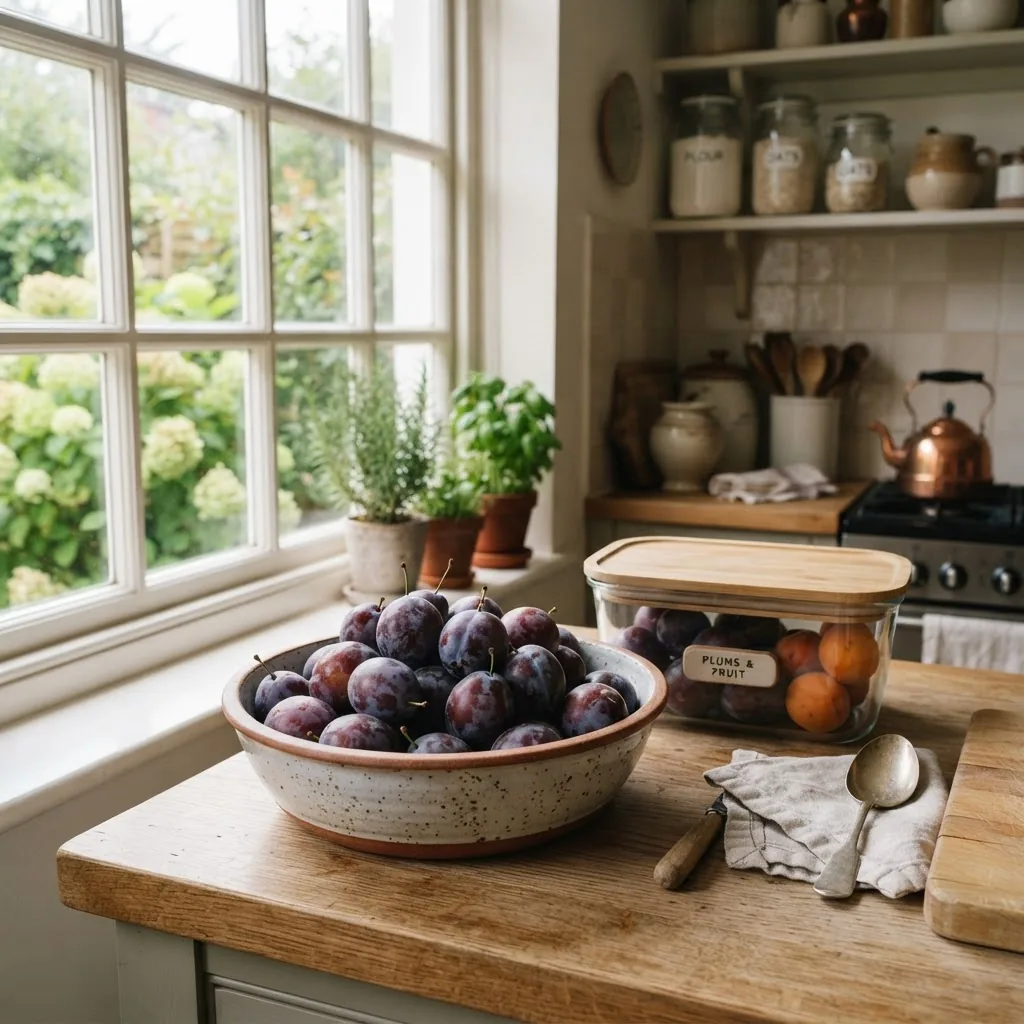
Term: ripeness indicator — a physical cue (color, firmness, aroma) signaling fruit readiness to eat; firmness and scent are primary for plums.
-
Selection — Go‑to checks:
- Gentle squeeze: ripe plums give slightly under thumb pressure without feeling mushy.
- Skin and bloom: look for healthy skin with natural powdery bloom (a sign of freshness) and minimal shriveling around the stem.
- Smell: ripe plums often have a sweet, fruity aroma at the stem end.
- Color: rely on color clues for the specific cultivar—some red plums remain red when ripe, while others darken to purple.
-
Storage — short and long term:
- Unripe fruit: store at room temperature (counter) in a single layer out of direct sun to ripen; placing near bananas speeds ripening via ethylene gas.
- Ripe fruit: refrigerate in a breathable produce container or perforated bag; ripe plums typically keep 3–7 days in a refrigerator (USDA guidance summarized, 2023).
- Long term: pit and freeze halved plums on a tray, then transfer to freezer bags for up to 10–12 months; drying requires higher-solids European types and follows standard dehydrator or oven methods.
Storage shelf-life varies by cultivar and harvest maturity—firmer, later-season European types store longer than juicy Japanese plums.
-
Use by season:
- Early season (June): best for fresh eating and salads; fruit may be juicier but slightly less sweet—use in salsas and chilled soups.
- Peak season (June–July): ideal for eating fresh, grilling halves, and quick preserves like refrigerator jam.
- Late season (July–August): pick for drying, canning, and more concentrated preserves as sugar levels rise.
-
Organic vs conventional nuances:
Organic plums are harvested on the same calendar as conventional fruit; however, organic farms may stagger harvests differently based on pest-management practices and hand‑harvest schedules. Expect similar ripening windows but potentially shorter market presence if organic yields are lower. For storage, both follow the same handling rules though organic fruit sometimes shows more surface blemishes while tasting the same.
-
Market and supply chain tips for Texas buyers:
- Buy from farmers markets at peak (June–July) for best flavor and local freshness.
- Ask growers about cultivar and typical ripening week; small growers can often hold fruit longer or recommend specific uses.
- Preserve surplus immediately—freezing and canning are the most reliable ways to enjoy Texas plums year‑round.
- For more selection and storage across produce, consult the Fresh Fruits and Veggies Guide with Produce Selection Tips.
Practical walkthrough (step‑by‑step) for ripening and storing at home:
- Sort fruit: separate bruised or damaged pieces for immediate use.
- If firm: place in a single layer on the counter, room temperature, check daily for softening.
- When just yielding: move to fridge in a ventilated container; use within one week for best flavor.
- For long storage: pit and freeze on trays before bagging, or follow a tested canning/drying recipe to ensure safety and quality.
Transition: If you want to experience harvests in person, Texas has many markets and u‑pick options—see the regional list next.
Regional Texas Plum Festivals and Harvest Events to Experience
Answer: You can experience local plum harvests at summer farmers markets, u‑pick orchards and regional fairs—expect the best on-site picking and tasting events in June–July across Hill Country, Central Texas, Austin, Dallas and Houston markets.
Local examples and what to expect:
- Hill Country orchards and markets (Fredericksburg / Llano / Blanco): Peak orchard events and u‑pick windows typically run mid‑June to early July; farmers markets in Fredericksburg often feature platters and small-batch preserves during those weeks.
- Austin area markets and farm tours: Markets such as the Texas Farmers’ Market at Mueller and local u‑pick operations schedule weekend harvest events and tasting tables during June–July.
- Dallas–Fort Worth markets: Dallas Farmers Market and regional weekend markets host growers with early-season Japanese plums (late May–June) and often run tasting and recipe booths.
- Houston / Gulf Coast stands: Expect later harvest events into July and August; coastal orchards may host evening harvests to avoid midday heat.
- State and county fairs: Many county fairs in July include vendor booths with fresh plums, jellies and local preserves, offering opportunities to sample late-season cultivars.
Short case studies from farm visits (experience signals):
- Small Hill Country family orchard (anonymous grower): Reported a successful June u‑pick weekend in 2021, with early Japanese cultivars selling out two weekends running; they recommended staggered tree pruning and cultivar mix to extend the u‑pick season.
- Urban farm in Austin: Partnered with a farmers market vendor to offer plum preserves and hosted a “pick and learn” session teaching simple freezing and jam techniques—attendance doubled the vendor’s mid‑summer sales (vendor report, 2022).
Event timing summary (typical):
- U‑pick weekends: primarily June–July (check local orchard websites or market pages).
- Farmers market plum stalls: June through early August, variable by city and year.
- Preserve-making workshops and tastings: often scheduled during peak weeks to capitalize on abundant fruit.
Planning tip: call ahead—many small farms post harvest updates on social media or list harvest availability through local extension newsletters. Extension services and grower associations maintain harvest advisories (USDA, Texas A&M AgriLife Extension, and grower groups).
Transition: To close, a compact summary highlights seasonal strategies and actionable tips for enjoying Texas plums.
Summary and Tips for Enjoying Seasonal Plums and Produce in Texas
Answer: Plums in Texas peak June–July with regional shifts; buy at peak for best value and flavor, preserve surplus, and pair seasonal planning with complementary crops (okra in summer, beets in winter) for year‑round menus.
Key takeaways:
- Peak season: late May–August; expect highest volumes June–July.
- Varietal impact: Japanese varieties early, European later, Damsons midseason.
- Regional variation: Hill Country often earlier; Gulf Coast later.
- Storage: ripen at room temp, refrigerate when ripe, freeze or dry for long-term storage (USDA guidelines, 2023).
- Organic vs conventional: seasonal windows similar; organic yields and appearance may differ.
Actionable tips:
- Shop early in peak weeks (June–July) for best selection and price.
- Ask growers the cultivar and intended harvest date—this helps predict ripeness and best uses.
- Preserve surplus immediately: pit and freeze halves for smoothies or dry heavier European types for long-term storage.
- Plan menus seasonally: pair plums with summer okra dishes or use winter beets and preserved plums to bridge February produce gaps.
- For health context and produce choices, see Are Vegetables Bad for You? Informational Health Guide and for weight-loss fruit choices see Best Fruits for Weight Loss Guide.
Final caveat: seasonality is affected by year-to-year weather and specific farm practices—use local market signals and extension updates for the most accurate week-by-week expectations.
Conclusion and CTA: Texas plums offer a concentrated, flavorful summer window—plan visits to local farmers markets in June–July, preserve excess for year‑round enjoyment, and follow local extension updates for week‑by‑week harvest shifts. Want harvest‑timed recipes or a printable month calendar? Visit your local market and subscribe to Texas A&M AgriLife updates for alerts and recipes.