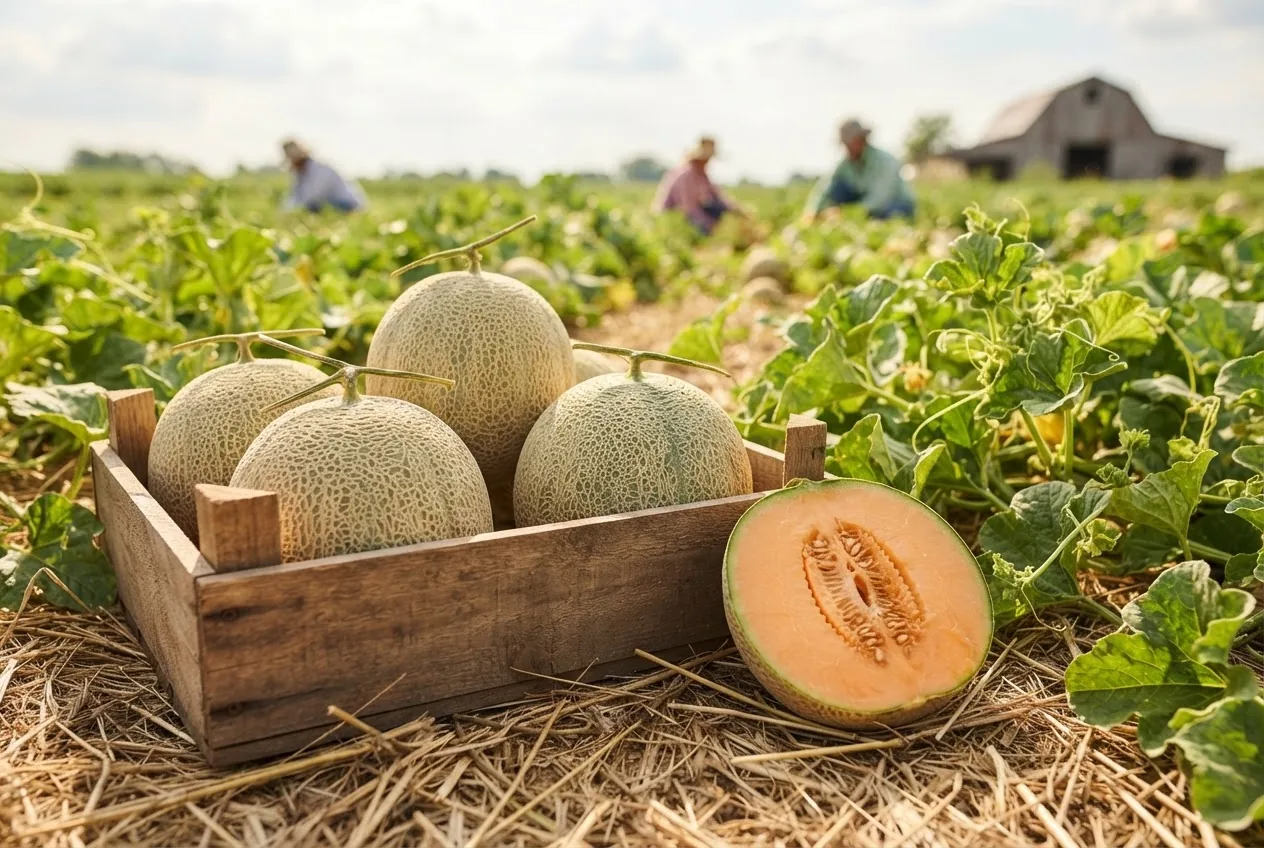
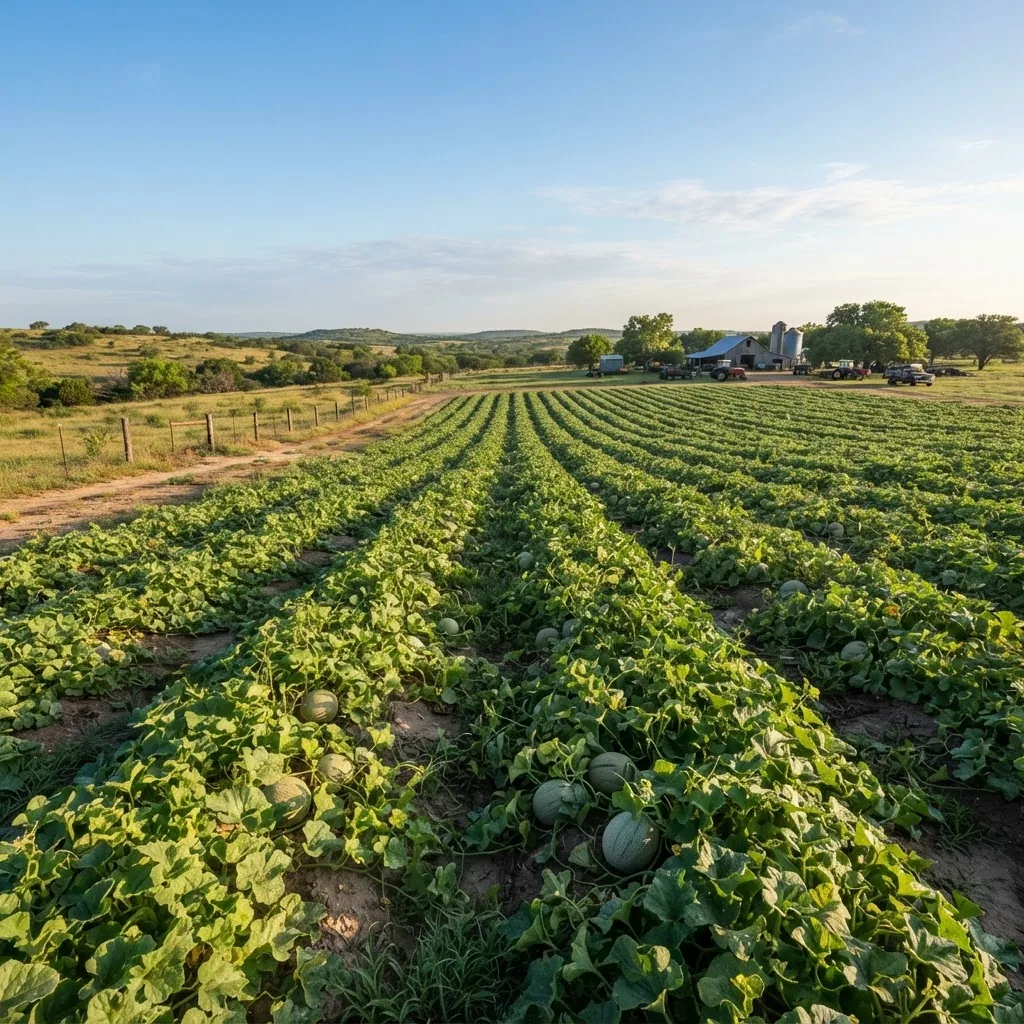
Cantaloupe season in the U.S. generally runs from late spring through early fall, with peak cantaloupe harvest in Texas occurring from June to August; local microclimates and planting dates can shift the exact peak weeks by several weeks. This guide explains when to buy and how to tell true ripeness.
Understanding Cantaloupe Season: When Is It?
Answer: Cantaloupe season typically begins in late spring and peaks in mid-to-late summer; in Texas the primary harvest window is usually June through August, with some early plantings starting in May and fall plantings extending into September.
Term: cantaloupe season — the recurring period each year when cantaloupes are harvested and widely available fresh in markets and farm stands.
Nationally, cantaloupe follows a broadly latitudinal pattern: warmer zones produce fruit earlier, cooler zones later. Seasonal availability translates into better flavor and lower price during peak weeks; conversely, off-season fruit is often imported or stored longer and may lack flavor.
Practical seasonal calendar (U.S. general):
| Region | Typical Start | Peak | End |
|---|---|---|---|
| Southern U.S. (including Texas) | May–June | June–August | September |
| Central U.S. | June | July–August | September |
| Northern U.S. | July | August | September–October |
Supply-side signals: grocery promotions and farmers market tables are strongest during the peak weeks above. According to a 2024 industry report on seasonal produce supply chains, regional harvest peaks drive price and flavor quality for climacteric fruits like cantaloupe.
For broader context on fruit seasonality and how cantaloupe fits among fruit types, see the fruit types guide with benefits and nutritional information.
Transition: Knowing the general calendar helps, but season length varies by region — the next section focuses on how Texas differs.
How Cantaloupe Season Differs by Region with a Focus on Texas
Answer: Regional season variation is driven by planting dates, chill hours, heat accumulation, and water availability; Texas’s warm climate tends to produce earlier and often more intense summer peaks than northern areas, but heat waves or late freezes can compress or shift harvest windows.
Term: regional season variation — differences in timing and duration of harvest across geographic zones caused by climate, cultivar choice, and farming practices.
Texas spans multiple growing zones (USDA zones roughly 6–9). South and Central Texas growers often plant spring sets in March–April for May–June harvests and a main season planting for June–July harvests. According to a 2023 Texas A&M seasonal data brief, most commercial cantaloupe acreage in Texas targets a June–August market window to match local farmers markets and wholesale demand. Texas A&M AgriLife Extension provides regional planting date recommendations and disease management practices.
Key climate impacts on melon growth in Texas:
- Heat accumulation (growing degree days) shortens time to fruit maturity but can reduce sugar concentration if night temperatures stay high.
- Early-season heat can accelerate ripening and cause staggered harvest, increasing labor for picking.
- Periods of excessive rain can lead to fruit splitting and disease pressure; drip irrigation and timely fungicide programs mitigate risks in high-yield operations.
Quick data/stat block about timing in Texas (aggregate summary based on extension and market reports):
- Typical main-season harvest window: June–August (peak market weeks often mid-June to late July).
- Early season starts: late May for southernmost plantings.
- Late season possible into September for fall plantings in irrigated fields.
Case note from a central Texas grower: a small cooperative reported in 2022 that moving planting dates two weeks earlier shifted their peak customers from July to mid-June, increasing perceived sweetness at market. That anecdote reflects how microclimate and timing change perceived quality for consumers.
Transition: Regional timing matters, but recognizing harvest-ready fruit is the single most useful skill for growers and shoppers — learn the practical signs next.
Signs of the Best Harvest Time for Cantaloupes
Answer: The best harvest time is indicated by a sweet, musky aroma at the stem end, a slight slip (where the stem detaches easily), firm-but-yielding flesh when pressed, and a netted rind that has shifted from green to a warm tan or yellow ground color.
Term: abscission layer — a thin, natural separation zone at the stem-fruit junction that softens when the fruit is physiologically mature, allowing the stem to detach (a sign called “full slip”).
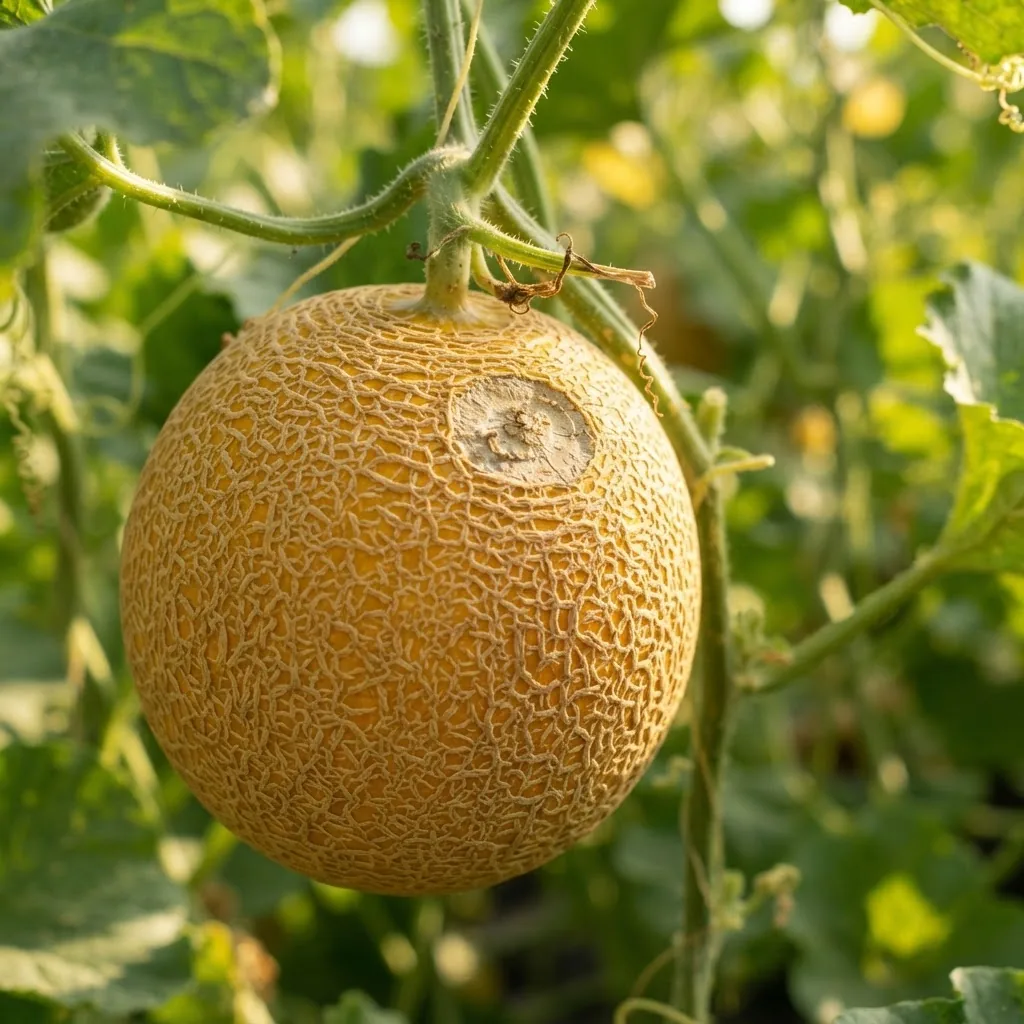
- Smell test: A ripe cantaloupe emits a distinct sweet, musky aroma from the blossom end; no aroma = likely underripe.
- Stem check (slip): Gently press the stem area—if the fruit shows a small crack and the stem separates with little force (partial or full slip), it’s ripe; farmers often harvest at “half-slip” to avoid transport damage.
- Ground color and netting: Look for the rind’s ground color shifting from green to cream, yellow, or tan beneath the netting; the netting (raised reticulation) should be well-defined and coarse.
- Texture and yield: Press the blossom end lightly—ripe flesh yields slightly but remains springy; overly soft patches indicate overripeness.
- Weight and sound: A ripe cantaloupe feels heavy for its size; a dull thud (not hollow) when tapped combined with the other signs confirms readiness.
Practical harvest steps for growers:
- Assess fields daily during peak weeks; pick fruit showing consistent slip and aroma.
- Label harvest dates on crates; fruit harvested at full slip should move quickly to cooler storage or market.
- Use clippers to avoid tearing the rind when detaching fruit at half-slip.
For selection guidance at market, the combination of sweet aroma, slight softness at the blossom end, and a fragrant stem scar is the most reliable indicator of flavor potential. For further pick-and-buy selection context across produce categories, see the fresh fruits and veggies guide.
Transition: With ripeness indicators understood, compare cantaloupe timing to other melons — especially honeydew — to know when different melons overlap or diverge in seasonality.
When Are Melons in Season? Including Honeydew vs Cantaloupe
Answer: Melons in general are in season from late spring through early fall; cantaloupe typically peaks mid-summer (June–August), while honeydew season often starts slightly later with a peak in July–September, causing substantial seasonal overlap but different harvest peaks.
Term: melon seasonality comparison — a direct assessment of when different melon varieties reach peak harvest and market quality.
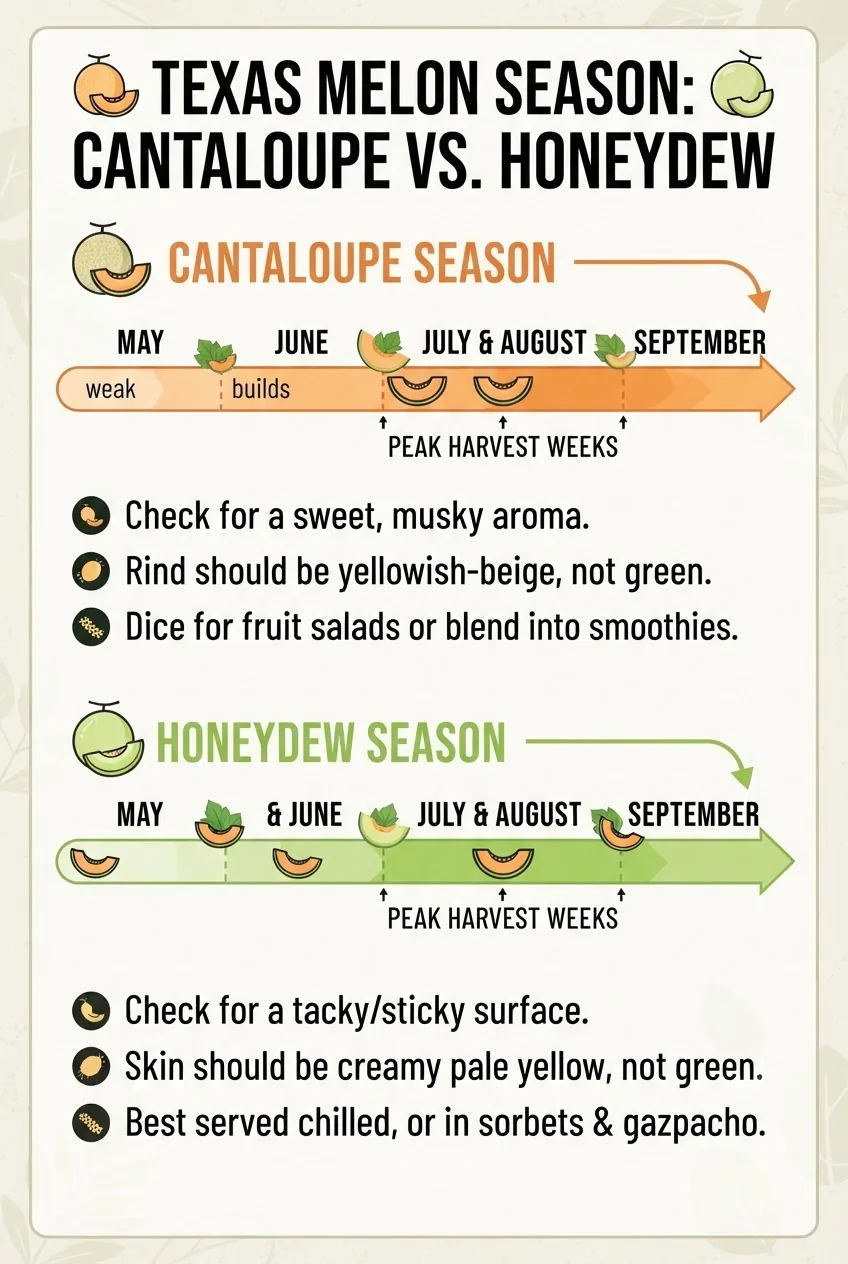
| Melon Type | Typical U.S. Season | Texas Peak Weeks | Flavor/Use Notes |
|---|---|---|---|
| Cantaloupe (netted muskmelon) | Late spring–early fall | June–August | Fragrant, ideal for fresh eating and salads |
| Honeydew | Summer to early fall | July–September | Sweeter, smoother rind; great for desserts and smoothies |
| Other melons (Galia, Canary) | Early summer–fall | June–September | Varied textures; some aromatic, others crisp |
Comparative notes:
- Cultivar choice affects timing: some cantaloupes are bred for earlier maturity; some honeydews are mid-season varieties.
- Honeydew ripeness cues differ: honeydew lacks heavy netting and relies on waxy ground color and slight softness at the blossom end plus a subtle sweet aroma.
- Market overlap: Expect both cantaloupe and honeydew at markets from July; cantaloupe availability often leads by a few weeks in Texas.
To clarify classification questions readers sometimes have about produce categories and seasonal overlaps, see the green beans fruit or vegetable guide and for related fruit guides see the avocado fruit guide. For contrasts with autumn produce cycles, consult the fall fruits seasonal guide.
Scientific context: ripening physiology differs across melon types; research into sugar accumulation and volatile aromatic compounds indicates honeydew tends to accumulate sugars over a longer maturation window, which is one reason its peak can lag behind cantaloupe (see a peer-reviewed study on melon ripeness and flavor formation via PubMed).
Transition: After picking or buying ripe melons, proper storage and use preserve quality—learn best practices next.
How to Store and Use Cantaloupes After Harvest
Answer: Store whole ripe cantaloupes at 36–41°F (2–5°C) in refrigeration for up to 7–10 days; once cut, keep pieces refrigerated in airtight containers and use within 3–4 days. For underripe melons, store at room temperature until fragrant, then refrigerate.
Term: post-harvest handling — the set of practices used after harvest to preserve fruit quality, including cooling, cleaning, packaging, and storage.
Do’s and don’ts for storage and usage:
- Do refrigerate whole ripe fruit at 36–41°F to slow decay and preserve sugars.
- Do wash the rind immediately before cutting to reduce the transfer of bacteria from rind to flesh.
- Don’t store cut cantaloupe at room temperature — bacterial growth speeds up rapidly once flesh is exposed.
- Do wrap cut pieces tightly in plastic or store in sealed containers to prevent dehydration and flavor loss.
- Don’t stack heavy items on top of stored cantaloupes — bruises accelerate spoilage.
Usage suggestions:
- Fresh eating: serve chilled slices or cubes simply to showcase aroma and texture.
- Salads: pair cantaloupe with prosciutto, cucumber, or greens for contrast.
- Smoothies & salsas: blend ripe cantaloupe with citrus and mint for bright, summer drinks.
- Preserving: quick pickles or chutneys can repurpose slightly overripe pieces.
For broader produce storage context and diet integration tips, see the are vegetables bad for you guide and complementary fruit guides like the best fruits for weight loss guide.
Storage disclaimer: chilling injury risk is low for cantaloupe at typical refrigeration temps but very prolonged storage can reduce aroma; according to a 2024 post-harvest industry bulletin, moving cantaloupes quickly into cool conditions after harvest preserves sugar and volatile profiles best.
Transition: Knowing when and how to store helps — next, where to find the best local cantaloupes in Texas.
Where to Buy Cantaloupes in Season in Texas
Answer: Buy cantaloupes in Texas at farmers markets, roadside stands, and local grocers from late May through September; farmers markets in major metro areas see peak supply in June–August and are the best source for freshly harvested, locally-ripened fruit.
Practical buying tips:
- Visit farmers markets on market opening days (often early morning) during peak weeks to find same-day harvest fruit.
- Ask vendors about harvest date — truly local, field-picked cantaloupes will often be harvested within 24–48 hours of sale.
- Prefer vendors who display harvest batch dates or use chilled crates rather than imported boxed fruit.
Key regional markets and timing (examples):
- Austin-area farmers markets: strong local cantaloupe supply June–July; small farms often bring early and main-season lots.
- Houston and Dallas markets: larger wholesale flows support steady availability June–August; look for vendor signage indicating origin.
- Smaller East Texas markets: may have a narrower window, often July peak.
For readers expanding beyond fruit, see the vegetables name guide to pair local produce choices and seasonality.
Buying caveat: commercial grocery chains may source from out-of-state or imported supplies outside Texas peak; prefer vendor transparency and local labeling for freshest taste. According to a 2022 USDA market report, consumer flavor satisfaction correlates strongly with local same-day-harvest availability.
Transition: Wrap up key practical points and answer common quick questions about season and harvest timing.
FAQs About Cantaloupe Season and Harvesting
Below are concise answers to frequently asked cantaloupe season and harvesting questions.