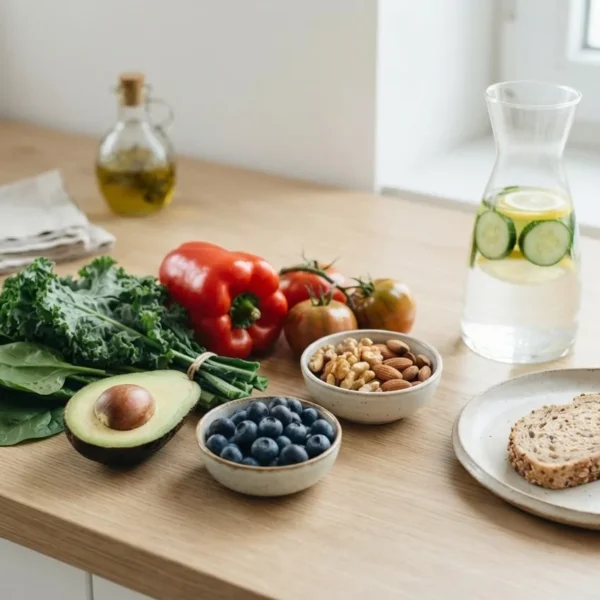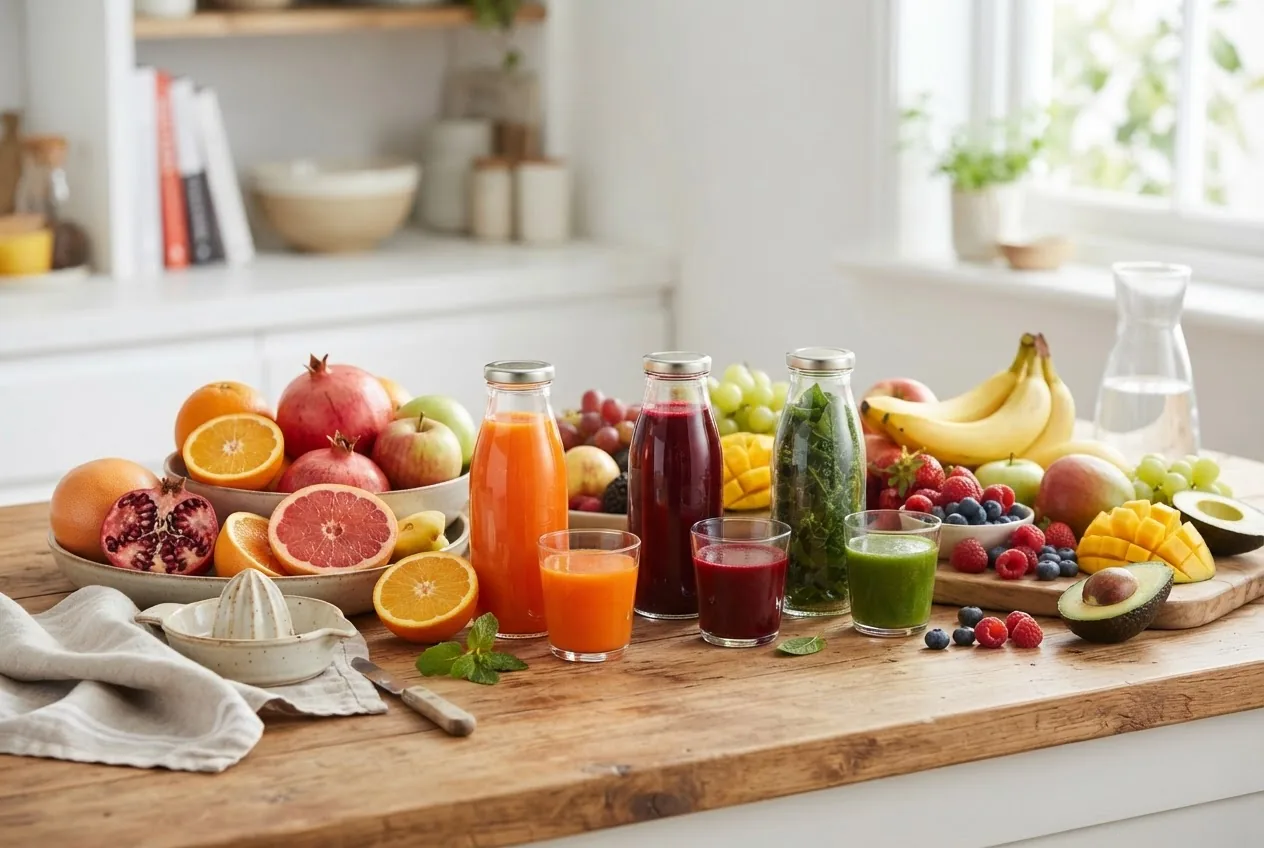
Fruits and juice each supply important vitamins, minerals, hydration and antioxidants; whole fruits also provide fiber while juices deliver concentrated sugars and fluids. This guide explains nutrition, health benefits, preparation methods, serving recommendations, and Texas seasonality so you can balance whole fruit and juice for optimal health and blood sugar control.
Introduction to Fruits and Juice?
Answer: Fruits are edible plant parts rich in vitamins, minerals and fiber; fruit juice is the liquid extracted from fruits carrying water‑soluble nutrients and sugars but usually less fiber. This section defines fruit juice, contrasts whole fruit vs juice, and gives an overview of why they matter for hydration and nutrition.
Term: Fruit juice — liquid obtained from pressing or blending fruits; may be fresh, pasteurized, or processed.
Whole fruits are intact edible structures (flesh, skin, seeds) that deliver fiber, slow-release sugars and phytonutrients. Fruit juices concentrate water-soluble vitamins (for example vitamin C) but often lose insoluble fiber and some beneficial plant structure. Hydration benefits from juices come from their water content plus electrolytes like potassium in some juices.
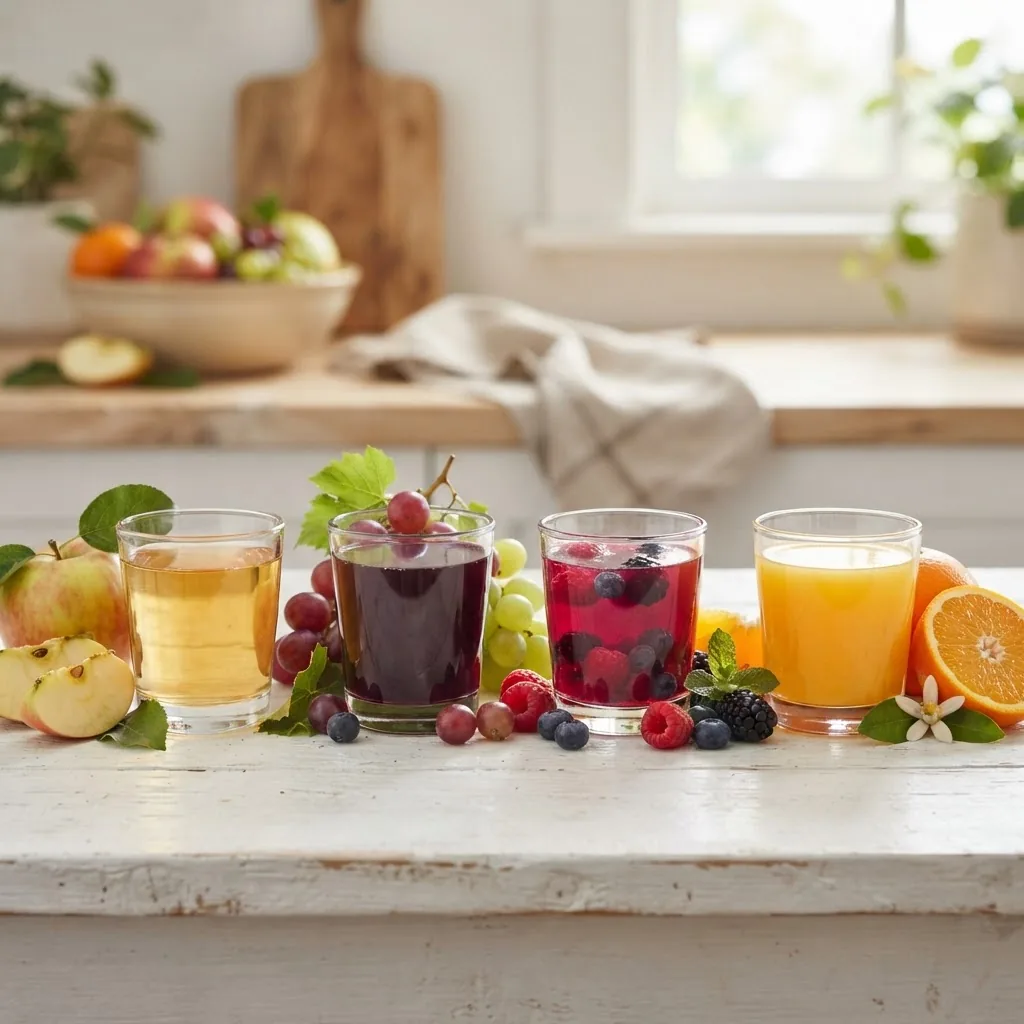
Common fruit juices include orange, apple, grape and mixed berry blends; each varies in vitamin C, potassium and natural sugar. When thinking about fruits and juice, remember that the context of a meal, serving size and preparation method determine net health effects.
Fruit Types Guide with Benefits and Nutritional Information is a comprehensive pillar for readers who want deeper fruit-by-fruit data.
To clarify botanical vs culinary classification, see the green beans fruit or vegetable differences discussion for examples where classification affects preparation and juice potential.
Transition: The next section compares nutrition in whole fruits and fruit juices in detail, with a compact comparison table and practical context.
Nutritional Comparison: Whole Fruits vs Fruit Juices?
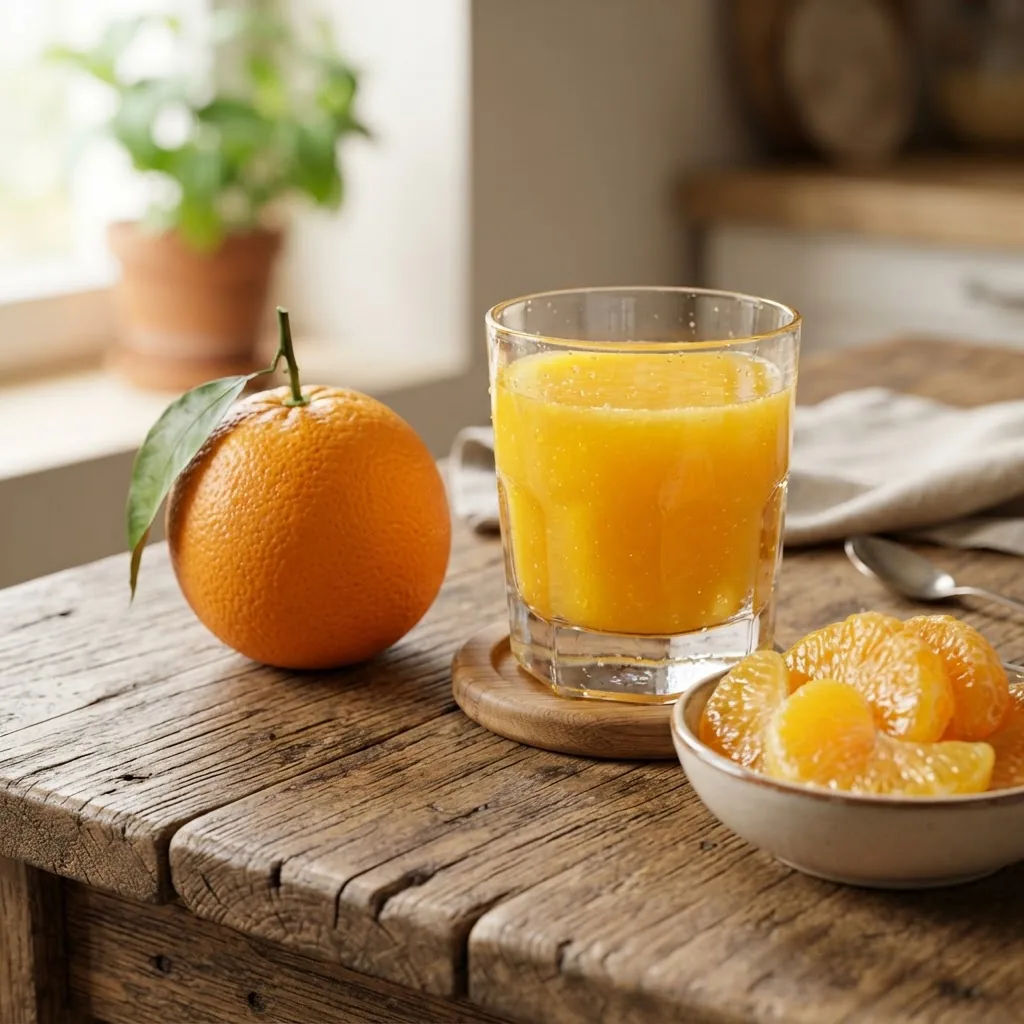
Answer: Whole fruits generally provide fiber, lower glycemic impact and more chewing-related satiety; fruit juices deliver similar vitamins and antioxidants per serving but concentrate sugars and calories and remove most fiber, raising glycemic index and reducing fullness.
Term: Glycemic index (GI) — a numeric scale (0–100) that ranks carbohydrate-containing foods by how much they raise blood glucose compared with pure glucose.
| Nutrient/Feature | Whole Fruit (per typical serving) | Fruit Juice (per typical 8 fl oz) |
|---|---|---|
| Fiber | 2–5 g (fruit skin and pulp) | <1 g (most removed) |
| Calories | ~50–100 kcal depending on fruit | ~100–150 kcal per 8 fl oz |
| Sugar (natural) | 10–20 g (slower absorption) | 20–35 g (faster absorption) |
| Vitamin C | High in citrus and berries | Often retained if fresh/pasteurized |
| Antioxidants & Phytochemicals | Present in skin/pulp (higher content) | Present but can vary with processing |
| Glycemic Impact | Lower GI due to fiber | Higher GI; larger blood sugar effect |
Detailed explanation: When comparing whole fruits and juices, the principal nutritional differences are fiber content, caloric density per volume, sugar concentration and the effect on glycemic index. For example, one medium apple (~182 g) contains about 4.4 g fiber and ~95 kcal while 8 fl oz of apple juice often provides 110–120 kcal with <1 g fiber; USDA FoodData Central gives these values for precise planning (According to USDA FoodData Central, 2024 report).
For calorie-specific breakdowns and fruit-by-fruit kcal info, consult the calories in fruit guide which lists typical serving calories and macronutrient split for common fruits.
Comparison methodology: nutrition analysts typically compare per typical serving (one medium fruit vs 8 fl oz juice), check retained micronutrients after processing (pasteurization, cold-pressing), and assess GI impact using standardized tests — meta-analyses referenced later use these methods (see External Sources).
Transition: Understanding these nutritional contrasts helps explain the specific benefits fruits and fruit juices offer; the next section enumerates those benefits and the evidence behind them.
Key Benefits of Consuming Fruits and Fruit Juices?
Answer: Fruits and moderate fruit juice intake provide antioxidants, vitamins (notably vitamin C), potassium and hydration that support immune function, heart health, digestive regularity, and provide quick dietary energy; whole fruits add fiber for improved satiety and blood sugar moderation.
Term: Antioxidants — molecules that neutralize free radicals to reduce oxidative stress that can damage cells.
-
Immune system support (Vitamin C and zinc synergy)
Vitamin C-rich fruits (oranges, strawberries, kiwi) support immune cell function and skin barrier health. According to a 2022 nutritional review in a peer-reviewed journal, regular vitamin-C intake from fruit correlated with fewer respiratory infection days in observational studies.
-
Antioxidant and phytochemical protection
Berries, grapes and citrus supply flavonoids and polyphenols linked to lower markers of inflammation. A 2021 meta-analysis in nutrition journals found higher dietary polyphenol intake associated with reduced inflammatory biomarkers across varied populations.
-
Cardiovascular benefits (potassium and fiber)
Potassium in bananas, oranges and cantaloupe helps blood pressure regulation; soluble fiber from whole fruits lowers LDL cholesterol modestly. According to the American Heart Association guideline summary (2023), fruit-rich diets reduce cardiovascular risk factors when part of a balanced diet.
See heart guidance: American Heart Association for sodium-potassium balance recommendations (external reference).
-
Digestive health and regularity
Fiber (both soluble and insoluble) from whole fruits promotes bowel regularity and supports healthy microbiota. Think of fiber as a broom that sweeps the digestive tract: it adds bulk and slows absorption of sugars.
-
Hydration and electrolyte replacement
Water-dense fruits like watermelon and orange juice can help fluid balance; juice supplies quick fluid plus sugars and some electrolytes useful during mild dehydration. A 2020 hydration study in sports nutrition journals showed fruit-based beverages can be effective for rehydration when matched for osmolarity.
-
Energy and nutrient density for active lifestyles
Juices provide rapid glucose for recovery after intense exercise when whole-food options aren’t convenient; however, pairing juice with protein is ideal to support muscle repair.
-
Reduced disease risk when in whole-food patterns
Population studies link higher fruit intake (not excess juice alone) with lower risks of Type 2 diabetes and certain cancers. A 2022 cohort analysis found whole fruit intake predicted lower diabetes incidence, whereas high intake of sweetened fruit beverages did not (peer-reviewed cohort study).
For fruit examples with unique nutrient profiles, see avocado nutritional benefits.
Transition: Now that benefits are clear, the next section profiles common fruit juices with concise stat blocks so you can compare vitamin and mineral content quickly.
Common Types of Fruit Juices and Their Nutritional Profiles?
Answer: Orange, apple, grape and mixed berry juices are the most common; each has distinct vitamin and mineral strengths—orange juice is high in vitamin C and folate, apple juice supplies potassium and quick energy, grape juice has polyphenols, and berry blends offer antioxidants like anthocyanins.
Below are focused subsections for each common juice type with concise stat blocks summarizing typical 8 fl oz (240 ml) values; values reference USDA FoodData Central averages (According to USDA FoodData Central, 2024 dataset) and peer-reviewed nutrient retention studies where noted.
Orange Juice
Quick stat block (8 fl oz / 240 ml):
- Calories: ~110 kcal
- Vitamin C: ~90–120 mg (approaches or exceeds daily value)
- Potassium: ~450 mg
- Fiber: <1 g
- Glycemic index: ~50–60 (varies)
Notes: Fresh-squeezed retains most vitamin C if consumed quickly; pasteurization reduces some heat-sensitive nutrients but increases shelf stability (According to a 2021 food processing review).
Apple Juice
Quick stat block (8 fl oz / 240 ml):
- Calories: ~115–120 kcal
- Vitamin C: ~0–5 mg (varies by fortification)
- Potassium: ~250–300 mg
- Fiber: <1 g
- Glycemic index: ~40–50 (clearer juice can be higher)
Notes: Apple juice is energy-dense and low in fiber; cloudy apple juice retains slightly more polyphenols than clear filtered juice (2020 phytochemical analysis).
Grape Juice
Quick stat block (8 fl oz / 240 ml):
- Calories: ~150 kcal
- Vitamin C: ~10 mg
- Potassium: ~300–400 mg
- Fiber: <1 g
- Polyphenols: higher than many juices (resveratrol content varies)
Notes: Concord grape juice provides concentrated polyphenols; some studies associate grape juice polyphenols with improved endothelial function in short-term trials (peer-reviewed randomized trials, 2019–2022).
Berry Juices (Strawberry, Blueberry, Mixed Berries)
Quick stat block (8 fl oz / 240 ml):
- Calories: ~100–140 kcal
- Vitamin C: variable, often 20–50 mg
- Potassium: ~200–300 mg
- Fiber: <1 g (unless smoothie style)
- Antioxidants: high in anthocyanins and flavonoids
Notes: Berry juices and blends offer strong antioxidant capacity; commercial blends vary widely by fruit concentration and added sugars.
Other juices (Pineapple, Cranberry, Tomato)
- Pineapple: high in vitamin C and bromelain (enzyme).
- Cranberry: low in sugar but often tart; evidence for urinary tract health at specific doses (2020 meta-analyses).
- Tomato juice: source of potassium, lycopene and savory juice options for low-sugar needs.
Transition: Knowing nutrition helps choose healthy options; next we compare store-bought vs freshly made juices including cold-pressed options and practical tips.
How to Choose Healthy Fruit Juices: Store-Bought vs Freshly Made?
Answer: Choose freshly made or 100% single-fruit juices without added sugars, opt for pasteurized or cold-pressed varieties depending on safety and nutrient priorities, and prefer organic when pesticide concerns are high; read labels to avoid syrups, concentrates and preservatives.
Term: Cold-pressed juice — juice extracted by hydraulic press that minimizes heat exposure, often retaining more heat-sensitive nutrients but with similar sugar concentration as other juices.
| Option | Pros | Cons |
|---|---|---|
| Freshly made at home | Maximal control, minimal additives, ability to retain pulp | Short shelf life, prep time, potential nutrient loss if stored |
| Cold-pressed (store) | Often higher retained vitamin C, premium quality | Costly, still high in sugars, may be unpasteurized (safety issues) |
| Pasteurized store-bought | Longer shelf life, regulated safety | Some heat-sensitive nutrients reduced; check for added sugars |
| From concentrate | Convenient, often fortified | Processing can reduce flavor/phytonutrients; often reconstituted with water and sweeteners |
Practical tips:
- Read labels: look for “100% juice” and no added sugars—avoid sweetened juice drinks that list sugar or high-fructose corn syrup.
- Prefer whole-fruit smoothies over strained juices when you want fiber; use a blender to keep pulp.
- When buying cold-pressed, confirm refrigeration and “use-by” dates; cold-pressed unpasteurized products can carry microbial risks for vulnerable people.
- For produce selection, follow fresh fruits and veggies selection tips to prioritize ripe, low-pesticide options for juicing.
- Consider fortification and portion control: 4–6 fl oz servings for children or as part of a meal; adults usually should limit juice to one small glass per day unless combined with an active rehydration plan.
Transition: While juices can be healthy when chosen carefully, excessive consumption poses measurable risks — see the next section for evidence-based cautions and stats.
Potential Risks of Excessive Fruit Juice Consumption?
Answer: Drinking too much fruit juice increases sugar and calorie intake, raises risk of dental erosion, can cause blood sugar spikes especially in people with impaired glucose tolerance, and may reduce appetite for fiber-rich whole foods.
Term: Added sugars — sugars added during processing or preparation beyond the naturally occurring sugars in whole foods.
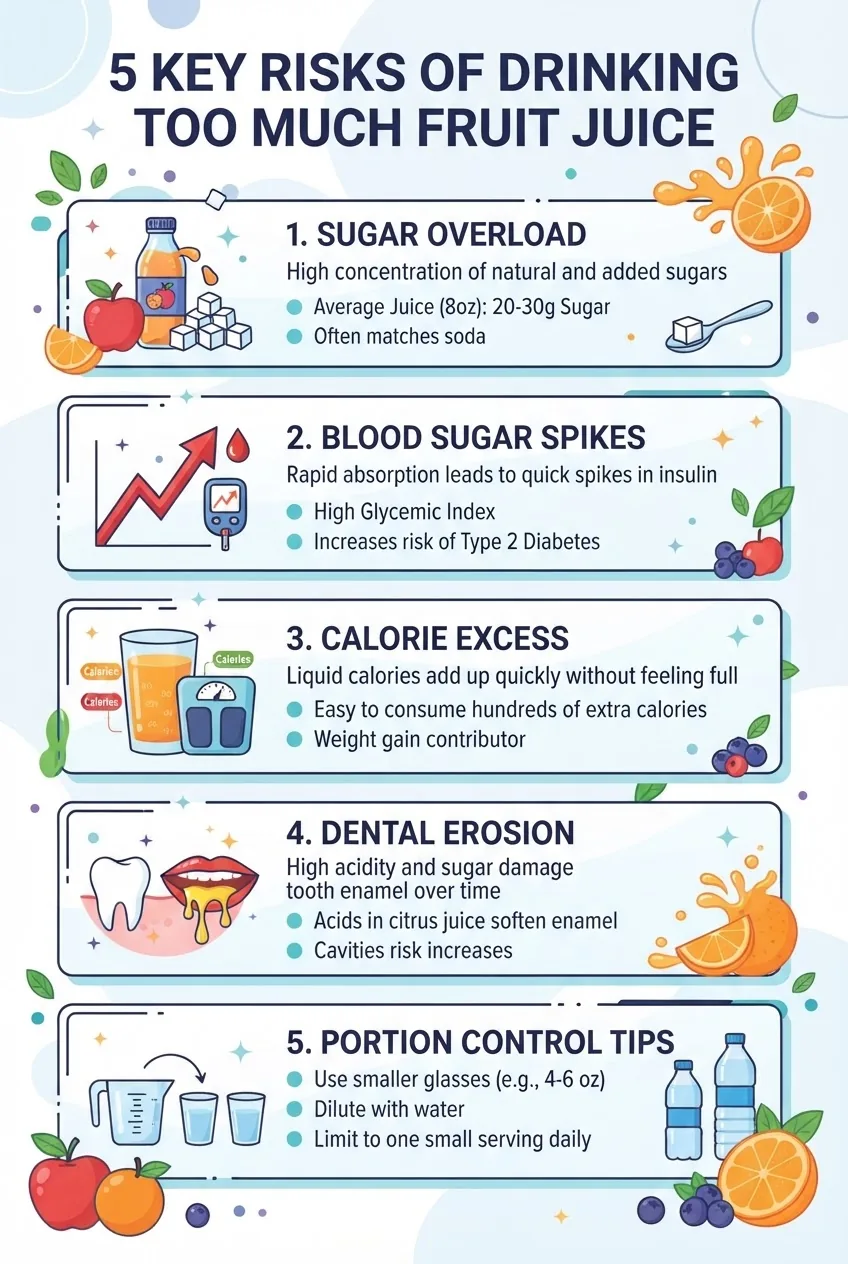
Example cautionary stats:
- Consuming 12 fl oz (360 ml) of typical orange juice adds ~150 kcal and ~30 g sugar to a day (According to USDA FoodData Central, 2024 dataset).
- Frequent consumption of >1 serving/day of sugary fruit beverages was associated with a higher risk of dental caries in a 2020 dental journal review.
- American Heart Association recommends limiting added sugars to <25 g/day for women and <36 g/day for men (AHA guidance, 2023), and fruit juice sugars count toward that total.
Blood sugar example: a person drinking 8 fl oz of apple juice can experience a faster rise in blood glucose compared to eating a whole apple due to low fiber; a small randomized crossover study (2021) measured postprandial glucose area-under-curve increases roughly 20–30% higher after juice versus whole fruit in healthy adults.
Dental risk: prolonged contact of sugar-acid juices with enamel accelerates erosion; sipping juice over hours increases exposure versus consuming it with a meal.
Calorie density and weight: repeated substitution of water or whole fruits with calorie-dense juices can increase daily caloric intake and undermine weight management efforts; population studies (2022 cohort data) link high sweet beverage intake with weight gain over time.
Transition: The following section gives practical, evidence-based steps to include fruits and juices in a balanced diet while minimizing risks.
Practical Tips for Including Fruits and Juice in a Balanced Diet?
Answer: Prioritize whole fruits for fiber and satiety, limit juice to 4–6 fl oz per serving (up to one small glass day), pair juice with protein or fat to reduce glycemic impact, and choose fresh or 100% juice without added sugars.
Recommended daily servings (general adult guidance):
- Whole fruit: 2–4 servings/day (one serving = 1 medium fruit or 1 cup fresh berries)
- Fruit juice: 4–6 fl oz (120–180 ml) per day maximum for most adults when consumed; children should have smaller portions (American Heart Association and dietary guidance summarized, 2023–2024)
are vegetables bad for you? can reassure readers that including a wide range of fruits and vegetables supports balance rather than exclusion.
- Serve whole fruit before or with meals: Eating fruit with a meal slows sugar absorption and increases fullness.
- Limit juice portions: Use a measuring cup—keep to 4–6 fl oz unless a specific rehydration need applies.
- Pair juice with protein or fat: Combine juice with yogurt, nuts, or cheese to blunt glucose spikes.
- Prefer smoothies when fiber matters: Blending whole fruit keeps fiber and is preferable to strained juice.
- Time juices around activity: Use small juice servings post-exercise for quick carbs and electrolytes rather than as a routine beverage.
- Watch added sugars: Avoid juice cocktails and fruit-flavored drinks that add cane sugar or syrups.
- Use fruit as dessert: Replace sugary desserts with baked or fresh fruit to reduce processed sugar intake.
- Special populations: Diabetics, pregnant people and those with metabolic syndrome should consult a clinician—see guidance below under risks and links to authoritative sources.
best fruits for weight loss offers fruit choices when weight management is a priority.
Transition: Local availability affects what fruits and juices you’ll use; the next section outlines seasonality and Texas-specific options to help plan purchases and home juicing.
Fruits and Juice Availability and Seasonal Considerations in Texas?
Answer: Texas offers a seasonal mix—citrus (southern parts, winter), peaches (summer), berries (spring/summer), melons (summer) and figs (late summer); seasonal selection improves flavor, nutrient density and local sustainability while reducing cost.
Seasonal fruit list table for Texas (approximate harvest windows):
| Fruit | Best Season in Texas | Juicing Notes |
|---|---|---|
| Citrus (Texas Gulf Coast & Rio Grande) | December–February | Peak vitamin C, ideal for fresh-squeezed juice |
| Peaches | May–August | Sweet, blend with water for thicker juice or smoothies |
| Berries (strawberry, blueberry) | March–June (varies) | High antioxidants; often used in blends |
| Melons (watermelon, cantaloupe) | June–September | Excellent for hydration; low fiber after juicing |
| Figs | July–September | Best blended into smoothies, very sweet |
Practical Texas shopping tips: buy peak-season fruit at farmers’ markets for better taste and nutrient density; prioritize local farms to reduce transport time and nutrient decline. For complementary vegetable planning, consult the 100 Vegetables Name Guide when designing fruit-and-veg-based juices and smoothies.
Transition: The final summary emphasizes balancing whole fruits and juice choices for sustained health outcomes and provides a clear call to action.
Conclusion: Balancing Fruits and Juice for Optimal Health?
Answer: Use whole fruits as your primary source for fiber and satiety, reserve small measured servings of 100% fruit juice for hydration or convenience, and vary fruit types seasonally to maximize vitamins, antioxidants and flavor; consult health professionals for personalized advice.
Summary takeaways: prioritize whole fruits, limit juice portions to 4–6 fl oz daily, choose fresh or 100% juice without added sugars, pair juices with protein or fat, and select seasonal Texas fruits when possible to maximize nutrition and value.
CTA: Try swapping one daily juice serving for a whole fruit and notice effects on fullness and blood sugar; for detailed fruit-by-fruit nutrient breakdown see the Fruit Types Guide with Benefits and Nutritional Information.