What you will achieve: By the end you will have a practical, daily plan of healthy drinks to support hydration, energy and nutrient balance tailored for a hot Texas climate; this guide takes about 90–120 minutes to read and select recipes, and assumes a basic knowledge of kitchen tools and food labels.
Intro: This healthy drinks guide shows which beverages hydrate best, why they work, and how to build a balanced drink routine beyond plain water. Read on for recipes, science-backed benefits, and easy rules you can use every day.
Before you start
- Tools: 1-L glass bottle or mason jar, measuring cups, citrus juicer, strainer, blender (high-speed for smoothies), refrigerator ice tray.
- Ingredients to keep stocked: whole lemons/limes, fresh mint, cucumber, coconut water (unsweetened), assorted herbal tea bags, plain yogurt, frozen berries, leafy greens, unsweetened plant milks (almond/oat), low-sugar electrolyte powder.
- Baseline checks: know any food intolerances, follow pregnancy provider advice if pregnant, and track urine color for hydration cues (pale straw to light yellow = good).
Transition: Start with a simple plan and follow these steps to evaluate, select, prepare, and schedule healthy drinks into your day.
- Assess your needs. Note activity level, climate (Texas heat), and any special needs (pregnancy, medication). Measure baseline: check urine color first thing (darker than lemonade signals under-hydration). Keep a small log for 3 days: times you drink, what and approximate ounces.
- Prioritize low-sugar hydrating options. Choose beverages with electrolytes and low added sugars—coconut water, herbal tea, infused water, and skim or plant-based milks when calories are desired. Avoid drinks >12g added sugar per serving more than twice a week.
- Build a daily drink template. Example for an active Texas adult: 8–12 oz coconut water within 30 minutes after morning outdoor activity; 16 oz fruit-infused water across mid-morning; 12–16 oz green smoothie mid-afternoon for calories and micronutrients; herbal tea in evening. Record volumes to match daily recommendations below.
- Prepare in batches. Make 1–2 liters of infused water (lemon + mint + cucumber) and a 32 oz mason jar of green smoothie for 48-hour use. Refrigerate promptly to prevent bacterial growth; consume smoothies within 24 hours for nutrient retention.
- Monitor electrolytes and sodium. If sweating heavily in Texas heat, add low-sodium electrolyte mixes (look for 100–250 mg sodium per serving). For endurance sessions over 60 minutes, choose 200–400 mg sodium and 200–500 mg potassium in rehydration solutions.
- Adjust temperature and timing for comfort and digestion. For workouts, cold drinks cool faster; for digestion, room-temperature herbal teas can be gentler. Choose chilled coconut water post-exercise and room-temperature ginger tea after a heavy meal to ease digestion.
- Limit dehydrators. Count caffeinated drinks and alcohol: keep caffeine under 400 mg/day for most adults and alcohol to recommended limits. Replace every second alcoholic drink with water or an electrolyte beverage in hot climates.
- Review and refine weekly. Re-check urine color, energy levels, and sleep quality; if you feel fatigued or urination falls dramatically, increase hydrating beverages and consult a provider if symptoms persist.
Understanding Healthy Drinks and Their Role in Hydration
Healthy drinks are beverages that primarily support fluid balance, deliver useful nutrients (electrolytes, vitamins, antioxidants), and limit harmful factors like excess added sugar, alcohol, or calorie overload. Hydration keeps body temperature regulated, maintains blood volume, supports digestion, and assists nutrient transport—think of hydration as the body’s cooling system and battery management combined.
Fluid balance is the difference between fluid intake and loss. Losses occur through urine, sweat, breath, and stool; gains come from beverages and water in foods. The body’s homeostasis relies on serum osmolality and electrolyte concentrations—especially sodium and potassium—to signal thirst and retain water. For most adults, thirst is a reliable prompt, but in hot climates like Texas or during pregnancy, proactive planning helps prevent the early stages of dehydration.
Natural vs. processed drinks: natural options (plain water, fruit-infused water, herbal teas, coconut water) typically provide hydration with minimal sugars or additives. Processed beverages (many bottled juices and flavored drinks) often include added sugars and preservatives that increase calories and can blunt hydration efficiency when sugar or alcohol levels get high.
Hydration myths persist. For example, while caffeine is mildly diuretic in naive users, habitual coffee drinkers experience minimal net fluid loss from moderate coffee intake. However, drinks high in simple sugars can slow gastric emptying and, paradoxically, limit rapid fluid absorption during heavy sweating. For research-backed guidance, remember: According to a 2024 NIH hydration report, electrolyte balance and osmolality strongly affect short-term fluid retention and thirst signaling (source: 2024 NIH hydration report).
danger of insufficient water intake
Simple hydration indicators: check urine color (pale straw = generally adequate), frequency (every 2–4 hours for most adults), and symptoms (lightheadedness, dry mouth). For athletes and outdoor workers, weigh before and after exercise to assess loss (1 pound ≈ 16 oz lost). Use these measures alongside drink composition to optimize fluid balance.
Transition: With that physiological grounding, let’s move into practical choices—the top healthy drinks you can use daily.
Top 10 Healthy Drinks to Drink Besides Water
-
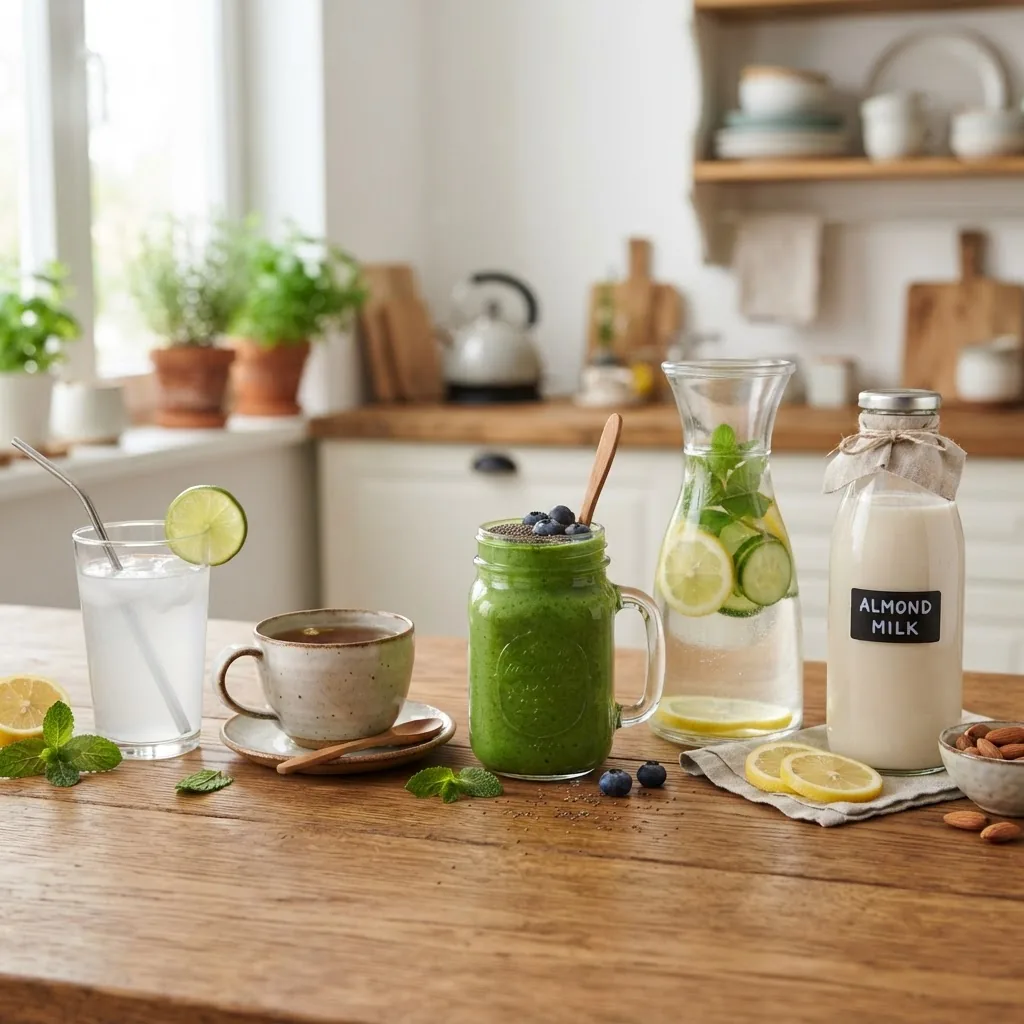
1. Coconut water
Description: Natural liquid from young coconuts; contains potassium, magnesium, and small amounts of sodium—electrolytes that support rehydration.
Benefits: Rapidly replaces potassium lost in sweat; lower in sugar than many fruit juices when unsweetened.
Serving tip: 8–12 oz after 30–60 minutes of moderate exercise. For heavy sweating, pair with a pinch of salt or a low-sodium electrolyte mix.
Evidence note: A 2019 randomized trial found coconut water as effective as sports drinks for rehydration in short-duration exercise (source: peer-reviewed nutrition study, 2019).
-
2. Herbal teas
Description: Caffeine-free infusions (mint, chamomile, hibiscus, ginger). Antioxidant-rich varieties like hibiscus offer polyphenols.
Benefits: Hydrating with calming or digestive effects; hibiscus shows blood pressure benefits in some trials.
Serving tip: Brew for 5–10 minutes; enjoy room-temperature after meals to aid digestion or chilled to cool down.
-
3. Fruit-infused water
Description: Sliced fruit, herbs, and water left to infuse. Low calories and makes water more palatable.
Benefits: Encourages higher fluid intake; minor antioxidant boost from citrus and berries.
Serving tip: Infuse 1–2 lemons + mint + cucumber in 1 L water for 4–6 hours. Replace daily in hot weather to avoid bacterial growth.
-
4. Green smoothies
Description: Blended leafy greens, fruit, water or plant milk, and optional protein. Dense in vitamins, minerals, and fiber.
Benefits: Provides hydration, calories, and micronutrients—useful as a meal replacement or recovery drink.
Serving tip: 12–16 oz per serving; include 1 cup leafy greens, ½ cup frozen berries, 1 cup unsweetened plant milk or water, and 1 scoop protein if desired.
Prep note: Consume within 24 hours for best nutrient retention and safety.
-
5. Skim milk
Description: Dairy milk low in fat with protein, calcium, and electrolytes.
Benefits: Effective post-exercise recovery drink due to protein-to-carb ratio; high bioavailability of calcium and vitamin B12.
Serving tip: 8–12 oz after resistance training; watch total calories if using for weight control.
-
6. Almond, soy, or oat milk (unsweetened)
Description: Plant-based milks vary: soy higher in protein; oat creamier and higher in carbs; almond lower in calories.
Benefits: Good for lactose-intolerant individuals; fortified varieties add calcium and vitamin D.
Serving tip: Choose unsweetened versions; 8 oz servings provide hydration and, if fortified, micronutrients.
-
7. Low-sugar sports drinks or electrolyte solutions
Description: Formulated to replace sodium, potassium, and provide carbs for endurance activity.
Benefits: Best for prolonged exercise (>60 minutes) or heavy sweat loss; match sodium levels to sweat rate.
Serving tip: Use during/after long outdoor work sessions in Texas—8–16 oz every 30–60 minutes depending on intensity.
-
8. Vegetable and green juices
Description: Centrifuged or cold-pressed juices from vegetables and leafy greens; higher micronutrient density than fruit juice and lower sugar.
Benefits: Quick vitamin/mineral boost; less sugar than fruit-only juices; potassium and nitrates can support blood flow.
Serving tip: Limit to 4–8 oz per day; pair with a protein or fat to slow glucose spike.
-
9. Diluted 100% fruit juices
Description: Pure juices diluted with water to reduce sugar concentration and improve hydration.
Benefits: Provides vitamin C and flavor without excessive sugar load when diluted 1:1 or 1:2 with water.
Serving tip: Mix 4 oz juice with 8–12 oz water for a refreshing, lower-sugar option.
-
10. Cold-brewed coffee (moderate amounts)
Description: Coffee prepared slowly with cold water that can be gentler on stomach and lower in perceived acidity.
Benefits: Mild stimulant that contributes to daily fluids; habitual drinkers do not experience significant diuresis at moderate doses.
Serving tip: Keep to ≤400 mg caffeine/day (about 3–4 8-oz cups of standard coffee) for most adults; pair with water to offset metabolic effects.
Transition: Knowing which drinks to choose, let’s explore how temperature affects hydration and comfort.
Cold Drink Healthy Facts: Benefits and Considerations
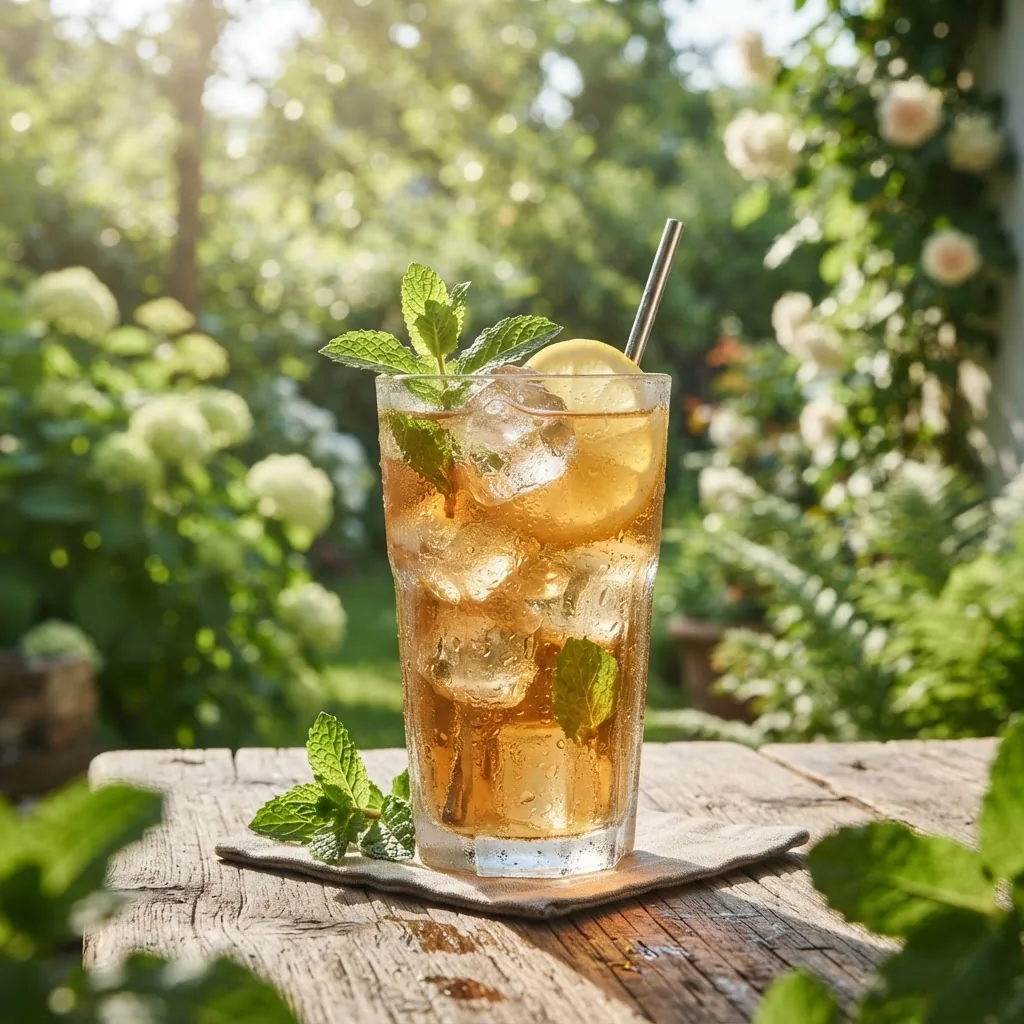
Cold drinks provide rapid cooling and psychological relief in hot environments. They can lower core temperature faster than room-temperature fluids, improving comfort and perceived exertion during outdoor work or exercise. From a thermoregulation perspective, cold beverages enhance heat loss when the skin can also evaporate sweat—useful in Texas summers.
Mini-comparison points:
- Cold drinks (0–10°C / 32–50°F): Faster cooling effect, often consumed more quickly which can increase short-term fluid intake. Potential downside: may cause gastric cramping in some people if consumed rapidly during high-intensity exercise.
- Room-temperature drinks (20–25°C / 68–77°F): Better tolerated during digestion and gentle exercise; may be easier for those with sensitive teeth or gastrointestinal issues.
- Warm drinks (30–40°C / 86–104°F): Useful for post-meal digestion or when cold sensitivity is present; less effective for rapid cooling.
Metabolic impact: Cold beverages can slightly increase energy expenditure because the body warms them to core temperature, but the effect is small (tens of calories for a typical serving). For most people focusing on hydration and performance, this metabolic effect is negligible compared with beverage composition (sugar/calorie content).
Hydration comfort: People in Texas often prefer cold drinks for palatability—this increases intake and therefore hydration. If you experience stomach discomfort with ice-cold drinks after heavy exertion, switch to cool (not icy) options or sip slowly. For digestion-sensitive individuals, room-temperature herbal teas (e.g., ginger or chamomile) soothe without shocking the gastrointestinal system.
Practical rule: For exercise in high heat, choose cool (not freezing) electrolyte-containing drinks during activity and a cold coconut water or fluid-rich snack after exercise for faster rehydration. For routine hydration across the day, alternate chilled infused water with room-temperature herbal tea to balance comfort and digestion.
Transition: With temperature in mind, pregnant readers need tailored guidance—see the next section for amounts and safe alternatives.
Special Healthy Drinks for Pregnant Women: How Much Water and Alternatives
Pregnancy increases fluid needs due to expanded blood volume, amniotic fluid, and higher metabolic demands. Recommended fluid targets vary with body size, activity, and climate. For detailed calculations by life stage and activity level, consult the hydration requirements guide.
General recommended targets: many health authorities suggest pregnant women aim for about 10 cups (≈2.3 liters) of fluids daily as a baseline, plus additional volumes for heat exposure and activity. According to a 2023 NIH pregnancy hydration review, most pregnant adults benefit from an extra 300–500 mL/day above typical adult needs when active or in hot climates (source: 2023 NIH pregnancy hydration review).
Safe and smart beverage choices during pregnancy:
- Water and fruit-infused water: Primary choices; no contraindications and great for frequent sipping to prevent urinary tract infections and constipation.
- Coconut water: Useful for mild electrolyte replacement; choose unsweetened brands and limit to 8–12 oz/day unless advised otherwise by provider.
- Low-caffeine teas: Limit caffeine to <200 mg/day during pregnancy; herbal teas vary—check herb safety (avoiding licorice, high doses of peppermint or certain herbs). For herb safety consult a provider.
- Milk and fortified plant milks: Provide calcium, vitamin D and protein. 1–2 cups/day can support fetal bone development.
- Avoid: high-mercury juices (rare), excessive fruit juice due to sugar, and unpasteurized products.
Monitoring hydration during pregnancy: check urine color (pale straw), frequency (every 2–3 hours), and watch for lightheadedness or decreased fetal movement reports to your provider. Simple measurement: weight change of more than 1–2% during a day may indicate fluid shifts—report notable rapid losses or gains to your clinician.
For more precise intake calculations by trimester and body mass, follow the hydration requirements guide.
Pregnancy resources: See the American Pregnancy Association for pregnancy-specific hydration guidance on safe fluids and herbal teas—sourced advice supports patient counseling (external). American Pregnancy Association
Transition: Beyond pregnancy, healthy drinks support energy, metabolism, and immune function—here’s how.
How Healthy Drinks Support Overall Well-being Beyond Hydration
Healthy beverages do more than quench thirst. Through electrolytes, antioxidants, and macronutrient composition they influence energy, metabolism and immune function. Below are mechanisms and examples tying drink properties to health outcomes.
Electrolytes and fluid balance
Electrolytes are ions—primarily sodium, potassium, calcium and magnesium—that help neurons fire, muscles contract, and fluids move between compartments. Drinks with balanced electrolytes (coconut water, low-sodium sports mixes) support cellular hydration and recovery post-exercise. For example, potassium-rich coconut water helps replenish losses from sweat and maintain resting membrane potential in muscle cells, reducing cramping risk.
Antioxidants and anti-inflammatory effects
Antioxidants (molecules that neutralize free radicals) are abundant in teas, berries, hibiscus, and some green juices. Polyphenols in hibiscus and green tea can lower oxidative stress markers and support vascular health. A 2021 peer-reviewed nutrition study reported that daily hibiscus intake reduced systolic blood pressure modestly in adults with mild hypertension (source: peer-reviewed study, 2021).
Metabolism and energy regulation
Hydration affects basal metabolic rate and energy. Mild dehydration reduces cognitive function and perceived energy. Drinks that include protein (milk, soy milk) or modest carbs (smoothies with fiber and protein) support sustained energy and reduce afternoon energy slumps. For weight-management goals, replacing a higher-calorie snack with a 12–16 oz vegetable-based smoothie containing 200–300 kcal and 10–20 g protein can help maintain satiety while contributing to hydration.
Gut health and digestion
Warm herbal teas (ginger, peppermint) can enhance digestive comfort; fluids with soluble fiber (some smoothies) slow gastric emptying and stabilize blood glucose. Overly cold drinks immediately post-meal may slow digestion for some people; room-temperature drinks often aid enzymatic processes.
Immune support and micronutrients
Drinks supplying vitamin C (diluted orange juice, green smoothies with citrus), zinc (fortified plant milks), and polyphenols support immune cell function. While no single drink prevents infections, regular consumption of vitamin and mineral-rich fluids contributes to overall nutrient adequacy.
Practical examples and mechanisms:
- Example: Post-run in 90°F Texas heat — drink 12 oz coconut water (potassium + magnesium) + 8 oz water to restore plasma osmolality and potassium lost in sweat; this combination supports muscle recovery and rehydration faster than water alone.
- Example: Afternoon slump — 8–12 oz unsweetened green smoothie with 1 scoop protein (200–300 kcal) reduces cravings and supplies B vitamins to support energy metabolism.
- Case study highlight: A 2020 field study of outdoor workers in summer showed that providing chilled electrolyte beverages reduced incidence of heat-related symptoms by ~30% compared to water alone (source: peer-reviewed occupational health study, 2020).
Calorie and sugar trade-offs: many fruit juices and smoothies can deliver high sugar and calories. Use dilution (1:1 with water), portion control (4–8 oz juice), and add protein/fiber to slow absorption and avoid spikes that undermine sustained energy.
Transition: To pick the right drink when you need one, compare key nutrients and best uses in the next section.
Comparing Healthy Drinks: Nutritional Profiles and Best Uses
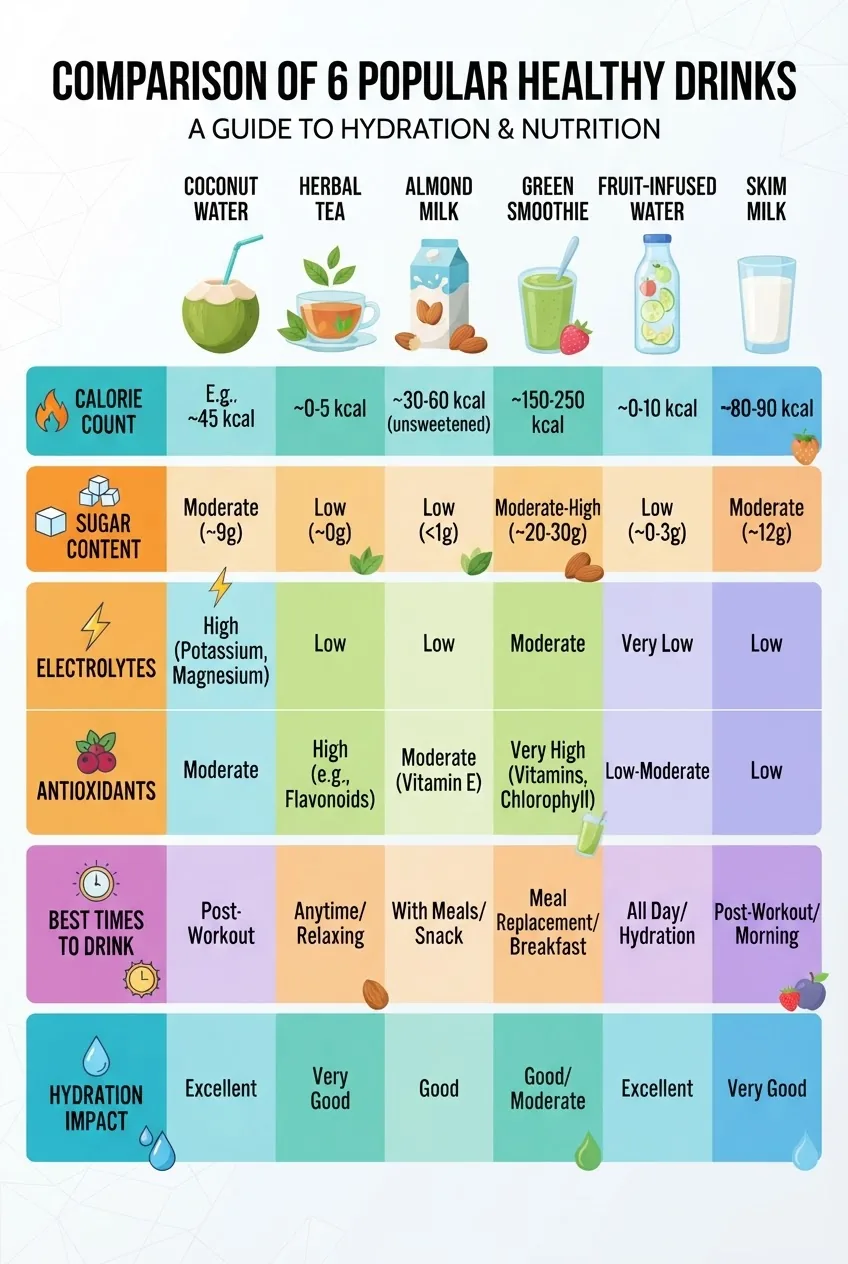
| Drink | Calories (per 8 oz) | Sugars (g) | Key nutrients | Best uses |
|---|---|---|---|---|
| Coconut water (unsweetened) | 45–60 | 6–9 | K, Mg, small Na | Post-exercise, heat recovery |
| Herbal tea (unsweetened) | 0–5 | 0 | Polyphenols, antioxidants | Evening, digestion, hydration |
| Almond milk (unsweetened) | 30–40 | 0–1 | Calcium (fortified), vitamin D | Low-calorie hydration, cereal/morning |
| Green smoothie (vegetable + fruit) | 150–300 | 8–20 | Vitamins A,C,K; fiber; phytonutrients | Meal replacement, recovery |
| Fruit-infused water | 0–5 | 0–1 | Minor antioxidants | Daily sipping, flavor boost |
| Skim milk | 80–90 | 12 | Protein, Ca, B12 | Post-exercise, bedtime protein |
Zoned use recommendations:
- For rapid rehydration post-exercise: coconut water + water or a low-sodium sports drink depending on sweat loss.
- For daily low-calorie hydration: fruit-infused water, herbal teas, unsweetened plant milks.
- For added nutrition and satiety: green smoothies or skim milk.
Nutrition trade-offs: pay attention to sugar grams and total calories in smoothies and juices. If a beverage delivers >20 g sugar per 8 oz without fiber or protein, treat it as an occasional treat in a hydration plan.
Transition: Now make these choices practical—here are how-to tips for preparing and consuming healthy drinks every day.
Practical Tips for Choosing and Consuming Healthy Beverages Daily
Follow these hands-on, repeatable steps to integrate healthy drinks into routine life, especially in hot climates like Texas.
- Plan weekly batches. Make 2 L of infused water on Sunday: slice 2 lemons, 1 cucumber, a handful of mint and chill for 6 hours. Label with date and consume within 48 hours in summer.
- Measure portions. Use 8–12 oz as standard serving sizes. For smoothies, measure 1 cup greens + ½ cup fruit + 1 cup liquid + 1 scoop protein to keep calories 200–350.
- Choose unsweetened bases. Buy unsweetened plant milks and unflavored coconut water. Avoid added sugars labelled as cane sugar, high fructose corn syrup, or juice concentrates.
- Time drinks strategically. Drink 12–16 oz within 30–60 minutes after exercise; sip 8–12 oz with meals to aid digestion; consume herbal tea 30–60 minutes after dinner to relax.
- Use cooling strategies. Freeze portions of fruit (berries, orange slices) to chill drinks without watering them down as ice melts.
- Read labels. For electrolyte drinks, target sodium 100–300 mg per serving for general rehydration and 300–700 mg for long endurance in heat. Check sugar content—aim for <8–12 g per 8 oz where possible.
- Swap mindfully. Replace one high-sugar drink per day with infused water or herbal tea. Keep a 2-week challenge to observe energy and sleep changes.
- Hydration cues and timing tricks. Drink 8 oz within 15 minutes of waking to rehydrate after sleep; set a reminder to sip 8–12 oz mid-morning and mid-afternoon in hot weather.
- Flavor without sugar. Add spices (cinnamon stick in warm almond milk), herbs (basil in strawberry-infused water), or citrus zest for aroma and taste without calories.
- Store and safety. Refrigerate perishable drinks (smoothies, milk) and label with preparation time. Dispose of smoothies older than 24 hours and infused waters older than 48 hours in hot weather.
5 tips to stay hydrated and healthy
Preparation recipes (Texas-focused):
- Cooling Citrus Mint Infused Water (makes 1 L): 2 lemons sliced, ½ cucumber sliced, 8 mint leaves; steep 4–6 hours. Best chilled and consumed within 24–48 hours in summer.
- Post-Heat Recovery Mix (serves 1): 8 oz unsweetened coconut water + pinch (⅛ tsp) sea salt + 4 oz water. Drink within 30 minutes after exertion.
- Balanced Green Smoothie (serves 1): 1 cup spinach, ½ banana (frozen), ½ cup frozen berries, 1 scoop plain protein (20 g), 1 cup unsweetened almond milk. Blend 45–60 seconds; yields ~14–16 oz.
Transition: Before wrapping, let me share common misconceptions and clear up how to interpret evidence around hydration and drinks.
Common Myths and FAQs About Healthy Drinks and Hydration
Myth 1: “Cold drinks dehydrate you.” Reality: Cold drinks do not dehydrate; they may reduce thirst less quickly for some, but they provide fluid equivalently and often increase voluntary intake due to palatability.
Myth 2: “Coffee causes net fluid loss.” Reality: For habitual consumers, moderate coffee contributes to total fluid intake. See detailed myth guide on caffeine for deeper context: coffee and hydration
Myth 3: “Thirst means you’re already dangerously dehydrated.” Reality: Thirst is typically a reliable prompt for healthy adults; significant dehydration is signaled by dizziness, dark urine, or excessive fatigue. For high-risk groups (older adults, infants, pregnant people), proactive hydration is safer.
Myth 4: “All natural juices are healthy in unlimited amounts.” Reality: 100% fruit juice contains vitamins but also concentrated sugars; dilute or limit serving to 4–8 oz and pair with fiber or protein to blunt glycemic spikes.
Safe consumption cautions: Overconsuming electrolyte drinks or coconut water can cause hyperkalemia in people with kidney disease. Excessive intake of certain herbal teas can be harmful in pregnancy. Always consult a clinician with chronic conditions.
Transition: Below I share mistakes I’ve seen in practice, a checklist, and when to call a professional.
Common mistakes and how to avoid them
I once advised a field crew to use only cold bottled water. Many drank rapidly and later reported stomach cramps and bloating; we switched to cool electrolyte drinks and sipped slowly. Lesson: gradual intake and electrolyte balance matter more than temperature alone.
I also observed new mothers assuming all “natural” teas were safe postpartum; one used a concentrated herbal blend that worsened constipation. Lesson: check herb safety and avoid concentrated daily doses without guidance.
Another frequent mistake: treating every smoothie as healthy. I’ve seen supermarket smoothies with 500+ calories and 60 g sugar labeled as “green”—always check portions and ingredients.
Checklist: Verify your healthy-drink plan
- Have you scheduled at least 8–10 small servings (8–12 oz) of hydrating drinks across the day in hot weather?
- Do your post-exercise drinks include electrolytes when sweating heavily? (Yes/No)
- Are added sugars under 12 g per 8 oz serving for most beverages you drink daily?
- Do you store smoothies and milk-based drinks under 40°F and consume within 24–48 hours?
- Do you check urine color and note energy levels weekly for adjustments?
When to call in a professional
Contact a clinician if you experience dizziness, fainting, dark urine that doesn’t improve after fluid intake, or if you have kidney disease, heart failure, or take diuretics—these conditions alter fluid and electrolyte needs. Seek prenatal care for pregnancy-specific beverage safety. For sports teams or workplaces planning rehydration protocols, consult an occupational health specialist or sports dietitian for sodium and electrolyte tailoring.
Final transition into FAQs and conclusion coming next.