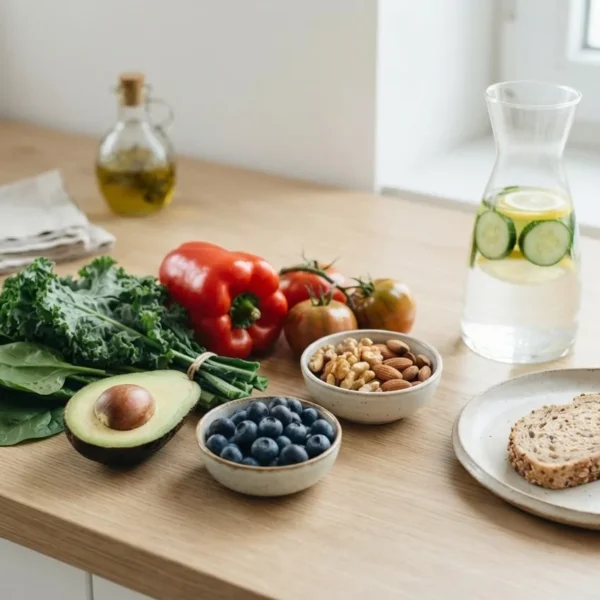

Heart healthy fruits lower cardiovascular risk through fiber, potassium, antioxidants, and micronutrients that improve blood pressure, cholesterol, and inflammation; regular servings (2–4/day) woven into a balanced diet support long-term heart health while fitting Texas seasonal availability and flavors, with simple preparation tips for busy Texans.
Understanding Cardiovascular Health and the Role of Fruits?
Answer: Eating heart healthy fruits helps reduce heart disease risk by providing antioxidants, dietary fiber, potassium, and vitamins that lower blood pressure, improve cholesterol profiles (lower LDL, raise HDL), reduce inflammation, and combat oxidative stress—mechanisms backed by epidemiology and clinical guidelines when combined with an overall healthy diet.
Cardiovascular health: an umbrella term for heart and blood-vessel function, including blood pressure regulation, coronary artery integrity, and rhythm stability.
Cardiovascular disease (CVD) is driven by modifiable risk factors—high blood pressure, high LDL cholesterol, obesity, smoking, physical inactivity and poor diet—that fruits can influence. According to a 2023 American Heart Association report, diets high in fruits and vegetables are associated with lower incidence of coronary heart disease and stroke (American Heart Association).
How fruits act on the heart:
- Blood pressure: potassium and magnesium in fruits help balance sodium and relax blood vessels, lowering systolic and diastolic pressure.
- Cholesterol management: soluble fiber and plant sterols reduce LDL absorption and can modestly raise HDL.
- Inflammation & oxidative stress: polyphenols and flavonoids scavenge free radicals and down-regulate inflammatory pathways.
- Weight and glycemic control: whole fruits offer satiety via fiber, aiding weight management that indirectly benefits the heart.
Epidemiological evidence supports these mechanisms: a 2017 meta-analysis reported higher fruit and vegetable intake correlated with significantly lower CVD mortality risk (see external meta-analysis) — a pattern reinforced by dietary guidance from national bodies (NHLBI).
Texas context: seasonal availability—from South Texas grapefruit in winter to Central Texas blueberries in summer—makes it practical to rotate fruits for diverse nutrient intake and better adherence.
Key Nutrients in Heart Healthy Fruits and Their Benefits?
Answer: The main nutrients in heart healthy fruits—antioxidants (flavonoids/polyphenols), dietary fiber, potassium, vitamins C and E, and folate—each contribute to blood pressure control, cholesterol management, inflammation reduction, and lowering oxidative stress; combined effects translate to measurable cardiovascular risk reduction.
Antioxidants: plant compounds (like flavonoids and polyphenols) that neutralize free radicals and reduce oxidative stress.
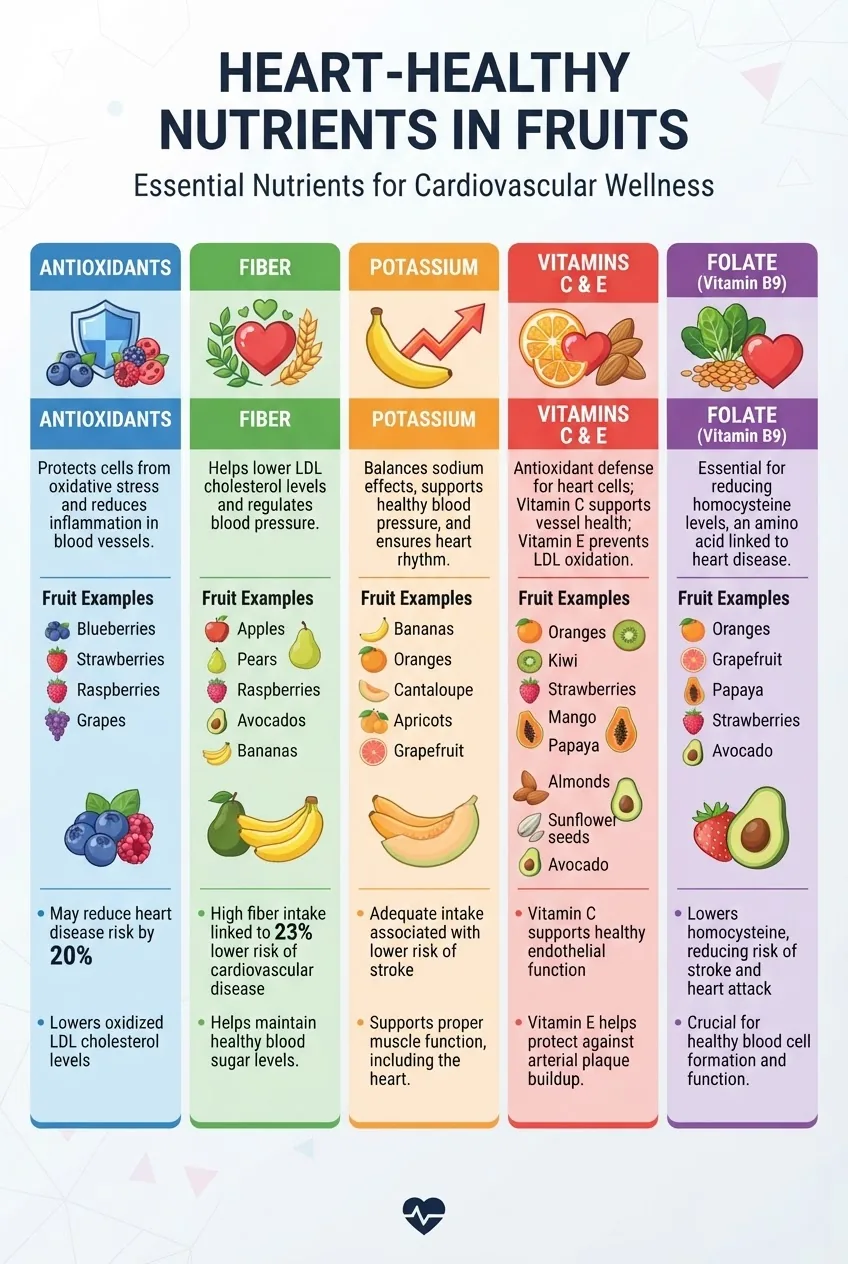
Benefit: Reduce oxidative stress and endothelial dysfunction, lower inflammatory markers (e.g., CRP) and improve vasodilation.
Stat: Observational studies link higher flavonoid intake with ~8–20% lower cardiovascular events (peer-reviewed meta-analyses).
Rich sources: berries, grapes, pomegranate, apples, citrus peel.
Benefit: Soluble fiber lowers LDL cholesterol by binding bile acids; fiber improves glycemic response and satiety, supporting weight control.
Stat: Each 7 g/day increase in fiber is associated with a ~9% lower risk of coronary heart disease (according to a 2019 pooled analysis).
Rich sources: apples, pears, berries, figs, prunes.
Benefit: Lowers blood pressure by counteracting sodium, promoting sodium excretion and vascular relaxation.
Stat: Increased dietary potassium is associated with a 10–15% reduction in stroke risk in population studies (according to a 2020 review).
Rich sources: bananas, avocados, cantaloupe, citrus, melons.
Benefit: Support endothelial function and antioxidant networks; vitamin C regenerates other antioxidants and supports collagen in vessel walls.
Stat: Higher vitamin C status correlates with lower blood pressure and reduced CVD risk in cohort studies (observational data).
Rich sources: citrus, strawberries, kiwi, papaya (vitamin C); nuts and avocado contain vitamin E in lower amounts.
Benefit: Lowers homocysteine levels, which at high concentrations are linked to greater cardiovascular risk.
Stat: Folate-rich diets are associated with modest reductions in stroke and heart disease risk (meta-analysis of observational studies).
Rich sources: oranges, papaya, avocados, guava.
For mechanistic and guideline context, see the American Heart Association’s diet recommendations and NHLBI resources on dietary approaches to reduce hypertension and improve lipid profiles (American Heart Association; NHLBI).
Term: LDL (low-density lipoprotein) and HDL (high-density lipoprotein) are cholesterol carriers—LDL is atherogenic when elevated, HDL is protective.
Nutrition databases: USDA FoodData Central provides exact nutrient entries for each fruit (useful when calculating potassium, fiber, and phytonutrient intake).
Top Heart Healthy Fruits to Include in Your Diet?
Answer: Berries, citrus, apples, avocados, pomegranates, grapes, bananas, cherries, watermelon, pears, kiwifruit, and grapes are among the top heart healthy fruits—each offers specific nutrients (e.g., flavonoids, fiber, potassium) that improve blood pressure, cholesterol, and inflammation when consumed regularly.
Below is a numbered list of 12 fruits with nutrition highlights, cardiovascular benefits, serving suggestions, and Texas-season notes. Nutrient values are approximate (USDA FoodData Central) and effects supported by observational or clinical studies where available.
-
1. Blueberries
Nutrition highlights: rich in anthocyanins (flavonoid class), vitamin C, and fiber (≈3.6 g per cup).
Cardiovascular benefits: anthocyanins improve endothelial function and lower systolic blood pressure; randomized trials show improved flow-mediated dilation after blueberry intake.
Serving: 1 cup fresh or frozen as a yogurt topper or smoothie base. Texas note: Texas blueberries peak midsummer—buy local to maximize flavor and cost.
Evidence note: multiple cohort studies link higher berry intake to lower CVD risk (peer-reviewed meta-analyses).
-
2. Strawberries
Nutrition highlights: high in vitamin C, anthocyanins, and fiber (~3 g per cup).
Cardiovascular benefits: improve LDL oxidation resistance, reduce platelet aggregation, and lower LDL cholesterol in some controlled feeding studies.
Serving: sliced into salads or blended into an oatmeal bowl. Texas note: late winter to spring seasons deliver peak strawberries in Texas markets.
-
3. Oranges and Citrus
Nutrition highlights: vitamin C, flavanones (hesperidin), potassium, and folate; one medium orange ≈ 70 mg vitamin C.
Cardiovascular benefits: citrus flavanones improve endothelial function and may modestly reduce blood pressure; folate supports homocysteine metabolism.
Serving: whole fruit preferred for fiber; use zest for extra flavonoids. Texas note: South Texas grapefruit and Texas oranges are seasonal winter produce.
-
4. Apples
Nutrition highlights: soluble fiber (pectin), polyphenols in skin (quercetin), about 4 g fiber per medium apple.
Cardiovascular benefits: pectin lowers LDL absorption; epidemiological data associates apples with reduced cardiovascular events.
Serving: eat with skin for maximum benefit; slice with nut butter for a heart-healthy snack. Texas note: late summer to fall local orchards supply crisp varieties.
-
5. Avocado
Nutrition highlights: high in monounsaturated fats, fiber (≈10 g per medium avocado), potassium, and folate.
Cardiovascular benefits: monounsaturated fats improve LDL/HDL ratio, reduce triglycerides, and support endothelial function.
Serving: 1/4–1/2 avocado per meal is heart-friendly; add to salads or whole-grain toast. Texas note: available year-round in many Texas grocery stores.
-
6. Pomegranate
Nutrition highlights: rich in punicalagins and polyphenols, with potent antioxidant capacity.
Cardiovascular benefits: pomegranate polyphenols reduce LDL oxidation and improve blood flow; small trials show lowered blood pressure.
Serving: eat arils fresh or add as a salad garnish; limited-season fruit in Texas, often available in fall.
-
7. Grapes (especially red/purple)
Nutrition highlights: resveratrol and polyphenols in skins, vitamin K, and potassium.
Cardiovascular benefits: polyphenols improve endothelial function and may reduce platelet aggregation; moderate intake linked with lower CVD markers.
Serving: 1 cup as a portable snack; choose whole grapes over juice. Texas note: summer varieties from Texas vineyards and farms.
-
8. Bananas
Nutrition highlights: high potassium (≈400–450 mg medium banana), vitamin B6, and fiber.
Cardiovascular benefits: potassium-rich diets lower blood pressure and help maintain sodium–potassium balance.
Serving: pair with nut butter or oatmeal; easy for on-the-go Texans. Caveat: watch portion if controlling carbs for diabetes management.
-
9. Cherries
Nutrition highlights: anthocyanins and melatonin precursors, fiber and vitamin C.
Cardiovascular benefits: anthocyanins reduce inflammation and oxidative markers; tart cherry trials show reductions in biomarkers of inflammation.
Serving: fresh in season or frozen; useful in smoothies or oatmeal.
-
10. Watermelon
Nutrition highlights: high water content, citrulline (vasodilator precursor), potassium, and lycopene.
Cardiovascular benefits: citrulline can improve arterial stiffness and blood flow; lycopene supports antioxidant defenses.
Serving: refreshing summer snack; Texas-grown watermelons are plentiful in summer markets.
-
11. Pears
Nutrition highlights: high fiber content (≈5–6 g per medium pear), vitamin C, and flavonoids in skin.
Cardiovascular benefits: soluble fiber supports LDL reduction and improves satiety, aiding weight control.
Serving: baked or raw with skin. Good fall to winter availability in Texas.
-
12. Kiwi
Nutrition highlights: very high vitamin C, fiber, potassium, and actinidin enzyme aiding digestion.
Cardiovascular benefits: vitamin C and potassium support blood pressure and antioxidant status; small trials show modest improvements in platelet function and blood pressure.
Serving: 1–2 kiwis daily in fruit salads or smoothies. Often available year-round in larger Texas markets.
Evidence and nutrient numbers reference USDA FoodData Central entries and peer-reviewed studies that show fruit-specific benefits—search term “fruit cardiovascular meta-analysis” provides systematic reviews on dose-response relationships (meta-analysis on fruit intake and cardiovascular disease).
How to Select, Prepare, and Consume Heart Healthy Fruits for Maximum Benefits?
Answer: Choose whole, ripe fruits, prioritize variety and seasonal local produce, prefer whole over juice, use frozen fruits to preserve nutrients off-season, aim for 2–4 fruit servings per day with meals or snacks, and avoid added sugars or excessive juicing that reduce fiber and spike blood sugar.

Fresh vs frozen: Term: “frozen fruit” is typically flash-frozen soon after harvest, preserving many nutrients; choose unsweetened frozen fruit to avoid added sugars.
- Selecting produce: Look for seasonal, firm, and aromatic fruit; heavier fruit for size often indicates juiciness. For selection tips, see fresh fruits and veggies produce selection tips.
- Preparing fruit: Wash thoroughly, keep skins when edible (they contain fiber and polyphenols), and use zest for citrus flavonoids. Cut and store prepared fruit in airtight containers and refrigerate to maintain freshness.
- Juicing vs whole fruit: Whole fruit retains fiber that slows sugar absorption and promotes satiety; fruit juice concentrates sugars and often lacks fiber—limit juice to small portions or dilute with water.
- Serving size and timing: Aim for 2–4 whole-fruit servings daily (one serving ≈ 1 medium fruit, 1 cup berries, or 1/2 large avocado). Pair fruit with protein or healthy fats (yogurt, nuts) to blunt glycemic spikes and improve satiety.
- Storage tips: Store bananas at room temperature; refrigerate berries to extend life; freeze surplus fruit for smoothies; keep avocados at room temperature to ripen and refrigerate after ripening to slow oxidation.
- Maximizing nutrients: Eat a rainbow of fruits across the week to cover different polyphenols and vitamins; avoid heating delicate fruits repeatedly to preserve vitamin C and some flavonoids.
Practical Texas tip: buy local in-season fruit at farmers’ markets for better flavor and lower transport time—this often means more nutrient-dense produce and budget-friendly pricing.
Incorporating Heart Healthy Fruits into a Balanced Diet for Cardiovascular Wellness?
Answer: Integrate 2–4 daily fruit servings into a Mediterranean-style or DASH-aligned eating pattern—combine fruits with whole grains, vegetables, legumes, lean proteins, nuts, and olive oil for synergistic effects on blood pressure, lipids, and inflammation.
Term: The Mediterranean diet emphasizes plant-based foods, healthy fats, lean proteins and moderate fruit intake and is associated with lower cardiovascular events in trials and cohort studies.
Sample daily structure (heart-first approach):
- Breakfast: Oatmeal topped with 1/2 cup blueberries and chopped walnuts (fiber + flavonoids + omega-3s).
- Mid-morning snack: 1 medium apple with 1 tbsp almond butter (fiber + healthy fat slows glucose rise).
- Lunch: Mixed greens with 1/2 avocado, orange segments, grilled salmon, and olive oil vinaigrette (potassium, folate, MUFAs).
- Afternoon snack: Greek yogurt with sliced strawberries or cherries (protein + antioxidants).
- Dinner: Baked chicken, quinoa, steamed greens, and a side of roasted pears or baked apple with cinnamon (fiber + low added sugars).
Meal-planning walkthrough for a Texan commuter: choose portable fruit options—bananas, apples, grapes—or pre-pack frozen berries for morning smoothies; buy seasonal citrus or pears for weekend meal prep to cut time on weekdays. This approach increases adherence and provides consistent nutrient exposure.
For broader meal plans and structured guidance that include fruits and vegetables across weeks, consult the fruit and vegetable diet meal plan.
Pairing tips: combine fruits with vegetables for fiber synergy (e.g., spinach + orange salad), and use fruit to replace sweets—berries with a sprinkle of cinnamon or a baked apple reduce added sugar consumption while supplying antioxidants.
Common Myths About Fruits and Heart Health — Debunked?
Answer: Myths—such as “fruit sugar is as harmful as added sugar,” or “fruit juice is fine in any amount”—are incorrect; whole fruits offer fiber and polyphenols that offset natural sugars, while juice lacks fiber and concentrates sugar, increasing glycemic impact and reducing heart benefits.
Term: Oxidative stress is an imbalance between free radicals and antioxidant defenses that can damage blood vessels and promote atherosclerosis.
| Myth | Fact |
|---|---|
| Eating fruit raises heart disease risk because of sugar | Whole fruits contain fiber and phytonutrients that mitigate sugar effects; population studies link higher fruit intake with lower CVD risk (observational evidence). |
| Fruit juice is equivalent to whole fruit | Juice lacks fiber and concentrates sugars; limit juice and prefer whole fruit to preserve glycemic control and satiety. |
| Supplements can replace fruit | Supplements lack the complex matrix of fiber and multiple phytonutrients in whole fruit; whole foods outperform isolated supplements for heart outcomes in most studies. |
| You can eat unlimited fruit if it’s “healthy” | Portion control matters—2–4 servings/day is evidence-supported for benefits; excessive intake may affect calorie balance and blood glucose in susceptible people. |
Clarifications: dried fruits can be nutrient-dense but concentrated in sugar and calories—use portion control; fruit in the context of a low-quality diet (high saturated fat, processed foods) will not offset other harms.
If you have diabetes, kidney disease (potassium limits), or specific medication interactions, consult a clinician for tailored fruit guidance—individual needs vary.
Summary and Practical Takeaways for Texans Focusing on Cardiovascular Health?
Answer: Prioritize 2–4 daily servings of whole heart healthy fruits—berries, citrus, apples, avocados, and seasonal Texas produce—within a Mediterranean/DASH-style plate; focus on variety, whole forms over juice, and practical meal planning to improve blood pressure, cholesterol, and inflammation over time.
- Actionable tip: Start each day with a fruit-based breakfast (berries or kiwi on whole-grain cereal) to secure at least one serving early.
- Actionable tip: Use fruit as dessert replacements—baked apples with cinnamon or fresh berries with a spoon of Greek yogurt.
- Actionable tip: Buy frozen unsweetened fruit to extend seasonal variety and reduce waste; freeze ripe bananas for smoothies.
- Actionable tip: For high blood pressure, prioritize potassium-rich fruits (bananas, avocado, cantaloupe) and reduce sodium intake per AHA guidelines (American Heart Association).
- Actionable tip: Plan weekly fruit purchases around Texas seasonality to save money and maximize nutrient density—visit local farmers’ markets for best picks.
- Medical caveat: Consult your healthcare provider if you have diabetes, kidney disease, or are on medications that affect potassium or blood glucose.
For an expanded taxonomy of fruit types and deeper nutrient breakdowns, see the comprehensive fruit types guide with benefits and nutritional information, and if you want broader vegetable pairings consult the vegetables name guide with pictures and nutritional info.