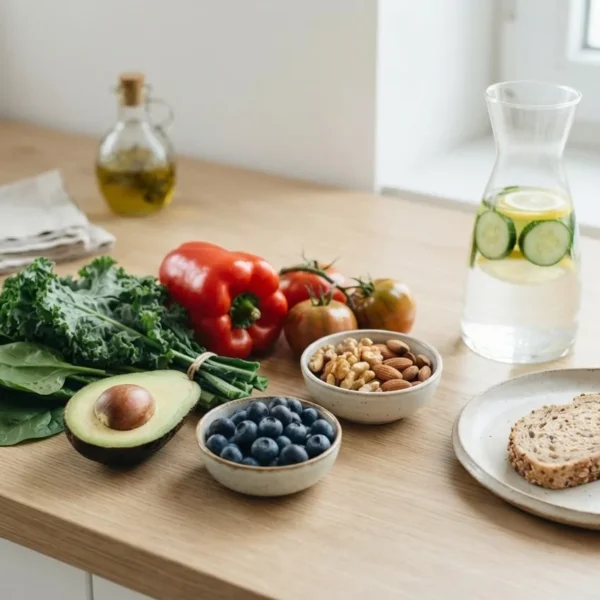
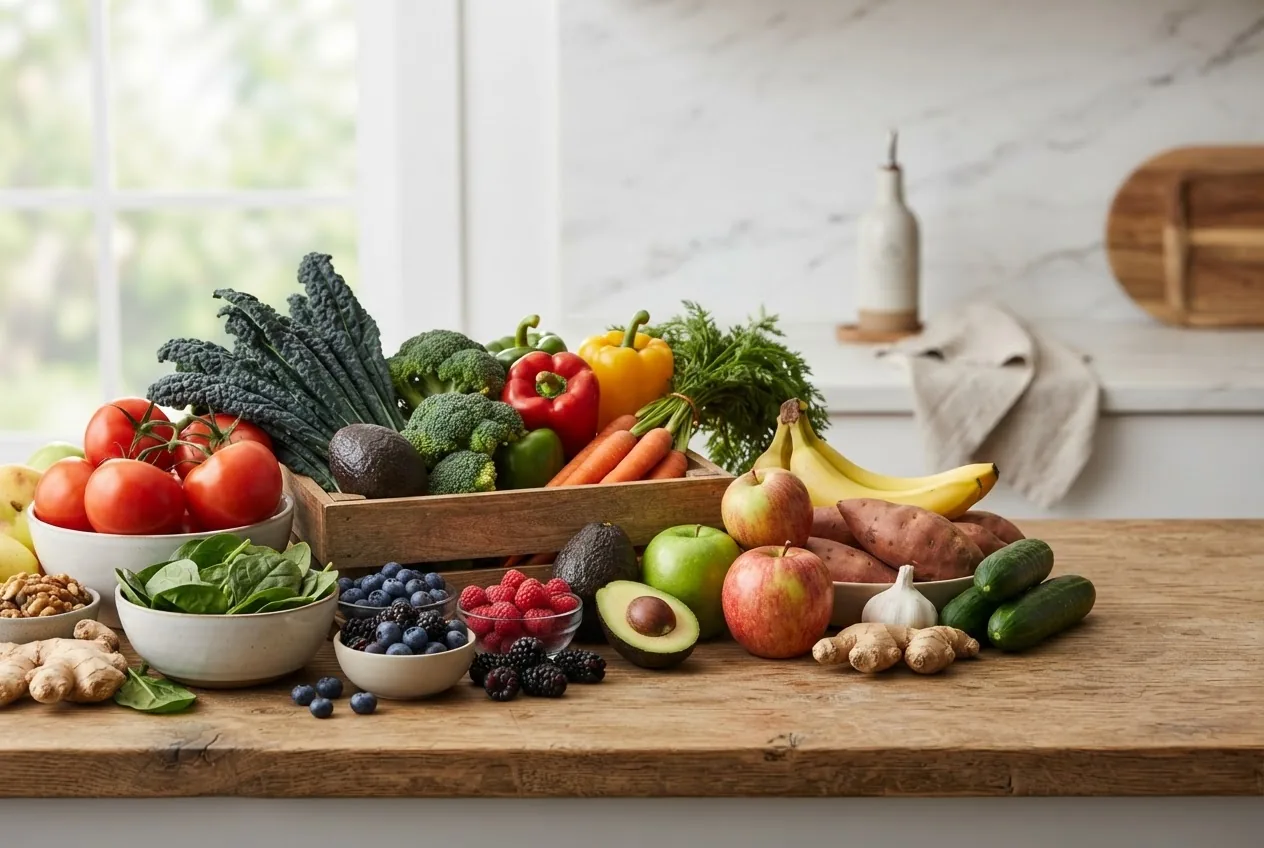
Types of food are categories—carbohydrates, proteins, fats, fruits, vegetables, dairy and processed foods—each with typical examples and nutritional roles (energy, building blocks, essential vitamins/minerals). This guide lists common foods, compares nutrient profiles, and gives practical, Texas-friendly ideas to build balanced daily meals.
Introduction to Types of Food?
Answer: Types of food are organized categories that group eatables by nutritional role, origin, or processing level; the main groups are carbohydrates, proteins, fats, fruits, vegetables, and dairy, plus subgroups like whole and processed foods.
Macronutrients: Macronutrients are nutrients required in gram quantities for energy and structure: carbohydrates, proteins and fats.
Classification helps match foods to dietary needs and meal planning. This overview defines different kinds of food, clarifies “food items” versus “eatables”, outlines nutrient-density concepts, and sets the stage for practical lists and comparisons. Definitions below follow USDA grouping logic and common nutritional practice for clarity.
Transition: The next section answers what each main food group is and what typical foods and nutrients they provide.
Main Types of Food Groups Explained?
Answer: The main types are carbohydrates, proteins, fats, fruits & vegetables, and dairy; each group supplies key macronutrients or micronutrients and plays specific roles in energy, repair, absorption, and disease prevention.
Carbohydrates
Answer: Carbohydrates are the body’s primary energy source, ranging from simple sugars to complex starches and fibers; they fuel activity and brain function.
Carbohydrates: Carbohydrates are organic compounds (sugars, starches, fibers) that provide about 4 kcal per gram and are stored as glycogen for short-term energy.
Common sources include grains, starchy vegetables, legumes, fruits and sugars. Complex carbs (whole grains, beans) include fiber and micronutrients; simple sugars (soda, sweets) provide quick energy but low nutrient density.
Examples & nutritional highlights:
- Whole grains (brown rice, whole-wheat tortillas) — fiber, B vitamins, ~110–150 kcal per 1/2 cup cooked
- Beans and lentils — starch + protein, slow-release energy, iron, folate
- Fruits (apples, peaches) — natural sugars with fiber, vitamin C and potassium
- Refined carbs (white bread, pastries) — high-calorie, lower nutrient density
Practical note: Prefer whole grains and legumes for sustained energy and fiber that supports digestion and blood sugar control; balance portion sizes with protein and fats at meals.
Proteins
Answer: Proteins are building blocks made of amino acids needed for tissue repair, enzymes, and immune function—sourced from animal and plant foods.
Protein: Protein is a macronutrient composed of amino acids that supplies ~4 kcal per gram and supports muscle, hormones and cellular repair.
Complete proteins (contain all essential amino acids) typically come from animal sources (meat, dairy, eggs) and some plant combinations (rice+beans). Plant proteins (tofu, legumes, nuts) provide fiber and beneficial phytochemicals but may require pairing for all essential amino acids.
Examples & nutritional highlights:
- Lean meats (chicken breast, brisket trimmed) — high-quality protein, B12, iron; 25–30 g protein per 3–4 oz cooked
- Fish (salmon, trout) — protein plus omega-3 fats for heart health
- Eggs and dairy (Greek yogurt) — complete protein and calcium
- Plant proteins (black beans, tempeh) — protein, fiber, lower saturated fat
Practical note: Aim for a protein portion about the size of your palm (20–30 g per meal) to support satiety and maintenance of lean mass; adjust for age, activity, and goals.
Fats
Answer: Dietary fats are energy-dense nutrients needed for cell membranes, hormone production, and absorption of fat-soluble vitamins; quality (unsaturated vs saturated) matters most for health.
Fats: Fats provide ~9 kcal per gram and include saturated, monounsaturated and polyunsaturated fats (omega-3 and omega-6), with different health effects.
Healthy fats (olive oil, avocados, nuts) support heart and brain health; saturated fats (fatty cuts of beef, butter) should be limited; trans fats avoided. Omega-3s from fatty fish lower inflammation.
Examples & nutritional highlights:
- Avocado and olive oil — monounsaturated fats, vitamin E, improve cholesterol profile
- Nuts and seeds (pecans, walnuts) — polyunsaturated fats, fiber, plant protein
- Fatty fish (salmon) — omega-3 EPA/DHA, heart-protective
- Butter, high-fat processed foods — higher saturated fat and calorie density
Practical note: Replace some saturated fats with unsaturated options; include a small serving of nuts or 1 tbsp oil daily for nutrient absorption and satiety.
Fruits and Vegetables (brief overview – link to pillar)
Answer: Fruits and vegetables are nutrient-rich sources of vitamins, minerals, fiber and phytonutrients that support immunity, digestion, and chronic disease prevention.
Fruits & Vegetables: These are edible plant parts (fruits: develop from flower containing seeds; vegetables: other edible plant parts) high in micronutrients and fiber.
Vegetables and fruits supply vitamins A, C, K, folate, potassium and diverse antioxidants. See the deeper guide for types and detailed nutrition.
Fruit Types Guide with Benefits and Nutritional Information
Common Texas-friendly examples include tomatoes, bell peppers, peaches, citrus, collard greens, sweet potatoes, and poblano peppers. For item-level classification questions like green beans, see the linked resource below.
For nutrient-dense fruits such as avocados and their benefits, consult the focused guide linked here.
nutritional benefits of avocados
Dairy Products
Answer: Dairy includes milk, cheese, and yogurt; these foods supply calcium, vitamin D (if fortified), protein and in some cases probiotics.
Dairy: Dairy products are nutrient-dense animal-derived foods providing calcium, phosphorus, B vitamins and variable fat content depending on processing.
Choose lower-fat options if limiting calories; fermented dairy (yogurt, kefir) offers probiotics that support gut health. Lactose intolerance requires alternatives like fortified plant milks.
Examples & nutritional highlights:
- Milk — calcium, vitamin D when fortified, ~8 g protein per cup
- Cheese — concentrated calcium and protein, watch portion for saturated fat
- Yogurt (Greek) — higher protein, probiotics, calcium
Transition: With the groups defined, the next section lists common food items by group, including Texan favorites used daily at home and gatherings.
Lists of Common Food Items in Each Food Type?
Answer: Below are practical lists of common foods in each main group—grains, proteins, fats, fruits, vegetables, dairy and processed items—highlighting those you’ll see in Texas kitchens and markets.

Food items vs. eatables: “Food item” implies a distinct ingredient or product (e.g., chicken breast); “eatable” can include prepared items (e.g., taco, brisket plate).
Grains & Starches
- Brown rice, white rice
- Whole-wheat bread, corn tortillas (Texas staple)
- Oats, quinoa, masa (for tortillas and tamales)
- Potatoes, sweet potatoes
Protein Sources
- Chicken breast, turkey
- Beef (lean cuts, brisket for occasional treat)
- Pork, fish (tilapia, catfish, salmon)
- Eggs, Greek yogurt
- Legumes: pinto beans, black beans, lentils
Fruits (common in Texas)
- Peaches, strawberries, oranges, melons
- Apples, bananas, avocados
- Citrus and berries for local markets
Vegetables (common in Texas)
- Tomatoes, bell peppers, onions
- Collard greens, kale, spinach
- Corn, jalapeños, squash
- Vegetable names and nutritional info
- broccoli nutrition
Dairy & Alternatives
- Milk (cow, fortified plant milks), cheese, yogurt
- Plant milks (soy, almond) fortified with calcium and vitamin D
Fats & Snacks
- Olive oil, avocado oil, butter (occasional)
- Nuts and seeds (pecans are a Texas favorite)
- Snack items: tortillas chips (choose baked/lower-sodium), roasted nuts
Prepared & Processed Foods (eatables)
- Smoked brisket, fajitas, tacos (common in Texas) — eatables combining multiple groups
- Packaged breads, cereals, frozen meals — vary widely in nutrient density
Transition: The lists above show what you might buy; next we compare typical nutritional values and benefits to guide choices by nutrient density and calorie trade-offs.
Nutritional Information and Benefits of Each Food Type?
Answer: Each food type offers characteristic calories and nutrients: carbs supply energy, proteins supply amino acids, fats supply essential fatty acids and fat-soluble vitamins, fruits/vegetables supply micronutrients and fiber, dairy supplies calcium and protein.
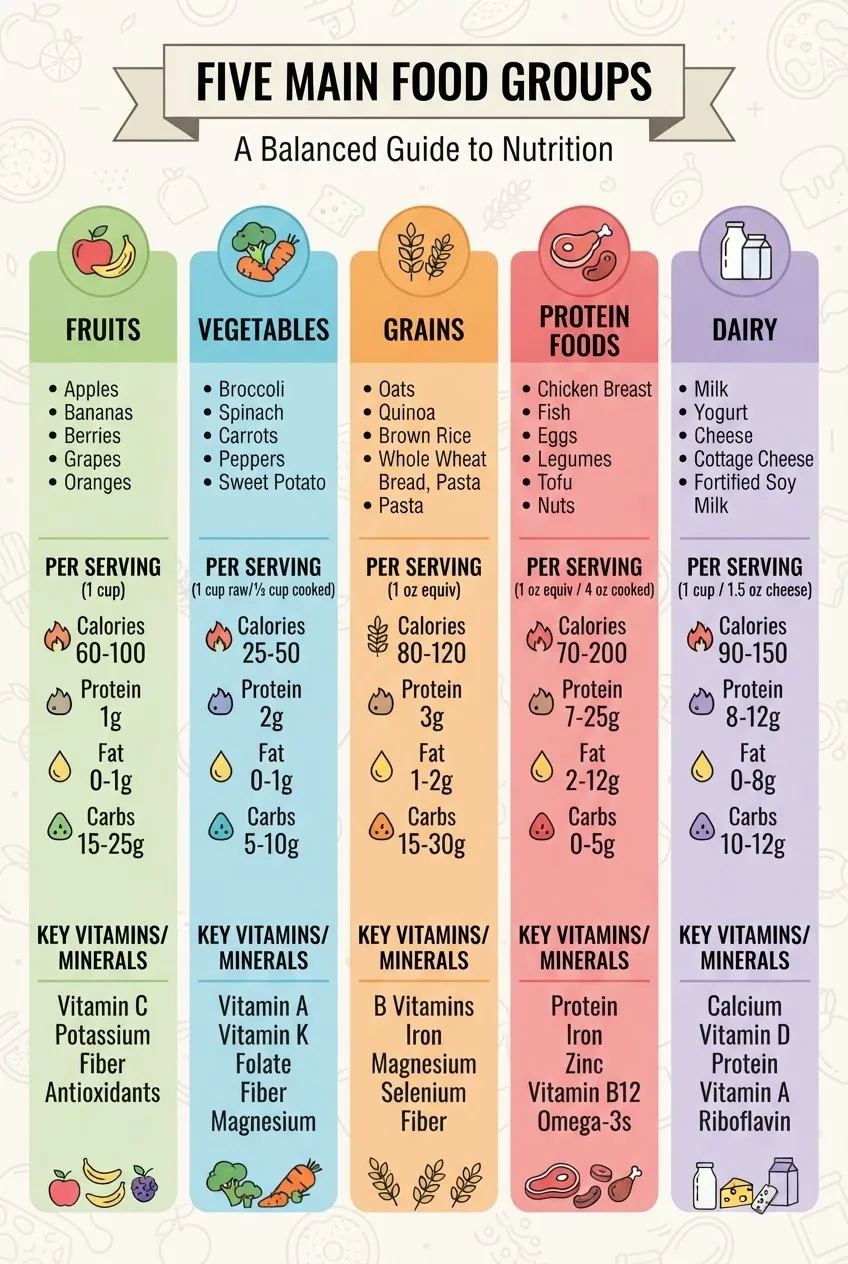
Below is a comparison table with representative serving sizes and average macro/micronutrient highlights to show nutrient density trade-offs. Values are typical approximations; actual content varies by variety and preparation. According to the 2023 USDA Dietary Guidelines, portion and variety matter for nutrient adequacy (USDA Dietary Guidelines).
| Food Group | Typical Serving | Calories | Protein | Fat | Carbs | Key Vitamins / Minerals |
|---|---|---|---|---|---|---|
| Whole grains | 1/2 cup cooked | 110–150 kcal | 3–5 g | 1–3 g | 20–30 g | B vitamins, iron, fiber |
| Lean meat / poultry | 3 oz cooked | 150–200 kcal | 22–28 g | 3–8 g | 0–2 g | B12, iron, zinc |
| Fatty fish | 3 oz cooked | 180–220 kcal | 18–22 g | 10–14 g (omega-3s) | 0–2 g | Vitamin D, omega-3s |
| Avocado (half) | 1/2 fruit | 120–160 kcal | 1–2 g | 10–15 g (MUFA) | 6–9 g | Vitamin K, folate, potassium |
| Leafy greens | 1 cup raw | 5–25 kcal | 1–3 g | 0–1 g | 1–4 g | Vitamins A, C, K, folate |
| Milk (1 cup) | 1 cup | 90–150 kcal | 8 g | 0–8 g (varies) | 12 g | Calcium, vitamin D (if fortified) |
Notes on nutrient density vs calorie density: nutrient-dense foods (leafy greens, legumes, lean proteins) deliver more vitamins/minerals per calorie; calorie-dense foods (fried items, pastries, fatty cuts) provide more energy per gram with fewer micronutrients. Refer to the Academy of Nutrition and Dietetics for evidence-based counseling on nutrient density (Academy of Nutrition and Dietetics).
For targeted micronutrient info (vitamins A, B complex, C, D, E, K), the NIH Office of Dietary Supplements offers fact sheets with recommended intakes and food sources (NIH ODS).
Health impacts and vegetables: Vegetables are linked to lower chronic disease risk; for detailed reviews of benefits and misconceptions, see the specialist piece on health impacts of vegetables. According to a 2022 systematic review published in peer-reviewed journals, higher vegetable intake correlates with reduced cardiovascular risk when part of an overall healthy diet (study summary; consult original studies for specifics).
Transition: After comparing groups, the next section shows how to combine them in realistic, balanced Texas-style meals and how to read nutrition labels to apply the data.
How to Incorporate Different Types of Food for a Balanced Diet?
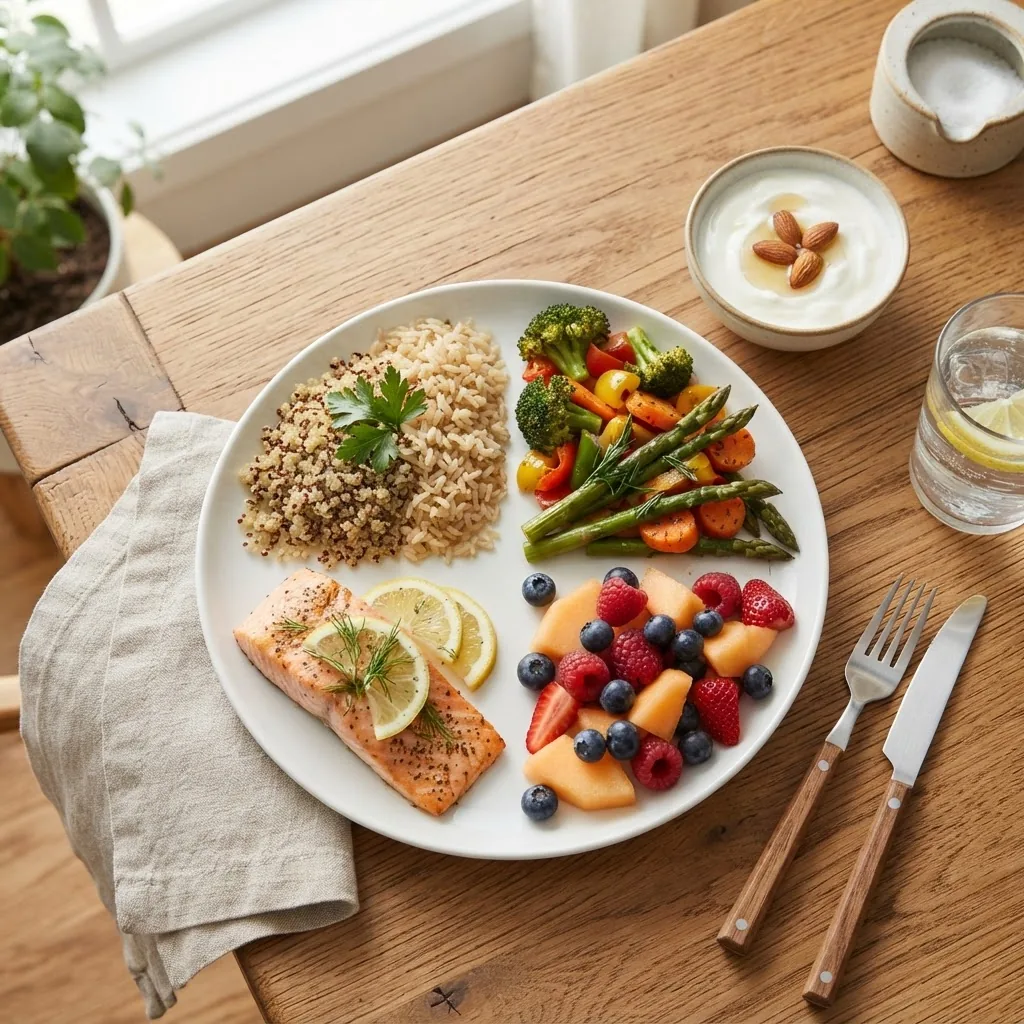
Answer: Combine diverse foods from each group across meals—balance plate portions (half vegetables/fruits, quarter protein, quarter grains), control portions of fats, and choose nutrient-dense options; plan meals, read labels, and use simple swaps to improve nutrition.
Balanced diet concept: A balanced diet provides adequate macronutrients and micronutrients to meet energy and health needs without excess calories.
- Use the plate method: Fill half the plate with vegetables and fruits, one quarter with lean protein, one quarter with whole grains; add a small healthy fat portion. This adheres to USDA guidance on balanced plates (USDA Dietary Guidelines).
- Plan Texas-friendly balanced meals: Example 1: grilled chicken fajita bowl — brown rice, grilled peppers/onions, salsa, avocado (healthy fat), and a side of black beans. Example 2: breakfast — scrambled eggs, whole-wheat toast, sautéed greens, and fresh fruit (peach).
- Swap for nutrient density: Replace chips with roasted chickpeas, white rice with brown rice, full-fat sour cream with Greek yogurt to boost protein while reducing saturated fat.
- Portion control: Use visual cues—palm-sized protein, cupped hand of grains, fist-sized fruit, thumb of fats—to estimate servings without scales.
- Read nutrition labels (walkthrough):
- Start with serving size—compare package portion to how much you actually eat.
- Check calories per serving, then protein, total fat (and saturated fat), total carbs and fiber.
- Look at sodium and added sugars—choose lower values for processed foods.
- Use % Daily Value (%DV) to gauge nutrient contribution to a 2,000 kcal diet; >20% DV is high, <5% is low for a nutrient.
- Meal templates for a week:
- Monday: Oatmeal with berries (carbs + fiber), Greek yogurt (protein), walnuts (fat).
- Wednesday: Grilled salmon (protein+omega-3), quinoa (grain), sautéed collard greens (vegetable).
- Friday: Tacos with black beans, corn tortillas, pico de gallo, shredded lettuce, and a small serving of queso fresco (dairy).
- Special considerations: Plant-based diets can meet needs by combining legumes, grains, nuts and fortified foods; dairy-free diets rely on fortified plant milks for calcium and vitamin D; food allergies require avoidance and alternative nutrient planning with a registered dietitian.
- Practical shopping tips: Buy seasonal produce at local Texas farmers’ markets, choose whole grains in bulk, read labels on processed foods, and plan meals around protein and vegetables to minimize impulse purchases.
Experience tip: Keep a simple weekly rotation of 6–8 staple meals using the plate method to reduce decision fatigue and improve adherence. According to a 2024 industry report on consumer eating patterns, structured meal plans increase vegetable and whole-grain intake among adults.
Transition: The final section summarizes practical takeaways and immediate actions you can apply today.
Summary and Practical Takeaways?
Answer: Prioritize whole, nutrient-dense foods across the main groups—carbs, proteins, fats, fruits/vegetables, dairy—use portion control, read labels, and apply simple swaps to improve diet quality while enjoying familiar Texas foods.
- Balance your plate: half vegetables/fruit, quarter protein, quarter grains; add healthy fats.
- Choose whole grains, lean proteins, unsaturated fats, and a variety of colorful produce for micronutrients.
- Read labels for serving size, calories, protein, sodium and added sugars; use %DV as a quick guide.
- Prefer nutrient density over calorie density—leafy greens, legumes and fish beat sugary snacks for long-term health.
- Consult USDA guidance for portion and variety recommendations (USDA Dietary Guidelines); talk with a registered dietitian for personalized needs (Academy of Nutrition and Dietetics).
Conclusion: Start by choosing one swap this week—whole grain for refined grain, an extra cup of veggies at dinner, or replacing a processed snack with a handful of nuts—and track how meals feel. For tailored advice, consult a nutrition professional. Ready to try a balanced plate today? Build one of the sample bowls above and notice energy and fullness changes after a few days.