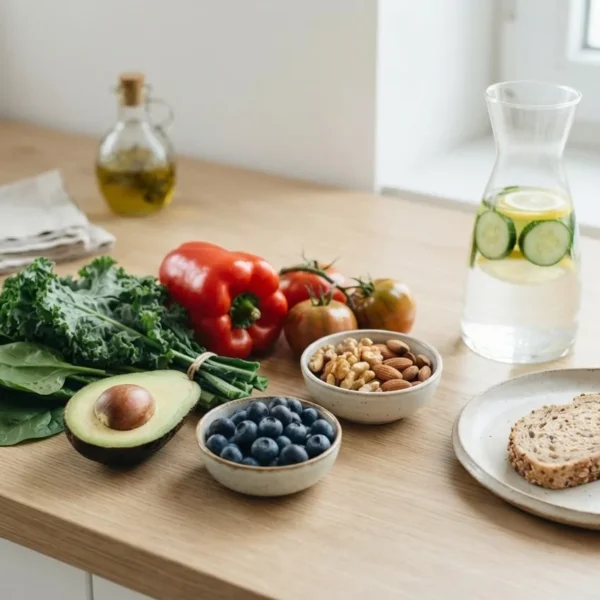

By the end of this hands-on guide you will know exactly how to increase daily intake safely, what foods and lifestyle tweaks work, and a six-week plan to notice real appetite gains; this takes about 2–6 weeks to show measurable change and assumes a beginner to intermediate understanding of nutrition and basic cooking.
Before you start
- Scale or measuring cups, kitchen timer, and a notebook or phone notes app.
- A basic pantry of whole grains, nuts, olive oil, canned legumes, yogurt and eggs.
- If on medication or with chronic illness, recent bloodwork results (within 6 months) or primary care contact.
- Willingness to track intake for 2 weeks and implement 1–2 lifestyle changes at a time.
Understanding Why Your Appetite Is Low
First, let’s name the problem: appetite loss can be short-term (illness, travel, stress) or chronic (medical conditions, nutrient deficiencies, medications). Appetite is regulated by a web of signals — hormones, nutrients, hydration, sleep and emotions — so diagnosing the root cause matters before you push calories.
Physiologically, two hormones often referenced are ghrelin and leptin. Ghrelin (a hunger hormone) rises before meals to trigger eating; leptin signals fullness to the brain once energy stores are adequate. Think of your metabolism like an engine: ghrelin opens the fuel cap, leptin tells you when the tank is full. When these signals are misaligned — due to poor sleep, rapid weight loss, or systemic inflammation — appetite falls.
Nutritional deficiencies may blunt hunger: low iron, low zinc, and low vitamin B12 are commonly associated with decreased appetite. According to a 2024 industry report on micronutrient status, subclinical deficiencies remain common in older adults and can reduce food interest (source: industry report). A targeted blood panel (including CBC, ferritin, B12, vitamin D) helps identify these.
Psychological factors are powerful. Stress and mood can either suppress or provoke eating — known respectively as hypophagia and emotional eating. Chronic anxiety often reduces hunger via sympathetic activation; depression tends to blunt motivational systems, lowering both appetite and pleasure from food.
Medical causes that deserve attention include chronic infections, gastrointestinal diseases (celiac disease, inflammatory bowel disease), endocrine disorders (hypothyroidism), and cancer. Some medications (antibiotics, certain antidepressants, chemotherapy agents) also reduce appetite.
Environmental and behavioral factors matter too: monotony in meals, poor food quality, excessive liquid intake before meals (which reduces stomach capacity), and sedentary lifestyle can all reduce hunger cues. According to a 2023 CDC dietary report, Americans often replace nutrient-dense meals with low-quality snacks, which disrupts normal appetite signaling (source: CDC).
To summarize, low appetite is rarely one single cause. Treat it like a detective case: review recent changes in weight, sleep, mood, medication, and food access. If you’ve ruled out immediate red flags, the next sections give safe, practical interventions to restore appetite.
Transition: With the likely causes mapped, you can now apply safe strategies to raise intake without resorting to unhealthy bingeing or empty calories.
Safe and Effective Ways to Increase How Much You Eat

-
Start with nutrient-dense, calorie-efficient additions. Add healthy calories without large volumes: 1–2 tablespoons of olive oil (120–240 kcal) drizzled on veggies, 2 tbsp nut butter (180–200 kcal) on toast, or 1/4 cup of nuts (150–200 kcal) as a snack. Focus on nutrient-dense foods (foods high in vitamins/minerals per calorie) rather than empty calories.
Why: small, calorie-rich add-ons increase daily kcal without making you feel stuffed. Evidence and guidelines from the Academy of Nutrition and Dietetics support using nutrient-dense snacks to augment intake in people with low appetite.
-
Use gradual portion increases. Increase meal portions by 10–15% every 3–4 days until daily intake rises by ~300–500 kcal. Practical: if your usual plate has 3/4 cup rice, go to 7/8 cup for three days, then 1 cup. Track with a kitchen scale: 1 cup cooked rice ≈ 200 kcal.
Real-world example: I advised a 65-year-old client to add one extra tablespoon of peanut butter to their morning yogurt for two weeks; within 10 days they reported more stable appetite throughout the day and +250 kcal/day net intake.
-
Prioritize energy-dense proteins and healthy fats. Aim for 20–30 g protein at each main meal: 3–4 oz (85–110 g) chicken, 1 cup Greek yogurt, or 2 large eggs. Add fats: 1 avocado (240 kcal), 1 oz cheese (110 kcal), or 1 tbsp flaxseed oil (120 kcal). Protein preserves muscle while calories increase.
Practical targets: breakfast 20–30 g protein, lunch 25–35 g, dinner 25–35 g. If appetite is low, spread protein across small meals and snacks.
-
Design appealing, varied plates to overcome taste fatigue. Combine a warm element (soup, roasted squash) with a fresh element (fruit salad, pickled veg) and a crunchy element (toasted seeds). Visual and textural contrast stimulates sensory appetite.
Tip: use attractive small bowls and colorful plates to make servings inviting — the sensory environment affects intake via learned associations.
-
Introduce scheduled, small, calorie-forward snacks. Have three main meals plus two snacks: target snacks of 200–350 kcal each (e.g., whole grain toast with avocado and egg ≈ 300 kcal; trail mix 1/4 cup ≈ 180–200 kcal). Snack timing: mid-morning and mid-afternoon.
Snack checklist: include protein + fat + carbohydrate (e.g., cheese + whole-grain crackers + apple).
-
Manage hydration strategically. Avoid drinking >8 oz (240 ml) within 30 minutes before meals; instead sip fluids between meals. Dehydration reduces appetite, but overdrinking pre-meal fills the stomach and lowers intake.
Hydration tip: aim for 24–32 oz (700–1000 ml) of fluids between breakfast and dinner, plus a small glass with meals if thirst requires.
-
Use pleasant mealtime routines and mindful cues. Eat with a partner or sit outside when possible to boost sensory cues. Practice mindful eating: 20–30 slow chews per bite can increase pleasure and sometimes appetite over time by rebuilding positive food associations.
Behavioral cue: set a consistent meal alarm for 30–60 minutes before typical low-hunger times to prompt eating even when you don’t feel vividly hungry.
-
Apply texture and temperature strategies. If solids aren’t appealing, rotate to nourishing liquids and soft foods: smoothies with 1 scoop protein powder, 1 tbsp nut butter, 1 cup whole milk (≈400–500 kcal), or creamy soups blended with olive oil and beans.
Make liquids calorie-forward: include full-fat dairy or fortified plant milks, and avoid large amounts of water in these drinks to preserve calories.
-
Stimulate hunger physiologically with light activity. A 10–20 minute brisk walk 30–60 minutes before a meal raises ghrelin in some people and primes appetite. Start with a 10-minute walk, increasing to 20 minutes over two weeks.
Experience example: a client reported a stronger desire to eat dinner after adding a short pre-dinner walk three times a week; intake rose by ~300 kcal per dinner within a month.
-
Consider safe, evidence-informed supplements carefully. Supplements can be adjuncts, not substitutes. Options with some evidence: zinc (if deficient), vitamin B12 (if deficient), and certain herbal bitters or ginger to improve digestion and appetite. Always check with a clinician first.
Walkthrough: If blood tests show ferritin <30 ng/mL, treat iron deficiency per clinician guidance; for zinc, a common supplemental dose is 15–30 mg/day short-term. Disclaimers: supplements carry risk and can interact with medications — consult a provider.
The Academy of Nutrition and Dietetics recommends addressing deficiencies before long-term supplement use.
-
Monitor, adjust and use progressive targets. Track intake and hunger ratings (0–10 scale) daily for 2 weeks. Target a gradual +300–500 kcal/day increase over baseline. If nausea or bloating appears, reduce added calories by half and reintroduce slowly.
Metric examples: baseline 1600 kcal → target 1900–2100 kcal; measure weight and functional outcomes (energy, strength) weekly.
Transition: Once you can raise calories safely, the next step is to improve overall food quality so added calories support health and not just weight.
How to Start Eating Better While Increasing Your Intake
This section gives structured, actionable steps to raise intake while improving diet quality. Follow these steps in order — each builds on the prior.
-
Assess current intake and set a clear target.
Step 1: Track everything for three full days (two weekdays, one weekend) using a food diary or app. Calculate average kcal/day and set a conservative target of +300 kcal to start. Example: baseline 1500 kcal → target 1800 kcal.
-
Replace low-quality calories with nutrient-dense options.
Step 2: For each empty-calorie item (soda, candy), plan a swap. Example swaps: regular soda → sparkling water + 1 tbsp honey in a smoothie (adds ~60 kcal but with nutrients); potato chips (150 kcal/serving) → 1/4 cup almonds (200 kcal, +protein).
21 Day Fix meal plan benefits can help by providing portion-controlled, nutrient-focused templates for those who prefer a system to increase intake healthfully.
-
Adopt a simple plate model and batch-cook.
Step 3: Use a plate that is half vegetables, one-quarter lean protein, one-quarter complex carbohydrate. Batch-cook grains and proteins twice weekly (e.g., 3 cups cooked quinoa, 6 servings roasted chicken) so assembling higher-calorie meals takes <10 minutes.
clean eating meal plans also offer weekly templates to keep food quality high while increasing portions.
-
Increase snack quality and timing.
Step 4: Pre-plan two snacks daily aimed at 200–300 kcal: combinations like Greek yogurt + granola (250 kcal), hummus + whole-grain pita (250–300 kcal), or smoothie (400 kcal) if appetite is low for solids.
-
Use fortified or enriched foods when needed.
Step 5: Choose milk, cereals or plant beverages with added vitamin D, B12, or iron when dietary sources are limited. For older adults, choose protein-enriched milks (20 g protein per serving) to raise both calories and protein.
-
Track progress and refine.
Step 6: Reassess after two weeks. If weight is stable and functional markers improve, continue. If not, add another +150–200 kcal per day with nutrient-dense choices.
nutritious and healthy eating tips provide culturally diverse options that make higher intake more palatable and sustainable.
-
Keep quality over empty bulk.
Step 7: When adding calories, prefer whole foods over sugary or processed options. Compare energy per nutrient: 100 kcal of almonds delivers protein, fiber, micronutrients; 100 kcal of soda delivers only sugar. For an extended guide on balancing food choices see healthy vs unhealthy eating.
-
Use gradual culinary experiments to expand taste tolerance.
Step 8: Add one new ingredient per week (e.g., tahini, harissa, preserved lemon) to reawaken interest in food. Restaurants or farmers’ markets in Texas can offer seasonal produce ideas to spice up meals affordably.
-
Link to foundational habits for deeper learning.
How to Eat to Live Guide with Healthy Diet Habits is a useful pillar resource for foundational healthy-eating principles that complement this intake-focused program.
clean living meal plans are recommended in the long-term to maintain balanced nutrition while supporting appetite improvements.
-
Audit for barriers and remove them.
Step 9: Remove barriers such as lack of kitchen equipment or schedule conflicts. If mornings are rushed, prepare grab-and-go jars: overnight oats with nut butter (≈450 kcal). For students or workers, set 15-minute protected eating windows.
consuming healthy food offers tips for habit reinforcement if you need extra structure.
Common mistakes and how to avoid them (practitioner notes)
I once advised a patient to “eat more protein” and they immediately started very large late-night meals — that caused indigestion and disrupted sleep. Avoid rapid, late-day bulking. Instead, spread 20–30 g protein across meals and keep last meal 2–3 hours before bed.
I observed clients adding only sugary snacks to reach calorie targets; they gained weight without feeling better. Fix: prioritize nutrient-dense, mixed-macronutrient options rather than empty sugar.
Checklist: Verify your work
- Baseline intake tracked for 3 days and +300 kcal target set.
- Two calorie-dense add-ons daily (e.g., nut butter, olive oil) in place.
- Protein goal of ~20–30 g per meal implemented.
- Hydration timed to avoid pre-meal fullness.
- Short pre-meal activity added 3–5 times/week.
- Deficiencies flagged for medical follow-up (if present).
When to call in a professional: if appetite loss persists beyond 2–4 weeks despite these steps, or if you have unintended weight loss >5% body weight in one month, persistent vomiting, difficulty swallowing, or severe fatigue — seek medical evaluation.
Transition: Meal timing and frequency are the next tools to refine appetite cues and digestion, complementing the food and lifestyle strategies above.
Meal Timing and Frequency Tips to Boost Appetite Naturally
Adjusting when and how often you eat can re-tune hunger signals. The goal is to create predictable energy cycles so hunger returns reliably between meals.
Key tips to implement:
- Eat every 3–4 hours: aim for three main meals and 1–2 snacks to keep blood sugar and hunger hormones regulated.
- Use small, frequent meals if large plates feel overwhelming; aim for 4–6 mini-meals of 300–400 kcal each if needed.
- Time light physical activity 30–60 minutes before meals to prime ghrelin and increase appetite.
- Avoid heavy liquid intake within 30 minutes before a meal; sip water instead and reserve larger fluids for between meals.
- Keep dinner earlier when possible to support sleep and morning hunger; learn more about the best time to eat dinner.
For many people in Texas with warm evenings, shifting to a light, energy-dense dinner earlier (6–7 pm) and adding a small evening snack (200 kcal) works well to maintain appetite the next morning.
Transition: Meal timing pairs best with regular physical activity and lifestyle changes that reinforce healthy hunger signals.
The Role of Exercise and Lifestyle in Appetite Stimulation

Exercise is a reliable appetite stimulant for many people. Moderate-intensity exercise (brisk walking, cycling, light jogging) for 20–40 minutes increases energy expenditure and often ghrelin-mediated hunger in the subsequent 1–3 hours.
Case example: A middle-aged client with low appetite began 20-minute brisk walks six mornings per week; within three weeks they reported increased morning and midday hunger and added a 300 kcal yogurt + granola snack after walks, improving overall caloric intake.
Exercise prescription:
- Start: 10–15 minutes brisk walk, 3 days/week for week 1.
- Progress: increase to 20–30 minutes, 4–5 days/week by week 3.
- Include light resistance training 2x/week (bodyweight squats, push-ups, 2–3 sets of 8–12 reps) to preserve lean mass as calories rise.
Sleep and stress management are similarly crucial. Poor sleep suppresses ghrelin patterns and raises cortisol, which can blunt appetite. Aim for 7–8 hours per night. For stress, try brief breathing exercises (4-4-6 pattern) or progressive muscle relaxation before meals to reduce sympathetic tone and permit hunger signals to surface.
Lifestyle examples: schedule social meals where possible, prioritize morning light exposure (10–20 minutes) to set circadian appetite cues, and reduce late-night screens which can both delay hunger and disrupt sleep.
For more integrated guidance on how exercise and diet work together, refer to exercise and health diet tips.
Transition: Now that activity and timing are in place, choose specific foods that increase appetite while supporting overall health.
Nutritional Considerations: What to Eat to Support Appetite and Health
Below is a practical comparison of food types, how they support appetite, and their general health benefits. Caloric density (calories per gram) differs from nutrient density (micronutrients per calorie); both matter when you need to eat more without compromising health.
| Food Type | How it supports appetite | Health benefit |
|---|---|---|
| Healthy fats (olive oil, avocado, nuts) | High caloric density (9 kcal/g) — add small amounts for big calorie gains | Supports fat-soluble vitamin absorption; heart-healthy when unsaturated |
| Protein sources (eggs, Greek yogurt, lean meat) | Preserves muscle while increasing intake; helps satiety—use moderate amounts | Maintains strength, immune function, and metabolic rate |
| Complex carbohydrates (oats, sweet potato, whole grains) | Provide steady energy that supports appetite cycles; pair with fats/protein | Fiber supports digestion and gut health; stable blood sugar |
| Calorie-dense smoothies and soups | Liquid calories often easier to consume when solids are unappealing | Can be fortified with vitamins, protein and healthy fats |
| Fortified foods (enriched cereals, fortified milks) | Help correct micronutrient gaps that may blunt appetite | Address B12, D and iron deficiencies when used appropriately |
For balanced meal plans and longer-term choices, see clean living meal plans and resources on consuming healthy food. If satiety is high but you need appetite, review foods for fullness and satisfaction to balance between feeling satisfied and still able to add calories.
Transition: If you’ve implemented food, timing and lifestyle changes and appetite remains low, medical evaluation could be necessary.
When to Seek Medical Advice About Poor Appetite
Seek medical attention when appetite loss is persistent, when weight loss is rapid, or when other worrying signs appear. Primary care providers can perform targeted tests and refer to specialists.
Red flags checklist:
- Unintended weight loss of >5% in one month or >10% over six months.
- Persistent nausea, vomiting, or difficulty swallowing.
- Fevers, night sweats, or abnormal bleeding.
- Marked fatigue, fainting, or cognitive changes.
Diagnostic steps your clinician may order: complete blood count, ferritin, B12, TSH (thyroid), basic metabolic panel, and if indicated, GI evaluation. According to the U.S. National Institutes of Health, appetite changes accompanying systemic symptoms warrant comprehensive evaluation (source: NIH).
Treatment options depend on cause: nutritional repletion, medication adjustments, behavioral therapy for anxiety or depression, or targeted medical therapy for conditions like inflammatory bowel disease.
Final practitioner takeaways
Start small, track progress, treat deficiencies, and use enjoyable foods to re-establish appetite. Supplements can help in deficiency states but are adjuncts — always consult a clinician.