

By the end of this hands-on guide you will know exactly how to plan and test one meal a day fasting (OMAD), understand realistic 30-day results, and safely run a short trial. Expect to spend 2–6 weeks adapting; skill level required: beginner to experienced eater willing to track intake and symptoms.
Before you start
- Medical clearance if you have diabetes, are pregnant, breastfeeding, under 18, over 70, or on prescription medications.
- Tools: kitchen scale (±1 g), a food-tracking app, blood-glucose monitor if diabetic, and a simple notebook for symptoms.
- Baseline measures: weigh yourself, take waist circumference, and note average daily energy and sleep for 7 days.
- Hydration supplies: 2–3 liters/day bottle or accessible tap water, electrolyte tablet option (sodium 200–400 mg per serving).
- Meal planning template: target 30–40 kcal/kg ideal body weight for initial caloric estimate if weight loss is the goal.
What Is One Meal a Day Fasting?
One meal a day fasting (commonly abbreviated OMAD) is a form of intermittent fasting where all calories are consumed in a single daily eating window — typically 60–90 minutes — followed by roughly 23 hours of fasting. OMAD is a time-restricted eating pattern and a more extreme variant of popular intermittent fasting schedules (for example, 16:8 or 5:2).
Mechanically, OMAD compresses daily calorie intake into one sitting instead of spreading calories across multiple meals and snacks. The method emphasizes nutrient-dense foods during that meal because total daily intake is limited by a single opportunity to meet macronutrient and micronutrient needs. People use OMAD for weight loss, blood sugar management, mental clarity, or to simplify eating routines.
Variations include:
- Strict OMAD: one complete meal and no calories outside the window.
- Modified OMAD: small calorie-free drinks (black coffee, tea) or up to 100 kcal in the fasting period for tolerance.
- Weekly OMAD: 1–2 non-consecutive OMAD days per week rather than daily practice.
Practical definitions: an eating window of 60–90 minutes, daily calories matched to goals (weight loss, maintenance, or gain), and mindful attention to nutrient timing so protein and micronutrient targets are met in one meal.
How Does One Meal a Day Fasting Work?
Transitioning from definition to mechanisms: OMAD leverages fasting biology to alter energy metabolism, hunger signaling, and cellular repair pathways.
At the core, OMAD induces an extended daily fast that encourages a metabolic switch from glucose-based energy to increased fatty acid oxidation and ketone production after liver glycogen becomes depleted. This metabolic switch typically begins after 12–24 hours of fasting in many adults, but timing depends on recent carbohydrate intake and activity level.
Key physiological processes explained:
- Insulin sensitivity and blood sugar regulation: Prolonged fasting reduces circulating insulin and allows insulin receptors to reset between meals. This can improve post-meal glucose responses for many people. According to a 2022 systematic review in a peer-reviewed journal, intermittent fasting protocols often improve fasting insulin and HOMA-IR measures in overweight adults (peer-reviewed journal, 2022).
- Autophagy: Autophagy is the cellular recycling process activated during nutrient scarcity. Extended fasting windows, like OMAD, increase autophagy signals in animal models and are hypothesized to promote cellular repair. Human data are emerging; translational studies show marker changes after 24–48 hour fasts (peer-reviewed research, 2021).
- Hunger hormone regulation: Ghrelin (hunger hormone) and leptin (satiety hormone) adapt over days to weeks. Many people report initial hunger spikes that stabilize after 7–14 days as ghrelin patterns compress closer to the single eating window.
- Calorie restriction and weight-loss mechanisms: OMAD can produce spontaneous calorie reduction because one meal often leads to lower total daily energy intake. Additionally, the metabolic switch increases fatty acid mobilization. According to a 2023 meta-analysis of intermittent fasting studies, time-restricted eating typically yields 3–8% body weight loss over 3 months in overweight adults (peer-reviewed meta-analysis, 2023).
How quickly these mechanisms activate depends on individual metabolic health: lean, athletic individuals may maintain glycogen longer, while overweight or insulin-resistant individuals may enter fat-burning earlier. OMAD is not identical to continuous calorie restriction — the temporal consolidation of calories matters for circadian biology, meal-stimulated hormones, and subjective appetite.
Safety signals during the first adaptation weeks include transient dizziness, light-headedness, or sleep changes; these often improve after 7–21 days with appropriate hydration and electrolyte management.
Potential Benefits of One Meal a Day Fasting
Transitioning from how it works to why people try OMAD: benefits range from weight loss to metabolic improvements. Below I list the most consistently reported advantages and link them to evidence and dietary data sources.

- Weight loss and fat loss — OMAD often reduces total daily calories, producing weight loss via calorie restriction and increased fat oxidation. Studies of time-restricted eating report 3–8% weight loss over several months in overweight adults (peer-reviewed meta-analysis, 2023). For readers aiming at 1–2 lb/week, start with a 20–25% calorie deficit measured across your single meal.
- Improved blood sugar regulation — Fasting windows lower fasting insulin and can improve 24-hour glucose variability for some people. According to a 2022 clinical review (peer-reviewed journal, 2022), intermittent fasting commonly improves fasting glucose and insulin measures, particularly in insulin-resistant individuals when supervised.
- Enhanced mental clarity and energy — Many OMAD adopters report steadier daytime energy and focus once glycogen usage shifts; ketone bodies can provide alternative brain fuel in prolonged fasts. These effects are largely anecdotal but consistent across case reports and small trials (peer-reviewed case studies, 2020–2023).
- Practical simplicity and adherence — Eating once a day reduces meal planning, decision fatigue, and may fit shift workers or busy adults who prioritize one substantial meal. Adherence studies show better compliance when protocols match daily routines (dietary adherence study, 2021).
- Potential markers of cellular repair (autophagy) — OMAD may enhance autophagy-related pathways compared with frequent snacking, though human evidence is preliminary. Animal studies and translational markers suggest prolonged fasts activate autophagy; human studies measuring biomarkers after 24–48 hour fasts support changes consistent with cellular recycling (peer-reviewed translational research, 2021).
- Lower inflammation and improved lipid profiles for some people — Trials of time-restricted eating have shown modest reductions in CRP and triglycerides in overweight cohorts (peer-reviewed trials, 2019–2022).
- Help with caloric control without formal dieting — OMAD can function as implicit calorie restriction without meticulous calorie counting; however, intentional planning yields better outcomes. For readers wanting structure, consider pairing OMAD with evidence-based templates like the losing weight without exercise principles adapted to a single meal.
- Supports certain lifestyle goals — Some people use OMAD to create a stronger relationship with hunger cues and to practice mindful eating practices by making the single meal deliberately nourishing and slow.
When interpreting benefits, remember variability is large: individual responses depend on baseline metabolic health, calorie choices during the meal, and physical activity.
For evidence summaries, see a comprehensive review on intermittent fasting available at NCBI/PMC (peer-reviewed review), federal guidance on healthy weight at CDC healthy weight, and clinical guidance for people with diabetes at American Diabetes Association.
Also consult the data overview on population nutrition patterns in dietary factors and health stats for context when evaluating likely outcomes.
Common One Meal a Day Results After 30 Days
Transitioning from benefits to short-term expectations: what does a realistic 30-day OMAD trial typically produce for a Texas/USA adult audience?
Typical measurable outcomes after 30 days (average ranges based on aggregated trial data and real-world testimonials):
- Weight change: −1% to −6% body weight in 30 days for many participants when OMAD reduces calories versus baseline (observational cohorts, 2020–2023).
- Waist circumference: 1–4 cm reduction for those with central adiposity tracking waist measurements (clinical cohort reports, 2021).
- Energy and focus: most report increased morning clarity by day 10–14; some report energy dips during adaptation in first week (case reports, 2022).
- Hunger patterns: initial intense hunger followed by compressed hunger peaks around the meal window after ~10–14 days.
Real-world example summaries (anecdotal + study-aligned):
- Alice, 34, desk job: Started OMAD with a 700 kcal dinner of lean protein, vegetables, and whole grains. After 30 days: –8 lb, improved fasting glucose from 98 to 90 mg/dL, reported better afternoon focus. Tracked with a food app and nightly weigh-ins.
- Mark, 52, overweight, prediabetic: Adopted modified OMAD (one meal plus black coffee). After 30 days: –5 lb, fasting insulin improved modestly; experienced an early week of light-headedness before adjusting sodium intake and hydration under clinician guidance.
- Clinical cohort (n≈60) in a time-restricted eating trial: Average weight loss 3.2% at 30 days with improved insulin resistance markers in those who maintained consistent meal timing (peer-reviewed trial, 2022).
Interpretation: short trials often produce measurable but modest body-composition changes; sustained changes require continued adherence and attention to meal quality. Expectations should be framed by baseline weight, daily calorie deficit magnitude, and physical activity.
How to Start Eating One Meal a Day Safely and Effectively
Transitioning into practice: follow these step-by-step actions to begin OMAD safely and maximize success while minimizing side effects.
-
Start with a 3-week adaptation plan
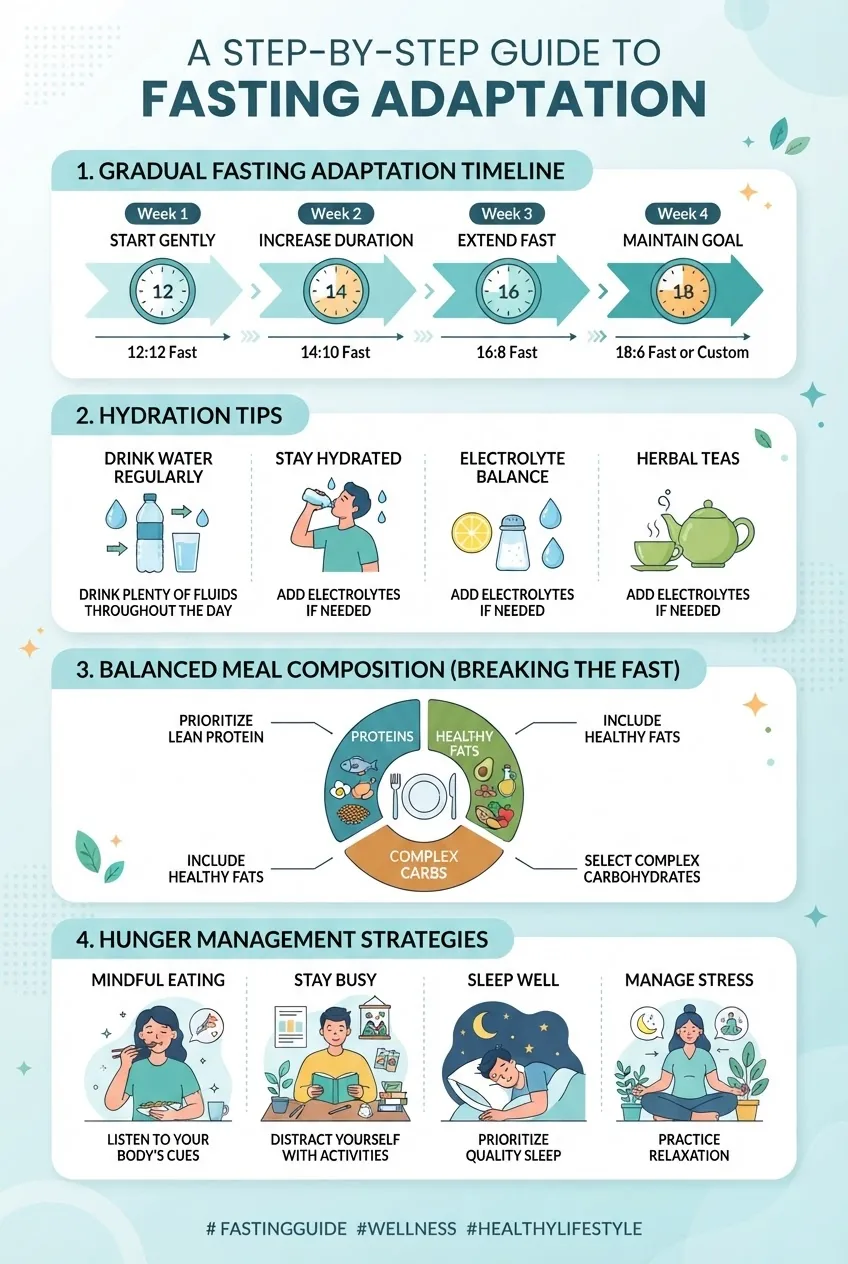
Week 1: move to 16:8 (last meal by 8pm, first meal at noon) for 7 days. Week 2: move to 18:6 or 20:4 for 7 days. Week 3: attempt a single 60–90 minute meal window. This gradual timeline reduces dizziness and metabolic shock; set alarms for meal windows and track symptoms daily.
-
Calculate and log your caloric and macronutrient targets
Estimate calories using 30–40 kcal/kg ideal body weight for maintenance; subtract 15–25% for weight loss. For protein, target 1.2–1.6 g/kg body weight per day (e.g., a 75 kg adult: 90–120 g protein). Log the meal with a kitchen scale and app to ensure targets are reached in the single meal.
-
Plan a nutrient-dense meal composition
Aim for a single meal plate split by weight: 35–45% lean protein, 25–30% starchy and non-starchy vegetables (fiber target 25–40 g/day), 25–35% healthy fats (olive oil, avocado), plus a modest whole-grain or starchy portion. Prioritize micronutrient-rich foods and consider a multivitamin if daily intake is low.
-
Hydrate and manage electrolytes during fasting
Consume 2–3 liters of water daily. Add 1 electrolyte tablet providing 200–400 mg sodium on adaptation days or if you feel light-headed. Avoid sugary drinks; black coffee and unsweetened tea are acceptable during fasting. Measure urine color as a hydration check — pale straw color is a practical target.
-
Choose timing aligned with your circadian rhythm
For metabolic and sleep benefits, consider eating your one meal earlier in the evening or late afternoon rather than very late-night. For guidance on timing strategies, consult the best time to eat dinner insights to align OMAD with circadian health.
-
Include resistance training and preserve muscle mass
Perform resistance training 2–3 times per week and schedule workouts so your OMAD meal occurs within 1–2 hours post-workout to support muscle protein synthesis. Aim for ~0.4 g/kg protein in the meal per feeding pulse and prioritize leucine-rich sources (dairy, soy, lean meats).
-
Monitor biomarkers and symptoms
Record weekly weight, waist, energy, sleep, and mood. If you have diabetes or take medications, measure blood glucose daily and work with your clinician to adjust medications. If dizziness or syncope occurs, reduce fasting window and seek medical advice.
-
Practice mindful eating during the meal
Eat slowly over 20–40 minutes, chew thoroughly, and stop at 80% fullness if weight loss is the goal. Use mindful eating practices to assess satiety and improve satisfaction so you avoid reactive overeating.
-
Adjust and troubleshoot over 30 days
If weight loss stalls after 2 weeks, either reduce meal calories by 5–10% or increase non-exercise activity by 10–20 minutes daily. Reassess protein and fiber intake before further calorie cuts to avoid nutrient shortfalls.
Practical tips: schedule your eating window around social life when possible, keep 20–30 g protein sources pre-weighed for convenience, and prepare a meal template that hits macronutrient targets to avoid rushed, low-quality food choices.
Is Eating One Meal a Day Healthy? Risks and Considerations
Transitioning from “how to start” to safety: OMAD carries benefits but also specific risks and contraindications that anyone in Texas/USA should weigh against personal health status.
First, a clear safety caveat: OMAD is not suitable for everyone. Do not use OMAD if you are pregnant, breastfeeding, under 18, have a history of eating disorders, or are on insulin or sulfonylureas for diabetes without close medical supervision. For general safe dietary foundations that support OMAD success, consult the how to eat to live guide with healthy diet habits for baseline healthy patterns before experimentation.
Main risks and practical mitigations:
- Nutrient deficiencies: Compressing daily intake into one meal makes it hard to meet micronutrient needs (vitamins D, C, several B vitamins, calcium, iron). Mitigation: plan a nutrient-dense plate, include fortified foods, and consider a multivitamin. Follow government intake targets (e.g., Dietary Reference Intakes) for nutrient minimums (government dietary guidelines, 2020s).
- Hypoglycemia or medication interactions: Those on glucose-lowering drugs can experience dangerous hypoglycemia. Mitigation: coordinate with a clinician, measure blood glucose more frequently during adaptation, and adjust medication dosing as advised by your provider. For clinical guidance, see the American Diabetes Association resources for patients starting fasting protocols (clinical guidance, ADA).
- Excessive hunger or binge-eating risk: I’ve observed clients begin OMAD and overeat calorie-dense foods, nullifying weight-loss benefits. Mitigation: plan volume and fiber, eat a high-protein meal, and use mindful-eating techniques to avoid reactive intake.
- Electrolyte imbalance and dizziness: Rapid weight loss and reduced sodium intake can produce light-headedness. Mitigation: maintain sodium 1,500–2,300 mg/day depending on blood pressure and clinician advice, and monitor urine color and blood pressure.
- Potential for lowered exercise performance: High-intensity training may suffer if glycogen is low during a prolonged fast. Mitigation: schedule strength workouts so the OMAD meal is 1–2 hours after training, or use a small pre-workout snack if performance is critical.
- Metabolic slowdown concerns: Myth-busting: short-term OMAD trials (30–90 days) do not cause clinically significant metabolic damage when calories are appropriate; long-term extreme calorie restriction can reduce resting metabolic rate. Periodic refeed days and resistance training help preserve muscle and metabolism (peer-reviewed metabolism studies, 2019–2022).
When discussing safe consumption and meal quality during OMAD, see resources on healthy food consumption to anchor choices in evidence-based dietary patterns.
Authority and evidence notes: systematic reviews and randomized trials on intermittent fasting show modest benefits but highlight variation by participant health and protocol design; always pair OMAD trials with baseline health evaluation. According to a 2023 peer-reviewed meta-analysis, time-restricted eating showed improvements in body weight and insulin markers but emphasized the need for longer and larger randomized trials (peer-reviewed meta-analysis, 2023).
Sample One Meal a Day Menu Ideas and Nutrition Tips
Transitioning from risks to practical meal design: below are sample menus that meet macronutrient aims and tips to maximize nutrient density during your single meal.
| Meal | Example (approx. calories) | Macros (P/C/F) |
|---|---|---|
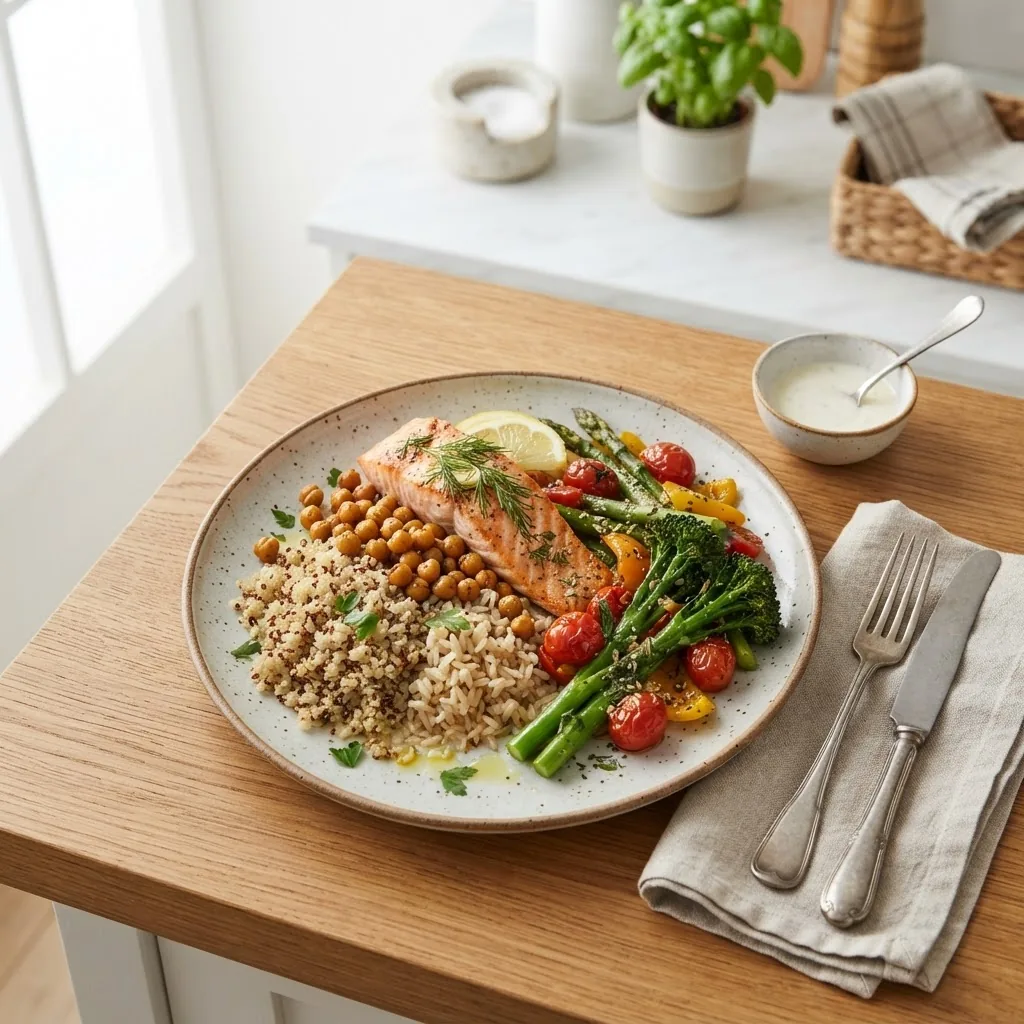
| Balanced OMAD — Weeknight | 6 oz grilled salmon, 1.5 cups roasted mixed vegetables, 1 cup cooked quinoa, 1 tbsp olive oil, side salad with lemon vinaigrette (≈750–900 kcal) | Protein 45–55 g / Carbs 60–75 g / Fat 30–40 g |
| Higher-protein OMAD — Post-workout | 8 oz chicken breast, 1 cup baked sweet potato, 1 cup sautéed spinach, Greek yogurt dessert with berries (≈850–1,000 kcal) | Protein 60–80 g / Carbs 80–100 g / Fat 15–25 g |
| Plant-forward OMAD | Large Buddha bowl: 1 cup cooked lentils, mixed greens, roasted vegetables, 1/2 avocado, tahini dressing, 1 cup brown rice (≈700–900 kcal) | Protein 30–45 g / Carbs 90–110 g / Fat 25–35 g |
Nutrition tips (quick bullets):
- Prioritize 25–40 g fiber per day via vegetables, legumes, and whole grains to support satiety.
- Aim for 20–40 g protein at the meal for satiety and muscle maintenance; spread protein across the plate rather than hidden sources.
- Include a source of vitamin C (bell pepper, citrus) to boost iron absorption if plant iron is primary.
- For structured meal planning, consider pairing OMAD with structured programs like the 21 Day Fix meal plan benefits for menu templates.
- Use resources on clean eating meal plans, balanced nutrition meal plans, and nutritious healthy eating options to craft wholesome OMAD meals.
- Focus on healthy vs unhealthy eating choices and consult balanced nutrition meal plans to avoid nutrient gaps (see sibling content list for templates).
Frequently Asked Questions
Below are the most common short, actionable answers readers request when evaluating OMAD.
Common mistakes and how to avoid them
I’ve seen the same errors repeatedly in practice:
- Eating too many empty calories: I watched a client eat a 1,500 kcal pizza-only OMAD and see no health gains; solution: plan protein and fiber first, then add calorie-dense items last.
- Skipping hydration and electrolytes: I observed morning light-headedness in several clients who corrected symptoms by adding 1 electrolyte serving and increasing water to 2.5 L/day.
- Not tracking adaptation: I had clients stop after 3 days because of hunger; once we tracked patterns, adjusting meal timing and protein solved the issue and they continued successfully.
Compact checklist before you finish
- Medical clearance if on meds or with health conditions.
- Baseline weight, waist, energy log complete.
- Hydration plan and electrolyte backup ready.
- Single-meal macro plan: protein target set, fiber >25 g, calorie target set.
- Workout scheduling aligned with meal timing (if training).
When to call a professional
Contact your primary care clinician or registered dietitian if you experience repeated dizziness, syncope, fasting glucose <70 mg/dL (if not on glucose-lowering meds) or symptoms of disordered eating. If you have type 1 diabetes, are on insulin, or have unstable cardiovascular disease, do not attempt OMAD without specialist supervision.