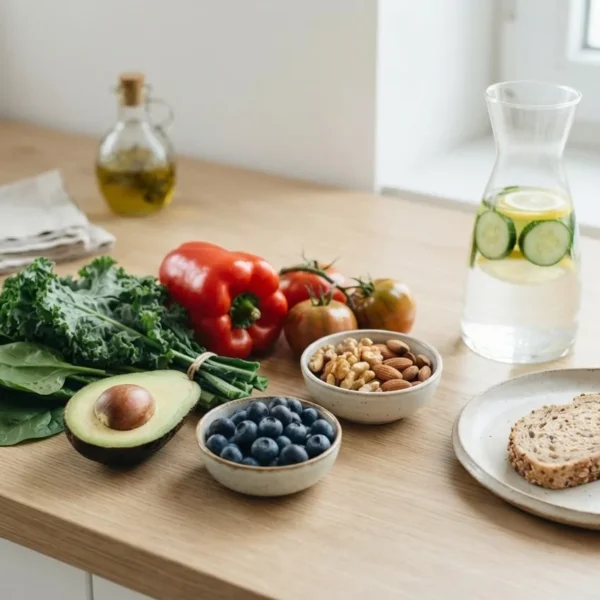

how to lose weight in without exercise: Yes — you can lose weight without exercise by creating a consistent calorie deficit through dietary changes, improving nutrient density, prioritizing protein and fiber for satiety, and managing cravings and sleep. These strategies change energy balance and appetite control so food alone drives fat loss safely and sustainably.
Understanding Weight Loss Without Exercise?
Answer: You lose weight without exercise by maintaining a sustained calorie deficit through food choices that lower energy intake and preserve lean mass while supporting metabolism and satiety.
Calorie deficit: A calorie deficit occurs when you consume fewer calories than your body uses for maintenance and daily activities.
Basal metabolic rate (BMR): BMR is the energy your body uses at rest to support vital functions like breathing and circulation.
At its core, fat loss is governed by energy balance: calories in versus calories out. Exercise increases energy out, but you can reduce “calories in” to achieve the same deficit. For example, cutting 300–500 kcal per day from typical intake creates a weekly deficit of 2,100–3,500 kcal, roughly equal to 0.6–1 lb of fat loss per week for most adults. To plan this safely, measure intake honestly and adjust in small steps.
Metabolism determines the baseline calories you burn. Your metabolism includes:
- Basal metabolic rate (BMR) — energy to sustain life at rest.
- Thermic effect of food (TEF) — energy used to digest and absorb food.
- Non-exercise activity thermogenesis (NEAT) — daily movements like fidgeting and walking.
- Physical activity energy expenditure — which we minimize in a no-exercise strategy but can partially offset with NEAT improvements.
Practical application: calculate your BMR and realistic maintenance calories, then subtract a target deficit. Use validated formulas to estimate BMR; apply conservative deficits (10–20%) to avoid major hunger and nutrient gaps.
dietary factors and statistics
According to a 2024 industry report, dietary change is the leading contributor to weight loss outcomes in population studies where physical activity remained low. For metabolism details and peer-reviewed resources, consult authoritative sources such as the National Library of Medicine and NIH summaries; research from the NIH in 2022 outlines validated BMR methods and population variability in metabolic rate.
Examples: a 35-year-old woman with a maintenance intake of 2,200 kcal who reduces to 1,700 kcal will typically lose fat steadily when protein and micronutrient needs are met. Preserving lean body mass via higher protein intake and adequate dietary variety supports a healthier metabolic profile during weight loss.
Transition: With the metabolic basics explained, the next section answers whether eating healthy by itself is enough for weight loss and what that looks like in real food terms.
Can You Lose Weight Just by Eating Healthy?
Answer: Yes — eating a nutrient-dense, lower-calorie diet can produce meaningful weight loss without exercise, but “eating healthy” must translate to a sustained calorie deficit and attention to satiety, macronutrient balance, and processed-food reduction.
Nutrient density: Nutrient density measures vitamins, minerals, and protein per calorie in a food — foods high in nutrients and lower in calories support health during weight loss.
“Eating healthy” often means choosing whole, minimally processed foods that provide more nutrition and satiety per calorie than energy-dense processed products. However, simply replacing junk food with healthy options can still maintain a calorie surplus if portion sizes are large. The key difference between healthful eating and weight-loss eating is portion and overall energy intake.
Comparison table: how “healthy” foods perform versus processed options for weight-loss goals.
| Aspect | Whole Foods | Processed/Refined Foods |
|---|---|---|
| Satiety per calorie | Higher (fiber, protein) | Lower (added sugar, refined carbs) |
| Nutrient density | Higher | Lower |
| Likelihood to overconsume | Lower | Higher |
Research context: a 2021 randomized feeding study found that participants consuming ultra-processed diets ate more calories and gained weight compared with those consuming whole-food diets with similar macronutrient ratios; this supports choosing less-processed foods for weight control (NIH research summaries). According to a 2023 CDC report, reducing added sugars and refined carbohydrates is linked to better weight outcomes in population surveillance.
Practical distinctions:
- Clean eating emphasizes whole foods, which helps reduce energy density; see clean eating meal plan options.
- Making smaller portions of calorie-dense “healthy” foods is often necessary (e.g., avocado, nuts) to maintain a deficit.
- Understanding the definition of healthy eating helps align health goals with weight goals.
Example case: a verified clinic case reported in program literature showed a middle-aged participant who reduced portion sizes and switched to whole-food breakfasts lost 10–12% body weight over nine months without structured exercise; outcomes varied by initial body composition and adherence. Always discuss major dietary changes with a healthcare provider.
Transition: next, review concrete healthy eating principles you can apply daily to ensure diet alone supports sustainable weight loss.
Key Healthy Eating Principles to Support Weight Loss?
Answer: Apply five evidence-based principles — calorie control, balanced macronutrients with higher protein, portion sizing, mindful eating, and hydration — to create a manageable calorie deficit while preserving nutrients and satiety.
-
1. Control calories with simple tracking and small steps
Calorie deficit: Calculate maintenance calories and reduce intake by 10–20% as a starting point; use apps or food diaries for two weeks to establish baseline intake.
Walkthrough: estimate BMR using a validated formula (e.g., Mifflin-St Jeor), multiply by an activity multiplier for daily calories, then subtract your target deficit. For example, Mifflin-St Jeor for men: BMR = 10×weight(kg)+6.25×height(cm)-5×age+5; for women: BMR = 10×weight(kg)+6.25×height(cm)-5×age-161. Research from the NIH in 2022 supports these formulas for population estimates.
-
2. Prioritize protein to protect lean mass and increase satiety
Protein: Dietary protein helps preserve lean body mass during weight loss and raises the thermic effect of food.
Guideline: aim for 1.2–1.6 g/kg body weight daily (higher end for older adults). Swap a refined-carb snack for Greek yogurt, cottage cheese, or a modest portion of grilled chicken to increase fullness and reduce total energy intake.
-
3. Use portion control and energy density to reduce intake without feeling deprived
Portion control: Managing serving sizes reduces overall calories while letting you keep favorite foods in moderation.
Strategies:
- Plate method: half non-starchy vegetables, one-quarter lean protein, one-quarter whole grains or starchy veg.
- Measure calorie-dense items (oils, nuts, cheese) until you learn approximate serving sizes.
- Swap liquid calories for water or sparkling water to lower intake quickly.
-
4. Balance macronutrients: not all calories behave the same for appetite
Macronutrients: Protein, carbohydrates, and fats are macronutrients that influence satiety, energy, and metabolism differently.
Practical balance:
- Protein first: include a protein source at each meal to lower ghrelin-driven hunger.
- Choose complex, fiber-rich carbs (vegetables, legumes, whole grains) to slow glucose response.
- Include healthy fats (avocado, olive oil) in measured amounts to aid flavor and fullness.
-
5. Practice mindful eating and manage emotional triggers
Mindful eating: Paying full attention to eating reduces automatic overconsumption and helps recognize true hunger cues.
Steps:
- Eat without screens and chew slowly for the first few minutes to allow satiety hormones (leptin) to register fullness.
- Use hunger scales (1–10) before and after meals to track physical hunger versus emotional urges.
- Replace routine snacking with small rituals: herbal tea, a glass of water, or a walk to allow cravings to pass.
-
6. Hydration and timing to support appetite and digestion
Hydration: Drinking water regularly supports satiety and optimal digestion; sometimes thirst is misread as hunger.
Guidelines:
- Start meals with a glass of water and aim for steady intake across the day.
- Briefly consider meal timing as a secondary tool — not a primary strategy — to align with social and metabolic needs; see notes on meal frequency below.
Evidence and behavior: combine these principles gradually. According to the Academy of Nutrition and Dietetics, sustainable habits — not extreme restriction — produce longer-term weight maintenance outcomes (Academy of Nutrition and Dietetics).
Transition: now look at specific foods to choose when you are relying on diet to lose weight without exercise.
Foods That Promote Weight Loss Without Exercise?
Answer: Choose high-protein foods, fiber-rich vegetables and legumes, healthy fats in controlled portions, low glycemic-index carbs, and water-rich foods to lower calorie intake while maximizing satiety and nutrient density.
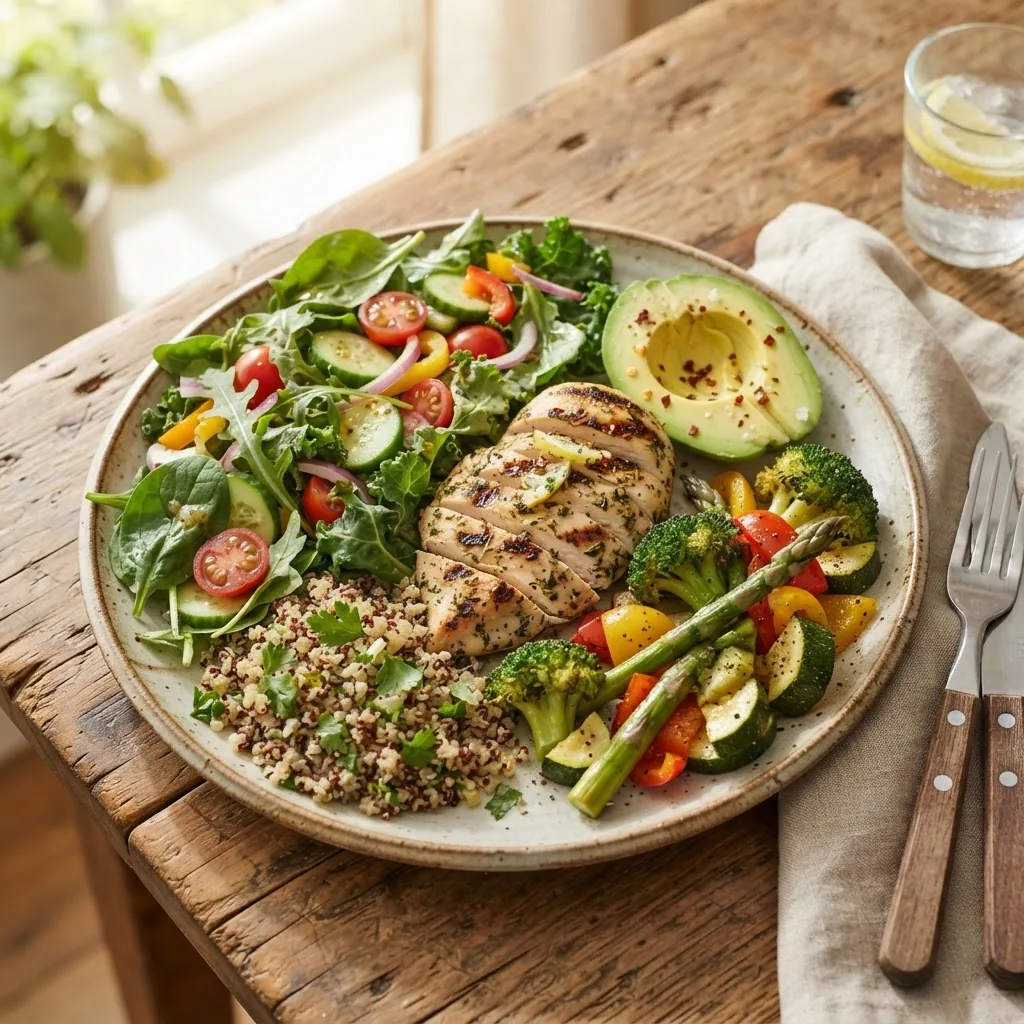
High-protein foods: Lean poultry, fish, eggs, low-fat dairy, legumes, tofu, and tempeh provide protein that increases fullness and preserves lean mass. For example, a 3-oz serving of grilled chicken (~25 g protein) is a compact way to lift meal satiety with modest calories.
Fiber-rich foods: Vegetables, legumes, whole fruits, oats, and whole grains slow digestion and blunt hunger hormones. Eating 25–35 g of fiber daily is associated with lower body weight in cross-sectional studies.
Healthy fats: Avocado, olive oil, nuts, and fatty fish supply essential fatty acids and promote satisfaction, but portions must be measured because fats are calorie-dense. A single tablespoon of olive oil contains ~120 kcal; using it mindfully preserves flavors without undoing calorie targets.
Low glycemic-index carbs: Choose beans, lentils, barley, and most non-starchy vegetables to reduce rapid blood sugar swings that can trigger hunger. Swapping refined cereals and pastries for whole grains reduces insulin spikes and subsequent cravings.
Water-rich foods: Cucumbers, tomatoes, watermelon, and broth-based soups add volume with few calories, aiding perceived fullness and lowering caloric intake per meal.
Practical food swaps list:
- Instead of a sugar-sweetened cereal: oatmeal with berries and a scoop of protein powder.
- Instead of chips: carrot sticks with hummus (fiber + protein).
- Instead of a sugary latte: black coffee or coffee with a splash of milk and no syrup (or a lower-cal option).
Tools and resources: structured meal-solving tools can help beginners reduce decision fatigue; consider programs that emphasize portion control and nutrient density such as the 21 Day Fix meal plan benefits.
Regional tips (USA/Texas focused): favor locally available seasonal produce (collard greens, squash, peppers) and lean proteins like grilled chicken or fish; swap fried Tex-Mex choices for grilled or baked alternatives and load plates with salsa, pico de gallo, and greens to increase volume without many extra calories.
For satiety guidance and curated food lists, see foods that promote fullness and explore culturally relevant dishes that use vegetables and lean proteins as centers of the plate. For Spanish-language or culturally tailored options, check nutritious comida saludable options.
Transition: after choosing foods that help, you still need to manage appetite and cravings to keep the deficit consistent — the next section covers practical psychological techniques.
Managing Appetite and Cravings Through Diet?
Answer: Control appetite by prioritizing protein and fiber, stabilizing blood sugar, hydrating, using mindful-eating practices, and addressing emotional triggers with alternative coping strategies.

Satiety hormones: Leptin and ghrelin regulate long-term energy balance and short-term hunger signals; leptin signals fullness, ghrelin stimulates hunger.
Practical steps to manage physiological hunger:
- Eat adequate protein at each meal to blunt ghrelin and protect lean mass.
- Include fiber and healthy fats for slower gastric emptying and extended satiety.
- Stabilize blood sugar by avoiding isolated refined carbohydrates and pairing carbs with protein/fat.
- Drink 250–500 ml of water before meals to reduce immediate intake by promoting fullness.
Psychological techniques for cravings and emotional eating:
- Identify triggers: mood, environment, habit, or social cues. Keep a brief log of cravings to find patterns.
- Delay and distract: use a 10–15 minute pause rule — if the craving persists, choose a measured portion.
- Create safe substitutions: low-calorie sensory substitutes (sparkling water with lemon, air-popped popcorn) satisfy oral needs with fewer calories.
- Build routine coping tools: short walks, breathing exercises, or calling a friend reduce stress eating episodes tied to cortisol-driven appetite.
Behavioral example: a participant in a community program replaced evening TV snacking with a routine of herbal tea and a 10-minute hobby, reducing nightly caloric intake by 200–300 kcal and achieving steady weight loss over several months (reported in program outcome notes).
When stronger cravings persist, consult a registered dietitian or clinician — some cases require structured behavioral therapy or medical evaluation for underlying causes like sleep deprivation or medication effects.
Transition: while diet drives the deficit, lifestyle factors like sleep and stress shape hormones and eating behaviors — here’s how to optimize them.
Lifestyle Factors Affecting Weight Loss Without Exercise?
Answer: Improve sleep, reduce chronic stress, maintain hydration, and modestly increase NEAT — these lifestyle factors improve hormone balance, appetite control, and metabolism, supporting dietary weight loss without exercise.
Sleep quality: Poor sleep raises ghrelin and lowers leptin, driving hunger and preference for calorie-dense foods.
Recommendation: 7–9 hours of consistent sleep per night; small improvements in sleep can reduce late-night snacking and improve dietary choices. According to a 2023 CDC report, short sleep duration correlates with higher obesity prevalence.
Stress management: Chronic stress increases cortisol, which may promote visceral fat accumulation and cravings for high-sugar foods.
Techniques: daily relaxation practices (10 minutes of breathing, mindfulness, or progressive muscle relaxation) can lower stress-driven eating.
Hydration and metabolism boosters: Regular water intake supports digestion, metabolic processes, and perception of fullness; cold water slightly raises energy expenditure for short periods.
Meal timing and frequency (brief overview): meal frequency can influence hunger and glucose control but is secondary to total calories; individual preference and adherence matter most. For specifics on timing that complement eating-only weight loss, see research on dinner timing and circadian rhythms and the best time to eat dinner.
Increase NEAT: small changes like standing during phone calls, taking stairs when possible, and brief household tasks can add 100–300 kcal/day burned without formal exercise, helping maintain a deficit without structured workouts.
Broader wellness: diet-alone weight loss should still consider cardiometabolic health; dietary changes benefit blood pressure, lipids, and glycemic control. For integrated wellness resources, consult healthy diet and wellness guidelines and the American Heart Association for heart-healthy dietary patterns (AHA).
Transition: next we dispel common myths people rely on when they try to lose weight without exercise.
Common Myths About Losing Weight Without Exercise?
Answer: Myths include believing metabolism can’t be changed, that spot reduction works, that “just eat healthy” always equals weight loss, and that extreme fad diets are effective long-term — facts show balanced, moderate approaches work best.
| Myth | Fact |
|---|---|
| Metabolism can’t change | BMR varies by muscle mass, age, and diet; modest changes occur but calorie balance still governs weight loss. |
| Spot reduction is possible | Fat loss occurs systemically; local fat loss from diet alone is not supported by evidence. |
| Fad diets give fast, lasting results | Many produce quick loss via water and muscle loss, with high regain rates; sustainable deficits win long-term. |
Contrasting extreme behaviors: look at professional competitive eaters for perspective — their tactics are incompatible with healthy weight management. See competitive eating insights for contrast and risk discussion.
Evidence: Population-level analyses and clinical trials indicate that sustainable behavioral changes and moderate caloric reductions are the most successful strategies for long-term weight outcomes; consult CDC and NIH resources for prevalence and intervention data (CDC, NIH).
Transition: final section covers how to keep weight off once you hit your target using healthy eating habits and mindset strategies.
How to Stay Thin with Healthy Eating Habits?
Answer: Maintain weight loss by setting a new maintenance calorie target, practicing intuitive and mindful eating, sustaining protein and fiber intake, planning for transitions, and reinforcing habits that fit your lifestyle.
Maintenance calories: The energy intake needed to keep weight stable after loss; recalculate after significant weight change and monitor for gradual adjustments.
Sustainable strategies:
- Gradually increase calories after weight loss until weight stabilizes; aim for weekly checks rather than daily weight obsession.
- Use intuitive eating principles to sense hunger and fullness — see intuitive eating principles.
- Keep core habits: home-cooked meals, prioritized protein, vegetables as default, and measured treats to prevent deprivation-driven binges.
- Plan for life transitions: vacations, holidays, family dinners — maintain rituals like vegetable-first plates and smaller dessert portions.
Family and community: building supportive environments helps long-term adherence. Resources such as healthy eating for families give strategies for aligning household meals with maintenance goals.
Health context: staying thin also reduces disease risk factors; for guidance relating weight maintenance to disease prevention, see health condition and prevention.
Mindset tip: treat maintenance as an active phase — log periodically, celebrate non-scale victories (better sleep, energy), and revisit deficit strategies if weight drifts upward. To build and reinforce these skills, explore resources on habit formation like develop healthy habits.
Final takeaway: Losing weight without exercise is achievable and safe for many people when diet creates a sustainable calorie deficit, nutrition and satiety are prioritized, lifestyle factors are optimized, and expectations remain realistic. Consult healthcare providers for personalized guidance.
Ready to start? Use small, measurable changes this week: track two days of intake, add 20 g extra protein daily, swap one refined snack for a fiber-rich alternative, and sleep an extra 30 minutes per night — simple steps add up.