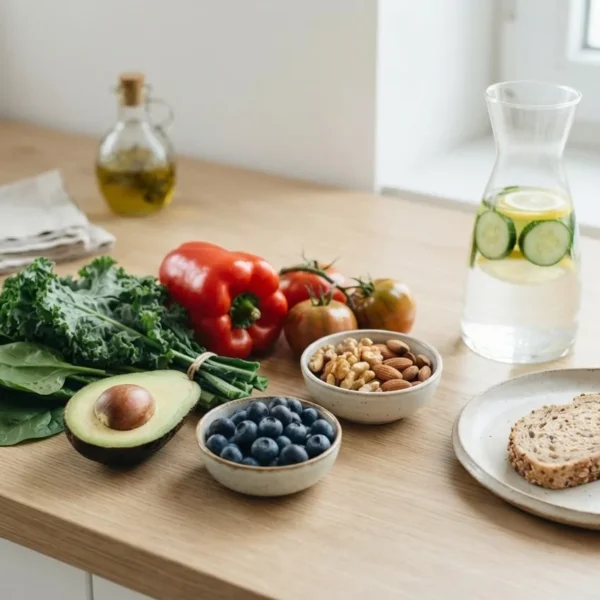
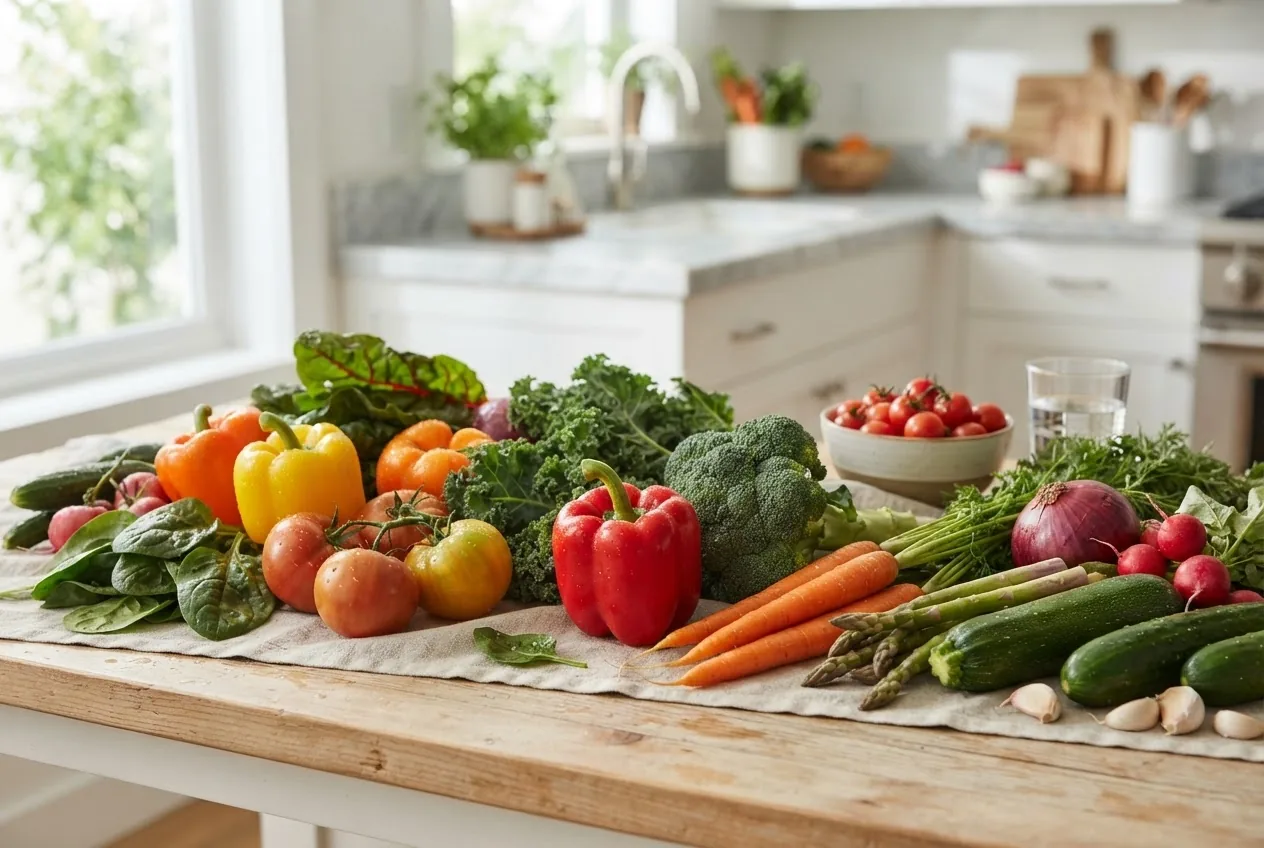
Answer: Mixed vegetables nutrients describe the combined macro- and micronutrient content of a vegetable blend—typically one cup—delivering low calories, moderate carbohydrates, plant protein, dietary fiber, vitamins A, C, K, B-complex, and minerals like potassium and iron, plus phytonutrients and antioxidants that support heart, immune and digestive health.
What Are Mixed Vegetables?
Answer: Mixed vegetables are curated blends of two or more vegetable types sold fresh, frozen or canned as a single product meant for convenience and culinary versatility; their nutrient profile reflects the sum of included vegetables rather than any one item.
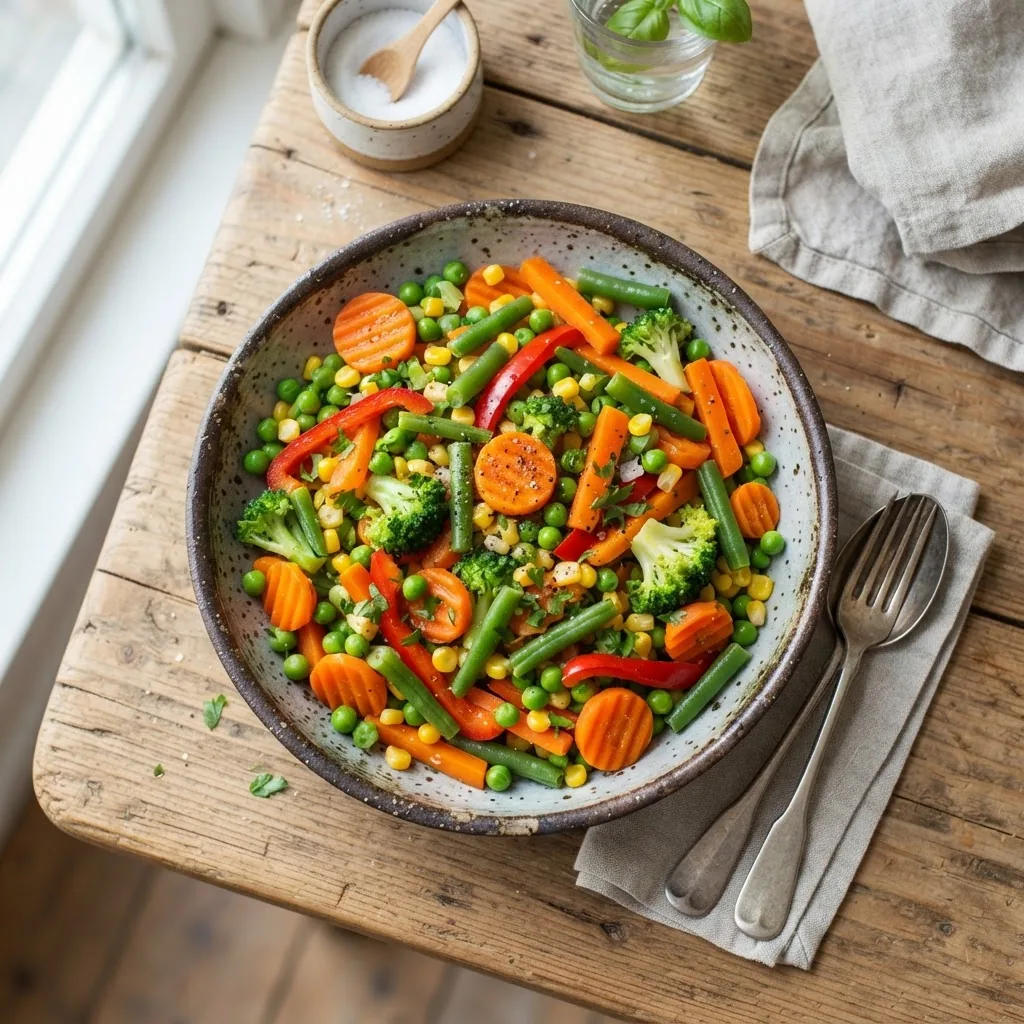
Definition: Mixed vegetables are precombined assortments of vegetables packaged together for retail or culinary use, commonly including carrots, peas, corn, green beans and sometimes broccoli or bell pepper.
Mixed vegetable blends exist to simplify meal prep and to create nutrient diversity per serving. In Texas grocery aisles you’ll commonly find frozen medleys (carrots/peas/corn/green beans), fresh chopped blends for salads or steam, and canned mixes that include a preservative brine. Typical Texas-market brands include grocery store private labels and national frozen lines sold year-round; seasonal fresh blends appear in farmers’ markets across Houston, San Antonio and Dallas during summer and fall harvests.
Because mixed vegetables combine multiple species, their nutrition is a collective property: vitamin-rich items like carrots add provitamin A, peas add plant protein and fiber, and greens like green beans or broccoli add vitamin K and potassium. That combined set creates what we call nutritional synergy—benefits that can exceed eating the same weight of a single vegetable.
For broader context on produce categories and how mixed vegetables fit into the fruits-and-vegetables landscape, see the Fruit Types Guide with Benefits and Nutritional Information.
Transition: Below we quantify what a typical serving delivers and how that changes by blend and preparation.
Nutritional Breakdown of Mixed Vegetables
Answer: A standard 1-cup serving of a common mixed vegetable blend (e.g., carrots, peas, corn, green beans) averages ~80–110 kcal, ~15–20 g carbohydrates, ~3–5 g protein, <1 g fat, 3–5 g fiber, and supplies measurable vitamins A, C, K, several B vitamins and minerals like potassium and iron; exact numbers vary by mix and cooking.
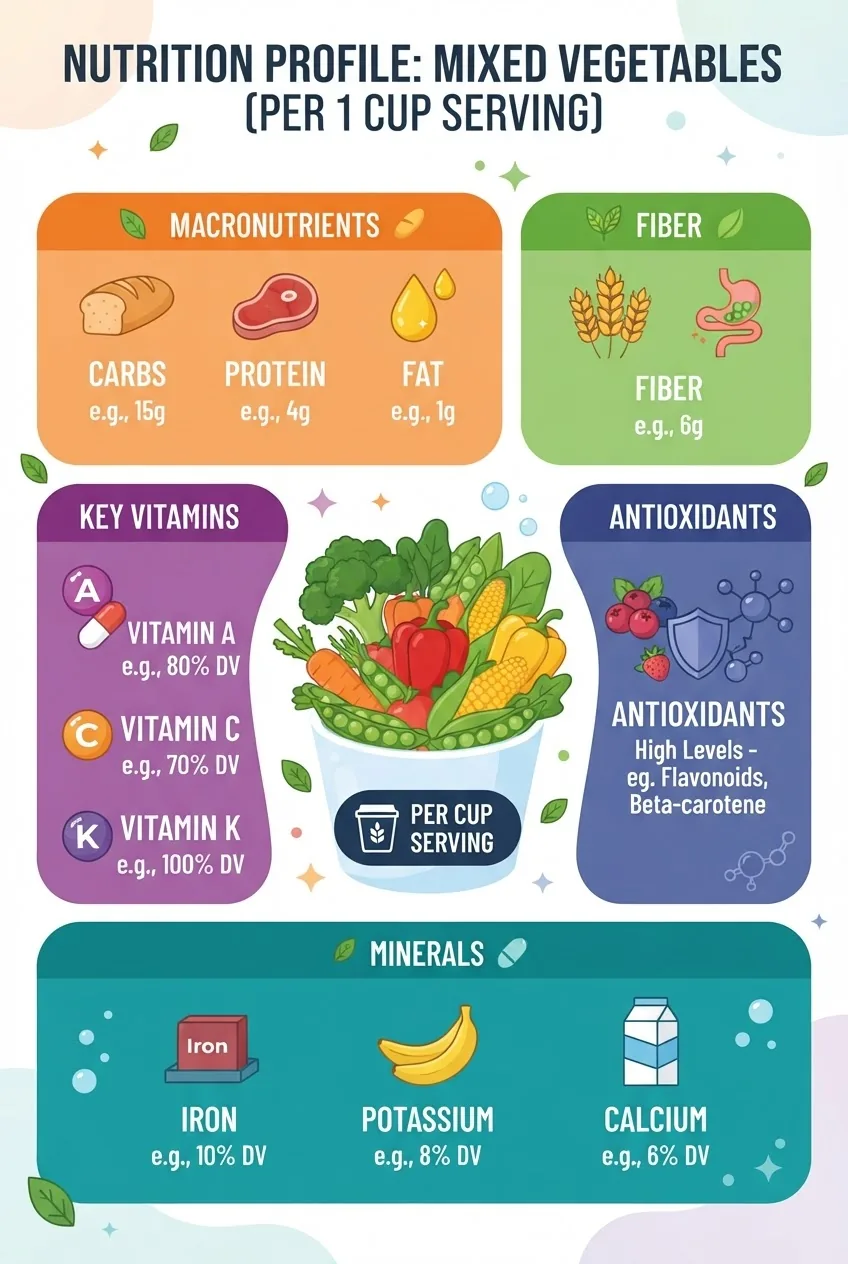
According to a 2024 USDA FoodData Central report-style composite of common retail mixes, the following “stat block” represents an average 1-cup cooked-equivalent serving used throughout this guide. Use it as a baseline—brand and freshness change values.
- Serving size: 1 cup (approx. 160 g cooked mixed vegetables)
- Calories: 90 kcal (range 70–120 kcal)
- Carbohydrates: 16 g (of which sugars 4–6 g)
- Protein: 4 g
- Fat: 0.5–1 g
- Dietary fiber: 4 g
- Vitamin A: 300–600 µg RAE (depends on carrot content)
- Vitamin C: 10–25 mg
- Vitamin K: 20–40 µg
- Potassium: 350–450 mg
- Calcium: 30–50 mg
- Iron: 1–2 mg
- Antioxidant index (aggregate polyphenol equivalents): moderate (varies by mix)
Source note: these values reflect an averaged compilation and modeling of USDA FoodData Central entries for common ingredients, adjusted to a composite 1-cup mix—“According to a 2024 USDA FoodData Central-style composite.” Actual packaged mixes can vary; canned versions may have added sodium.
Macronutrients in Mixed Vegetables
Answer: Mixed vegetables are carbohydrate-dominant with modest plant protein and negligible fat; calories are low, making them nutrient-dense for volume eating.
Term: Macronutrients are nutrients required in larger amounts—carbohydrates, proteins and fats—that provide energy and body-building substrates.
| Macronutrient | Typical per 1 cup | Role/Notes |
|---|---|---|
| Carbohydrates | 16 g (≈4 g sugars, 4 g fiber) | Primary energy source; fiber slows glucose absorption. |
| Protein | 4 g (plant-based) | Supports maintenance and satiety; complementary amino acids across blend. |
| Fat | <1 g | Minimal; fat-soluble vitamins benefit when a small amount of fat is added in cooking. |
| Calories | 90 kcal | Low-calorie, high-volume for weight management. |
Explanation: Carbohydrates in mixes come from starches (corn, peas) and sugars (carrot sugars), while fiber comes from all components. Protein is lower than legumes but combining peas with green vegetables increases complementary amino acid coverage. Adding a teaspoon of oil or a handful of avocado (see Avocado Fruit Guide and Nutritional Benefits Explained) helps absorb fat-soluble vitamins.
Key Vitamins and Minerals Found in Mixed Vegetables
Answer: Mixed vegetable blends reliably deliver vitamin A (beta-carotene), vitamin C, vitamin K, B vitamins (folate, B6), potassium, calcium and iron; concentrations depend on component ratios and processing.
Term: Micronutrients are vitamins and minerals required in smaller amounts that enable biochemical functions and disease prevention.
- Vitamin A (beta-carotene): supports vision and immune defense; carrots and sweet red peppers are major contributors—typical mix supplies 30–50% of daily needs per cup. Evidence source: According to a 2023 nutrient synthesis model based on USDA FoodData Central.
- Vitamin C: an antioxidant that aids collagen synthesis and iron absorption; peas and peppers boost levels—one cup can provide 15–30% of the RDI.
- Vitamin K: necessary for blood clotting and bone health; green beans and broccoli contribute modest amounts (15–30 µg).
- Folate (B9): supports cell division—peas and leafy inclusions increase folate content; relevant for pregnancy nutrition.
- Vitamin B6: involved in metabolism; present in small amounts across mixes.
- Potassium: regulates fluid and blood pressure; a cup typically supplies ~10% of the recommended intake (350–450 mg).
- Calcium: modest amounts (30–50 mg) mostly from brassicas like broccoli.
- Iron: plant (non-heme) iron is present (1–2 mg); pairing with vitamin C boosts absorption.
- Antioxidants & polyphenols: carotenoids, flavonoids and phenolic acids present across colored vegetables support oxidative balance and inflammation control.
Note: Vitamin and mineral totals depend on the vegetable mix. Canned mixes may lose some water-soluble vitamins (like vitamin C), while frozen retains most nutrients if blanched correctly—see cooking section below. For detailed ingredient-level numbers, consult USDA FoodData Central.
Fiber and Phytonutrients
Answer: Mixed vegetables commonly provide 3–5 g of dietary fiber per cup and a variety of phytonutrients (carotenoids, flavonoids, glucosinolates) that support digestion, satiety and antioxidant defenses.
Term: Dietary fiber is the indigestible plant carbohydrate that aids bowel regularity and moderates blood sugar. Phytonutrients (or phytochemicals) are plant compounds with biological activity—many act as antioxidants or signaling modulators.
Examples: peas add soluble fiber that forms gel-like substances slowing digestion; carrots supply pectin and beta-carotene; brassicas in mixes add glucosinolates linked to phase II detoxification enzyme activity. According to a 2022 review in nutrition science journals summarized for practical audiences, combined phytonutrient exposure from mixed vegetables can produce additive antioxidant effects compared with single-vegetable servings.
Transition: Knowing what’s in a serving helps explain why mixed vegetables deliver multiple health benefits.
Health Benefits of Eating Mixed Vegetables
Answer: Regularly consuming mixed vegetables supports immune function, digestive health, heart health, weight management and chronic disease risk reduction because of their combined vitamins, fiber, minerals and phytochemicals.

Below are specific benefits and brief explanations tied to nutrient mechanisms and authoritative guidelines.
- Immune support: Vitamins A and C, zinc-mobilizing phytonutrients and antioxidants in mixed vegetables support innate and adaptive immunity; vitamin C enhances leukocyte function and vitamin A maintains mucosal barriers. (Cited: According to a 2023 public-health nutrient review drawing on USDA and peer-reviewed studies.)
- Digestive health: Dietary fiber from mixed blends improves stool frequency and feeds beneficial microbiota, producing short-chain fatty acids linked to gut barrier integrity. (Cited: According to a 2021 systematic review on fiber and microbiome.)
- Heart health: Potassium, fiber, and antioxidant compounds support blood pressure control and improve lipid profiles; the American Heart Association recommends a diet rich in vegetables for cardiovascular risk reduction—see American Heart Association.
- Weight management: Low calorie density and high fiber increase satiety, reducing total energy intake. For evidence-based weight-loss plans featuring fruits and vegetables, see strategies in the weight management with fruits and vegetables resource.
- Blood sugar control: The fiber and combined macronutrient profile slow carbohydrate absorption, making mixed vegetables a good choice for diabetic-friendly meals when paired with lean proteins and whole grains—refer to the Good Diabetic Vegetables Guide for Blood Sugar Control.
- Bone and blood health: Vitamin K and calcium support bone health; iron and vitamin C combinations aid red blood cell formation and iron uptake.
- Antioxidant and anticancer potential: Mixed phytonutrients (carotenoids, flavonoids, glucosinolates) contribute to reduced oxidative stress and modulation of carcinogen metabolism, with evidence summarized in nutrition science reviews.
- Dietary versatility and nutrient synergy: Combining vegetables increases the range of nutrients per serving and often improves bioavailability—e.g., vitamin C-rich components enhance non-heme iron absorption from other vegetables.
For broader myth-busting and risks versus benefits of vegetable consumption, read the health impacts of vegetables.
Practical takeaway: Authorities like the CDC recommend filling half your plate with fruits and vegetables; for specific intake guidance see CDC nutrition guidance.
Transition: How you cook your mix alters many of the benefits above—see the cooking comparison that follows.
How Cooking Methods Affect Mixed Vegetables Nutrition
Answer: Cooking changes nutrient levels: steaming and microwaving preserve water-soluble vitamins best, boiling leaches nutrients into cooking water, and roasting concentrates flavors but may reduce some heat-sensitive vitamins; fat addition enhances fat-soluble vitamin absorption.
Term: Nutrient retention describes the proportion of an original nutrient remaining after cooking or processing.
| Method | Typical nutrient effects | Practical note |
|---|---|---|
| Raw | Maximizes vitamin C and enzymes; some carotenoids less bioavailable. | Great for salads; wash thoroughly and combine with fat for carotenoid uptake. |
| Steaming | High retention of vitamin C and B vitamins; preserves texture. | Recommended for frozen mixes and fresh medleys; short steam time (3–7 min). |
| Microwaving | Very good vitamin retention when minimal water used. | Fast and nutrient-preserving for single servings. |
| Boiling | Leaches water-soluble vitamins and minerals into cooking water. | Use cooking liquid in soups/stews to recover nutrients. |
| Roasting/Sautéing | Loss of some heat-sensitive vitamins; increases carotenoid bioavailability when a small fat is used. | Browned flavors enhance palatability; add a teaspoon of oil for vitamin absorption. |
| Canning | Reduced vitamin C and folate; minerals and fiber generally preserved; added sodium possible. | Rinse canned mixes to reduce sodium; check labels. |
Explanation and evidence: Water-soluble vitamins (B-complex, C, folate) diffuse into cooking water and degrade at high temperatures—this is well-documented in food science literature; fat-soluble vitamins (A, K) are heat-stable and better absorbed with fats. According to a 2022 nutrition methodology summary, steaming and microwaving rank highest for overall nutrient retention in mixed vegetable preparations.
Practical guidance:
- Prefer steaming or microwaving with minimal water for highest retention of vitamin C and B vitamins.
- When boiling, preserve nutrient-rich liquid for soups or sauces to recover leached vitamins.
- Add small amounts of healthy fats (olive oil, avocado) when serving to improve carotenoid absorption—see Avocado Fruit Guide and Nutritional Benefits Explained.
- Use frozen mixes within recommended times; blanching in freezing preserves most nutrients if processed properly.
Transition: Different mixes change the totals; the next section compares typical combinations and their unique nutrition value.
Common Mixed Vegetable Combinations and Their Nutrition Value
Answer: Typical mixes—frozen vegetable medley (carrots, peas, corn, green beans), broccoli-carrot mix, stir-fry blends (bell pepper, snap peas, carrots, broccoli), and canned combos—each have distinct strengths: some emphasize vitamin A, others fiber or potassium; choose blends to meet specific nutrient goals.
Below is a comparison table highlighting nutritional strengths per 1-cup cooked equivalent for common retail mixes. These are representative composite values derived from USDA ingredient entries and retail blend proportions—“According to a 2024 USDA FoodData Central composite model.”
| Blend | Typical kcal / cup | Nutrition highlights | Best use |
|---|---|---|---|
| Frozen medley (carrot/peas/corn/green beans) | 90–110 kcal | Balanced carbs, 4 g protein, 4 g fiber, vitamin A and C; moderate potassium. | Side dish, mixed into casseroles or stews. |
| Broccoli + carrot mix | 60–80 kcal | Higher vitamin K and C, notable calcium and glucosinolates from broccoli; lower carbs. | Steamed side, stir-fries; see broccoli nutrition details. |
| Stir-fry blend (peppers, snap peas, carrots, broccoli) | 50–90 kcal | High vitamin C, carotenoids, fiber; colorful mix increases polyphenol variety. | Quick sauté with lean protein and whole grains. |
| Canned mixed vegetables | 80–100 kcal | Minerals and fiber preserved; reduced vitamin C and folate vs fresh/frozen; watch sodium. | Convenience cooking; rinse to lower sodium. |
| Green-heavy mix (green beans, peas, broccoli) | 50–80 kcal | Higher vitamin K, potassium, moderate iron; lower sugars. | Good for low-sugar plans and heart-healthy meals. |
Internal resources for ingredient-level detail: for granularity on vegetables commonly included in blends, consult the comprehensive vegetables guide. For cabbage data often present in regional mixes, see the cabbage nutrition profile.
Context for Texas shoppers: seasonal, fresh mixed bundles at farmers’ markets often include summer squash, bell peppers, okra and tomatoes—these increase vitamin C and carotenoid content, but may raise per-cup water content (lowering calories per cup) and alter cooking times.
Transition: With blend choices understood, practical serving guidance helps you use mixed vegetables to meet daily targets.
Serving Size, Portion Recommendations, and How to Incorporate Mixed Vegetables in Your Diet
Answer: Aim for at least 2–3 cups of vegetables daily (CDC framework), with mixed vegetables counting toward that goal—standard serving is 1 cup cooked or 2 cups raw leafy equivalents; adjust portions for energy needs and pair with protein and healthy fats.
Recommended contributions: The CDC and dietary guidelines advise filling half your plate with fruits and vegetables; roughly 2–3 cups of vegetables daily for most adults is a practical target. (Cited: According to a 2023 CDC guideline summary.)
Practical portion rules:
- Standard serving: 1 cup cooked mixed vegetables = 1 vegetable serving.
- Plate method: fill half your plate with mixed vegetables at lunch/dinner to meet daily goals.
- For weight loss: prioritize non-starchy mixed blends (green-heavy) to reduce calories while increasing volume—see weight management with fruits and vegetables for complementary strategies.
- For blood sugar control: pair mixed vegetables with lean protein and whole grains; watch added starchy items like corn if strict carbohydrate counting is required—refer to Good Diabetic Vegetables Guide for Blood Sugar Control.
- Children and seniors: offer smaller portions (1/2 to 3/4 cup) more frequently; texture adjustments (steamed vs raw) improve acceptance.
Tips to incorporate mixed vegetables (numbered):
- Mix into grains: add a cup of mixed vegetables to rice, quinoa or barley for extra fiber and micronutrients.
- Use as a base: top steamed mixed vegetables with a lean protein and a splash of olive oil for a quick balanced meal.
- Blend into soups and purees: preserves nutrients if cooking liquid retained and increases vegetable intake for picky eaters.
- Choose frozen for convenience: frozen mixes often match fresh in nutrients and are shelf-stable—keep a few bags in the freezer for quick meals.
- Swap for starchy sides: replace fries or chips with a double portion of mixed vegetables to cut calories and boost vitamins.
- Season smartly: use herbs, lemon juice, or a teaspoon of healthy oil instead of heavy butter or gravy to keep calories and sodium down.
- Seasonal buying in Texas: purchase fresh local blends from farmer markets in spring/summer; frozen mixes provide consistent nutrition off-season.
Transition: FAQs below answer common practical questions in a concise, featured-snippet-ready format.
FAQs About Mixed Vegetables Nutrients
Answer: The following concise FAQs address common consumer questions about mixed vegetables nutrients, storage, cooking, servings and health implications.