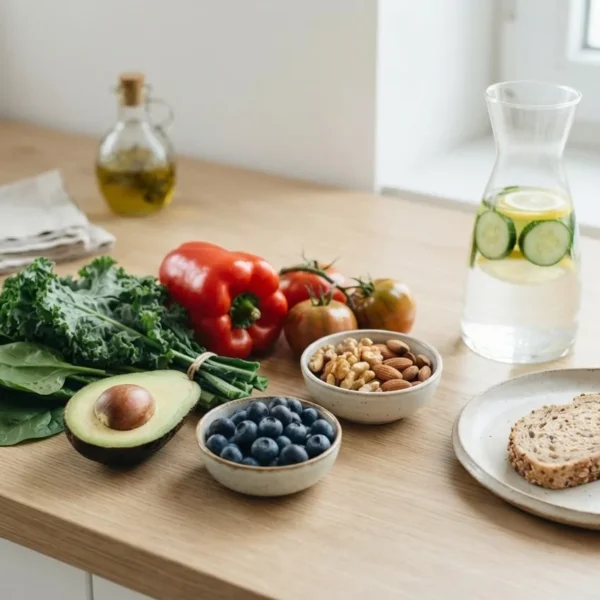
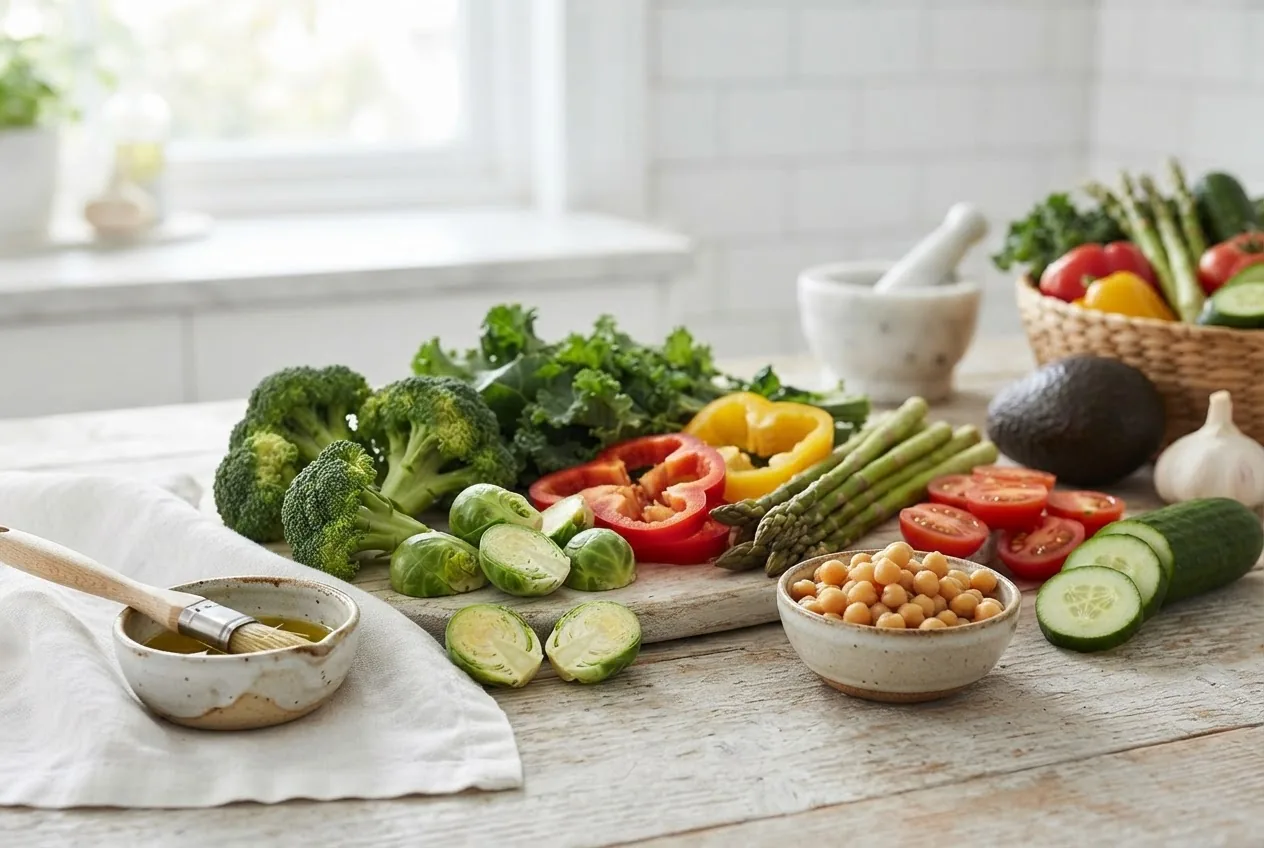
Good diabetic vegetables are primarily non-starchy, high-fiber, low-glycemic choices—like leafy greens, crucifers, and green beans—that slow glucose absorption, support insulin sensitivity, and provide antioxidants and micronutrients to aid blood sugar control when eaten regularly as part of a balanced diabetic nutrition plan.
Understanding Diabetes and Blood Sugar Control?
Answer: Diabetes requires controlling blood glucose to prevent complications; vegetables influence glucose through carbohydrate content, fiber, and bioactive compounds—using them strategically can lower post-meal spikes and support insulin sensitivity.
Glycemic control: the extent to which blood glucose (sugar) levels are maintained within a target range through diet, medication, and lifestyle.
Type 1 diabetes involves autoimmune loss of insulin production; Type 2 diabetes involves insulin resistance and relative insulin deficiency—both depend on careful carbohydrate management and medical nutrition therapy. According to the 2023 American Diabetes Association (ADA) dietary recommendations (guidance document), individualized meal planning emphasizing non-starchy vegetables and fiber improves glycemic control and cardiovascular risk factors (source: ADA guidance, 2023).
Term: Glycemic index (GI) ranks a single food’s effect on blood glucose compared with pure glucose; glycemic load (GL) adjusts GI for portion size to estimate impact of a typical serving.
Stat block: According to a 2022 peer-reviewed meta-analysis in Diabetes Care, diets higher in fiber and non-starchy vegetables were associated with modest but significant reductions in HbA1c (average blood glucose marker) over 12–24 weeks (source type: peer-reviewed journal, 2022).
Managing blood sugar is balancing intake and insulin activity—think of it like weighing both sides of a scale: carbohydrates tip the scale up; fiber, protein, and certain phytonutrients help slow the rise. Medical nutrition therapy delivered by a registered dietitian is recommended for personalized targets.
Fruit Types Guide with Benefits and Nutritional Information
What Makes Vegetables “Good” for Diabetics?
Answer: A vegetable is “good” for diabetics when it has low net carbohydrates per serving, low glycemic index/glycemic load, high total and soluble fiber, and bioactive antioxidants that support insulin sensitivity and blunt postprandial glucose spikes.
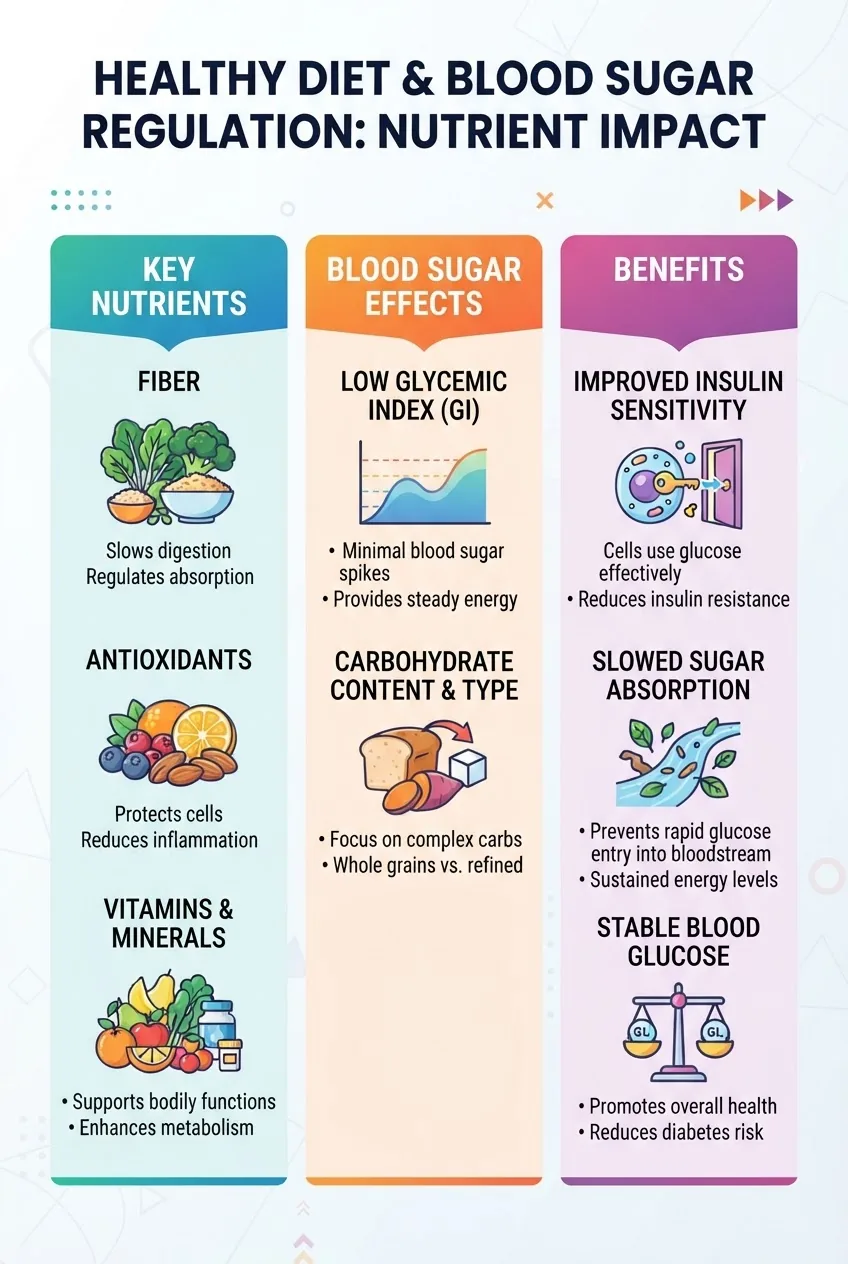
Term: Soluble fiber dissolves in water to form a gel that slows nutrient absorption and can blunt blood sugar rises after meals.
Key attributes that make a vegetable diabetic-friendly:
- Low digestible carbohydrate per typical serving (keeps glycemic load low).
- High total fiber and a meaningful amount of soluble fiber (slows gastric emptying and glucose absorption).
- Low glycemic index and glycemic load that remain low even when cooked or combined with other foods.
- Rich in antioxidants (polyphenols, vitamin C, carotenoids) that reduce oxidative stress and may improve insulin sensitivity.
- High nutrient density (vitamins, minerals like magnesium and potassium) supporting metabolic health.
- Versatile preparation methods that avoid added sugars or high-fat frying, preserving their blood-glucose benefits.
Why each attribute matters:
- Carbohydrate content: fewer digestible carbs = smaller glucose load; count starchy vegetables separately.
- Fiber: soluble fiber attenuates postprandial glycemia; insoluble fiber supports satiety and gut health.
- Antioxidants: reduce inflammation and oxidative damage associated with insulin resistance, supported by randomized trials showing polyphenol-rich vegetables improve markers of metabolic health (source type: peer-reviewed trials, 2019–2022).
- Preparation: raw vs cooked can alter GI; pairing vegetables with protein, healthy fats, or vinegar further lowers post-meal glucose rise.
Top Good Diabetic Vegetables for Blood Sugar Control?
Answer: Prioritize leafy greens, cruciferous vegetables, green beans, asparagus, zucchini, peppers, and moderate amounts of tomatoes and carrots; avoid large portions of starchy roots and tubers unless counted into total carbs.
Below are 15 vegetables selected for low glycemic impact, fiber content, antioxidant load, insulin-sensitivity benefits, and practical use. Nutritional highlights reference USDA nutrient profiles and peer-reviewed evidence where relevant.
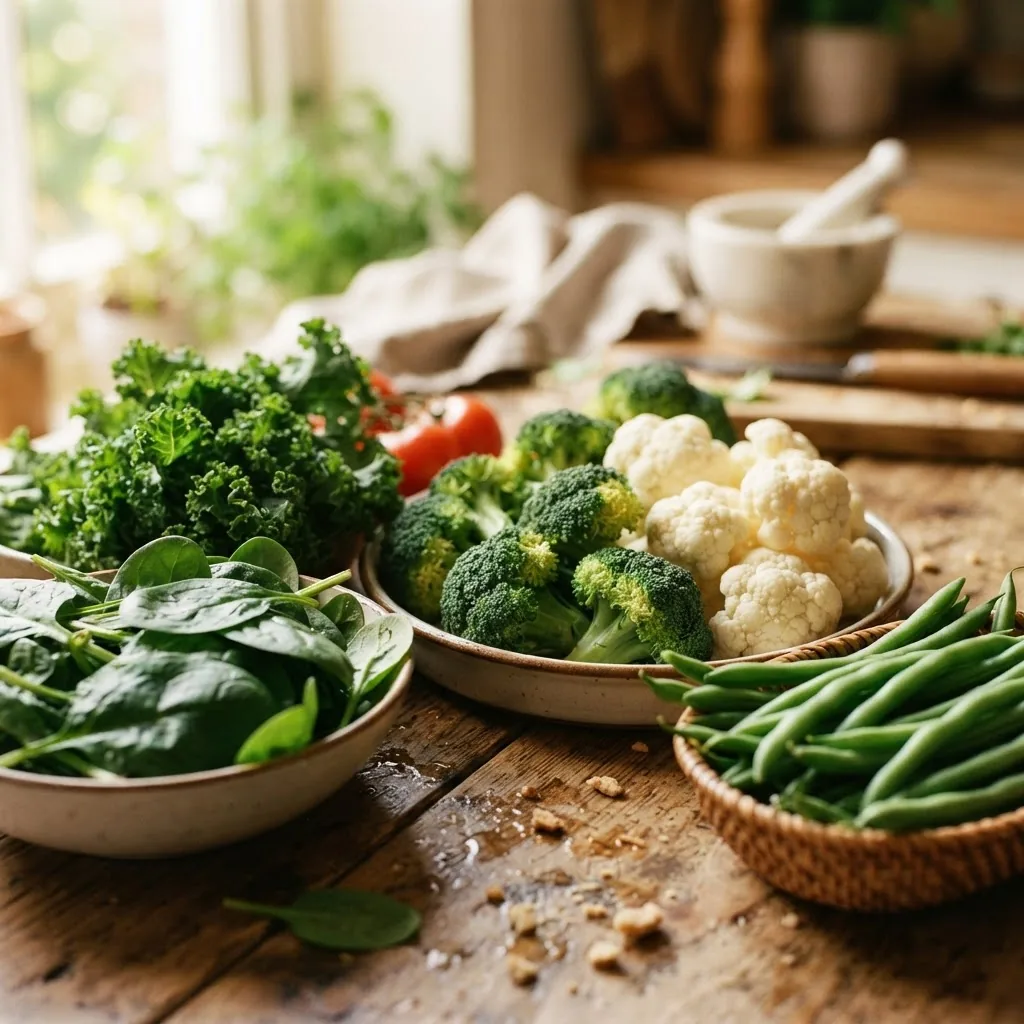
- Spinach — Very low digestible carbs, abundant magnesium, vitamin K, and polyphenols; raw or lightly cooked spinach has negligible glycemic load and supports insulin sensitivity. (See USDA database for exact micronutrients.)
- Kale — Nutrient-dense leafy green with fiber and antioxidants (kaempferol, quercetin) linked to improved oxidative stress markers; low GI when eaten raw or steamed.
- Broccoli — A crucifer rich in sulforaphane and soluble fiber; linked in small clinical trials to improvements in insulin resistance markers. broccoli nutrition
- Cauliflower — Low-carb crucifer that substitutes for grains and mashed potatoes; steaming preserves fiber and lowers glycemic load compared with starchy sides.
- Brussels sprouts — High in insoluble and some soluble fiber, with antioxidant glucosinolates that help modulate inflammation linked to insulin resistance.
- Green beans — Non-starchy legume-like vegetable with low carbs and fiber; stable blood sugar response. green beans classification
- Asparagus — Low glycemic load, good source of folate and antioxidants, and may modestly improve insulin sensitivity in observational analyses.
- Zucchini and summer squash — Very low digestible carbs per cup; versatile in sautés and spiralized dishes that replace pasta, reducing meal glycemic load.
- Bell peppers — Low GI, high vitamin C and carotenoids; raw peppers alongside protein reduce post-meal glycemic spikes due to fiber and vitamin-mediated effects.
- Tomatoes — Low-glycemic, rich in lycopene and potassium; eat whole rather than as high-sugar sauces to control blood sugar.
- Eggplant — Low digestible carbs, high in fiber and anthocyanins that show antioxidant activity in metabolic studies.
- Celery — Minimal carbs per serving and a crunchy, high-water option to add bulk without raising glycemic load. Celery Nutritional Information and Vegetable Classification Guide
- Onions and garlic — Low GI; contain sulfur compounds and polyphenols that may influence glucose metabolism in adjunctive ways when used as flavor bases.
- Carrots (in moderation) — Raw carrots have a low glycemic load per typical serving; cooked carrots raise GI slightly—count portions. Calories in Carrots and Fiber Content Nutritional Guide
- Cabbage — Low-calorie, high-fiber crucifer that supports satiety and has a low glycemic impact; fermented forms (sauerkraut) add probiotics which may help metabolic markers when low in added sugar. cabbage calorie content
Notes on starchy vegetables: Potatoes, sweet potatoes, corn, peas, and winter squashes have higher digestible carbohydrate; they can be included in a diabetes meal plan when portioned and counted for total carbohydrate. Use glycemic load and portion control to manage their impact.
For a broader directory of vegetable options and images, see the comprehensive vegetable guide.
Special note: avocado provides heart-healthy monounsaturated fat and fiber that blunt postprandial glucose; its unique profile often complements a diabetic plate — see the avocado benefits.
How to Incorporate Good Diabetic Vegetables into Your Diet?
Answer: Use vegetables to lower meal glycemic load by increasing volume, pairing with protein and healthy fats, swapping starchy sides for non-starchy options, and tracking portions; plan, prep, and combine foods to blunt blood sugar responses.
Term: Medical nutrition therapy (MNT) is a personalized dietary plan provided by a registered dietitian to manage medical conditions such as diabetes.
Practical steps:
- Start each meal with a non-starchy vegetable salad or raw crudité to delay glucose absorption and reduce appetite for higher-carb foods.
- Use vegetables as carriers for protein and fats—stuffed peppers with lean protein, sautéed greens with olive oil, or broccoli with grilled fish.
- Replace high-GI carbs: spiralized zucchini for pasta, riced cauliflower for rice, mashed cauliflower for potatoes.
- Mix raw and cooked vegetables: raw retains certain enzymes and more fiber effect, while cooked vegetables can improve palatability and nutrient availability for some compounds.
- Portion starchy vegetables and count them in your meal carbohydrate total; non-starchy vegetables generally do not need strict carb counting but still contribute fiber and volume.
- Prep once a week: roast trays of mixed vegetables, steam greens, and portion into meals to reduce reliance on convenience foods that spike blood sugar.
Preparation specifics to avoid blood sugar spikes:
- Avoid thick, sugary sauces and deep-frying; choose roasting, steaming, sautéing with minimal oil, or grilling.
- Pair with vinegar-based dressings—acetic acid (vinegar) lowers post-meal glucose excursions in short-term studies (source type: small randomized trials, 2015–2020).
- Include a source of protein or healthy fat (eggs, legumes, fish, avocado, nuts) to slow carbohydrate absorption.
- Read nutrition labels: check for added sugars in canned or bottled vegetable mixes. Walkthrough: look at serving size, total carbs, fiber, and sugars per serving; subtract fiber from total carbs to estimate net carbs if using that method.
Combine vegetable-focused meals with diabetic-appropriate fruit choices for weight management and glycemic benefit—see fruits for weight loss to complement vegetable strategies.
For hands-on techniques and cooking tips, consult How to Prepare Vegetables Guide with Cooking and Nutrition Tips for batch cooking, steaming vs roasting, and flavoring approaches that preserve glycemic benefits.
Seasonal and Local Considerations for Texas Residents?
Answer: In Texas, choose seasonally available non-starchy vegetables—collards, kale, tomatoes, peppers, cucumbers, summer squash, and onions—from farmers markets or local CSAs to maximize freshness, nutrient density, and affordability while reducing reliance on imported out-of-season produce.
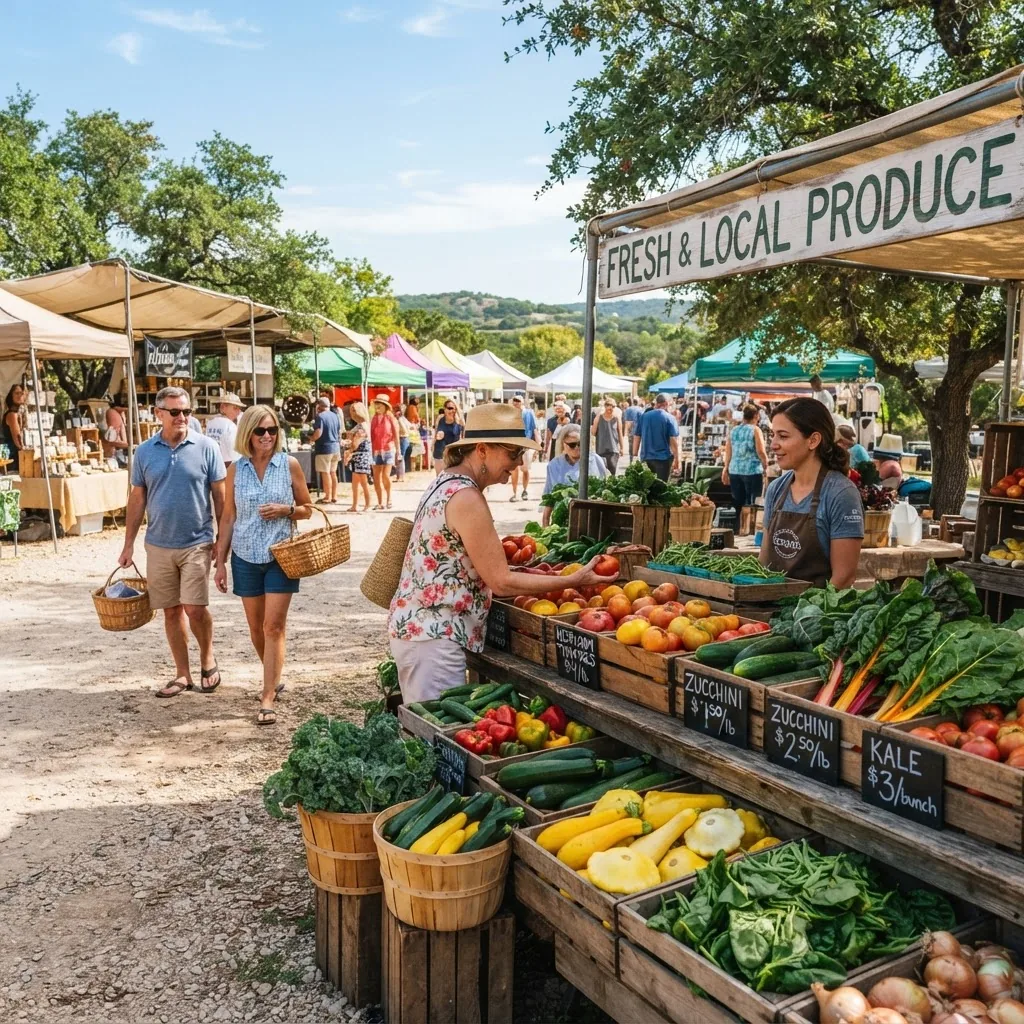
Seasonality tips:
- Spring (March–May): spinach, kale, lettuce, green onions, asparagus.
- Summer (June–August): tomatoes, bell peppers, cucumbers, zucchini, eggplant.
- Fall (September–November): collards, cabbage, broccoli, Brussels sprouts, sweet onions.
- Winter (December–February): root vegetables in moderation, cold-tolerant greens like kale and collards.
Why local matters: fresher vegetables retain more water-soluble vitamins and phytonutrients; frozen vegetables (flash-frozen soon after harvest) can be nutritionally similar to fresh and are a convenient, lower-cost option with minimal glycemic difference (source type: USDA nutrient analysis, 2021).
Where to shop in Texas: visit farmers markets, local CSA programs, and roadside stands for seasonal deals; bring a cooler for hot summer markets. When buying canned or jarred vegetables, choose low-sodium, no-added-sugar varieties and rinse to reduce sodium.
Common Myths and FAQs about Diabetic Vegetables?
Answer: Vegetables are generally beneficial for diabetes—most myths stem from confusion between starchy and non-starchy vegetables, portion effects, and preparation methods; accurate carb counting and preparation choices resolve most misunderstandings.
Myth-busting Q&A:
- Myth: “All vegetables are safe in unlimited amounts.”
Fact: Non-starchy vegetables are low impact, but starchy vegetables (potatoes, corn) have higher carbs and must be portioned into total carbohydrate intake. - Myth: “Raw is always better.”
Fact: Cooking can lower or raise glycemic index depending on vegetable; for example, cooking carrots increases GI slightly, but cooking makes some nutrients more bioavailable. - Myth: “Vegetables can’t lower blood sugar.”
Fact: While vegetables don’t acutely “lower” blood sugar like medications, their fiber and nutrients reduce post-meal spikes and, over time, support improved HbA1c and insulin sensitivity in many studies (source type: peer-reviewed meta-analyses, 2019–2022). - Myth: “Canned or frozen vegetables are inferior.”
Fact: Frozen vegetables often retain nutrients comparable to fresh; choose low-sodium, no-sugar canned options and rinse to lower sodium. - Myth: “Vegetables don’t count toward carb totals.”
Fact: Non-starchy vegetables usually contribute minimal carbs per typical serving, but starchy vegetables and large portions of certain veggies must be included in carbohydrate totals for insulin dosing or meal planning.
For deeper context on common concerns, see vegetables and health misconceptions.
Conclusion and Key Takeaways for Managing Diabetes with Vegetables?
Answer: Emphasize non-starchy, fiber-rich, antioxidant-dense vegetables daily, pair them intelligently with protein and healthy fats, portion starchy vegetables carefully, and use local seasonal options to sustain a diabetic-friendly eating pattern that supports glycemic control.
- Choose leafy greens, crucifers, and low-carb vegetables first to lower glycemic load.
- Count starchy vegetables as part of total carbohydrate intake; non-starchy vegetables generally need less strict counting.
- Prepare vegetables to preserve fiber and avoid added sugars or deep-frying; vinegar and healthy fats help reduce post-meal spikes.
- Use local Texas seasonal produce or frozen options for freshness and value.
- Consult a registered dietitian for Medical Nutrition Therapy tailored to Type 1 or Type 2 diabetes and medication needs; according to the 2023 American Diabetes Association (ADA) standards, individualized MNT improves outcomes (source type: ADA guidance, 2023).
Start with one practical change this week: add a large raw salad or a cup of steamed cruciferous vegetables to one meal daily and monitor post-meal glucose to see how your body responds. For personalized guidance, schedule MNT with a dietitian and discuss adjustments with your clinical team.