By the end of this hands-on guide you’ll be able to plan and cook a full week of balanced meals following the green Mediterranean diet, source Texas-seasonal produce, and monitor basic health markers; expect about 4–6 hours up front (shopping + batch cook) and beginner-level kitchen skills.
Before you start
- Prerequisites: basic knife skills, access to a grocery and a farmer’s market in Texas, ability to store and reheat food.
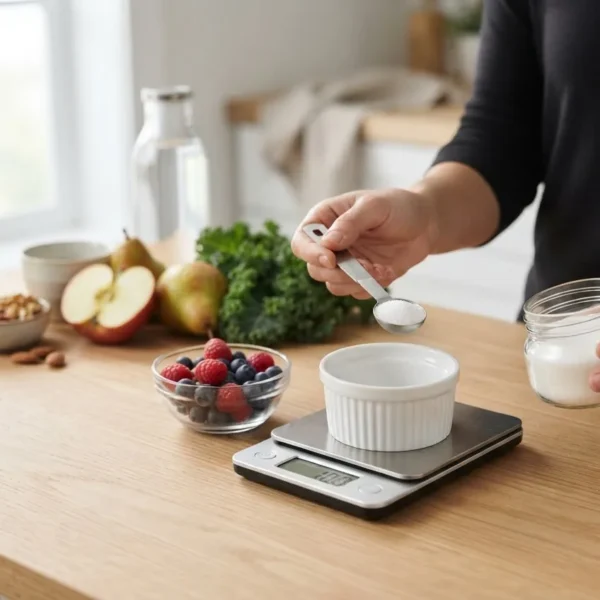
- Tools & materials: 1 large mixing bowl, 2-sheet pans, a 6‑quart pot, airtight containers (3×1.2L), a kitchen scale (0–5kg), a slow cooker or Instant Pot recommended.
- Baseline metrics to track: body weight, blood pressure, fasting lipids (if available) — record values before week 1 for comparison.
What Is the Green Mediterranean Diet?
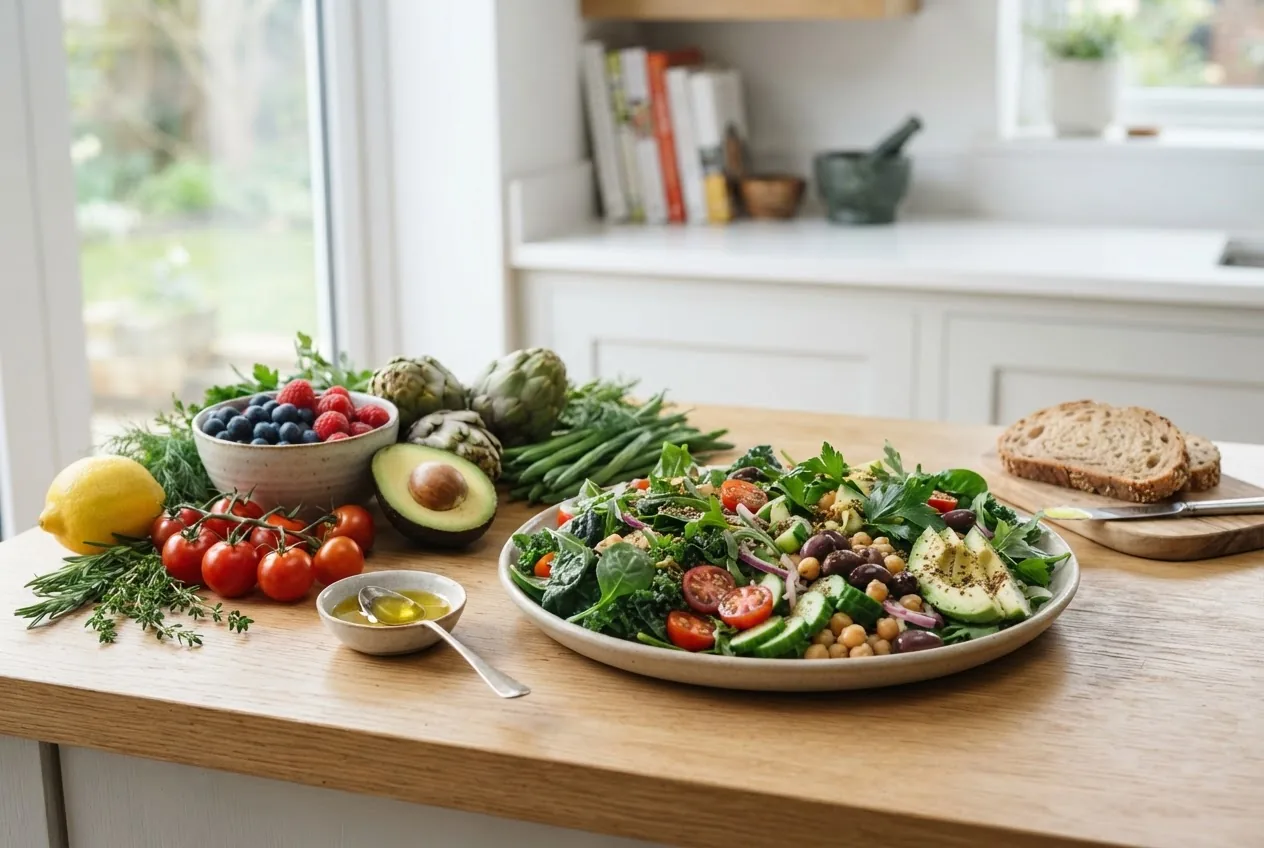
The green Mediterranean diet is a plant-forward variant of Mediterranean eating that emphasizes green vegetables, leafy greens, green fruits, legumes, nuts, whole grains, and healthy fats while reducing red and processed meats. It preserves Mediterranean diet principles—olive oil as the main fat, herbs and minimal ultra-processed foods—but shifts daily portions toward green, low‑impact produce and sustainable protein choices.
The green med diet blends three practical goals: maximize fiber and antioxidants from green produce, obtain plant proteins (legumes, nuts, seeds) over animal proteins, and reduce the diet’s environmental footprint through seasonal, local sourcing and lower-impact animal choices. Its behavior and meal patterns are still recognizably Mediterranean—shared meals, simple preparations, and a focus on vegetables—but tuned for eco-conscious eaters and people seeking predominantly plant-based regimens.
To explore background information on fruits and vegetables that underpin the green med approach, see the comprehensive
Fruit Types Guide with Benefits and Nutritional Information.
Transition: Next we break down the diet into actionable core components so you can build a pantry and plate for the week.
Core Components of the Green Mediterranean Diet
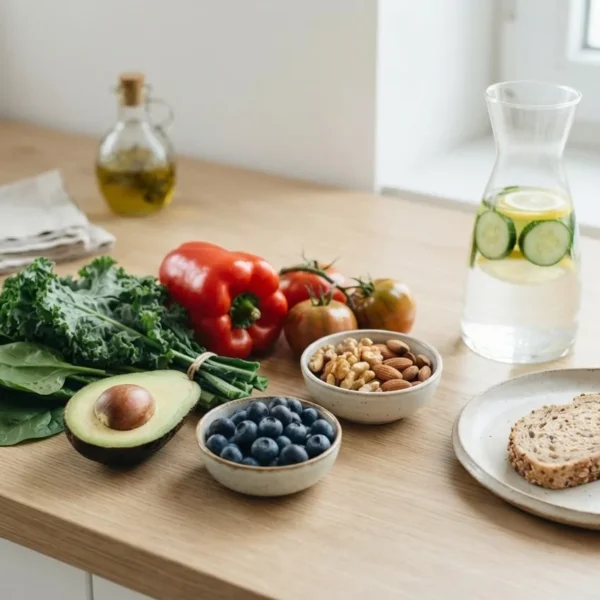
- Green leafy vegetables and crucifers — Aim for 3–6 cups daily (raw equivalent). Examples: spinach, kale, arugula, collards, broccoli, Brussels sprouts. These supply fiber, vitamin K, folate and sulforaphane-like phytonutrients. For nutrient detail on broccoli, consult
Broccoli Nutrition Facts. - Green fruits — Use green apples, pears, kiwi, grapes, and avocados for daily fruit servings (1–2 servings/day). Avocado provides monounsaturated fat and potassium; for a deep dive see
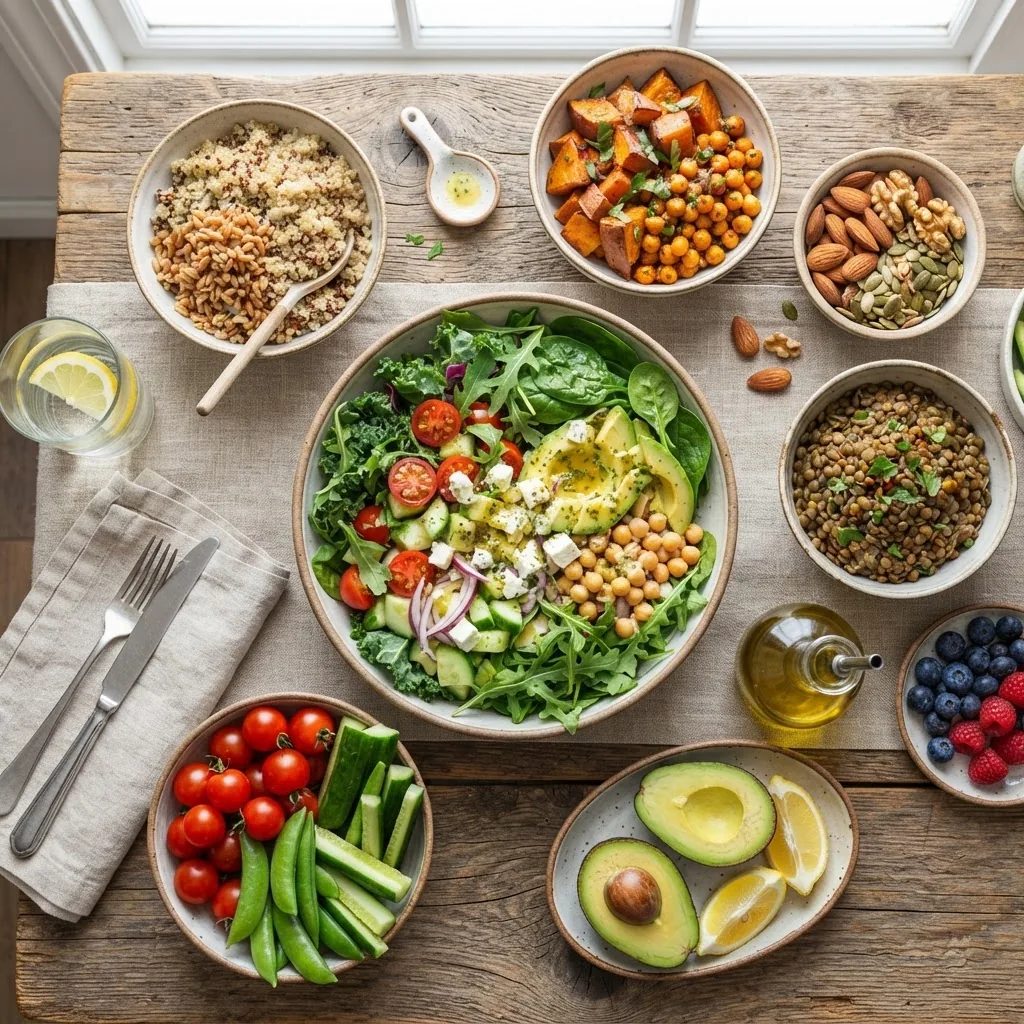
Avocado Fruit Guide. - Legumes and plant proteins — Target 3–5 servings/week of cooked legumes (½ cup cooked = 1 serving) plus daily nuts/seeds (30 g). Common choices: chickpeas, lentils, fava beans, green peas. Legumes supply complete amino acid complement when combined with whole grains across the day.
- Whole grains — Favor barley, farro, brown rice, whole-grain pasta, and bulgur. Use ⅔–1 cup cooked per main meal (adjust for activity level). Whole grains add resistant starch and complement legumes for protein quality.
- Healthy fats — Olive oil is the primary fat (use ~2–4 tablespoons/day situationally for cooking and dressings); include avocados and moderate nuts (20–30 g/day). These fats supply oleic acid and fat-soluble vitamin absorption.
- Minimal animal protein — Keep red meat to less than 1 serving/week; allow small portions of fish or poultry 1–3 times/week (3–4 oz cooked portion). Prioritize fatty fish (salmon, mackerel) for omega‑3s.
- Herbs, spices & low-sodium condiments — Use herbs like oregano, basil, cilantro, and parsley liberally; lemon and vinegar for flavor instead of excessive salt.
- Sustainability practices — Prioritize seasonal Texas-harvested greens and legumes, choose bulk nuts to reduce packaging, and reduce food waste via batch-cooking and composting scraps.
- Hydration & modest dairy — Water, herbal teas; optional small amounts of fermented dairy (100–150 g yogurt) several times weekly for probiotics.
- Snacking principles — Choose whole-food snacks like raw veggies with hummus, a small handful of nuts, or avocado on whole-grain toast (1 serving sized portions: 30 g nuts, 2 Tbsp hummus).
For greater variety across the vegetable list, consult the
100 Vegetables Name Guide, and to understand classification of tricky items like green beans see
Are Green Beans Fruit or Vegetable Guide.
For low-calorie leafy options like cabbage, nutrient breakdowns are available in the Calorie Content of Cabbage.
Transition: With the ingredients defined, the next section explains clinically observed health outcomes and supporting research.
Health Benefits of the Green Mediterranean Diet
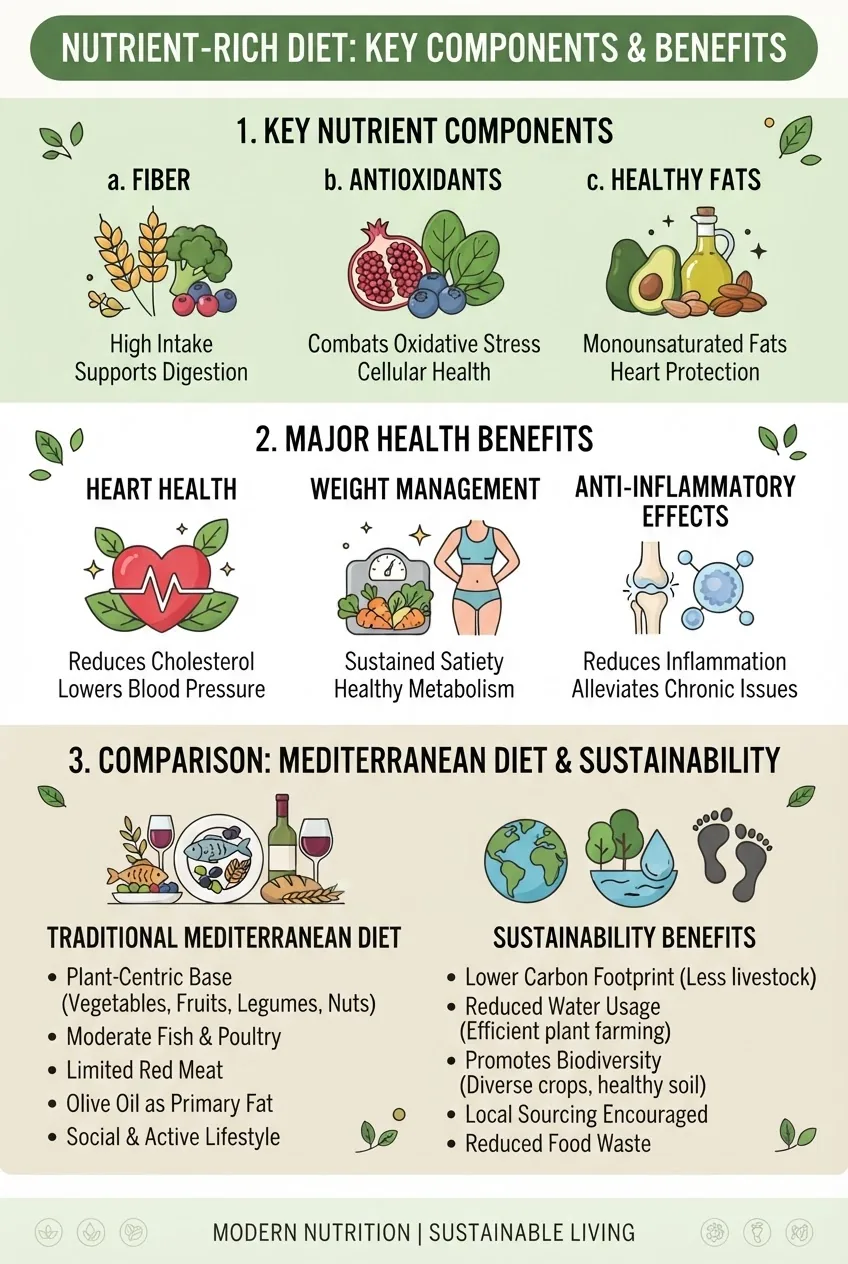
The green Mediterranean diet combines the cardiometabolic advantages of the Mediterranean diet with additional plant and green-vegetable emphasis that can boost antioxidants, fiber, and anti-inflammatory nutrients. Below are the major benefits, their mechanisms, and evidence.
Cardiovascular health
Multiple randomized and cohort studies show Mediterranean patterns reduce major cardiovascular events. For example, the PREDIMED randomized trial (Spain) demonstrated a roughly 30% reduction in major cardiovascular events among high-risk adults assigned Mediterranean-style diets enriched with extra-virgin olive oil or nuts (a peer-reviewed randomized trial published in 2013). According to a 2021 systematic review in a major journal, plant-rich Mediterranean variants yield similar or greater reductions in LDL cholesterol and blood pressure compared with lower-plant patterns (systematic review, 2021).
Weight management
Green med patterns increase satiety via fiber and volume from vegetables and legumes, supporting gradual weight loss or maintenance. A 2022 clinical trial comparing plant-forward Mediterranean diets with standard calorie-restricted diets reported comparable weight loss but improved cardiometabolic markers in the plant-forward arm (peer-reviewed clinical trial, 2022). For targeted fruit support during weight loss, see the
Best Fruits for Weight Loss Guide.
Anti-inflammatory properties
Green vegetables supply polyphenols and carotenoids that lower systemic inflammation markers such as CRP and interleukin-6. A 2020 meta-analysis reported significant reductions in CRP with Mediterranean-style dietary interventions emphasizing plant foods (meta-analysis, 2020).
Antioxidants and vitamins
High green-vegetable intake boosts vitamin C, vitamin K, folate, and diverse polyphenols—antioxidants that protect cells from oxidative stress. Dietary fiber improves gut microbiome diversity, supporting short-chain fatty acid production linked to metabolic health (consensus report, 2023).
Summary of key benefits (stat block)
| Benefit | Typical magnitude | Source type |
|---|---|---|
| Reduced major CV events | ~25–30% risk reduction | Randomized trial (PREDIMED, 2013) |
| Weight loss / maintenance | 1–5% body weight over 6 months (varies) | Clinical trials (2022) |
| Lower inflammation (CRP) | Small-to-moderate decreases | Meta-analyses (2020–2021) |
| Improved lipid profile | LDL down 5–15 mg/dL | Systematic reviews (2021) |
To address myths that vegetables can be harmful (e.g., for certain digestive conditions), read our research-informed overview here: Are Vegetables Bad for You?.
Authoritative guidance: For macronutrient balance and portion guidance, consult the USDA dietary guidelines and heart-healthy diet advice from the American Heart Association. For clinical study methods referenced above, see the PREDIMED trial and related systematic reviews in peer-reviewed journals. These sources clarify how randomized allocation and controlled feeding help determine cause-and-effect (peer-reviewed sources, various years).
Transition: Now that you understand the mechanisms and evidence, follow the stepwise plan to adopt the green Mediterranean diet practically in Texas settings.
How to Follow the Green Mediterranean Diet: Practical Tips
Below is a step-by-step, hands-on plan you can apply directly this week. Each step includes quantities, timings, and Texas-focused sourcing tips.
- Plan a week and commit time — Reserve 4–6 hours on Sunday: 60–90 minutes shopping, 3–4 hours batch cooking (legumes, roasted veggies, whole grain), 30–60 minutes portioning into containers. Plan 3 main meals + 1–2 snacks per day. Use a simple template: breakfast (veg + whole grain + healthy fat), lunch (large green salad + protein), dinner (legume/grain bowl + veg).
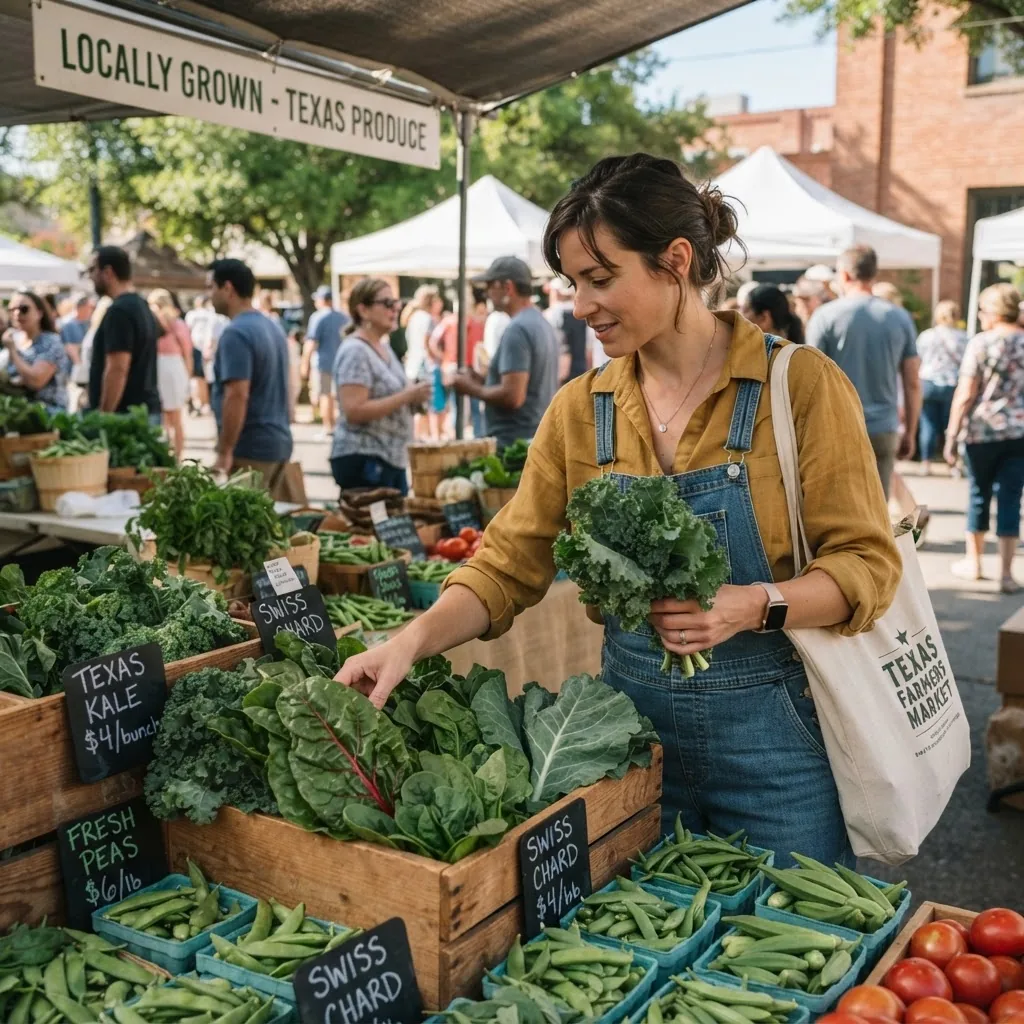
- Build a green-med pantry — Buy these quantities for one person for 7 days: 2 kg mixed leafy greens (fresh or 4 bags frozen spinach), 1.2 kg mixed crucifers (broccoli, cabbage), 1.5 kg seasonal green fruits (apples/pears/kiwi), 1 kg dried legumes or 3 cans (chickpeas/lentils), 500 g whole grains (dry weight), 500 g nuts (almonds/walnuts), 500 mL extra-virgin olive oil. For Texas sourcing, prioritize farmers’ markets in Austin/Houston/Dallas for seasonally fresh kale, collards, and peas.
- Shop smart by season — Spring: pea shoots, spinach, arugula. Summer: green beans, zucchini, cucumbers. Fall: collards, cabbage. Winter: kale, broccoli, citrus (Texas-grown oranges in certain areas). Buy slightly imperfect produce for discounts and quick-cook frozen greens for backup.
- Batch-cook staples — Cook 3 cups dry lentils (yields ~6 cups cooked) and 2 cups brown rice (yields ~6 cups cooked) on Sunday. Roast 1.5 kg mixed vegetables at 425°F (220°C) for 20–30 minutes with 2 Tbsp olive oil and salt. Make a large vinaigrette with ½ cup olive oil, zest and juice of 1 lemon, 2 Tbsp red wine vinegar, 1 tsp mustard, 1 clove minced garlic (store in fridge up to 5 days).
- Assemble daily plates — Breakfast (7–9 AM): 1 cup cooked whole grain + 1 cup sautéed greens + ¼ avocado (50 g) + 1 Tbsp nuts. Lunch (12–1 PM): 3–4 cups raw mixed greens + ½ cup cooked legumes + 1 Tbsp olive oil + 2 Tbsp vinaigrette. Dinner (6–8 PM): 3–4 oz (85–115 g) fish or 1 cup legume-based stew + 1–2 cups steamed crucifers + ½ cup whole grain.
- Use portion targets — Protein portions: legumes ½ cup cooked (≈ 7–9 g protein), nuts 30 g (≈ 5–7 g), fish 3–4 oz (≈ 20–24 g). Aim for 20–30 g protein per main meal by combining plant and grain sources. If tracking calories, a typical day for moderate activity: ~1,600–2,200 kcal depending on sex/activity.
- Manage salt & sauces — Keep added sodium under 2,300 mg/day; use herbs, lemon, and vinegar to flavor. Replace creamy dressings with oil+acid+mustard blends to reduce saturated fat.
- Adopt simple recipes — Hummus (1 cup cooked chickpeas + 2 Tbsp tahini + 2 Tbsp olive oil + lemon + garlic), lentil stew (1 cup cooked lentils + 1 cup chopped tomatoes + spices), green grain bowls (1 cup cooked farro + roasted broccoli + ½ cup chickpeas + 1 Tbsp olive oil).
- Track and adjust — Monitor weight weekly, energy, digestive tolerance, and check blood pressure monthly. Expect initial weight change in 2–6 weeks; cardiovascular markers shifting over months. If on meds, consult your clinician before major diet changes.
- Texas market & shopping tips — Visit farmers’ markets early mornings for peak freshness; buy only what you plan to use within 3–4 days. Freeze excess blanched greens in 1–2 cup packs. Use local cooperatives for bulk legumes to save >20% cost versus prepackaged cans.
Practical week-long walkthrough (example):
- Sunday prep (4 hours) — Shop (90 min), cook lentils/rice (60 min), roast 1.5 kg veg (30 min), make hummus & vinaigrette (40 min), portion into 7 containers (20 min).
- Monday to Friday — Mornings: warm ½ cup whole grain + sautéed greens (5–7 min). Lunch: large salad with ½ cup legumes. Dinner: legume stew or baked fish with 1–2 cups veggies (15–30 min).
- Weekend — Flexible meals with farmer’s market finds: grill zucchini and serve with farro and herbs; swap in local catfish or snapper (3–4 oz cooked) if desired.
For produce selection best practices and storage tips, see the
Fresh Fruits and Veggies Guide with Produce Selection Tips.
Transition: Now compare this green approach to the traditional Mediterranean pattern so you understand nutrient and sustainability trade-offs.
Green Mediterranean Diet vs. Traditional Mediterranean Diet
Below is a practical comparison table showing typical differences you’ll notice as you adopt the green med approach versus a standard Mediterranean pattern.
| Feature | Green Mediterranean Diet | Traditional Mediterranean Diet |
|---|---|---|
| Plant emphasis | Predominantly plant-based; green vegetables central | Plant-forward but includes more frequent fish and moderate dairy |
| Animal protein | Limited (small portions fish/poultry occasionally) | Moderate fish, occasional dairy and poultry |
| Environmental impact | Lower due to reduced animal sourcing and seasonal local produce | Generally sustainable but less optimized for low-carbon choices |
| Nutrient profile | Higher fiber, folate, vitamin K; may need attention to B12/iron | Balanced macro/micronutrients from mixed animal and plant sources |
| Adherence | Requires intentional planning to meet protein/vitamin B12 | Often easier for omnivores without major change in protein sources |
Summary: The green Mediterranean diet trades slightly increased planning for greater plant-derived nutrients and lower environmental impact. Watch for nutrients that may need attention (vitamin B12, iron) and supplement or include small amounts of animal foods as needed per clinical guidance.
Transition: Below are concrete meal and snack examples you can use immediately.
Examples of Green Mediterranean Diet Meals and Snack Ideas
- Breakfast: Green grain bowl — ¾ cup cooked farro, 1 cup steamed spinach, ¼ avocado, 1 Tbsp chopped walnuts, drizzle 1 Tbsp olive oil.
- Breakfast alternative: Savory oatmeal — ½ cup oats cooked in water, sautéed kale (1 cup), 2 Tbsp hummus, lemon zest.
- Lunch: Lentil and arugula salad — 1 cup cooked lentils, 3 cups arugula, ½ cup diced cucumber, 1 Tbsp olive oil + lemon.
- Snack: 30 g raw almonds + 1 small green apple.
- Dinner: Mediterranean green bowl — 1 cup brown rice, 1 cup roasted broccoli, ½ cup chickpeas pan-fried with cumin, 1 Tbsp tahini-lemon sauce.
- Veg-forward dinner: Stuffed cabbage rolls — ½ cup cooked bulgur + ½ cup lentils + herbs, wrapped and baked with tomato sauce.
- Quick sides: Steamed collards with 1 tsp olive oil and crushed garlic; citrus and herb marinated grilled zucchini.
- Dessert: Kiwi and 6 strawberries with a sprinkle of chopped pistachios (fruit portion ~150 g).
- Kid-friendly: Green bean and corn succotash with olive oil and a squeeze of lime.
- Meal swap idea: Replace a fish dinner twice weekly with a legume-based casserole (1 cup cooked beans + veg + 2 Tbsp olive oil).
Use the portion sizes above literally when starting: measure ½–1 cup cooked legumes, 30 g nuts, 3–4 oz fish, and 2–4 Tbsp olive oil as daily guides. These examples map directly to the core components described earlier.
Transition: Before you commit long-term, consider possible limitations and how to mitigate them.
Considerations and Limitations of the Green Mediterranean Diet
The green Mediterranean diet is broadly safe and beneficial for many people but has limitations: it can be low in vitamin B12 and bioavailable iron if you minimize animal products; people with certain digestive disorders may need gradual fiber increases to avoid bloating. Allergies to nuts, legumes, or olive oil require alternative protein and fat choices. Sustainability trade-offs include transportation emissions for out-of-season produce—favor local seasonal buys whenever possible.
Always consult a clinician before major dietary changes if you have diabetes, kidney disease, or are on medications that interact with dietary potassium or vitamin K (clinical guidance, government health agency recommendations).
Summary and Key Takeaways
The green Mediterranean diet is a plant-forward, sustainability-minded adaptation of Mediterranean eating that prioritizes green vegetables, legumes, whole grains, and healthy fats like olive oil and avocado. Clinical evidence supports cardiovascular and metabolic benefits when implemented sensibly. For Texans, seasonally sourcing greens and batch-cooking are practical keys to success—start with 4–6 hours of prep and simple portion targets to build lasting habits.
Step-by-step checklist
- Sunday: shop and batch-cook (4–6 hours total).
- Stock pantry: legumes 1 kg bulk, olive oil 500 mL, nuts 500 g, whole grains 500 g.
- Daily: 3–6 cups vegetables (raw + cooked), ½–1 cup legumes/whole grains per meal, 2–4 Tbsp olive oil per day.
- Track weight and BP weekly; expect changes in 2–12 weeks for metabolic markers.
- Address B12 and iron if you avoid animal foods entirely.
Common mistakes and how to avoid them
I often saw people over-rely on starchy “green” options like potatoes and underconsume leafy greens; I advise measuring servings—aim for at least 3 cups of leafy greens per day. I also noticed skipping legumes due to perceived prep time; I solved that by using canned low-sodium beans and batch-cooking dried beans once weekly.
When to call in a professional
Consult a registered dietitian or your physician if you have chronic conditions (diabetes, heart disease, chronic kidney disease), are pregnant or breastfeeding, or if you plan to adopt a fully plant-based version and need personalized supplementation (e.g., B12 dosing). If you experience sustained weight loss >5% in one month or unexplained fatigue, seek medical evaluation.