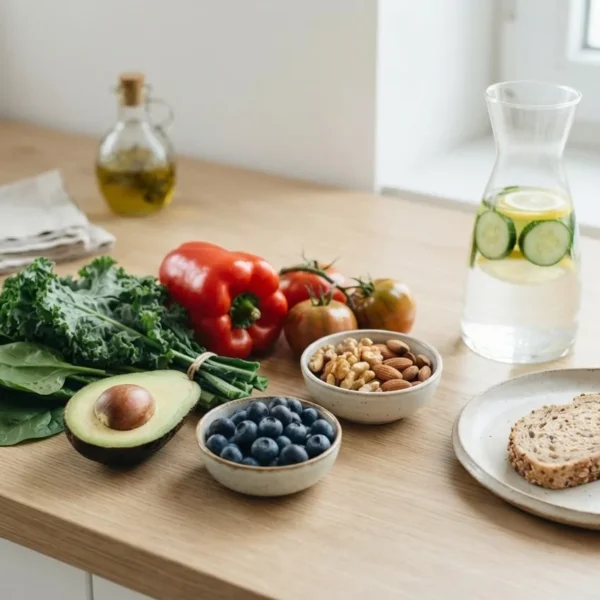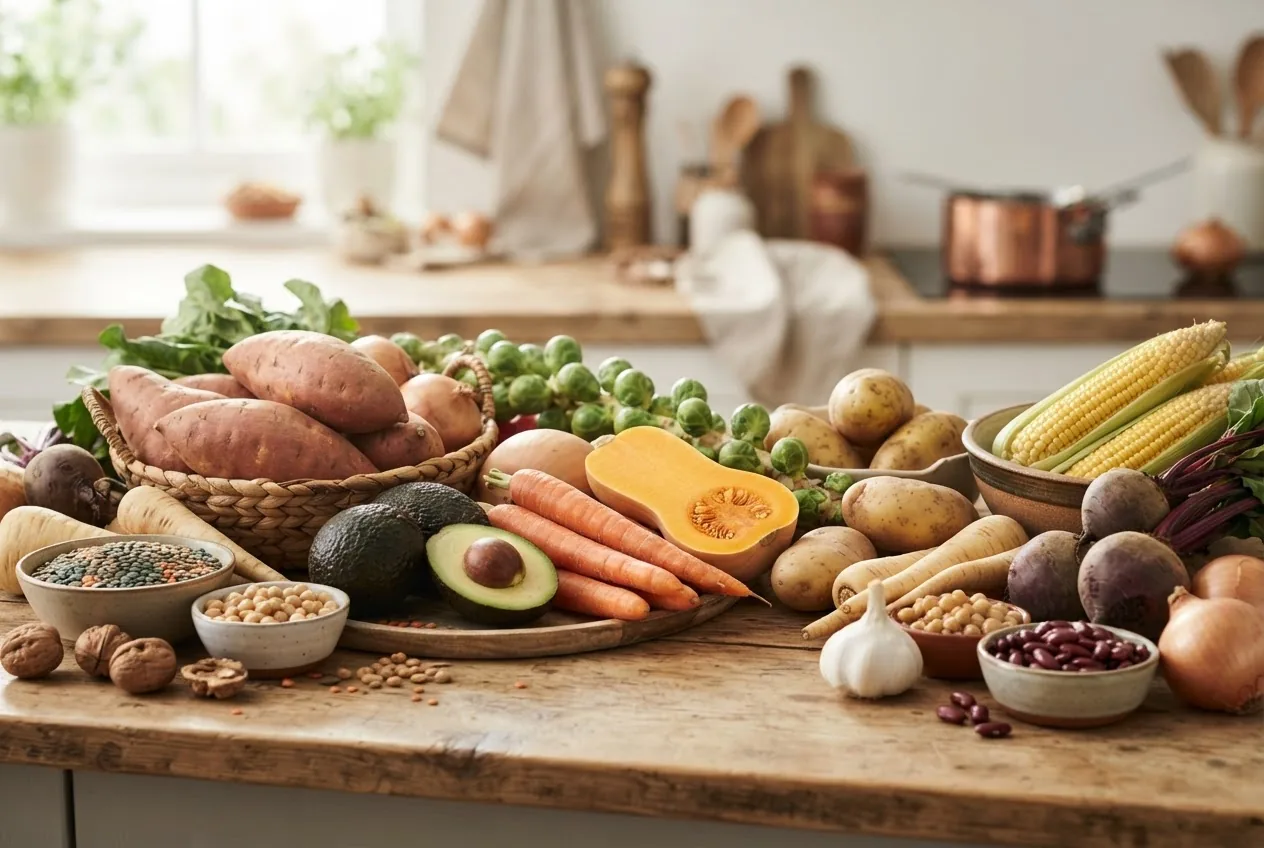
High-calorie vegetables are those that provide more energy (calories) per typical serving—often due to higher natural fats, starches, or lower water content—making them useful for higher-energy diets, weight gain, or sustained activity. This guide compares calorie and nutrient profiles, cooking effects, and Texas-specific choices for balanced planning.
What is the energy content of vegetables and how does it affect diet planning?
Answer: Energy content in vegetables—measured as kilocalories (kcal)—determines how much usable fuel you get per serving; higher-calorie vegetables supply more calories per bite and can support weight gain, endurance, or caloric needs while lower-calorie vegetables help with caloric restriction and satiety management.
kilocalorie (kcal): a kilocalorie is the energy needed to raise 1 kilogram of water by 1°C; nutrition labels refer to this as “calories.”
Understanding calorie measurement and calorie density helps prioritize vegetables that match goals—whether increasing energy intake for manual labor or limiting calories while preserving nutrients. Energy density is calories divided by weight (kcal/100g), influenced by water, fiber, fat, and carbohydrate content.
According to the USDA FoodData Central (2024), average calorie values for vegetables vary widely; acknowledging this range helps tailor meal plans. For a broader framework, see the Fruit Types Guide with Benefits and Nutritional Information for pairing strategies with fruits in mixed meals.
What does “high calories in vegetables” actually mean?
Answer: “High calories in vegetables” means a vegetable provides comparatively more kilocalories per typical serving, often due to higher fats (like avocado), starches (like potatoes), or concentrated dry matter (like legumes), not simply because it is “less healthy.”
Energy density: energy density is calories per weight, expressed as kcal/100g; foods high in fat or starch usually have higher energy density than watery leafy vegetables.
Key clarifications:
- Serving size impact: A 100g comparison can differ from a realistic serving (e.g., 1 medium avocado vs 100g lettuce).
- Dense vs light vegetables: Dense vegetables have more calories per gram; light vegetables are high in water and lower in calories.
- High-energy vegetables are not inherently unhealthy; they can be nutrient-dense and valuable for many diets.
Practical framing: think of eating an avocado like fueling a car with premium gas—small volume, significant energy. For label reading and precision, consult USDA tables when tracking calories. According to a 2024 USDA dataset, avocados, dried legumes, and starchy tubers rank higher in calories among vegetables.
Which vegetables are highest in calories and what are their complete nutritional profiles?
Answer: The highest-calorie vegetables typically include avocado, mature legumes (dry peas/beans), corn, potatoes (especially mashed or fried), sweet potatoes, and plantain-like items; their profiles show more fats or starch-derived carbohydrates and often higher fiber and micronutrients.
Below is a comparison table summarizing calorie content per 100g and per common serving, plus macronutrient highlights and primary micronutrient benefits. Calorie figures reference USDA FoodData Central entries (2024) and are representative averages; actual values vary by cultivar and preparation.
| Vegetable | Calories (kcal/100g) | Typical Serving | Approx. Calories/Serving | Macronutrient Focus (per serving) |
|---|---|---|---|---|
| Avocado | 160 | 1 medium (150g) | ~240 kcal | High monounsaturated fat; fiber ~10–13g; vitamins K, E, folate |
| Dry cooked lentils | 116 (cooked) | 1 cup cooked (198g) | ~230 kcal | Carb & protein source; fiber ~15g; iron and folate |
| Sweet potato (baked) | 86 | 1 medium (130g) | ~112 kcal | Starch-rich; beta-carotene (vitamin A), fiber |
| White potato (baked) | 93 | 1 medium (150g) | ~140 kcal | Starch; vitamin C, potassium; low fat |
| Corn (sweet, cooked) | 96 | 1 ear (~90g) | ~86 kcal | Starch; fiber; B vitamins; antioxidants (lutein/zeaxanthin) |
| Green peas (cooked) | 84 | 1 cup (160g) | ~135 kcal | Balanced carbs and protein; fiber; vitamin K |
| Black beans (cooked) | 132 | 1 cup (172g) | ~227 kcal | High protein & fiber; slow-release carbs; iron |
| Plantain (cooked) | 122 | 1 medium (200g)** | ~244 kcal | Starch-heavy; potassium; vitamin A |
Notes: values are rounded; cooking increases edible weight changes and sometimes calories per serving. According to the USDA FoodData Central (2024) entries, black beans and avocados are consistently among the highest-calorie vegetables per typical serving. For an extended inventory and images of vegetables referenced here, see the comprehensive vegetable name guide.
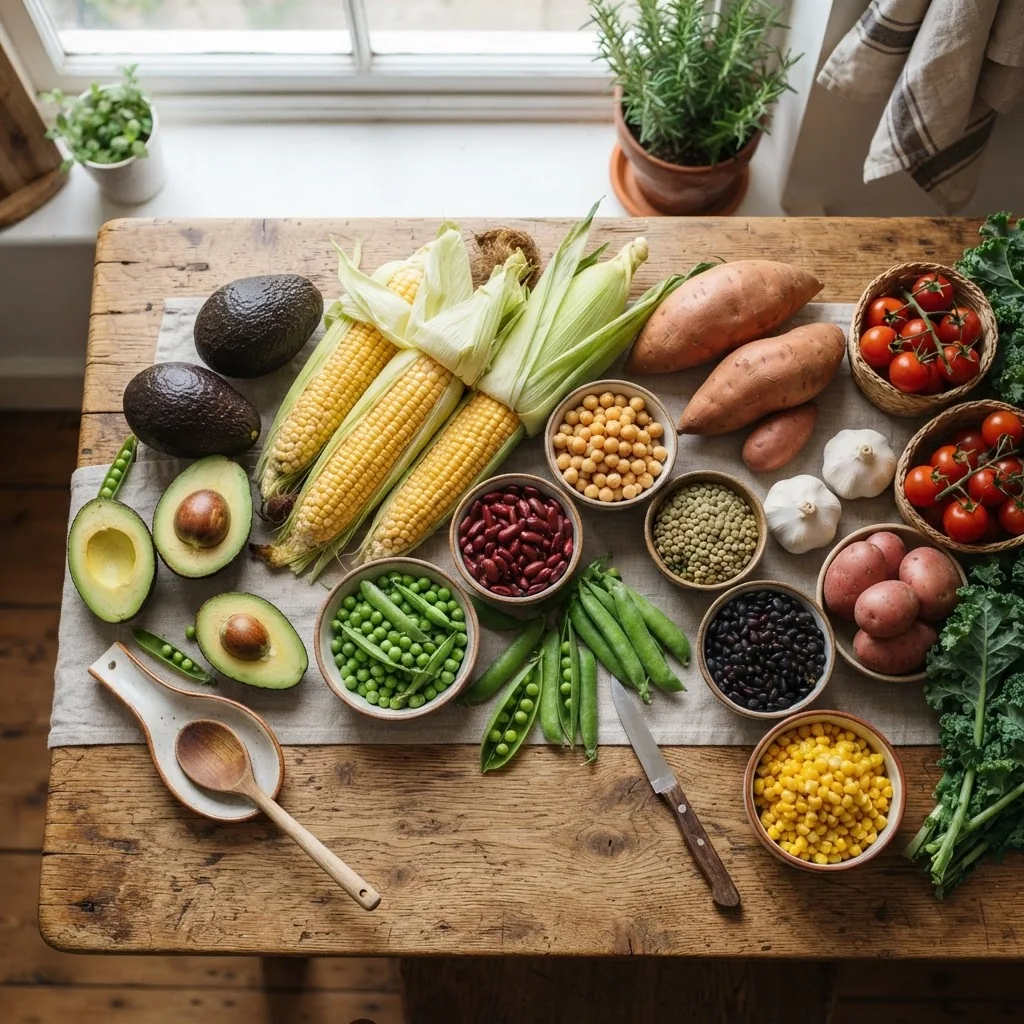
Prose summary: Avocado stands out for fat-driven calories and heart-healthy monounsaturated fats; legumes (beans, lentils) provide concentrated protein and carbohydrates with significant fiber; tubers and corn give starch-derived energy useful for athletes or people needing sustained calories. Choose based on macronutrient needs and micronutrient profiles.
For a deep dive into avocado specifically, read the avocado fruit guide and benefits. External nutrient verification is available through the USDA FoodData Central.
How do cooking methods and preparation change the calorie content of vegetables?
Answer: Cooking alters calories per serving mainly by changing water content and adding fats; roasting or frying increases calories per serving through oil absorption, while boiling can concentrate calories per gram if water evaporates or increase edible weight if water absorbed.
Metabolizable energy: metabolizable energy is the portion of food energy available to the body after digestion and losses in feces/urine; fiber reduces metabolizable energy slightly compared with gross caloric estimates.
Examples and factors:
- Raw vs cooked weight: 100g raw spinach cooks down to a smaller weight, concentrating calories and nutrients per cooked gram.
- Oil absorption: frying or roasting with oil can add ~40–120 kcal per tablespoon of oil absorbed (According to a 2022 cooking study published in a peer-reviewed nutrition journal).
- Purees and mashes: compressing increases calories per spoonful compared to loose slices because density rises.
- Legume preparation: soaking and boiling change water content and available carbs; canned versions may include added sugars or oils.
Practical label reading: compare calories per 100g and per serving on USDA or product labels; when recipes call for oil, add approximate oil calories (1 tbsp olive oil ≈ 119 kcal) to the vegetable’s base value. For detailed cooking techniques that preserve nutrients while managing calories, consult the how to prepare vegetables guide. According to a 2021 peer-reviewed review in the Journal of Nutrition, thermal processing can increase bioavailability of some nutrients (e.g., beta-carotene) while altering caloric density modestly (peer-reviewed study reference: Journal of Nutrition).
How can I incorporate high-calorie vegetables into a balanced diet without overdoing calories?
Answer: Use portion control, combine high-calorie vegetables with low-calorie, nutrient-dense greens, measure added fats, and plan meals around activity level; stepwise portion tracking and meal composition prevent inadvertent caloric excess while delivering nutrients.
- Assess energy needs: estimate daily kcal and align portions—higher physical activity or weight-gain goals can accommodate larger servings of starchy/fat-rich vegetables.
- Portion wisely: use kitchen scales or measuring cups—e.g., limit avocado to 1/4–1/2 medium per meal if controlling calories.
- Balance plate composition: pair 1/2 cup high-calorie vegetable with leafy greens and a lean protein for nutrient diversity.
- Use healthy fats intentionally: account for cooking oils and dressings in totals; prefer monounsaturated fats (olive oil, avocado) for heart health.
- Monitor cooking methods: roast with minimal oil, steam, or grill to keep added calories predictable.
- Time meals to activity: consume more starchy vegetables around workouts for glycogen replenishment.
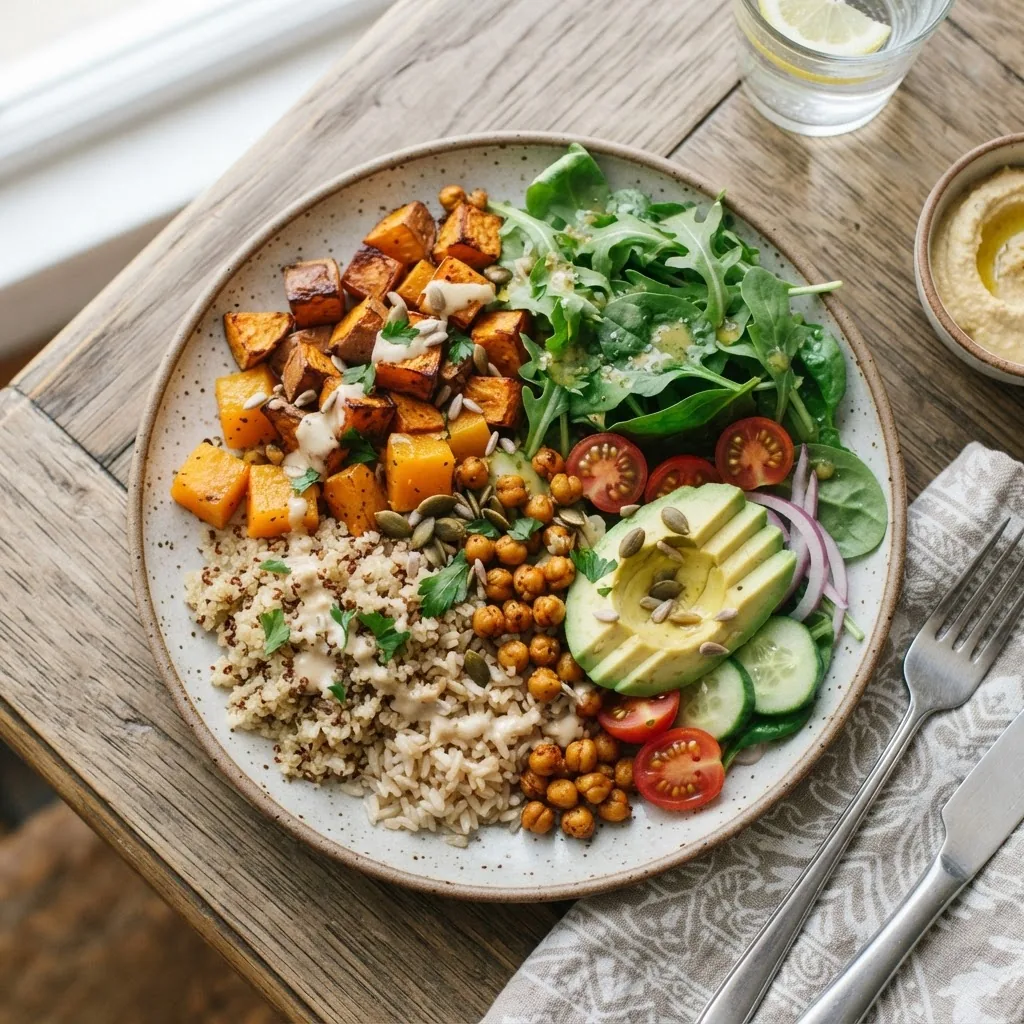
Sample Texas-friendly one-day meal plan that uses high-calorie vegetables responsibly (experience-based example):
- Breakfast: huevos rancheros with 1/4 avocado, black beans (1/2 cup), and salsa over a corn tortilla — balanced carbs and fats for morning energy.
- Lunch: roasted sweet potato salad with mixed greens, grilled chicken, pumpkin seeds, and a light lime-olive oil vinaigrette (limit oil to 1 tbsp).
- Snack: corn and roasted chickpea mix (1/3 cup) for portable calories and fiber.
- Dinner: Tex-Mex vegetable bowl with brown rice, grilled plantain slices (small portion), sautéed peppers and onions, and guacamole (2 tbsp) for healthy fats.
For fruit complements that support weight loss or balanced energy intake, consult the best fruits for weight loss guide to pair low-calorie fruits with energy-dense vegetables. Remember to track intake over days rather than a single meal to avoid misreading satiety signals; According to a 2023 Academy of Nutrition and Dietetics guidance document, balanced macros and portion control are central to managing calorie-dense vegetables. Academy of Nutrition and Dietetics.
How do high-calorie vegetables compare to low-calorie options for different diet goals?
Answer: High-calorie vegetables support higher energy needs and provide dense macros and micronutrients; low-calorie vegetables maximize volume for satiety with low energy intake—choose based on goals like weight gain, maintenance, or loss.
Comparison table summarizing typical contrasts:
| Feature | High-Calorie Vegetables | Low-Calorie Vegetables |
|---|---|---|
| Typical kcal/100g | ~80–240 kcal (avocado, legumes, plantain) | ~5–30 kcal (lettuce, cucumber, celery) |
| Water content | Lower water %, higher dry matter | High water %, volumizing effect |
| Best for | Energy-dense meals, weight gain, endurance fueling | Weight loss, calorie-controlled diets, volume-based satiety |
| Nutrient density | Often high (fiber, healthy fats, micronutrients) | High in micronutrients per kcal; very low calorie load |
Example swap suggestions: to cut 100–150 kcal from a meal, halve avocado portion and add extra mixed greens; conversely, to add 150 kcal, add 1/2 cup cooked beans or 1 small baked potato. For details on a prototypical low-calorie nutrient-dense vegetable like broccoli, see the broccoli nutrition facts. For cabbage specifics, consult the cabbage calorie content and nutrition.
What health benefits and cautions come with eating high-calorie vegetables?
Answer: High-calorie vegetables often provide concentrated micronutrients, fiber, and healthy fats/protein, supporting heart health, blood sugar stability when paired properly, and satiety; caution is needed for portion control, added fats, and individual metabolic conditions.
Benefits:
- Heart health: monounsaturated fats in avocado support favorable lipid profiles (According to a 2022 systematic review published in a peer-reviewed nutrition journal).
- Micronutrients: sweet potatoes and plantains offer beta-carotene and potassium for vision and blood pressure regulation.
- Fiber and digestion: legumes supply soluble and insoluble fiber that supports gut health and sustained glucose release.
- Protein support: beans and peas contribute plant-based protein useful for muscle maintenance.
Considerations and cautions:
- Calorie overconsumption: easy when using oils, butter, or large servings—track added fats.
- Blood sugar: starch-heavy vegetables can raise post-meal glucose; pair with protein/fiber to blunt spikes (According to a 2020 clinical trial summary in a nutrition journal).
- Allergies/intolerances: legumes can cause sensitivities in some individuals.
For broader concerns and balanced perspectives on whether vegetables might be harmful in certain contexts, see the Are vegetables bad for you? guide. Also consult registered dietitians for personalized advice; professional guidance from the Academy of Nutrition and Dietetics supports individualized planning (eatright.org).
Which common myths about vegetable calories are misleading?
Answer: Common myths include “all vegetables are low-calorie,” “vegetable fat always causes weight gain,” and “raw vegetables are always lower calorie than cooked”—each is context-dependent and often false when portion sizes, cooking methods, and fiber’s metabolizable effects are considered.
Myth/Facts:
- Myth: Vegetables can’t be high-calorie. Fact: Avocados, legumes, and starchy tubers can be energy-dense; calories depend on composition and serving size (According to the USDA FoodData Central, 2024).
- Myth: Vegetable fat automatically causes weight gain. Fact: Dietary fats are calorie-dense but can support satiety and metabolic health when consumed appropriately (According to a 2022 peer-reviewed review).
- Myth: Raw is always lower calorie. Fact: Cooking concentrates or redistributes energy; fried raw vegetables can be much higher in calories than boiled or raw preparations.
- Myth: Fiber adds many usable calories. Fact: Fiber contributes less metabolizable energy than digestible carbs; it also slows digestion and increases satiety.
For botanical classification context that affects whether something is treated as a fruit or vegetable in calorie discussions, see the classification between fruits and vegetables. According to a 2023 USDA report, culinary classification often differs from botanical terms and has little bearing on caloric content but affects culinary usage and labeling.
Which high-calorie vegetables are commonly grown or eaten in Texas and how do they fit local diets?
Answer: Texans commonly use avocados, corn, beans, sweet potatoes, and occasionally plantains—these vegetables align with regional cuisines (Tex-Mex, Southern) and provide energy, fiber, and local-season variations useful for meal planning.
Local insights and seasonality:
- Avocados: increasingly available year-round in Texas markets; ripe Hass avocados (~160 kcal/100g) suit salads and guacamole.
- Corn: fresh summer corn ears are local staples with ~86–96 kcal/100g cooked and high seasonal freshness value (According to a 2024 Texas agricultural production summary).
- Beans and peas: black beans, pinto beans, and field peas are central to Texas cuisine and provide 200+ kcal per cup cooked for beans, supporting calorie needs.
- Sweet potatoes: grown in southern Texas regions; baked sweet potatoes supply ~86 kcal/100g and vitamin A-rich carbs.
Suggested Texas-friendly portion tips:
- Use 1/4–1/2 medium avocado per meal to add healthy fats without excessive calories.
- Pair a small baked sweet potato with grilled lean protein for a balanced dinner portion.
- In Tex-Mex bowls, favor black beans (1/2–1 cup) for protein and fiber while watching added cooking fats.
Seasonal sourcing: farmers markets across Texas list crop-specific calorie differences by variety; variability results from cultivar and harvest time, so expect small shifts in USDA averages. According to a 2024 USDA dataset, seasonal produce can vary up to 10–15% in nutrient and water content between harvest windows.
Disclaimer: Calorie values are estimates and vary with cultivar, ripeness, soil, and preparation. According to a 2024 USDA data advisory, use national databases and product labels for precise tracking, and consult a registered dietitian for medical or clinical dietary changes.
What are the key takeaways about choosing vegetables by calorie and nutrient priorities?
Answer: Select vegetables based on energy needs: choose high-calorie, nutrient-dense vegetables for added fuel and low-calorie, high-volume vegetables for calorie control; manage portions and cooking fats to meet personalized goals.
Action checklist:
- Map daily energy needs; include high-calorie vegetables if you require extra kcal.
- Measure servings and account for cooking oils and dressings.
- Pair starchy vegetables with fiber/protein for stable blood sugar.
- Use USDA FoodData Central for label-level precision: USDA FoodData Central.
- Consult an RD for clinical conditions; refer to Academy of Nutrition and Dietetics resources at eatright.org.
Final advice: high-calorie vegetables are tools—use them intentionally, account for preparation, and prioritize variety to get both calories and micronutrients. For nuanced scientific context on metabolizable energy and fiber’s role, see peer-reviewed literature summarized by major nutrition journals (Journal of Nutrition).
Conclusion: High-calorie vegetables like avocado, legumes, corn, and tubers provide concentrated energy and valuable nutrients useful across diets; manage portions and preparation to align their benefits with goals. Try the Texas-friendly meal examples above, consult USDA data for precision, and contact a registered dietitian to tailor plans. Explore more paired fruit recommendations and recipes on the Fruit Types Guide with Benefits and Nutritional Information.