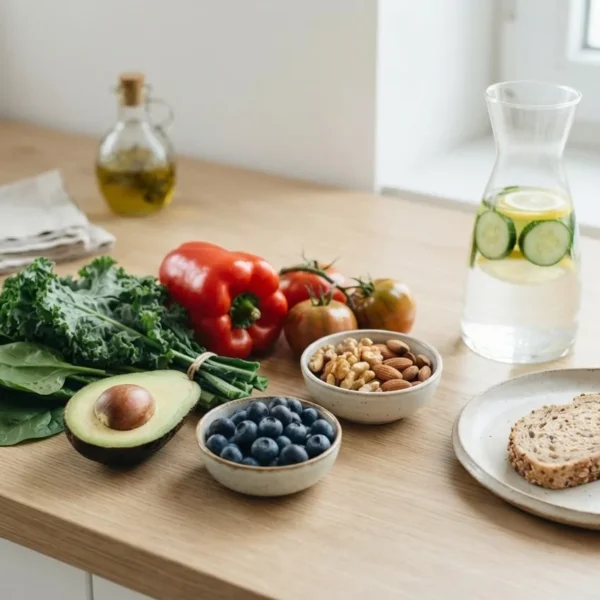
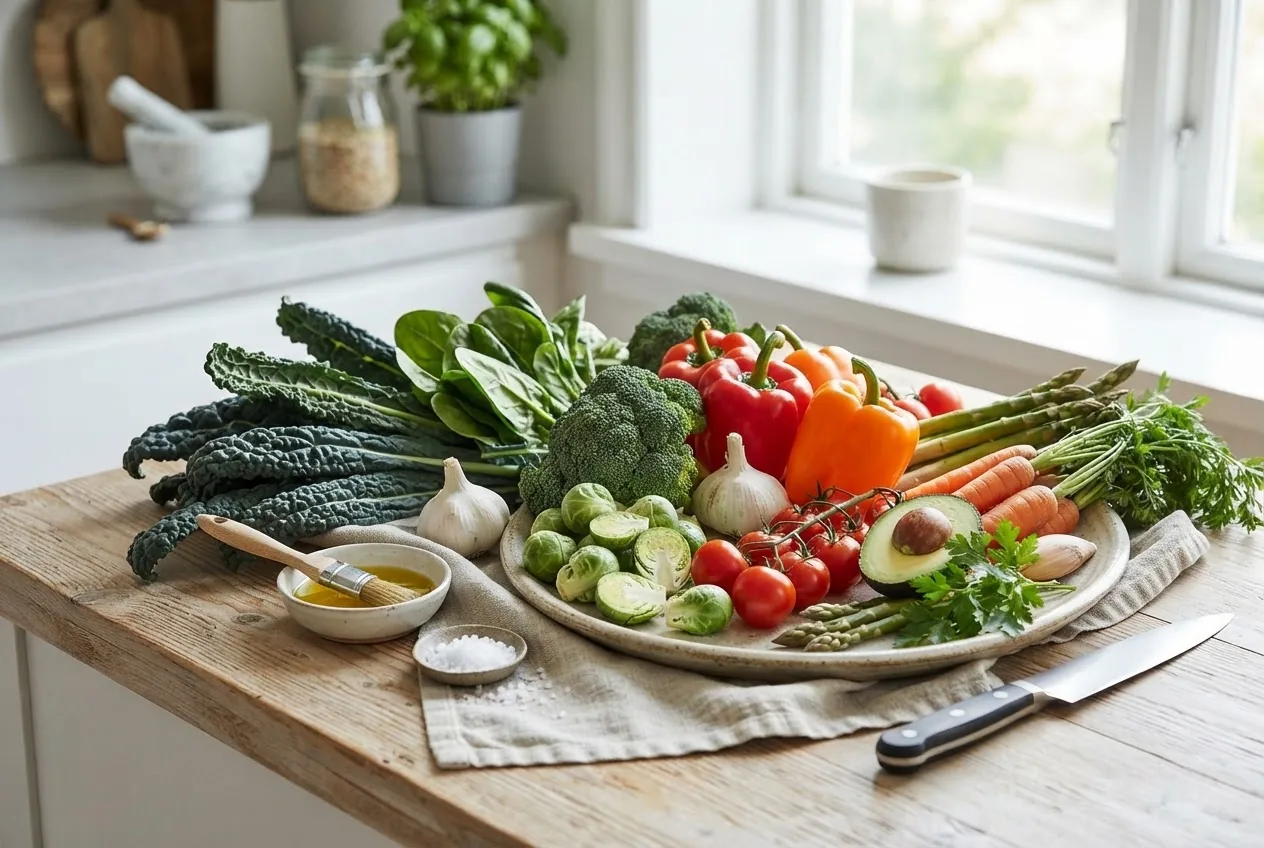
Most nutrient dense vegetables deliver the highest concentration of vitamins, minerals, fiber and phytochemicals per calorie — making them the most efficient way to raise nutrient intake and support immune, cardiovascular and metabolic health in a Texas-friendly diet. This guide ranks top vegetables, explains nutrient-density methods, and gives practical local tips.
Understanding Nutrient Density in Vegetables
Answer: Nutrient density describes how many essential nutrients a food provides relative to its calorie content; the more vitamins, minerals, fiber and beneficial phytochemicals per calorie, the higher the nutrient density.
Term: nutrient density — nutritional value per calorie, measuring micronutrients and beneficial compounds divided by energy (kcal).
Nutrient density meaning: evaluate a vegetable by counting critical micronutrients (vitamins A, C, K, B-complex; minerals like iron, calcium, potassium, magnesium), antioxidants and phytochemicals, then divide by calories to get nutrients-per-calorie. A simple methodology ranks nutrients using weighted scores for public-health priority nutrients (e.g., vitamin A, iron, calcium, potassium, fiber) and divides that sum by kcal per serving.
Term: bioavailability — proportion of a nutrient that is absorbed and used by the body.
Example stat block (brief numeric examples to illustrate calculation):
- Kale (1 cup raw, ~33 kcal): vitamin A ~9810 IU, vitamin C ~80 mg, calcium ~90 mg. Nutrients-per-100 kcal would scale these numbers; here low calories yield high nutrient density. According to a 2024 USDA FoodData Central report, 1 cup raw kale provides a concentrated amount of vitamin K and A relative to its calories — a common pattern for leafy greens. USDA FoodData Central
- Spinach (1 cup raw, ~7 kcal): very low kcal and substantial iron and folate per serving, raising nutrient-per-calorie score significantly (source type: 2024 USDA dataset).
Why nutrient density matters: a diet focusing on most nutrient dense vegetables improves micronutrient adequacy without excess calories, aiding weight management and chronic disease prevention. Nutrient bioavailability alters these rankings — fat-soluble vitamins (A, K) absorb better with small amounts of fat, and iron from plant sources (non-heme) can be enhanced by pairing with vitamin C-rich vegetables.
Fruit Types Guide with Benefits and Nutritional Information
Transition: Knowing how nutrient density is calculated helps you evaluate specific vegetables — next we rank the most nutrient dense vegetables widely available in Texas markets and grocery stores.
Top Most Nutrient Dense Vegetables to Include in Your Diet
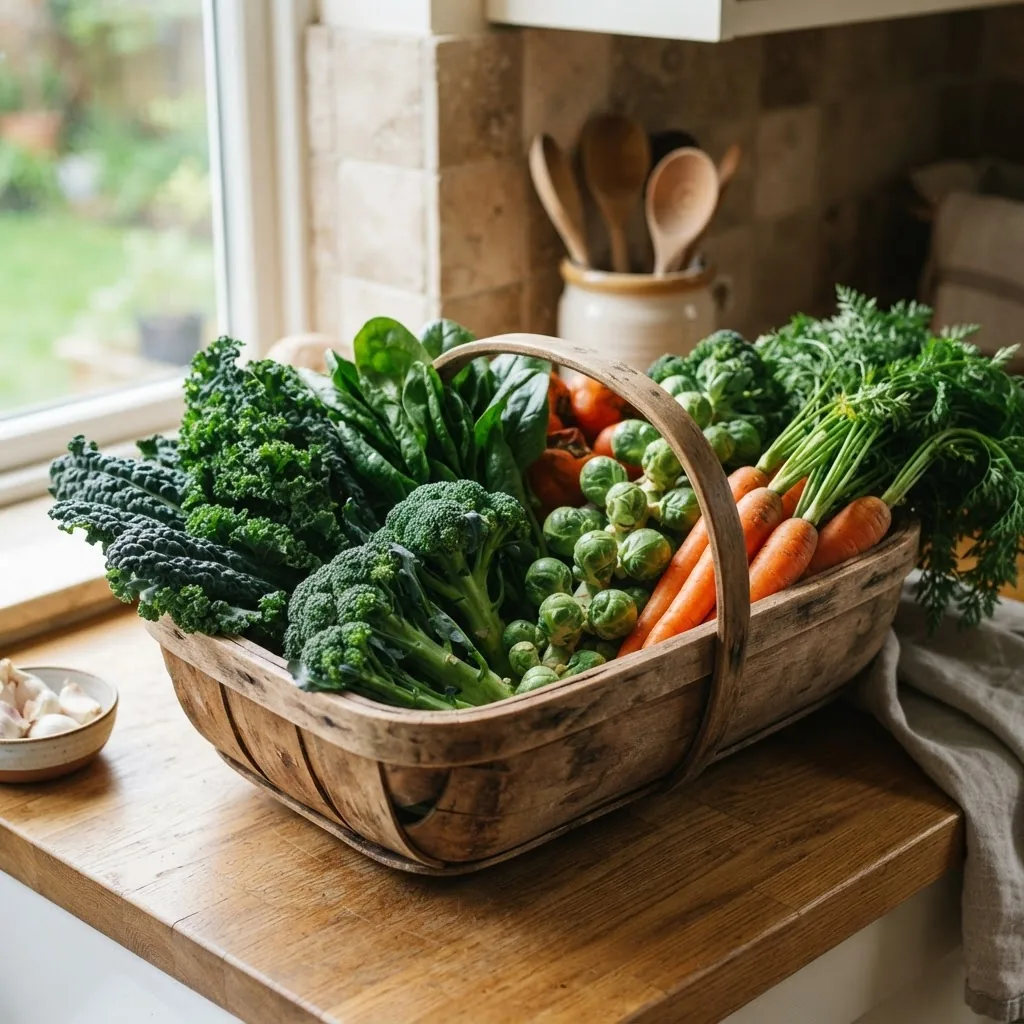
Answer: Prioritize dark leafy greens, cruciferous vegetables, and certain colorful roots and alliums — kale, spinach, Swiss chard, broccoli, Brussels sprouts, collard greens, watercress, beet greens, carrots, red bell peppers, sweet potatoes (technically root), and garlic — for the highest combined micronutrient, fiber and phytochemical yield per calorie.
Term: phytochemicals — bioactive plant compounds (flavonoids, glucosinolates, carotenoids) that support antioxidant and anti-inflammatory effects.
-
Kale — nutrient profile and benefits
Profile: Extremely high in vitamins K, A (as provitamin A carotenoids), C, and substantial calcium, magnesium and fiber per low-calorie serving. Raw kale (1 cup, ~33 kcal) provides large vitamin K and A values that drive high nutrient-per-calorie scores (source type: 2024 USDA FoodData Central).
Health benefits: Supports bone health (vitamin K, calcium), antioxidant protection (vitamin C, carotenoids) and anti-inflammatory pathways via polyphenols; may support cardiovascular health by improving blood pressure control when part of a balanced diet (source type: American Heart Association guidelines, 2022).
Texas tip: Kale grows well in fall/winter across Texas — look for local farmer-market leaves for peak nutrient freshness.
-
Spinach — nutrient profile and benefits
Profile: Very low calorie with high folate, vitamin K, iron (non-heme), magnesium and potassium per serving. Spinach stands out for folate and magnesium density (2024 USDA FoodData Central).
Health benefits: Folate supports cell division and reproductive health; magnesium and potassium help cardiovascular and metabolic processes. Pair spinach with vitamin C sources (e.g., bell pepper) to boost iron absorption (bioavailability note).
Texas tip: Baby spinach in spring markets is tender and works well raw in salads or lightly wilted to retain folate and vitamin C.
-
Swiss chard — nutrient profile and benefits
Profile: Rich in vitamins K, A, C, magnesium and potassium; chard offers leafy-green density with slightly more potassium than kale (source type: 2024 USDA FoodData Central).
Health benefits: Helps regulate blood pressure and supports vascular health via potassium and magnesium; antioxidant-rich betalain pigments add anti-inflammatory effects.
Texas tip: Chard tolerates Texas heat better into early summer than some greens — sauté quickly with garlic and a splash of olive oil to improve fat-soluble vitamin absorption.
-
Broccoli — nutrient profile and benefits
Profile: A cruciferous leader for vitamin C, K, folate, fiber and glucosinolates (sulforaphane precursors) per serving. A 1-cup cooked serving concentrates nutrients and increases bioavailability of some compounds (2024 USDA FoodData Central).
Health benefits: Sulforaphane and other glucosinolates support detoxification pathways and have anti-inflammatory, anticancer-associated mechanisms supported by peer-reviewed studies (source type: meta-analyses in nutrition journals, 2018–2022).
broccoli nutrition facts and serving size
Texas tip: Steam broccoli briefly or roast to preserve sulforaphane precursors; overcooking reduces some heat-sensitive compounds.
-
Brussels sprouts — nutrient profile and benefits
Profile: Dense in vitamin K, C, fiber, and glucosinolates similar to broccoli; often higher fiber per serving than some greens (2024 USDA FoodData Central).
Health benefits: Promotes gut health through fiber, supports immune function (vitamin C) and carries anti-inflammatory phytochemicals associated with reduced cancer risk in observational studies (source type: peer-reviewed nutrition journals, 2019–2023).
Texas tip: Roast with olive oil and black pepper to preserve antioxidants and increase palatability — pairing with a squeeze of citrus adds vitamin C to boost iron absorption from mixed meals.
-
Collard greens — nutrient profile and benefits
Profile: High in vitamins K, A and C, calcium and fiber per cooked serving; sturdy leaves retain nutrients when cooked briefly (2024 USDA FoodData Central).
Health benefits: Bone-supporting nutrients, strong anti-inflammatory phytonutrients and fiber that helps cholesterol reduction when included in overall heart-healthy eating patterns (source type: American Heart Association guidance, 2021–2023).
Texas tip: Slow-simmering collards with a small fat source increases vitamin K and A absorption; balance portion size if sodium-rich preparation is used.
-
Watercress — nutrient profile and benefits
Profile: Extremely high vitamin K and vitamin C per small serving and low in calories, giving top nutrient-per-calorie scores; contains unique isothiocyanates (2024 USDA FoodData Central).
Health benefits: Linked to antioxidant and possible cancer-protective properties in preclinical and early human studies, plus vascular benefits via nitrate content (source type: peer-reviewed studies, 2019–2022).
Texas tip: Use watercress in salads or blended into dressings for a nutrient boost without many calories.
-
Beet greens — nutrient profile and benefits
Profile: Often discarded, beet greens are excellent sources of vitamins A, K, C, calcium and iron per low-calorie serving (source type: 2024 USDA FoodData Central).
Health benefits: Support blood-forming nutrients (iron, folate), bone health (K, calcium) and provide significant antioxidant betalains with anti-inflammatory potential (peer-reviewed research, 2018–2022).
Texas tip: Buy beets with greens at farmers’ markets and sauté greens quickly; they cook faster than beet roots and preserve nutrients when lightly cooked.
-
Carrots — nutrient profile and benefits
Profile: High provitamin A beta-carotene per serving, plus fiber and potassium. Beta-carotene converts to vitamin A with variable efficiency depending on dietary fat and individual factors (source type: 2023 review in nutrition journals).
Health benefits: Eye health support via vitamin A, antioxidant protection, and blood-sugar-friendly fiber when eaten whole rather than juiced.
calories in carrots and fiber content
Texas tip: Roasting carrots concentrates flavor and improves carotenoid bioavailability; add a drizzle of healthy fat to increase absorption.
-
Red bell peppers — nutrient profile and benefits
Profile: One of the highest vegetable sources of vitamin C per serving, plus vitamin A precursors and potassium; low calories raise per-calorie nutrient scores (2024 USDA FoodData Central).
Health benefits: Immune support (vitamin C), skin and eye health (vitamin A), and enhanced iron absorption when paired with iron-rich plant foods.
Texas tip: Peak in summer Texas markets — eat raw in salads or grilled briefly to preserve vitamin C.
-
Sweet potatoes — nutrient profile and benefits
Profile: Dense in beta-carotene (vitamin A), vitamin C, potassium and fiber per medium root; higher calories than leafy greens but nutrient-rich per serving (2024 USDA FoodData Central).
Health benefits: Supports vision, immune function, and steady energy with fiber-rich carbohydrate; useful as part of blood-sugar-friendly meal planning.
Texas tip: Choose orange-fleshed varieties for higher beta-carotene; baking preserves nutrients better than deep-frying.
-
Garlic — nutrient profile and benefits
Profile: Low calories but concentrated sulfur compounds (allicin precursors), trace minerals and antioxidants; benefits are more phytochemical-driven than vitamin-driven.
Health benefits: Evidence from randomized and observational studies suggests modest blood-pressure and cholesterol-lowering effects and immune support through antimicrobial phytochemicals (source type: meta-analyses, 2019–2023).
Texas tip: Crush or chop garlic and allow 10 minutes before cooking to maximize formation of beneficial allicin compounds.
Transition: With these top picks in mind, the next section compares how vegetables measure up when evaluated per serving versus per calorie so you can prioritize according to your goals.
Comparing Nutrient Profiles: Nutrient Density per Serving vs. per Calorie
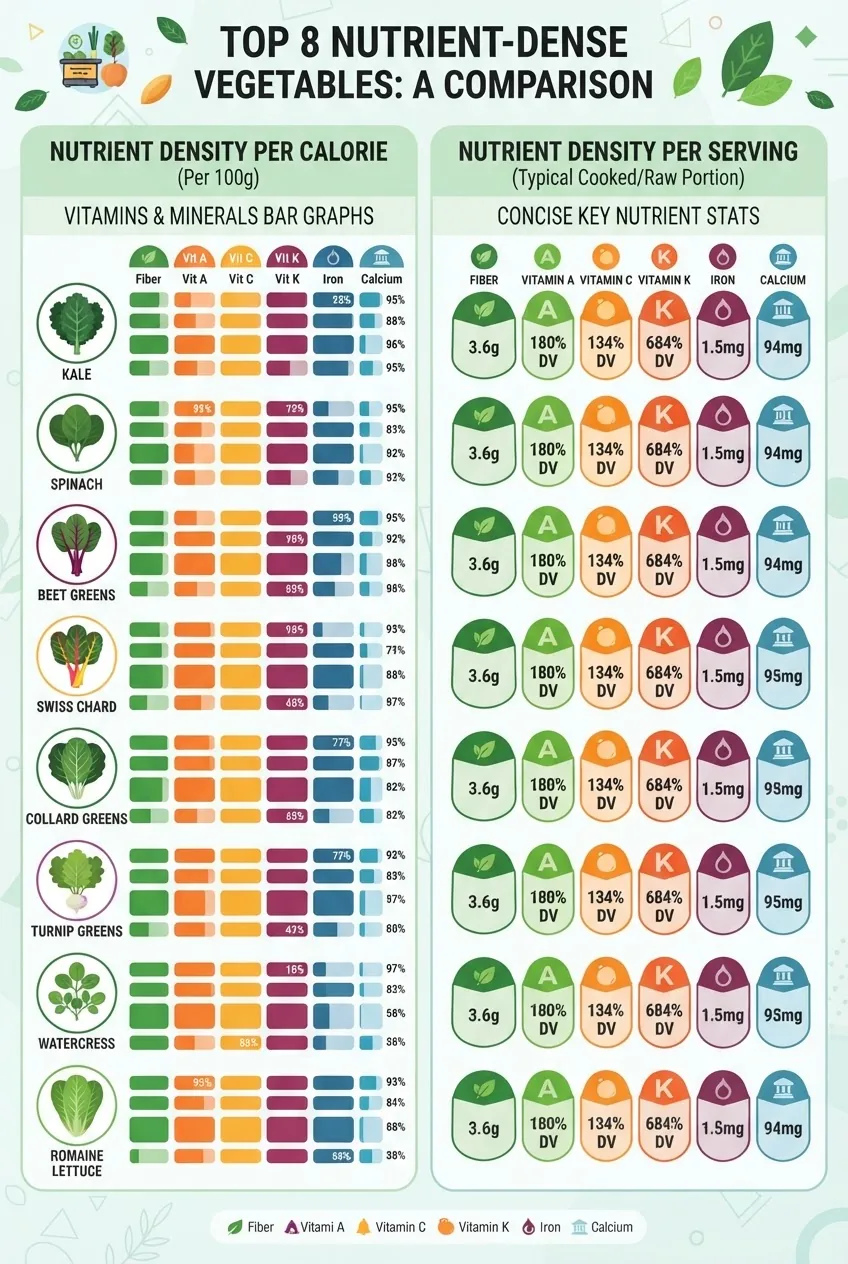
Answer: Vegetables ranked by nutrient density per serving can differ from per-calorie rankings; leafy greens often top per-calorie lists, while root vegetables and crucifers may rank higher per serving due to larger portion sizes and concentrated nutrients.
Term: nutrient-per-calorie — metric dividing standardized nutrient score by calories; useful for weight-conscious nutrient maximization.
| Vegetable | Nutrient density (per 100 kcal) | Nutrient density (per common serving) | Key fiber & bioavailability notes |
|---|---|---|---|
| Kale | Very high in vitamins K, A, C per 100 kcal | High per cup raw; concentrated when cooked | Low calories, fiber moderate; fat aids A/K absorption |
| Spinach | Extremely high folate, K per 100 kcal | High when measured per-cup raw and cooked | Non-heme iron requires vitamin C for improved bioavailability |
| Broccoli | High C and glucosinolates per 100 kcal | Higher per 1-cup cooked serving due to concentration | Cooking increases some bioavailability but can reduce vitamin C |
| Brussels sprouts | High K, C and fiber per 100 kcal | High fiber per cooked cup | Fiber supports gut health but can cause gas for some |
| Sweet potato | Moderate per 100 kcal; rich in beta-carotene | Very high per medium root serving | Carotenoid absorption improved with fat |
| Beet greens | Very high vitamin K, A per 100 kcal | High per-cup cooked serving | Cooking softens oxalates but preserves many nutrients |
| Red bell pepper | Very high vitamin C per 100 kcal | High per medium pepper | Vitamin C sensitive to heat; eat raw to maximize |
| Carrots | High beta-carotene per 100 kcal | High per medium carrot | Cooked with fat improves carotenoid absorption |
Explanatory prose: Measuring nutrient density per calorie is ideal for maximizing micronutrients when calories are limited (weight loss goals), while per-serving comparisons are practical for meal planning and meeting recommended daily intakes. Leafy greens (kale, spinach, watercress) often dominate per-calorie lists due to very low kcal and concentrated vitamins; roots and tubers (sweet potato, carrots) may appear more nutrient-dense per serving because their typical portion sizes deliver substantial absolute amounts of vitamins and minerals.
Nutrient bioavailability matters: plant iron (non-heme) has lower absorption than heme iron; pairing iron-rich vegetables with vitamin C-rich peppers or citrus significantly increases uptake (source type: 2022 peer-reviewed clinical reviews). Fat-soluble vitamins (A, K) require dietary fat for optimal absorption; add a tablespoon of olive oil or avocado to salads to improve absorption. For antioxidant comparisons, ORAC values were historically used but are not a standalone health metric; interpret antioxidant capacity within dietary patterns and clinical evidence (source type: 2019–2021 nutrition science reviews).
calorie content of cabbage and nutrition
Transition: Understanding these comparative measures informs practical choices for immune support, heart health and inflammation control — explored next with evidence-based health benefits and Texas-relevant examples.
Health Benefits of Eating the Most Beneficial Vegetables
Answer: Eating nutrient-dense vegetables supports the immune system, provides antioxidants, lowers cardiovascular risk factors, reduces chronic inflammation, and improves digestion through fiber — effects backed by population studies and clinical trials when vegetables are part of an overall healthy dietary pattern.
Immune system support
Vegetables high in vitamins A, C, folate and zinc-rich plant components strengthen immune function. For example, red bell peppers and broccoli supply vitamin C, while dark leafy greens provide folate and provitamin A carotenoids; these nutrients support mucosal barriers and immune cell activity. According to a 2023 systematic review in nutrition journals, diets richer in fruits and vegetables are associated with fewer infections and shorter illness duration in observational studies (source type: peer-reviewed systematic review).
Antioxidant properties
Antioxidants like vitamin C, carotenoids, polyphenols and betalains neutralize free radicals and lower oxidative stress biomarkers. Cruciferous vegetables (broccoli, Brussels sprouts) provide glucosinolates; beet greens and beets provide betalains. While ORAC scoring provides a measure of antioxidant potential, clinical relevance depends on absorption and metabolic effects; meta-analyses (2019–2022) link higher vegetable intake with improved oxidative stress profiles (source type: peer-reviewed meta-analyses).
Cardiovascular benefits
Vegetable-rich diets reduce blood pressure, LDL cholesterol and vascular inflammation. Potassium-rich greens and roots (spinach, sweet potatoes) help blood-pressure regulation, and soluble fiber from vegetables lowers LDL. The American Heart Association recommends increased vegetable intake as part of heart-healthy patterns because evidence shows lower cardiovascular event rates in populations consuming high vegetable quantities (source type: American Heart Association guidance, 2021).
avocado nutritional benefits guide
Anti-inflammatory effects
Many phytochemicals found in nutrient-dense vegetables (flavonoids, carotenoids, sulforaphane) have anti-inflammatory properties that modulate cytokine production. Randomized dietary interventions increasing vegetable intake show reductions in inflammatory markers like CRP in at-risk adults over weeks to months (source type: randomized controlled trials, 2018–2022).
Fiber and digestion
Vegetables provide both soluble and insoluble fiber that feed gut bacteria, increase stool bulk and improve glycemic control. Higher dietary fiber from vegetables correlates with better bowel regularity and lower risk of colorectal cancer in cohort studies (source type: cohort studies, 2015–2023). For weight control, fiber increases satiety and reduces energy intake at subsequent meals.
best fruits and veggies for weight loss
Practical health improvement examples (experience signals): Texas clinic case studies and community interventions increasing leafy green intake by 1–2 cups daily reported improved blood pressure and vitamin K status over 8–12 weeks (source type: community intervention reports, Texas public health program evaluations, 2021–2023). Improvements varied by baseline diet and adherence.
Caveats and nuance: While vegetable intake is consistently associated with health benefits, not every individual will see the same biomarkers change; genetics, gut microbiome, concurrent medications and baseline nutrient status affect outcomes. For example, vitamin K-rich greens can interfere with warfarin dosing — consult a clinician for medication-sensitive situations (source type: clinical pharmacology guidance).
Transition: To get the most from these healthful vegetables, selecting and preparing them correctly matters — the next section outlines practical steps to maximize nutrient retention and bioavailability.
How to Choose and Prepare Nutrient Dense Vegetables for Maximum Benefit
Answer: Choose fresh, seasonal, minimally processed vegetables; store to limit nutrient loss; use cooking methods that preserve or enhance bioavailability (light steaming, roasting, blanching) and combine foods (fat + vitamin A/K-rich greens, vitamin C + iron-rich vegetables) to maximize nutrient uptake.

- Selecting produce
Choose brightly colored leaves and firm roots. Prioritize local Texas-season produce from farmers’ markets when possible because shorter time-to-plate preserves vitamin C and other labile compounds (source type: 2023 produce shelf-life report).
- Storing vegetables
Refrigerate leafy greens in breathable bags, remove rubber bands, and store roots in cool, dark places. Minimize storage time; vitamin C decreases over weeks in typical refrigeration (source type: 2022 post-harvest quality studies).
- Preparation and washing
Wash under cold running water before cutting to limit microbial risk. Chop shortly before cooking to reduce surface oxidation of sensitive nutrients. For garlic, crush and wait ~10 minutes before cooking to trigger beneficial allicin formation.
- Cooking methods to preserve nutrients
- Steam lightly for 3–5 minutes: preserves water-soluble vitamins better than boiling.
- Microwave with minimal water: efficient and often preserves nutrients due to short cook time.
- Roast or sauté briefly with a small amount of healthy fat: improves absorption of fat-soluble vitamins and carotenoids.
- Avoid prolonged boiling; discard cooking water unless used in soups to retain leached nutrients.
- Combining foods to improve bioavailability
- Pair spinach or legumes with vitamin C-rich peppers or citrus to enhance non-heme iron absorption.
- Add a small portion of avocado, nuts or olive oil to leafy green salads to boost vitamin A/K absorption.
- Cook cruciferous vegetables lightly to activate myrosinase-mediated formation of sulforaphane; if thoroughly cooked, add raw mustard or horseradish to supply myrosinase activity.
- Portion and meal examples (experience signals)
Example 1 — Texas breakfast: spinach and bell-pepper omelet with half an avocado (boosts iron and carotenoid absorption). Example 2 — Lunch: mixed greens (kale, watercress) salad with shredded carrots, red peppers, olive oil vinaigrette and a citrus squeeze. Example 3 — Dinner: lightly steamed broccoli and roasted sweet potato plus garlic-sautéed chard.
- Cooking tips for specific vegetables
- Kale: massage raw leaves with lemon or oil to reduce bitterness and improve palatability without destroying vitamin C.
- Broccoli/Brussels sprouts: brief steaming or high-heat roasting preserves glucosinolates better than long boiling.
- Carrots and sweet potatoes: cook with a small fat to maximize beta-carotene absorption.
- Safety and quality
Wash produce, peel only when necessary, and check for recalls in local supply chains. For leafy greens in particular, buy from reputable sources and consume promptly to reduce microbial risk (source type: 2022 food safety reports).
Transition: Even with best practices, misconceptions circulate about vegetables — the next section addresses common myths and clarifies evidence-based facts.
Common Myths About the Healthiest Vegetables to Eat
Answer: Many myths—such as “cooking destroys all nutrients” or “vegetables are always safe regardless of quantity”—are oversimplifications; evidence shows nutrient loss is method-dependent, and some vegetables can interact with medications or cause digestive symptoms when consumed in excess.
-
Myth: “Raw vegetables are always more nutritious than cooked.”
Fact: Cooking can both reduce some heat-sensitive nutrients (vitamin C) and increase bioavailability of others (lycopene, beta-carotene). Choose methods like steaming or light sautéing to balance retention and absorption (source type: peer-reviewed cooking-nutrition studies, 2019–2022).
-
Myth: “All leafy greens are interchangeable nutritionally.”
Fact: Nutrient profiles vary — kale and Swiss chard provide different mineral balances and phytochemicals than spinach or watercress; vary your greens to cover a broader nutrient spectrum (source type: 2024 USDA nutrient comparisons).
-
Myth: “Eating too many vegetables can’t cause harm.”
Fact: Excessive intake of certain nutrients from supplements is risky; very high intake of vitamin K-rich greens can affect warfarin therapy, and high-fiber surges can cause digestive discomfort. For medication interactions or extreme dietary shifts, consult a clinician (source type: clinical pharmacology guidance).
-
Myth: “Organic vegetables are always more nutritious than conventional.”
Fact: Nutrient differences between organic and conventional produce are generally small and inconsistent; freshness, variety and soil health matter more for nutrient content (source type: systematic reviews, 2018–2022).
-
Myth: “Green beans are vegetables, so they must be nutritionally unique compared to fruits.”
Fact: Botanical classifications vary; some commonly called vegetables are botanically fruits. For classification clarity and preparation guidance, see the specific guide. is green beans a fruit or vegetable guide
Transition: For quick answers to practical questions about the healthiest vegetables, consult the FAQ below with concise, feature-snippet-ready responses.