Broccoli is healthy because it delivers a dense package of vitamins, minerals, fiber, and phytochemicals—especially the compound sulforaphane—that support immune function, heart and bone health, digestion, and reduced inflammation when eaten regularly as part of a balanced diet (40–60 words).
Transition: The sections below explain what broccoli is, its core nutrients, the science behind each major health effect, and practical guidance for Texans who want to add more broccoli to their plates.
What Is Broccoli? Overview and Varieties
Answer: Broccoli is a green cruciferous vegetable (Brassica oleracea) consisting of florets and edible stalks; common varieties include calabrese, sprouting, and purple sprouting, available fresh or frozen and used across raw and cooked dishes.
Term: Cruciferous vegetable — a member of the Brassicaceae family known for sulfur-containing phytochemicals and distinctive bitter-green flavors.
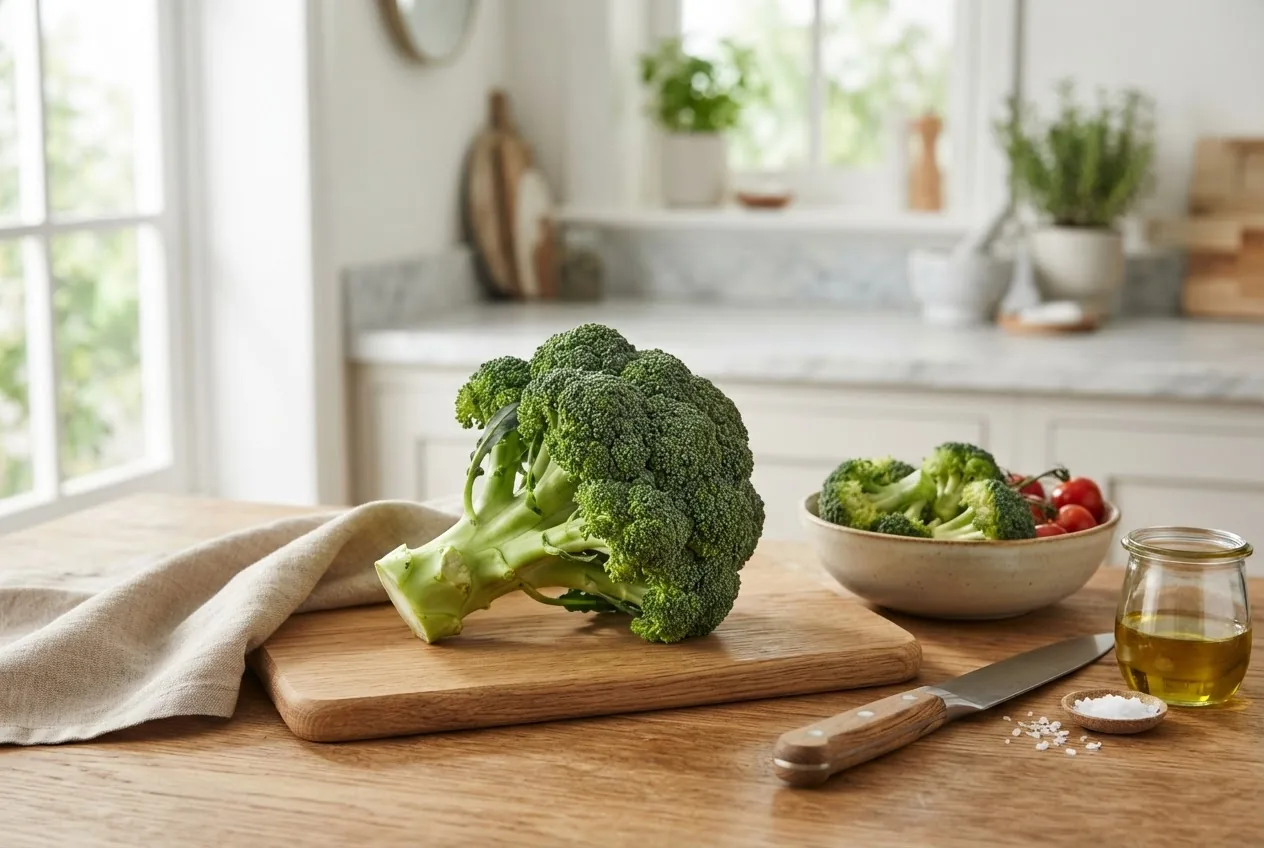
Broccoli comes in several forms: dense-headed calabrese (the familiar supermarket type), tender sprouting varieties sold with many small heads, and purple sprouting types that ripen in cooler months. Fresh broccoli typically shows tight green florets and firm stalks; frozen broccoli is usually blanched then frozen to preserve nutrients and convenience.
Buyers choose florets for quick steaming or salads and stalks for roasting, stir-fries, or purees. Selecting florets or stems changes cooking times and texture: florets cook fast and stay tender, while stalks benefit from peeling and longer cooking for softness.
fruit types guide with benefits and nutritional information
vegetables name guide with pictures and nutritional info
Nutritional Composition of Broccoli
Answer: Broccoli is low in calories but high in key micronutrients—notably vitamin C, vitamin K, folate, potassium, dietary fiber, and plant-based antioxidants—making it a nutrient-dense choice for daily eating.
Term: Dietary fiber — indigestible plant carbohydrate that helps digestion, promotes satiety, and supports steady blood sugar.
Broccoli’s nutrient density comes from concentrated vitamins and minerals in a low-energy package: a typical serving contributes meaningful proportions of daily vitamin C and vitamin K and provides folate and potassium with very few calories. Broccoli also contains soluble and insoluble fiber that supports gut transit and beneficial bacteria.
Embedded stat block: key nutrients to note (focus on health impact rather than detailed macros):
- Vitamin C: potent antioxidant supporting immune cells and collagen synthesis.
- Vitamin K: essential for bone metabolism and blood clotting pathways.
- Folate: supports cellular repair and is critical during pregnancy.
- Potassium: helps blood pressure regulation and muscle function.
- Dietary fiber: both soluble and insoluble for digestive health and glycemic control.
- Phytochemicals: sulforaphane and flavonoids with antioxidant and anti-inflammatory actions.
For detailed nutrient numbers and serving-size breakdown, see the broccoli nutrition facts and serving size guide, which references USDA nutrient data and standard portion sizes.
According to a 2024 USDA report, broccoli remains among the top non-starchy vegetables for vitamin C and vitamin K per serving, reinforcing its role in micronutrient adequacy (USDA FoodData Central).
Key Health Benefits of Eating Broccoli
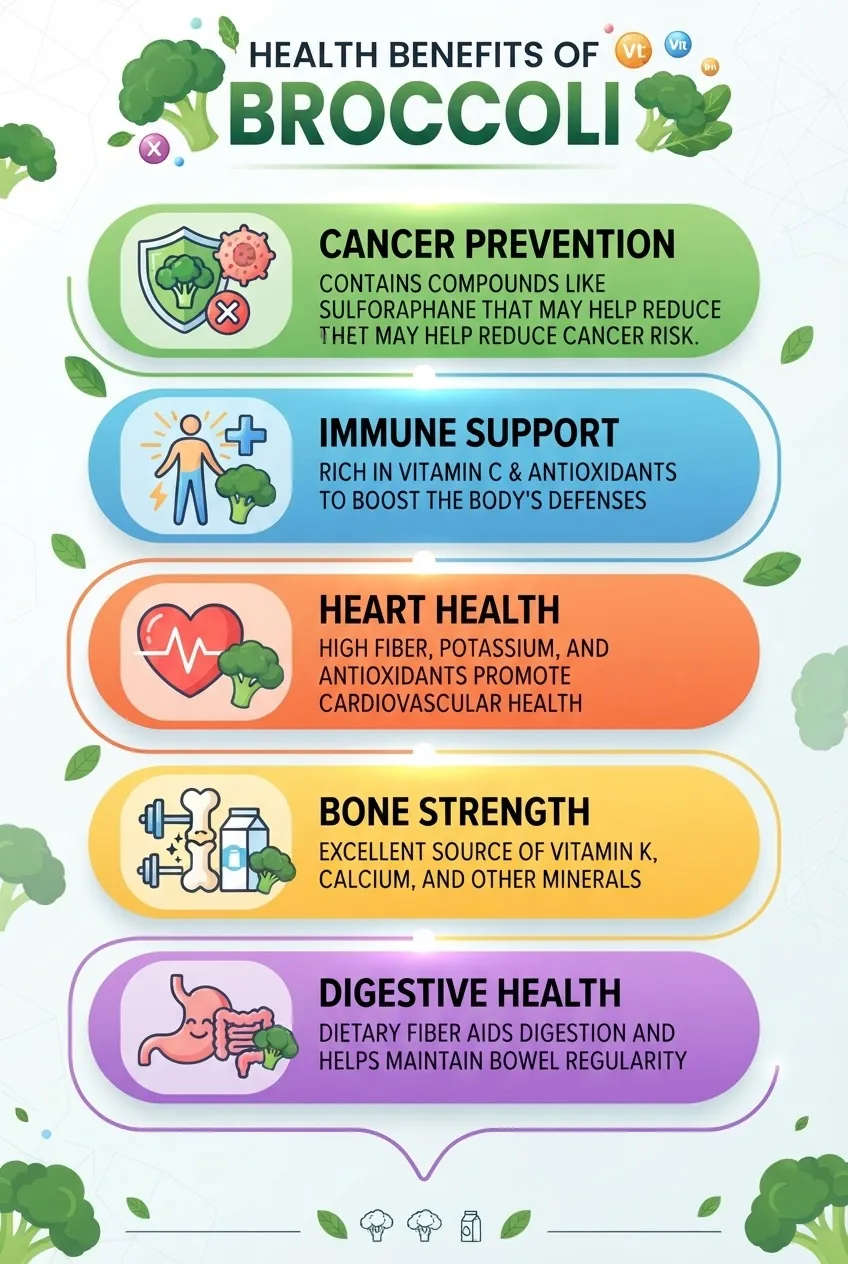
Answer: Eating broccoli regularly supports cancer prevention, immune defense, heart and bone health, digestion, and reduces chronic inflammation through fiber, vitamins (C and K), minerals, and phytochemicals such as sulforaphane.
Term: Phytochemicals — bioactive plant compounds (not essential nutrients) that influence human health via antioxidant, anti-inflammatory, or signaling pathways.
-
Cancer prevention:
Evidence indicates compounds in broccoli—especially sulforaphane—modulate detoxification enzymes and support apoptosis (programmed cell death) in preclinical models, which may reduce cancer risk over time.
Detailed evidence: Sulforaphane (a sulfur-containing isothiocyanate) activates the Nrf2 pathway, enhancing cellular antioxidant defenses and phase II detox enzymes; human observational studies and randomized feeding trials suggest inverse associations between cruciferous vegetable intake and some cancer risks. According to a 2019 systematic review in peer-reviewed nutrition literature, higher cruciferous vegetable intake correlates with modest reductions in lung and colorectal cancer risk (2019 review).
-
Immune system support:
Broccoli’s vitamin C, beta-carotene precursors, and antioxidants support white blood cell function and skin and mucosal barriers that protect against pathogens.
Evidence: Vitamin C aids phagocyte function and oxidant scavenging; studies cited by the NIH note that vitamin C contributes to immune cell function and may shorten illness duration when intake is adequate (NIH Office of Dietary Supplements).
-
Cardiovascular health:
Broccoli’s fiber, potassium, and anti-inflammatory phytochemicals support healthy blood pressure, cholesterol levels, and endothelial (blood vessel lining) function, lowering long-term CVD risk.
Mechanisms & evidence: Soluble fiber helps lower LDL cholesterol by binding bile acids; potassium helps balance sodium and vascular tone. Observational nutrition data and controlled trials on vegetable-rich diets show improved markers of cardiometabolic risk (According to a 2020 dietary patterns report from a government health agency).
-
Bone strength:
Broccoli supplies vitamin K and calcium-supportive nutrients that contribute to bone mineralization and reduced fracture risk when part of a balanced diet.
Mechanism: Vitamin K is required for osteocalcin activation, a protein involved in bone matrix formation. Clinical data link adequate vitamin K intake with improved bone health markers (According to a 2018 clinical nutrition review).
-
Digestive and gut health:
Fiber in broccoli—both insoluble and fermentable soluble fiber—promotes regularity, feeds beneficial gut bacteria, and supports short-chain fatty acid production linked to colon health.
Evidence: Prebiotic fiber and fermentable oligosaccharides from cruciferous vegetables encourage butyrate-producing microbes; randomized and observational studies tie higher vegetable fiber intake to lower colorectal risk and improved bowel function (According to peer-reviewed gastrointestinal studies from 2017–2021).
-
Anti-inflammatory effects:
Broccoli phytochemicals and flavonoids reduce pro-inflammatory signaling and oxidative stress, which helps manage chronic low-grade inflammation linked to metabolic disease.
Mechanism & evidence: Compounds such as sulforaphane and kaempferol modulate NF-κB and other inflammatory pathways in cell and animal models; human dietary interventions show reductions in inflammatory biomarkers after increased cruciferous intake (According to a 2021 clinical nutrition paper).
-
Support for weight management:
High fiber, low calorie, and volume of cooked or raw broccoli promote fullness and can reduce overall energy intake when used to replace higher-calorie foods.
Evidence: Controlled feeding studies demonstrate that increasing vegetables like broccoli increases satiety and reduces total calorie intake, facilitating modest weight loss when part of a calorie-controlled plan (According to a 2020 weight-management meta-analysis).
Transition: Having covered the main health benefits and their evidence, next is guidance specific to Texans on how broccoli fits into local diets and seasonal markets.
avocado fruit guide and nutritional benefits
How Broccoli Supports a Healthy Diet in Texas
Answer: In Texas, broccoli supports a healthy diet by offering year-round availability (fresh in winter/spring, reliable frozen supply), affordable nutrient density for weight and chronic disease management, and versatility for regional recipes and market sources.
Broccoli seasonality in Texas: spring and early winter harvests in southern production zones produce the freshest local heads; however, most Texas shoppers rely on winter–spring local crops and frozen imports for steady supply. Farmers markets across Austin, Dallas, Houston, and San Antonio often carry seasonal local broccoli in late winter into spring.
Practical Texas tips:
- Buy frozen for convenience and nutrient retention: Frozen broccoli is typically frozen soon after blanching, preserving vitamin C and sulforaphane precursors for off-season months.
- Stretch servings into meals: Add florets to breakfast scrambles, Tex-Mex vegetable tacos, or roasted with chili-lime seasoning for culturally relevant options.
- Use stalks to reduce waste: Peel stalks and slice for slaws, stir-fries, or pickled side dishes common in farmer markets.
- Weight management: Replace calorie-dense sides with steamed broccoli; pairing with lean protein and whole grains increases satiety and nutrient quality—see the best fruits for weight loss for complementary produce ideas.
Shopping and budget strategies for Texans:
- Shop farmers markets at the end of market hours for deals on imperfect but nutritious heads.
- Buy bulk frozen bags when on sale and portion into single-use servings for quick weeknight meals.
- Join community-supported agriculture (CSA) boxes in spring for early-season broccoli varieties and recipe inspiration from growers.
Transition: Next, we examine cooking methods that preserve broccoli’s nutrients and provide simple recipes aimed at Texas tastes.
Best Ways to Prepare and Eat Broccoli for Maximum Benefits
Answer: To maximize broccoli’s nutrients, prefer light steaming, quick stir-frying, or consuming some raw florets; avoid prolonged boiling, and use cutting/chewing to activate sulforaphane formation from its precursor glucoraphanin.
Term: Sulforaphane — a bioactive isothiocyanate formed when the enzyme myrosinase acts on glucoraphanin after chopping or chewing cruciferous vegetables.

How-to steps for maximum nutrient retention:
- Chop and wait 40 minutes: Chop florets and let them sit for 30–60 minutes before cooking to allow myrosinase to convert glucoraphanin into sulforaphane, improving bioavailability (According to peer-reviewed enzymology studies).
- Prefer steaming 3–5 minutes: Steam until bright green and tender-crisp; steaming preserves vitamin C and glucosinolates better than boiling (According to a 2017 food science study).
- Avoid long boiling: Boiling for extended periods leaches water-soluble vitamins and phytochemicals into cooking water.
- Light sauté or stir-fry: High heat for short time with a splash of oil enhances carotenoid absorption and keeps texture appealing for Tex-Mex or Asian-inspired dishes.
- Include raw florets in salads: Raw consumption preserves enzymes; pair with a vitamin-C rich dressing to support iron absorption and flavor.
Quick Texas-flavored recipes and pairings (how-to ideas):
- Chili-Lime Roasted Broccoli: Toss florets with olive oil, smoked paprika, lime zest, and a pinch of cayenne; roast at 425°F for 12–15 minutes.
- Broccoli & Black Bean Tacos: Sauté chopped stalks and florets with cumin, onion, and garlic; finish with lime and cilantro in corn tortillas.
- Broccoli-Cheddar Frittata: Steam florets 3 minutes, fold into eggs with a moderate amount of sharp cheddar for a protein-rich breakfast.
- Quick Pickled Broccoli Stems: Peel and julienne stalks; quick-pickle in vinegar, water, and a touch of sugar for crunchy slaw additions.
Cooking tools and tips:
- Use a stainless-steel steamer basket or microwave-safe steaming dish to minimize nutrient loss.
- Add a small amount of healthy fat (olive oil or avocado oil) for better absorption of fat-soluble compounds and carotenoids—see the how to prepare vegetables guide for broader techniques.
- When using frozen broccoli, avoid overcooking after thawing; use straight from the freezer into steam or stir-fry to preserve texture.
Transition: While broccoli is generally safe and beneficial, there are a few side effects and considerations to be aware of for some individuals.
Potential Side Effects and Considerations
Answer: Most people tolerate broccoli well, but possible side effects include gas or bloating from fiber and FODMAPs, interactions with blood-thinning medication due to vitamin K, and rare thyroid interference with excessive raw cruciferous intake; consult healthcare providers as needed.
Digestive issues: Broccoli contains fermentable carbohydrates (FODMAPs) that can cause gas and bloating in sensitive individuals; reducing portion size, cooking thoroughly, or following low-FODMAP guidance can help (According to gastroenterology practice reviews).
Thyroid concerns: Cruciferous vegetables contain goitrogenic compounds in raw form that can interfere with iodine uptake in very large amounts; for most people with adequate iodine intake, moderate broccoli consumption does not impair thyroid function. If you have thyroid disease, consult your healthcare provider before large, daily raw-cruciferous consumption (According to an endocrine society review, 2019).
Drug interactions and vitamin K: Vitamin K in broccoli can reduce the effectiveness of vitamin K–sensitive anticoagulants (e.g., warfarin). Maintain consistent intake and coordinate with your clinician for monitoring and dosing adjustments (According to 2022 clinical anticoagulation guidelines).
Allergic reactions: True broccoli allergy is rare but can cause oral allergy syndrome or systemic symptoms in sensitized individuals; discontinue and seek medical advice if you experience hives, swelling, or respiratory symptoms after consumption.
Population notes: Pregnant and breastfeeding people benefit from broccoli’s folate and vitamin K but should follow portion guidance and dietary diversity; children should be introduced with appropriate texture adjustments to avoid choking hazards.
Transition: Finally, compare broccoli directly with its cruciferous peers to clarify where it stands nutritionally and culinarily.
Comparison of Broccoli with Other Cruciferous Vegetables
Answer: Broccoli compares favorably with cauliflower, Brussels sprouts, cabbage, and kale for vitamin C, fiber, and sulforaphane precursors; differences exist in vitamin K, calorie density, and preferred culinary uses.
| Vegetable | Standout nutrients | Best culinary uses |
|---|---|---|
| Broccoli | Vitamin C, vitamin K, fiber, sulforaphane | Steamed, roasted, stir-fries, salads |
| Cauliflower | Vitamin C, choline-like compounds, lower sulforaphane | Purees, riced swaps, roasted |
| Brussels sprouts | Vitamin K, fiber, glucosinolates | Roasted with bacon or balsamic, shredded salads |
| Cabbage | Vitamin C, fiber, fermentable carbs (sauerkraut) | Fermented, slaws, soups |
| Kale | Vitamin K, A, iron; fibrous leaves | Salads (massaged), chips, smoothies |
Summary: Choose between these vegetables for texture and nutrient emphasis—broccoli is the best all-rounder for sulforaphane and vitamin C, while others may offer different balances of vitamin K or fermentable fiber.
green beans fruit or vegetable guide
Tips for Selecting and Storing Broccoli
Answer: Select broccoli with tight, dark green florets and firm stalks; store unwashed in a perforated bag in the refrigerator for up to a week or blanch and freeze for longer storage while preserving nutrients.
Selection checklist:
- Choose heads with compact florets, no yellowing, and firm, heavy stalks.
- Avoid limp stems, soft spots, or pungent odor that signals decay.
- For frozen broccoli, check that pieces are not clumped in the bag (indication of thaw/refreeze).
Storage methods:
- Refrigerator: place unwashed broccoli in a perforated bag in the crisper; lasts about 5–7 days.
- Freezing: blanch florets 2–3 minutes, cool in ice water, dry, and freeze flat—best for long-term retention of texture and nutrients.
- Prep tip: separate florets from stalks immediately and store in separate containers to use stalks in different recipes.
Transition to closing: With selection, storage, cooking, and health benefits explained, the final section summarizes key takeaways and next steps.
Conclusion
Answer: Broccoli is a nutrient-dense vegetable that supports immune, heart, bone, digestive, and potentially cancer-protective benefits when eaten regularly and prepared to preserve phytochemicals; Texans can leverage seasonal markets and simple cooking methods to make broccoli a practical daily food.
Key takeaways:
- Eat broccoli several times per week (serving guidance below) to access vitamin C, K, fiber, and sulforaphane benefits.
- Use light steaming, chopping/resting, and pairing with healthy fats to maximize nutrient absorption.
- Consult a healthcare provider if you have thyroid disease or take vitamin K–sensitive medications.
Recommended serving: Aim for 1–2 cup-equivalents of cooked or raw broccoli several times weekly as part of a vegetable-rich dietary pattern consistent with government guidance (According to the Dietary Guidelines for Americans).
Ready to add more broccoli to your routine? Try one of the quick Texas-inspired recipes above this week and track how your meals feel—small changes often create big health wins.