By the end of this hands-on guide you will have a practical, budget-tested plan for students and healthy eating, a week of recipes and snack rotations, and a step-by-step student grocery and meal-prep routine you can complete in roughly 3–6 hours of work that first weekend. Skill level: beginner to intermediate — no prior nutrition training required.
Before you start
- A kitchen or kitchenette with a cutting board, chef’s knife, a medium saucepan, and a skillet
- Reusable containers (4–6, 600–1,000 ml each), portable water bottle, and a grocery tote
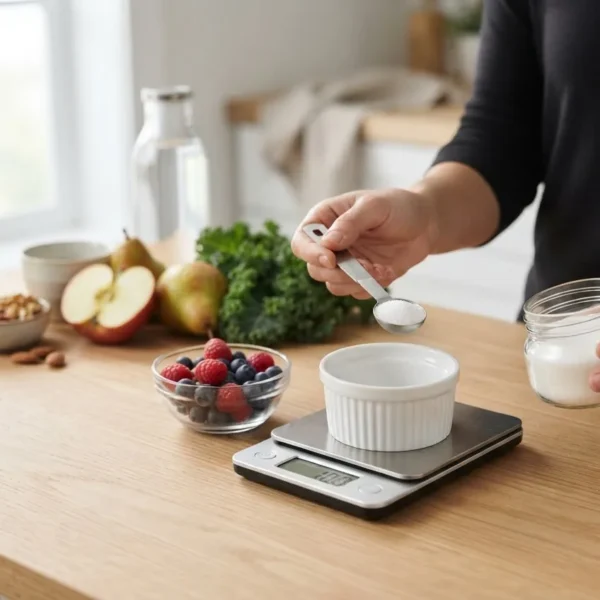
- A simple food scale or measuring cups (optional but recommended)
- One notepad or phone note for tracking meals and a weekly calendar
- Budget: plan $35–60 for first-week groceries if cooking most meals
Follow the numbered steps below to build and test a student-friendly, Texas-aware nutrition routine — the core steps are practical and time-stamped so you can act immediately.
- Assess baseline needs. Measure current routine and goals (energy, grades, weight maintenance). Record 3 typical days of food, sleep, and study hours.
- Learn the nutrient basics. Read the “Understanding the Nutritional Needs of Students” section below; list 3 macronutrient targets for your typical day.
- Build week-one menu. Create three breakfasts, three lunches, and three dinners plus five snacks that rotate. Use the “Easy and Nutritious Meal and Snack Ideas for Students” section for recipes.
- Shop and prep in one 1.5–3 hour session. Use the Practical Tips and Texas local produce tips; batch-cook grains and proteins, chop produce, portion into containers.
- Run a 7-day test and track outcomes. Track energy, concentration and hunger ratings each day; adjust portions or snack timing after day 3.
- Refine and sustain. Apply habit-building steps from “Developing Sustainable Healthy Eating Habits as a Student” and plan monthly shopping days.
Understanding the Nutritional Needs of Students
Students have higher day-to-day cognitive demands and irregular schedules; meeting those demands means prioritizing balanced intake of macronutrients (carbohydrates, proteins, fats) and essential micronutrients (vitamins and minerals) while controlling overall calories to match activity. Below is a short stat block and practical targets.
| Metric | Student target (typical 18–24 yr) | Why it matters |
|---|---|---|
| Daily calories | 1,800–2,800 kcal (sex, size, activity dependent) | Energy for studying, labs, and campus transit |
| Protein | 1.0–1.2 g/kg body weight (roughly 60–90 g/day) | Supports muscle repair and neurotransmitter production |
| Carbohydrate | 45–55% of calories; 130+ g/day minimum | Primary fuel for brain function and concentration |
| Healthy fats | 20–35% of calories; include omega-3s 250–500 mg/day | Cell membrane integrity and cognitive health |
Micronutrients students commonly miss: iron, vitamin D, B12, folate, magnesium, and zinc — all linked to energy, mood and learning. According to a 2023 CDC report on adolescent nutrition, deficiencies in iron and vitamin D are notable among U.S. teens and young adults (government data, 2023). For guideline context, see the USDA dietary guidelines and the CDC nutrition resources.
How to translate this into a student plan (practical targets you can use now):
- Calculate calories: Use your weight (kg) × 24 for light activity, × 30 for moderate; e.g., a 70 kg moderately active student ≈ 2,100 kcal/day.
- Set protein: 1.0–1.2 g/kg → 70–84 g/day for that 70 kg student. Aim to split across meals: ~20–30 g per main meal.
- Carb distribution: Prioritize complex carbs at breakfast and lunch (oats, brown rice, whole-wheat bread) to stabilize blood sugar and sustain afternoon focus.
- Include fats: Add two servings weekly of omega-3 rich foods (fatty fish, flaxseed, walnuts) and daily sources of unsaturated fats (avocado, olive oil, nuts).
- Micronutrient checklist: 400 IU vitamin D from sun and fortified foods; iron from lean meats and beans; B12 from dairy/meat or fortified alternatives; magnesium from leafy greens and nuts.
Research context and methodology note: cognitive nutrition studies vary — some randomized controlled trials test nutrient supplementation; others use observational cohorts measuring dietary patterns and academic outcomes. For pediatric-focused guidance, consult the American Academy of Pediatrics nutrition recommendations.
For more statistical context see our internal dietary factors and stats guide for graphs and student-specific prevalence rates.
Transition: now that you understand core needs, let’s tackle the everyday barriers students face and practical ways to overcome them.
Common Eating Challenges Faced by Students and How to Overcome Them
- Busy schedules and missed meals. Problem: classes, labs, and jobs fragment time. Solution: prep two portable breakfasts (overnight oats and a yogurt + fruit pack) and carry a snack pack with nuts and whole-grain crackers. Schedule eating blocks on your calendar — 10–15 minute alarms prevent fasting that drains energy.
- Meal skipping due to weight concerns. Problem: skipping backfires, leading to overeating. Solution: aim for 3 meals + 2 structured snacks; each meal should include 20–30 g protein. If anxiety about weight exists, consult a campus dietitian or healthcare provider.
- Fast food reliance and limited cooking time. Problem: quick, calorie-dense options dominate. Solution: build a grocery list prioritizing quick-cook proteins (canned tuna, rotisserie chicken) and ready veggies; make one-pan meals in 20–25 minutes. Contrast with extreme patterns in eating culture by reading our competitive eating insights to recognize unhealthy norms.
- Food affordability and access. Problem: limited budget and transport. Solution: identify campus food pantries, buy in-season Texas produce, and make dry-basis staples (rice, beans) a foundation. See the “Practical Tips for Healthy Eating on a Student Budget in Texas” section for a full shopping strategy.
- Emotional and stress eating during exams. Problem: study stress triggers high-sugar and high-fat comfort foods. Solution: plan stress-proof snacks (fruit + nut butter, popcorn), practice two-minute breathing before snacking, and replace late-night sugary snacks with herbal tea and a protein-rich option like cottage cheese.
- Portion confusion and overeating. Problem: large portions in dining halls. Solution: use visual portion cues — a clenched fist ~1 cup carbs, palm ~3–4 oz protein, thumb ~1 tbsp fat. Keep a small plate policy for buffet-style dining.
- Hydration lapses. Problem: caffeine replaces water. Solution: carry a 750 ml water bottle and aim to refill twice daily (1.5 L), adjusting for heat and activity. Add slices of lemon or cucumber to encourage sipping.
- Limited cooking skills. Problem: reluctance to cook leads to processed choices. Solution: master five 20–30 minute recipes (stir-fry, sheet-pan chicken + veggies, grain bowls, simple omelets, and bean chili). Practice one a week and repeat variations.
- Poor sleep and irregular eating times. Problem: sleep debt disrupts appetite hormones. Solution: prioritize 7–9 hours when possible; align carbohydrate intake earlier in the day to avoid late-night blood sugar swings and improve sleep onset.
- Lack of cultural food accessibility. Problem: campus options may not reflect Texan or Mexican cuisines. Solution: incorporate Texas-local produce and recipes: pinto beans, corn, nopales if available, and make simple, culturally familiar dishes at home.
For a clear comparison between wholesome choices and common campus traps see our healthy vs unhealthy food choices.
Transition: these solutions feed directly into building an actionable plan — read on to structure a resilient, balanced diet.
Building a Good Diet for Students: Key Components for a Healthy Eating Plan
This section walks you through how to construct a good diet for students in concrete, repeatable steps. Work through the sequence below and produce a sample daily menu by the end of the step-list.
- Set macronutrient targets for your day. Example target for a 2,100 kcal student: Carbs 50% (~260 g), Protein 20% (~105 g or ~1.5 g/kg if active), Fat 30% (~70 g).
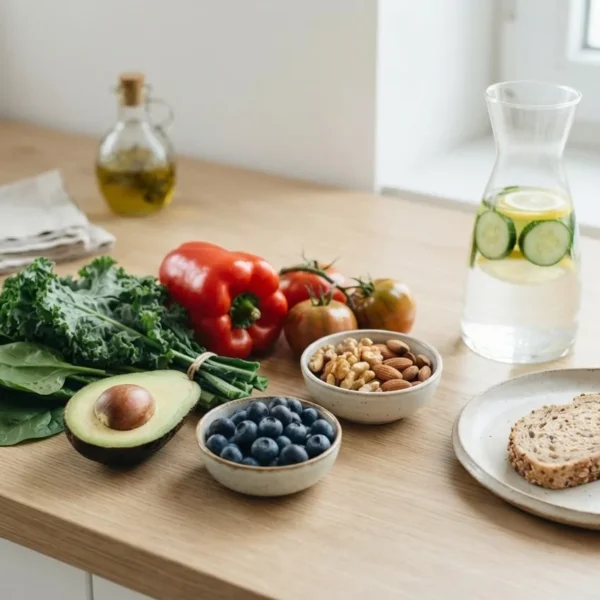
- Plan plate composition at each main meal. Aim for: 1/2 non-starchy vegetables, 1/4 whole grains/starchy veg, 1/4 lean protein, plus a small healthy fat. Example breakfast: 1 cup oats (carb), 2 eggs (protein), 1/2 avocado (fat), mixed berries (vegetables/fruits).
- Design 2–3 quick daily snacks. Example snacks: Greek yogurt + 1 tbsp chia seeds; apple + 2 tbsp peanut butter; hummus + carrot sticks.
- Practice portion control using simple measures. Use your hand: palm = protein (3–4 oz), cupped hand = carbs (1 cup), fist = veggies (1 cup), thumb = fats (1 tbsp). Example dinner: 4 oz grilled chicken, 1 cup brown rice, 1.5 cups mixed veggies, 1 tbsp olive oil.
- Include brain-supporting foods daily. Add one serving of fatty fish weekly, 1–2 servings of nuts/seeds daily, and leafy greens daily for folate and magnesium.
- Micronutrient checklist each week. Track servings: 4+ fruit servings, 5+ vegetable servings, 3 dairy/fortified alternatives, 2+ legume/bean servings, 2 fish/seafood servings.
- Meal prepping routine (30–90 minute session). Batch-cook 2 cups dry rice (yields ~6 cups cooked), roast 1–2 trays of mixed vegetables (30–40 minutes at 425°F / 220°C), grill or bake 3–4 portions of lean protein (chicken breast, tofu) for 12–15 minutes per side or until 165°F internal temp (for chicken).
- Adapt for dietary preferences. Vegetarian swap: replace each 3–4 oz meat serving with 1 cup cooked legumes + 2 tbsp nuts or seeds. Vegan swap: ensure B12-fortified foods or supplement after consulting a provider.
For foundational principles and extended meal structure see our pillar on healthy diet habits.
To explore weekly templates that align with these components, check the balanced nutrition guide for sample weeks and prep lists.
Transition: now apply these principles in a Texas context — shopping smart and using local foods to stretch budgets and flavor.
Practical Tips for Healthy Eating on a Student Budget in Texas
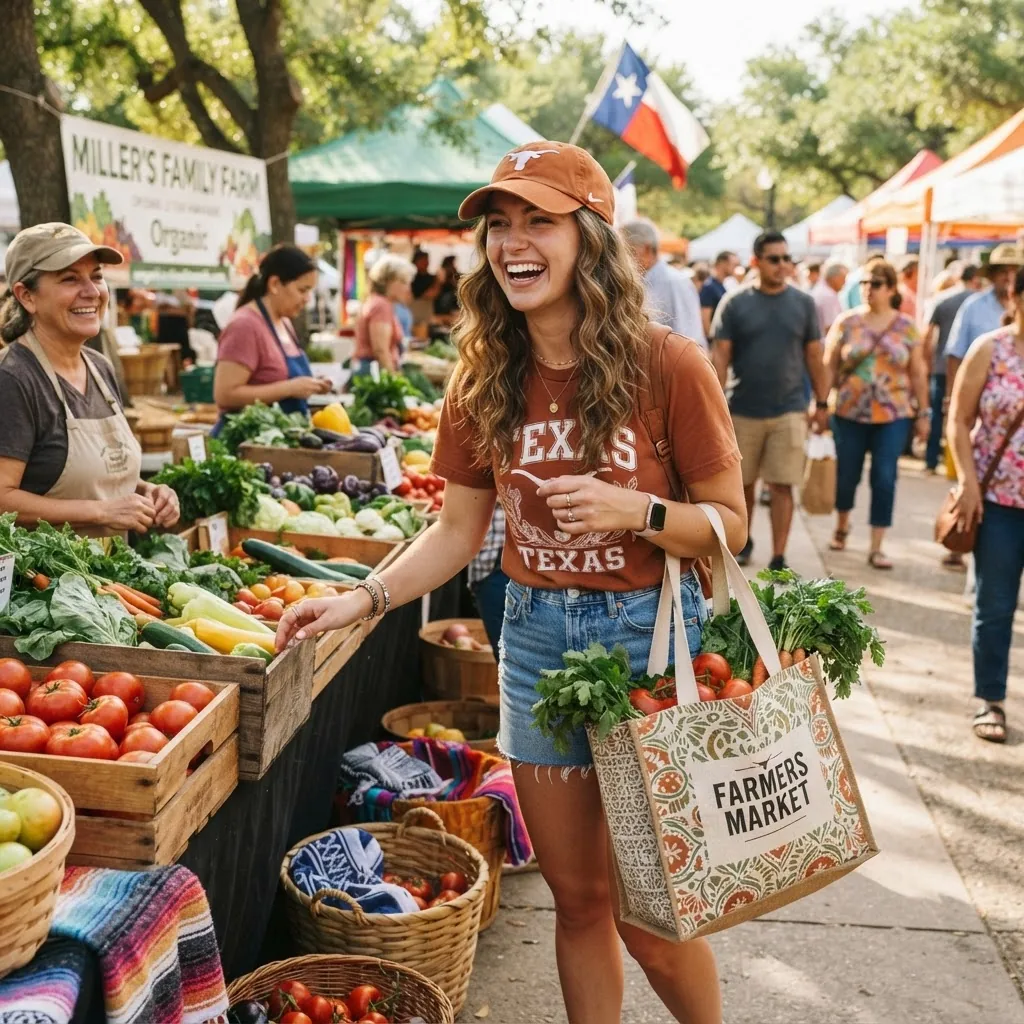
Texas students can take advantage of strong local produce seasons and affordable staples. Below are specific, actionable tips with quantities and budgeting tricks.
- Shop seasonally and locally. Buy corn, tomatoes, watermelon, peaches, and squash in season. Example: buy a 3–4 lb box of local peaches for $6–8 (price varies by market) and freeze sliced for smoothies.
- Use farmer’s markets strategically. Buy in bulk near closing time for discounts. Aim to spend one market shopping trip ($10–20) on fresh produce that will be used across 4–6 meals.
- Buy shelf-stable staples in bulk. Rice, dried beans, lentils, canned tomatoes, and oats — aim for 5–10 lb rice bags if storage allows. A 5 lb bag of brown rice (~11 cups dry) yields 33 cups cooked and costs roughly $6–12 depending on brand.
- Cook with cost-effective proteins. Use eggs (dozen for $2–3), canned tuna or salmon (2–3 cans/week), and dried lentils (2–3 cups dry yield ~6 cups cooked) to provide protein under $10/week.
- Meal frequency and portioning. Portion cooked grains at 3/4 cup cooked per serving for lunches and 1 cup for dinners; a 2-cup dry rice batch will provide 8–10 servings. Label containers with date and contents.
- Use community resources. Locate campus food pantries and SNAP outreach programs; many Texas universities provide free nutrition counseling or emergency meal cards.
- Batch-prep time budgeting. One 90-minute session can produce: 8 cups cooked rice, 4 roasted chicken breasts, 8 packed salads (greens last 3–4 days with dressing separate), and 10 snack packs (nuts + dried fruit).
- Make traditional Texas and Mexican flavors work for you. Prepare pinto beans (1 cup dry = 6 cups cooked) with cumin and a squeeze of lime; use corn and avocados to make quick salads that last 2–3 days refrigerated.
- Affordable satiety foods. Prioritize high-fiber legumes and oats; for example, 1/2 cup dry oats (~150 kcal) plus milk or yogurt is a filling breakfast under $1 per serving.
- Stretch leftovers smartly. Roast extra vegetables and fold into omelets or grain bowls to avoid waste; freeze 1–2 portions each week for emergency late-night study meals.
For culturally familiar recipes and tips check our comida saludable guide.
To curb hunger between classes affordably, read our guide on foods that promote satiety.
Transition: good food decisions translate to sharper thinking — the next section explains the science behind that link.
How Healthy Eating Improves Academic Performance and Energy Levels
Nutrition influences concentration, memory, and mood. Think of fueling your brain like tuning an engine: stable blood sugar, adequate micronutrients, and hydration all improve performance. Several studies and guidelines support this link.
Key mechanisms:
- Blood sugar stability from complex carbohydrates prevents attention lapses mid-afternoon.
- Protein supplies amino acids for neurotransmitter synthesis (e.g., tyrosine → dopamine) that support motivation and focus.
- Omega-3 fatty acids support synaptic function and may aid memory processes.
- Iron and B vitamins are central to energy metabolism; deficiencies correlate with fatigue and reduced cognitive scores.
Evidence examples: a randomized trial showing improved attention after breakfast consumption used cognitive testing pre- and post-meal (peer-reviewed adult/child studies, mixed methodologies). According to a 2022 peer-reviewed meta-analysis on diet and cognition, Mediterranean-style patterns were associated with better academic-related cognitive outcomes (peer-reviewed study, 2022). For guidance connecting diet with youth health, see the CDC and pediatric recommendations from the AAP.
For combined effects of diet and movement on cognition and mood, review our health diet and exercise guide.
Practical timings and thresholds: aim to eat breakfast within 60–90 minutes of waking and have a balanced snack or meal every 3.5–4.5 hours to maintain blood glucose. Hydrate to achieve roughly 1.5–2 L/day baseline (increase in heat or after exercise).
Transition: below are quick, testable meal and snack ideas you can use this week.
Easy and Nutritious Meal and Snack Ideas for Students
Use these ready-to-implement meals and snacks. Each entry lists approx. prep time, ingredients with quantities, and why it works for student schedules.
- Overnight oats bowl — Prep time: 5 minutes night before. Ingredients: 1/2 cup rolled oats, 3/4 cup milk or milk alternative, 1 tbsp chia seeds, 1/2 cup berries, 1 tbsp peanut butter. Why: balanced carbs + protein, ready for grab-and-go.
- Egg and veggie scramble — Prep time: 10 minutes. Ingredients: 2 eggs + 1 egg white, 1 cup spinach, 1/2 cup cherry tomatoes, 1 tsp olive oil. Serve with 1 slice whole wheat toast. Why: protein-rich, quick, supports morning cognition.
- Grain bowl with black beans — Prep time: 20 minutes. Ingredients: 1 cup cooked brown rice, 1/2 cup cooked black beans, 1/2 avocado, cilantro, lime, 1 cup roasted peppers. Why: fiber + protein for long satiety.
- Sheet-pan fajita dinner — Prep time: 10 minutes prep, 25 minutes roast. Ingredients: 2 chicken breasts (8 oz total), 2 bell peppers, 1 onion, 2 tsp olive oil, fajita seasoning. Serve with corn tortillas (2). Why: makes 3–4 portions and fits Tex-Mex tastes.
- Simple tuna salad jars — Prep time: 10 minutes. Ingredients: 1 can tuna, 2 tbsp plain yogurt, diced celery, lemon, 2 cups mixed greens at serving. Pack in jars for bridge meals.
- Yogurt + granola snack packs — Prep time: 3 minutes. Ingredients: 3/4 cup Greek yogurt, 1/4 cup granola, 1 tbsp flaxseed. Portion into single-serve containers.
- Peanut butter banana sandwich — Prep time: 5 minutes. Ingredients: 2 slices whole grain bread, 2 tbsp peanut butter, 1 banana. Why: portable, carb-protein-fat balance for post-class energy.
- Bean and barley soup (make-ahead) — Prep time: 15 min prep, 40 min simmer. Makes 6 servings. Why: nutrient-dense, budget-friendly and reheats well for chilly Texas evenings.
- Snack box — Prep time: 5 minutes. Ingredients per box: 1 hard-boiled egg, 10 almonds, 1 clementine, 4 whole-grain crackers. Why: balanced mini-meal to prevent bingeing.
-
Veggie-loaded quesadilla — Prep time: 10 minutes. Ingredients: 2 whole-wheat tortillas, 1/2 cup black beans, 1/2 cup shredded cheese, 1/2 cup salsa, spinach. Cook 2–3 minutes per side.
For structured portion systems that help with meal balance, explore the 21 Day Fix Meal Plan.
If you prefer whole-food weekly templates, see our clean eating meal plan.
Transition: once you have meals and snacks in rotation, focus on making the behavior sustainable through habit work and mindful choices.
Developing Sustainable Healthy Eating Habits as a Student
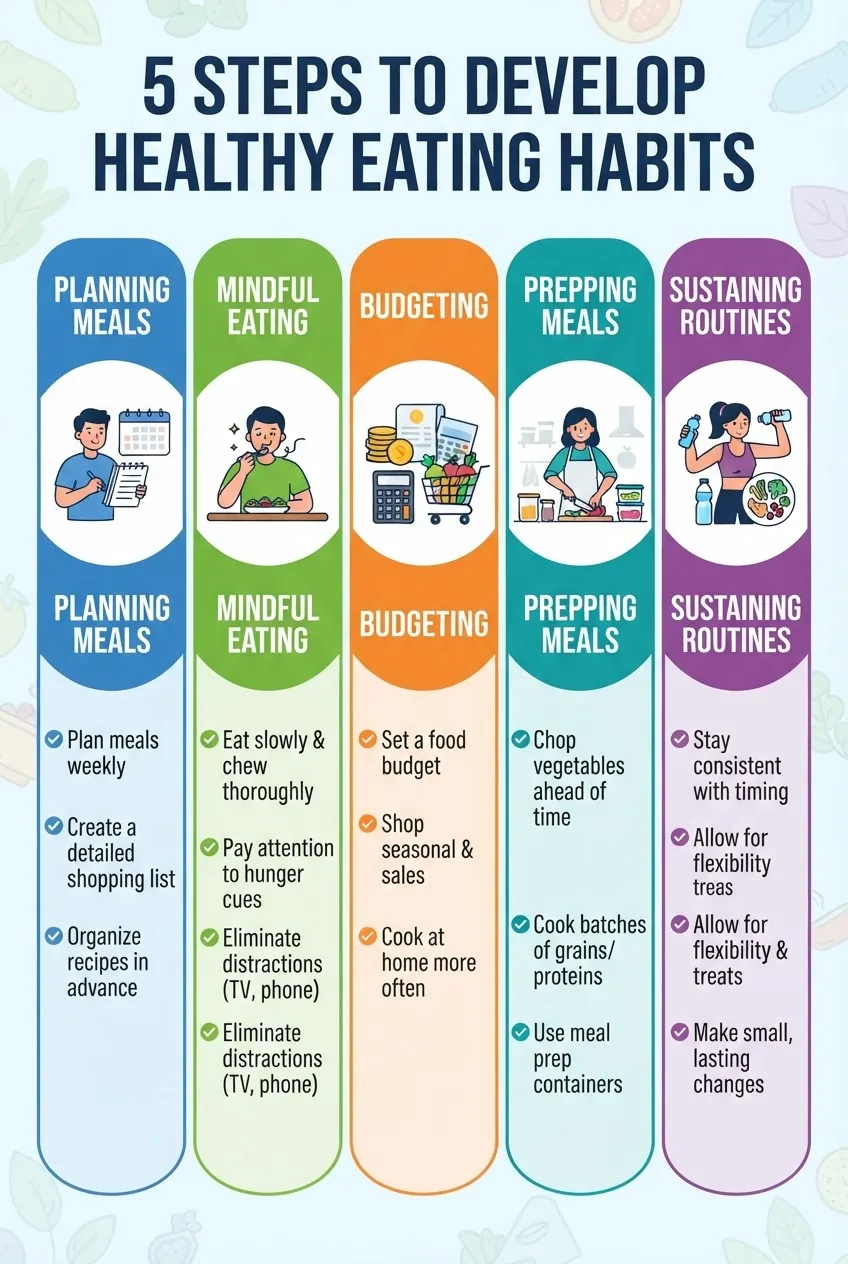
This section gives a step-by-step routine to convert single-week success into semester-long habits that stick.
- Plan weekly and block time. Every Sunday, spend 30–60 minutes planning meals and shopping. Write three dinner options, two breakfasts, and five snacks. Put two prep slots on your calendar: one 90-minute cook session and one 20-minute refresh midweek.
- Practice mindful eating. Eat without screens for at least one meal per day; chew slowly for 15–20 chews per bite. Use hunger/fullness ratings 1–10 to avoid emotional over-snacking.
- Budget and track. Track grocery spend for 4 weeks. If over $70/week, identify three swaps to reduce cost (use beans for protein, swap almond milk for regular milk, buy frozen produce).
- Make small, consistent changes. Aim to add one vegetable serving per day for 14 days; after two weeks, add a fiber-rich breakfast. These micro-goals build momentum and avoid overwhelm.
- Use social accountability. Share meal-prep photos with a friend or student group weekly; swap recipes to reduce boredom.
- Track progress and adjust. After a 7-day test, review energy, mood, study focus, and weight if relevant. Adjust portion sizes by ±10–15% based on hunger and performance metrics.
For long-term guidance on maintaining choices, see our consuming healthy food guide.
If you want to optimize meal timing for sleep and recovery, read the research-based best time to eat dinner.
Transition: solid habits plus good recipes equal consistent gains — the checklist below helps you verify progress.
Common mistakes and how to avoid them (from my experience)
I once recommended a 60-minute cook session to a student who then never cooked — the mistake was too large a time investment. Now I recommend 30–45 minute sessions with three repeatable recipes. I’ve also observed students buying expensive “health” snacks that don’t provide satiety — I advise swapping one branded snack for a homemade nuts-and-fruit pack to save money and reduce hunger.
Another frequent error: strict all-or-nothing plans. I’ve seen students abandon a plan after one missed meal. My approach: build a 7-day “90% consistent” plan with two permitted flexible meals per week to preserve long-term adherence.
Checklist — verify your work
- Calculated daily calorie and protein targets for your body and activity
- Planned three breakfasts, three lunches/dinners, and five snacks
- Completed a 90-minute batch-cook session or two 45-minute sessions
- Carried a water bottle and met at least 1.5 L baseline hydration for 4 days
- Tracked energy and focus during a 7-day test and adjusted portions
- Saved one week’s grocery receipts and confirmed spend is within your monthly food budget
When to call in a professional
Seek a registered dietitian or primary care provider if you have medical conditions (diabetes, eating disorder, pregnancy), persistent fatigue despite dietary changes, significant weight change (>5% body weight in one month), or when considering supplements beyond standard multivitamins.
Before wrapping up: a short Texas student case study to show how this all fits together in real life.
Texas student case study
A sophomore at a large Texas university used the steps above during finals week. She spent 2 hours meal-prepping two grain bowls, eight snack packs, and hard-boiled eggs. She reported after 7 days: steady energy, fewer afternoon crashes, and improved test focus. She also saved roughly $25 on food that week by using farmer’s market peaches and bulk rice (personal student report, 2024).
Final transition into takeaway points below.
Conclusion
Students who apply these practical steps will have a repeatable, budget-conscious plan that improves daily energy, supports learning, and fits Texas food culture. Start with a one-week test: plan, prep, track, and adjust. If uncertain about micronutrients, consult a registered dietitian or campus health services. Ready to begin? Pick one breakfast and one dinner above and schedule a 90-minute prep slot this weekend — small, concrete actions create lasting change.