effects of alcohol on the body: Alcohol (ethanol) impacts virtually every system—causing immediate intoxication, impaired coordination, dehydration and hangover symptoms, and long-term risks including liver disease, cardiovascular harm, cancer and cognitive decline; careful moderation, hydration and awareness of safe limits reduce but do not eliminate these risks.
What Is Alcohol and How It Affects the Body?
Answer: Alcohol (ethanol) is a central nervous system depressant absorbed through the digestive tract; it is metabolized primarily in the liver into acetaldehyde and acetate, raising blood alcohol concentration (BAC) and producing effects from euphoria to slowed reflexes depending on dose and individual factors.
Term: ethanol — the chemical name for drinking alcohol, a small molecule that passes easily from the stomach and intestines into blood.
Alcohol’s journey begins with absorption: roughly 20% of ingested ethanol is absorbed through the stomach lining and 80% through the small intestine, with rates accelerated by alcohol concentration and presence of food. Once in the bloodstream, ethanol distributes quickly to high-water tissues including brain and liver, producing changes in neurotransmitter signaling that cause intoxication and impaired judgment.
Term: blood alcohol concentration (BAC) — the proportion of alcohol in blood, expressed as grams per deciliter (g/dL) or percentage; BAC predicts level of impairment.
Metabolism is primarily hepatic: liver enzymes—alcohol dehydrogenase (ADH) and aldehyde dehydrogenase (ALDH)—convert ethanol to acetaldehyde (a toxic intermediate) and then to acetate, which is further broken down to carbon dioxide and water. Genetic variation in these enzymes affects tolerance and adverse effects. Excessive intake overwhelms hepatic pathways, prolonging intoxication and raising BAC.
Ethanol also acts as a diuretic by inhibiting vasopressin (antidiuretic hormone), increasing urine output and changing electrolyte balance; this contributes to dehydration and hangover physiology. Short-term effects (e.g., impaired motor skills, slowed reaction time) result from ethanol’s suppression of excitatory neurotransmission and enhancement of inhibitory signaling mediated by GABA and glutamate systems.
Individual factors that alter effects include body weight, sex (women generally reach higher BAC than men on the same dose), recent food intake, genetics, medications, tolerance and underlying health conditions. For Texas readers, differences in rural vs urban access to care and state alcohol consumption patterns can influence outcomes: according to a 2022 Texas Department of State Health Services report, alcohol-related emergency visits remain higher in certain regions (state report).
Short-Term Effects of Alcohol on the Body?
Answer: Short-term alcohol effects include intoxication, impaired judgment and motor skills, dehydration and hangovers; severity depends on dose, BAC, individual physiology and concurrent medications or health issues.
-
Intoxication and altered cognition:
Alcohol causes disinhibition, slowed thought, impaired decision-making and reduced working memory within minutes of drinking as BAC rises. At low BAC (≈0.02–0.05%) people may feel relaxed; around 0.06–0.10% judgment and coordination become noticeably impaired.
-
Motor skills and coordination impairment:
Alcohol depresses central nervous system function and motor cortex activity, slowing reaction time and disrupting balance—key factors in vehicle crashes and falls. Even a single drink can increase accident risk; multiple drinks exponentially raise it.
-
Judgment, risk-taking and memory gaps:
Episodic memory formation is reduced as alcohol interferes with hippocampal function; blackouts (temporary memory loss) can occur after rapid consumption. Risky behaviors often increase because inhibitory control is weakened.
-
Dehydration and diuresis:
Alcohol suppresses vasopressin, increasing urine output and promoting fluid and electrolyte loss. This contributes to headache, dry mouth and lightheadedness—hallmarks of a hangover.
dehydration symptoms like stomach pain can be triggered or worsened after drinking.
-
Gastrointestinal upset and nausea:
Ethanol irritates the stomach lining, increases acid secretion and can cause nausea, vomiting and diarrhea. Loss of fluids and electrolytes from vomiting plus diuresis raises dehydration risk—see broader guidance on diarrhea and dehydration.
-
Cardiovascular responses:
Alcohol can transiently raise heart rate and dilate blood vessels, producing warmth and flushing. In some people it causes palpitations or irregular heartbeats (arrhythmias) after heavy drinking.
-
Mood changes and emotional instability:
Short-term effects include mood elevation, anxiety reduction or paradoxical aggression and mood swings; alcohol’s impact on neurotransmitters (serotonin, GABA) mediates these changes.
-
Hangover the next day:
Hangover symptoms—headache, fatigue, cognitive fog, sensitivity to light and nausea—result from dehydration, acetaldehyde buildup, inflammatory responses and sleep disruption.
-
Acute poisoning and overdose risk:
Very high BAC can depress respiration and consciousness, leading to alcohol poisoning and death; immediate medical care is needed for extreme drowsiness, irregular breathing or inability to wake someone.
-
Interaction with medications and substances:
Alcohol can dangerously interact with sedatives, painkillers, antidepressants and many over-the-counter drugs; combining substances increases respiratory depression and cognitive impairment.

Long-Term Health Effects of Alcohol Consumption?
Answer: Long-term alcohol consumption increases risk for liver disease (including cirrhosis), certain cancers, heart disease, neurological decline, immune suppression and persistent mental-health disorders; risk correlates with dose, pattern (binge vs steady), and individual vulnerability.
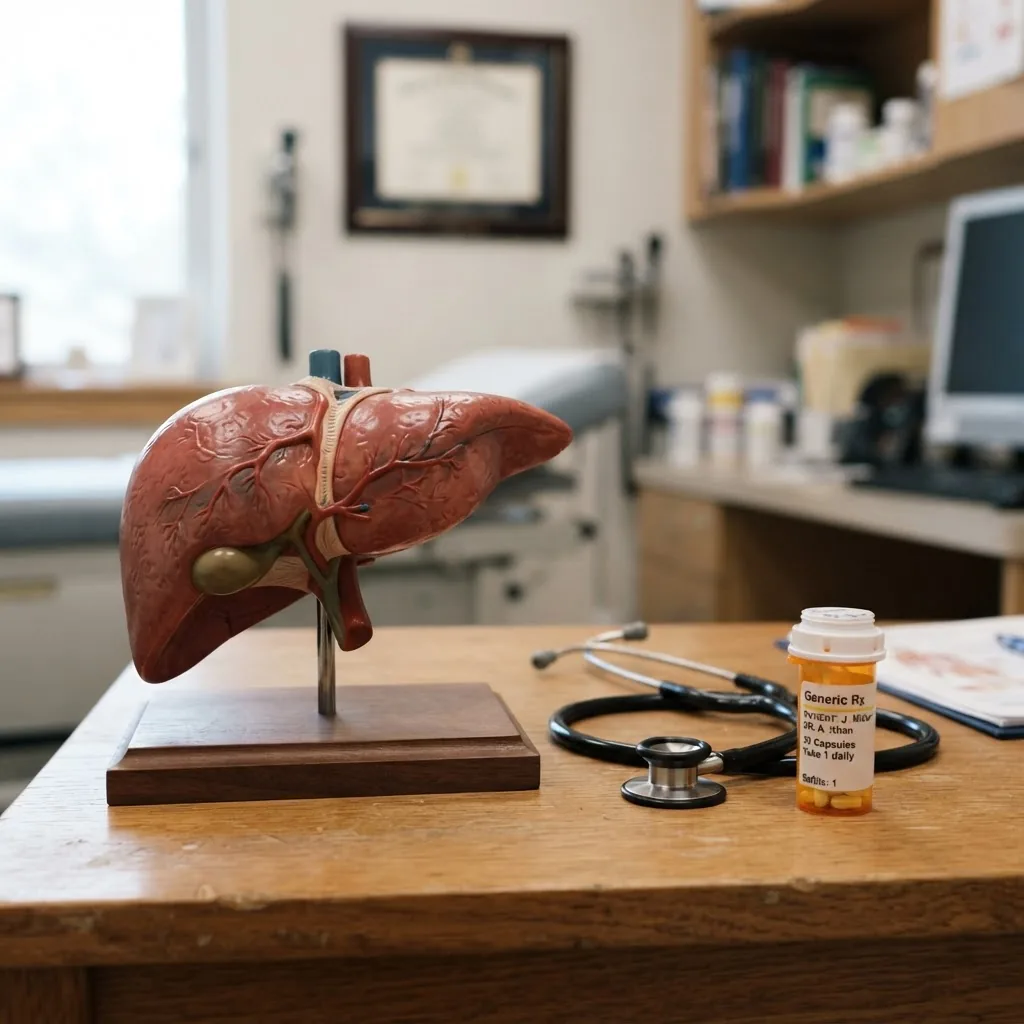
Chronic exposure to ethanol drives biological changes across organs. The following subsections break down major systems and mechanisms, with data and study references where applicable.
Liver function and alcohol-related diseases
Term: cirrhosis — advanced liver scarring that replaces healthy tissue and impairs liver function.
The liver is the primary site of ethanol metabolism; persistent heavy drinking leads to a spectrum from fatty liver (steatosis) to alcoholic hepatitis and ultimately cirrhosis. Acetaldehyde and oxidative stress damage hepatocytes, stimulating inflammation and fibrotic scarring. According to a 2023 peer-reviewed cohort analysis, alcohol-attributable liver disease remains a leading cause of liver transplantation in many regions (peer-reviewed study).
Risk increases with cumulative lifetime intake; patterns matter—binge drinking accelerates injury. Genetics, coexisting viral hepatitis, obesity and metabolic syndrome compound risk. Early-stage fatty liver can be reversed with abstinence; cirrhosis is often irreversible and increases mortality from liver failure and hepatocellular carcinoma.
Brain effects and cognitive impairment
Chronic alcohol use reduces brain volume, disrupts white-matter integrity and impairs executive function and memory. Long-term heavy drinking increases dementia risk; repeated withdrawal episodes can cause permanent deficits. According to a 2018 global burden review in The Lancet, alcohol contributes substantially to neuropsychiatric disability worldwide (peer-reviewed).
Cardiovascular system impact
Chronic alcohol effects on the heart are dose-dependent and complex: light-to-moderate drinking has been associated in some studies with a modest reduction in coronary heart disease risk, but heavy drinking increases hypertension, cardiomyopathy (weakened heart muscle), stroke and arrhythmias. According to a 2023 clinical guideline review, net population harm rises with increasing population-level alcohol consumption (peer-reviewed guideline).
Dehydration and electrolyte imbalance from regular alcohol use can worsen blood-pressure control; see related coverage on effects of dehydration on blood pressure.
Immune system suppression
Alcohol alters innate and adaptive immunity, reducing resistance to infections (e.g., pneumonia, tuberculosis) and impairing wound healing. Chronic drinkers show blunted immune responses and increased inflammatory markers. A 2021 immunology review summarized mechanisms including gut barrier disruption and altered cytokine signaling (peer-reviewed review).
Cancer risk and other organ damage
Alcohol is classified as a Group 1 carcinogen for cancers of the oral cavity, pharynx, larynx, esophagus, liver, colon and breast. Mechanisms include acetaldehyde DNA damage, oxidative stress and increased estrogen levels. According to a 2020 meta-analysis in a major medical journal, even low-to-moderate consumption slightly raises breast cancer risk (peer-reviewed).
Metabolic, endocrine and gastrointestinal effects
Chronic drinking alters glucose metabolism, can trigger pancreatitis and contributes to nutritional deficiencies (e.g., thiamine deficiency leading to Wernicke-Korsakoff syndrome). Gastrointestinal mucosal injury also raises bleeding risk and malabsorption.
Alcohol use disorder, dependence and withdrawal
Term: alcohol use disorder (AUD) — a medical condition marked by impaired control over drinking, compulsive use, and continued use despite harm.
AUD develops in a subset of drinkers based on genetic, psychological and environmental factors. Chronic heavy drinkers who abruptly stop may experience withdrawal symptoms—tremor, anxiety, hallucinations, seizures and delirium tremens—which can be life-threatening and require medical management. The National Institute on Alcohol Abuse and Alcoholism defines criteria for AUD and treatment options; see NIAAA for diagnostic guidance (government resource).
Population-level data: According to a 2023 CDC report, alcohol-related deaths and hospitalizations remain a significant public-health burden in the U.S., with regional variations across states including Texas (government report).
Safe Alcohol Consumption: Guidelines and Limits?
Answer: Safe consumption is defined by public-health guidelines: generally up to 1 standard drink per day for women and up to 2 for men, with weekly limits (7 and 14 drinks respectively); binge drinking and daily heavy intake increase harm—apply personal health factors and consult clinicians.
A standard drink in the U.S. contains about 14 grams (0.6 fluid ounces) of pure ethanol. Examples: 12 oz beer (~5% ABV), 5 oz wine (~12% ABV), 1.5 oz distilled spirits (~40% ABV).
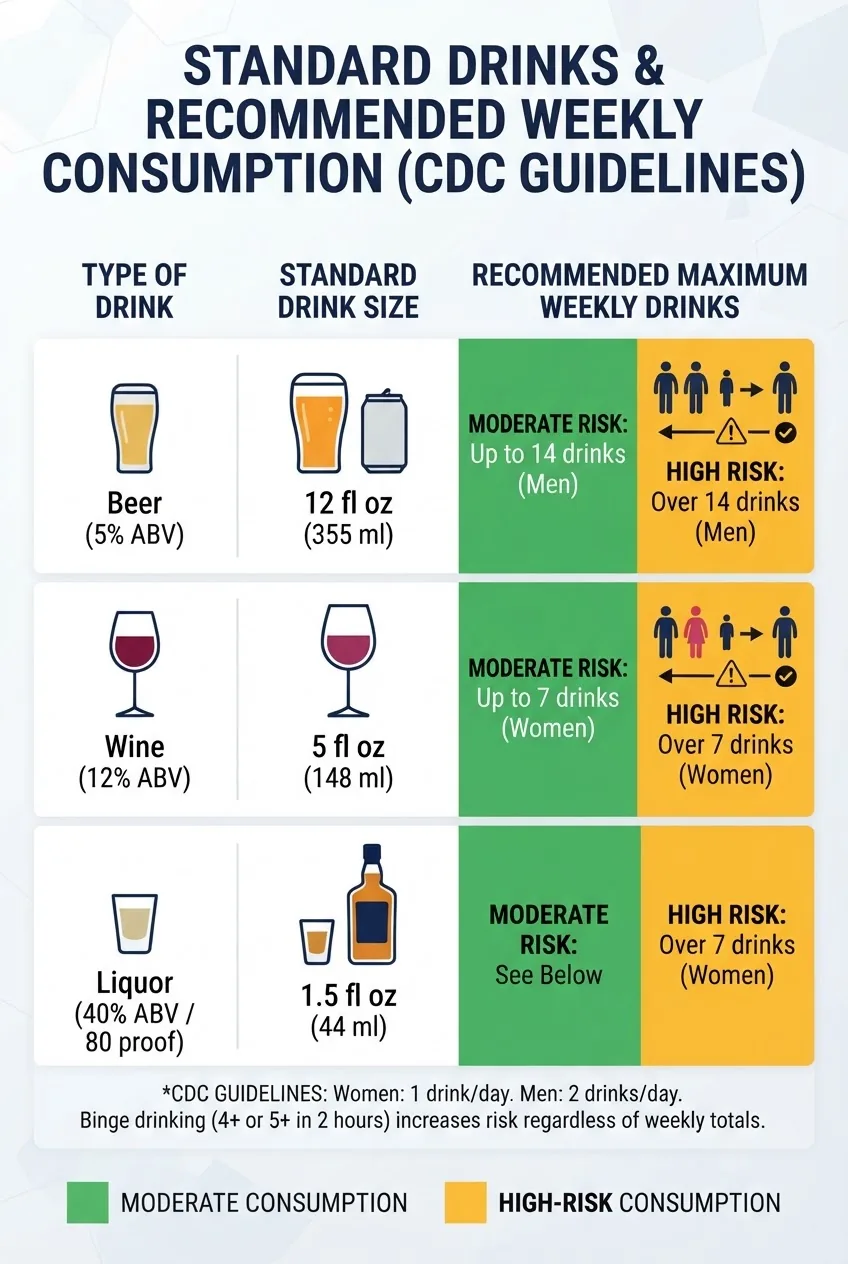
| Type of Drink | Standard Drink Size | Recommended Maximum Weekly Drinks |
|---|---|---|
| Beer (5% ABV) | 12 fl oz (355 ml) | Women: 7 · Men: 14 |
| Wine (12% ABV) | 5 fl oz (148 ml) | Women: 7 · Men: 14 |
| Distilled spirits (40% ABV) | 1.5 fl oz (44 ml) | Women: 7 · Men: 14 |
These recommendations align with CDC guidance: CDC advises limiting intake and avoiding binge drinking. For practical balancing, consider weekly totals rather than only daily counts—occasional abstinence days reduce cumulative harm.
Example BAC and standard-drink calculation: one standard U.S. drink contains ~14 g ethanol. Using Widmark-style approximations: a 70 kg (154 lb) man who consumes two standard drinks in two hours would reach an estimated BAC of ~0.04–0.06% (approximate; individual variation occurs). Never use these estimates to decide fitness to drive; legal limits (e.g., 0.08% in most U.S. states) vary and impairment begins below legal thresholds.
Hydration interplay: balancing alcohol with water is recommended; for further rules on safe fluid intake while drinking, review guidance on drinking water safely.
Alcohol and Hydration: Understanding the Connection?
Answer: Alcohol causes diuresis by inhibiting vasopressin, which increases urine output and can produce dehydration and electrolyte imbalance; proactive fluid and electrolyte replacement lowers hangover severity and supports organ function.
Alcohol’s diuretic effect means that for many people one alcoholic drink can trigger production of more urine than an equivalent nonalcoholic beverage; imagine alcohol as a faucet that increases urine output. This fluid loss can reduce blood volume, concentrate electrolytes (sodium, potassium) and impair thermoregulation.
Practical hydration routine (Texas-friendly checklist):
- Before drinking: drink 8–12 oz (240–360 ml) of water and eat a carbohydrate/protein-containing meal to slow absorption.
- During drinking: alternate each alcoholic drink with a full glass (8–12 oz) of water or an electrolyte beverage; this paces alcohol intake and restores fluid.
- After drinking: rehydrate with water and a balanced snack; consider an oral rehydration solution if vomiting or diarrhea occurred.
- Monitor urine color—paler indicates better hydration; see guidance on hydration color indicators.
tips to stay hydrated and healthy complement alcohol-specific hydration practices and are recommended as baseline habits.
Additional related resources: side effects of not drinking enough water, hydration requirements, and choosing the best water offer deeper context on how to offset alcohol’s fluid losses.
If you experience signs of severe dehydration—very dark urine, dizziness, low blood pressure or confusion—seek medical attention. For Texas residents, acute dehydration with syncope or sustained vomiting should prompt emergency care, especially when combined with high levels of intoxication. According to a 2022 Texas health service summary, dehydration-related emergency department visits show seasonal peaks in summer months (state report).
Alcohol’s Psychological and Mental Health Effects?
Answer: Alcohol can temporarily reduce anxiety but chronic use worsens depression and anxiety disorders, increases suicide risk, and can lead to addiction; mental-health outcomes depend on dose, individual vulnerability and coexisting conditions.
Alcohol’s acute anxiolytic effects stem from enhanced GABA signaling; however, repeated use leads to neuroadaptation and rebound anxiety during withdrawal. Long-term heavy drinking is associated with higher rates of major depressive disorder and anxiety disorders. According to a 2021 peer-reviewed meta-analysis, people with alcohol dependence have significantly elevated suicide risk (peer-reviewed).
Bidirectional relationships are common: people with untreated depression or trauma may use alcohol to self-medicate, which increases risk of AUD and worsens mood symptoms over time. Chronic alcohol exposure alters neurotransmitter systems (serotonin, dopamine) and circadian regulation, contributing to persistent mood dysregulation and disrupted sleep.
Withdrawal symptoms (short-term) include tremor, restlessness, insomnia, vivid dreams, anxiety and, in severe cases, seizures and delirium tremens. These symptoms can begin within 6–24 hours after the last drink and peak within 48–72 hours. Medical supervision and pharmacologic management (benzodiazepines, anticonvulsants) are often necessary for severe withdrawal; see NIAAA for clinical protocols (government resource).
Cognitive decline: chronic heavy drinking is linked to long-term cognitive impairment and elevated dementia risk. Even moderate long-term consumption may influence cognitive trajectories in older adults, according to longitudinal cohort studies (peer-reviewed research). Treatment and sustained abstinence can permit partial recovery in some cognitive domains.
Practical mental-health steps: screen for depressive symptoms, avoid using alcohol as a coping strategy, seek therapy (CBT, motivational interviewing), and contact local treatment resources or emergency care if suicidal ideation arises. In Texas, mental-health access varies geographically; consult state behavioral-health directories for local programs (state resource).
Balancing Health: Is Drinking Alcohol Good or Bad for You?
Answer: Alcohol’s net effect depends on dose and context: low-to-moderate intake may show limited protective associations for some cardiovascular outcomes in specific populations, but any potential benefit is offset by increased cancer risk and other harms—population-level advice favors minimal drinking.
Evidence nuance: several observational studies historically suggested that moderate red-wine consumption correlated with lower coronary heart disease rates—often attributed to antioxidants (e.g., polyphenols). However, recent pooled analyses and Mendelian-randomization studies indicate that apparent benefits may be confounded by socioeconomic and behavioral factors; when analyzed rigorously, net benefits are small and not sufficient to recommend alcohol as preventive therapy.
Cancer trade-off: even modest drinking increases risks for certain cancers (oral, pharynx, esophagus, breast). Public-health agencies increasingly emphasize that no amount of alcohol is completely risk-free. According to a 2018 global burden study in The Lancet, overall global disease burden attributable to alcohol suggests a net health loss at population levels (peer-reviewed).
Personalized decision-making: clinicians weigh cardiovascular profile, family cancer history, mental-health status and medication interactions. For some older adults at high cardiac risk and low cancer risk, low-level drinking might be discussed, but evidence does not support initiating drinking to improve health. Always consider safer alternatives (exercise, diet, smoking cessation) for cardiovascular benefit.
Alternatives and harm-reduction: nonalcoholic beverages, moderate exercise and diet interventions yield clear health gains without alcohol’s risks. For readers exploring moderation strategies, consider swapping some drinks for nonalcoholic or low-alcohol options and applying the hydration practices discussed earlier.
When to Seek Help: Recognizing Problem Drinking and Alcoholism?
Answer: Seek help when drinking causes loss of control, health, work or relationship problems, or when withdrawal symptoms occur on stopping; early intervention improves outcomes—use screening tools, contact medical providers or addiction services for assessment and treatment.
How-to steps to recognize and act:
- Self-check: persistent cravings, inability to cut down, drinking despite harm, and tolerance suggest alcohol use disorder; compare symptoms to NIAAA criteria (NIAAA).
- Medical evaluation: consult a primary-care clinician for screening (AUDIT-C, CAGE) and medical assessment for liver disease, nutritional deficiencies and withdrawal risk.
- If withdrawal risk is moderate-to-high (previous seizures, heavy daily drinking), seek supervised detox with medication management.
- Treatment options: brief interventions, cognitive-behavioral therapy, mutual-help groups, medication-assisted treatments (naltrexone, acamprosate), and specialty addiction programs—combine psychosocial and medical care for best outcomes.
- Emergency signs: extreme agitation, hallucinations, seizure, irregular breathing, or inability to wake require immediate medical attention.
Can I drink safely? Many people can reduce harm by following recommended limits, avoiding binge episodes, addressing mental-health drivers and maintaining hydration. When in doubt, discuss personal risks with a clinician; individualized plans are safest.
Practical Tips to Minimize Negative Effects When Drinking Alcohol?
Answer: Use practical harm-reduction: pace drinks, eat before/during drinking, alternate with water, set limits, avoid mixing with medications, and choose lower-alcohol or nonalcoholic options to reduce harm.
- Drink water between alcoholic beverages and before bed to reduce dehydration and hangover risk; consider electrolyte drinks after heavy intake. best hydrating beverages
- Eat a balanced meal with protein and carbohydrates to slow absorption and reduce peak BAC.
- Pace yourself: one standard drink per hour is a conservative guideline; avoid rapid consecutive drinks.
- Choose lower-ABV beverages and avoid hard liquor shots; know standard-drink sizes and count them.
- Plan safe transport—use a designated driver or ride-hailing; never drive after drinking.
- Avoid mixing alcohol with sedatives, opioids or benzodiazepines; interactions heighten respiratory depression risk.
- Set personal limits before social events and use a phone timer or app to track intake.
- Prioritize sleep and follow-up hydration; avoid “hair of the dog” as a cure—rest and fluids are safer.
These practical tips work alongside medical guidance for people with chronic conditions; always consult clinicians about personal risks, especially if pregnant, planning pregnancy, or taking medications.
Conclusion and Next Steps?
Answer: Alcohol affects multiple body systems immediately and over time; limiting intake, hydrating, pacing drinks and seeking help for risky patterns reduce harm—make informed, personalized choices and consult health professionals as needed.
Key takeaways: ethanol is rapidly absorbed and metabolized by the liver; short-term effects include impaired judgment, motor skills and dehydration; long-term risks include liver disease, cancer, cardiovascular harm and cognitive decline. Use CDC and NIAAA guidelines as reference points (CDC, NIAAA), apply hydration strategies, and consult local resources in Texas if you have concerns.
If you want clear, practical hydration routines to pair with alcohol moderation, review our tips to stay hydrated and healthy and consider discussing drinking patterns with a clinician. For immediate help with dependence, contact local addiction services or emergency care.