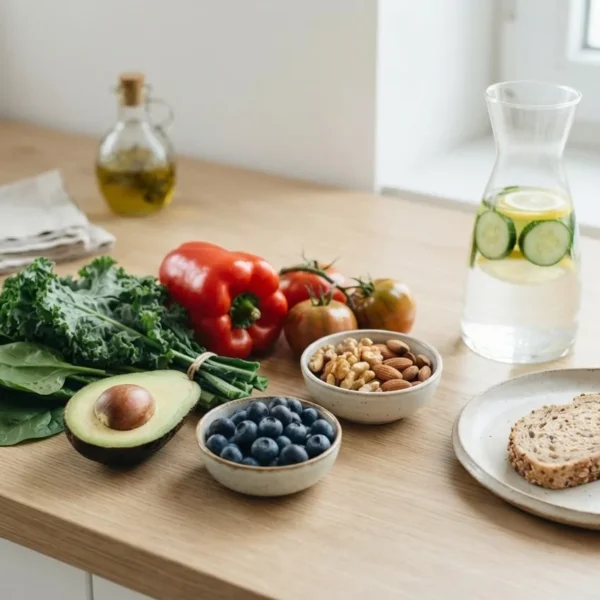

What you’ll achieve: By the end you’ll have a practical, day-by-day plan for how to boost hunger safely, realistic milestones for 1–4 weeks, and concrete meal and lifestyle steps you can implement at home. This guide assumes basic cooking skills and comfort with tracking simple habits.
Before you start, expect to spend 10–30 minutes daily for the first two weeks tracking sleep, meals and activity; many readers notice increased appetite within 3–10 days with consistent changes.
Before you start
- Notebook or habit-tracking app to record meals, sleep and hunger scores (0–10).
- Kitchen basics: measuring cups, food scale (optional), timer, and a basic grocery list template.
- Access to hydration (water bottle) and a simple exercise plan (walking or light resistance).
- Medical list: current medications, recent weight records, and contact info for your primary care clinician.
Understanding Hunger and Appetite
Hunger and appetite are related but distinct: hunger is the physiological drive to eat (signals from the stomach, blood glucose, and hormones), while appetite is the psychological desire to eat—flavored by environment, memories and emotions. Understanding both is the first hands-on step in learning how to boost hunger effectively.
Physiological hunger is mediated by hormones and neural circuits. The stomach sends mechanical stretch signals via the vagus nerve when empty; hormonal players include ghrelin (a hunger-stimulating hormone produced in the stomach) and peptide YY and leptin (satiety signals from the gut and adipose tissue). Ghrelin rises before meals and drops after eating; learning to align behaviors with ghrelin’s rhythm helps increase natural hunger over time.
Appetite hormones and diet interact with energy balance. Caloric needs—your basal metabolic rate plus activity—determine the energy your body signals for. For example, a sedentary adult aged 30–50 commonly needs 1,800–2,200 kcal/day depending on sex and size; raising activity or muscle mass increases that need and can raise natural hunger (see sample routine later).
The brain integrates hormone signals, sensory cues (smell, sight, memory), and context to decide “I want food.” Sensory stimulation—variety of flavors, appealing presentation, and routine—is often the easiest lever to pull when trying to make yourself hungry without forcing eating.
Dietary and environmental factors also affect appetite. Volume of low-calorie foods (e.g., large salads or watery soups) can blunt hunger by stretching the stomach for hours. Conversely, frequent small calorie-dense meals increase energy intake and can gradually up-regulate appetite. For actionable background data, see dietary factors affecting appetite.
Sleep, stress and hydration shape hunger hormones: short sleep alters ghrelin and leptin balance, increasing cravings for high-fat, high-sugar foods; chronic stress may raise cortisol and either suppress or stimulate appetite depending on the person. We’ll cover precise sleep and stress strategies in later sections.
Case example: a 45-year-old teacher reported low appetite after a mild COVID-19 infection. Baseline data: 1,350 kcal/day, 6 hours sleep, sedentary. Over four weeks she increased daily step count to 7,000, shifted to three structured meals and a bedtime routine, and saw appetite scores rise from 2/10 to 6/10 and regained 6 pounds. This demonstrates how predictable changes to routine and activity raise physiological hunger cues.
Transition: now that you grasp how appetite is regulated, the next section identifies common causes of low appetite so you can target the right levers.
Common Causes of Low Appetite
Low appetite can be temporary or chronic. Below are common causes—each one needs a different practical response.
- Acute illness or infection — Viral infections (e.g., influenza, COVID-19) often reduce appetite for days to weeks.
- Medications — Many medicines (antibiotics, SSRIs, chemotherapy agents) list appetite loss as a side effect.
- Digestive conditions — GERD, gastritis, IBS and delayed gastric emptying reduce hunger signals and make eating uncomfortable.
- Mental health — Depression and anxiety commonly suppress appetite; eating patterns change with mood shifts.
- Stress and elevated cortisol — For some people, high stress reduces appetite acutely; for others it increases cravings.
- Metabolic or endocrine disorders — Hyperthyroidism, uncontrolled diabetes, and adrenal insufficiency can affect appetite.
- Substance use — Alcohol, nicotine and other substances alter hunger signaling.
- Aging and reduced taste/smell — Older adults may experience lower appetite due to sensory decline or reduced activity.
- Poor oral health — Dental pain or difficulty chewing reduces desire to eat.
Each cause suggests a tailored approach: short-term illnesses usually require gentleness and high-flavor, easy-to-eat options; medication-driven loss may require clinician review; mental health causes need both behavioral and therapeutic support. Transition: with causes mapped, move to exactly what to do day-to-day.
How to Boost Hunger Naturally: Lifestyle Strategies
Below is the core procedural section—follow these steps intentionally over 2–4 weeks. Each step starts with a bold, action-first recommendation and includes target values or timings you can measure.

- Start with consistent meal times — schedule three main meals and two snacks within a 12–14 hour daily eating window. Aim for breakfast within 60–90 minutes of waking, lunch ~4–5 hours later, and dinner 4–5 hours after lunch. Routinely eating on this schedule helps ghrelin re-establish predictable pre-meal rises.
- Increase light-to-moderate daily activity — add 20–40 minutes/day of brisk walking or light resistance 4–6 days a week. Begin at 15 minutes on Day 1, increase 5 minutes every 2–3 days until you reach 30–40 minutes. Activity raises energy expenditure and hunger signals; track steps to reach 6,000–8,000 steps/day in week 1 and 8,000–10,000 by week 3. For more on exercise timing relative to meals, see diet and exercise impact on appetite.
- Optimize sleep duration and timing — target 7–9 hours nightly with a fixed wake time. Shift sleep earlier by 15 minutes every 3 nights if you currently sleep less than 7 hours. Improved sleep normalizes ghrelin and leptin within 7–14 days; track sleep and hunger scores each morning.
- Hydrate strategically — drink 250–300 ml (8–10 oz) of water upon waking and then sip to reach 1.5–2 liters/day. Avoid large volumes (>400 ml) immediately before meals; excessive pre-meal water can blunt hunger by increasing gastric volume. Use a 500 ml water bottle as a visual cue.
- Limit prolonged fasting windows — if you currently practice long fasts (>16 hours), shorten to 12–14 hours while rebuilding appetite. For many people who ask how to make yourself hungry, restoring daily eating frequency is the fastest lever.
- Use sensory stimulation — expose yourself to the sight and smell of food: cook aromatic herbs, warm foods, or briefly reheat leftovers 10–15 minutes before planned meals to trigger appetite cues. Smell-based stimulation can increase pre-meal ghrelin pulses in minutes.
- Prioritize small pre-meal activity — a 5–15 minute gentle walk or light household task about 30–60 minutes before a planned meal often increases hunger. Avoid heavy cardio immediately before meals if you feel nauseous; stick to light movement to stimulate appetite without causing fatigue.
- Manage stress with brief interventions — practice 5–10 minute deep-breathing or progressive muscle relaxation twice daily; for acute stress, do a 4-4-6 breathing pattern for 3 minutes before meals. Reducing acute stress lowers cortisol spikes that suppress appetite in some people.
- Rebuild food routine with social meals — eat with others at least 3 times weekly. Social eating reliably increases intake and appetite; schedule a shared breakfast or family dinner to reintroduce social appetite cues.
- Track and adapt — record hunger scores (0–10) before and 30 minutes after eating, plus meal content for two weeks. Expect incremental increases: +1–2 points within 3–7 days, and +3–5 within 2–4 weeks with consistent habits.
- Use brief stimulant strategies sparingly — aromatic, low-dose caffeine (e.g., 100 mg coffee) 30–45 minutes before a small snack can increase appetite for some people; limit to 1–2 times/week and avoid if caffeine increases anxiety or disrupts sleep.
- Reintroduce resistance training slowly — add 2–3 short resistance sessions per week (20–30 minutes) starting in week 2 to build muscle and raise resting metabolic rate. Higher lean mass increases caloric needs and hunger over months. Use 2–3 sets of 8–12 reps for compound movements.
Expert note: “Behavioral consistency—regular meal timing, improved sleep and modest activity—are the highest-yield, lowest-risk strategies to increase hunger,” says a registered dietitian (RD) with outpatient experience treating appetite loss.
Transition: practical lifestyle steps prime the system; now use dietary composition to amplify appetite increases.
Dietary Tips: What to Eat to Increase Appetite
Diet choices should stimulate hunger while supporting nutrition and body goals. Below are concrete how-to steps with portion examples and food swaps to increase appetite without relying on supplements.
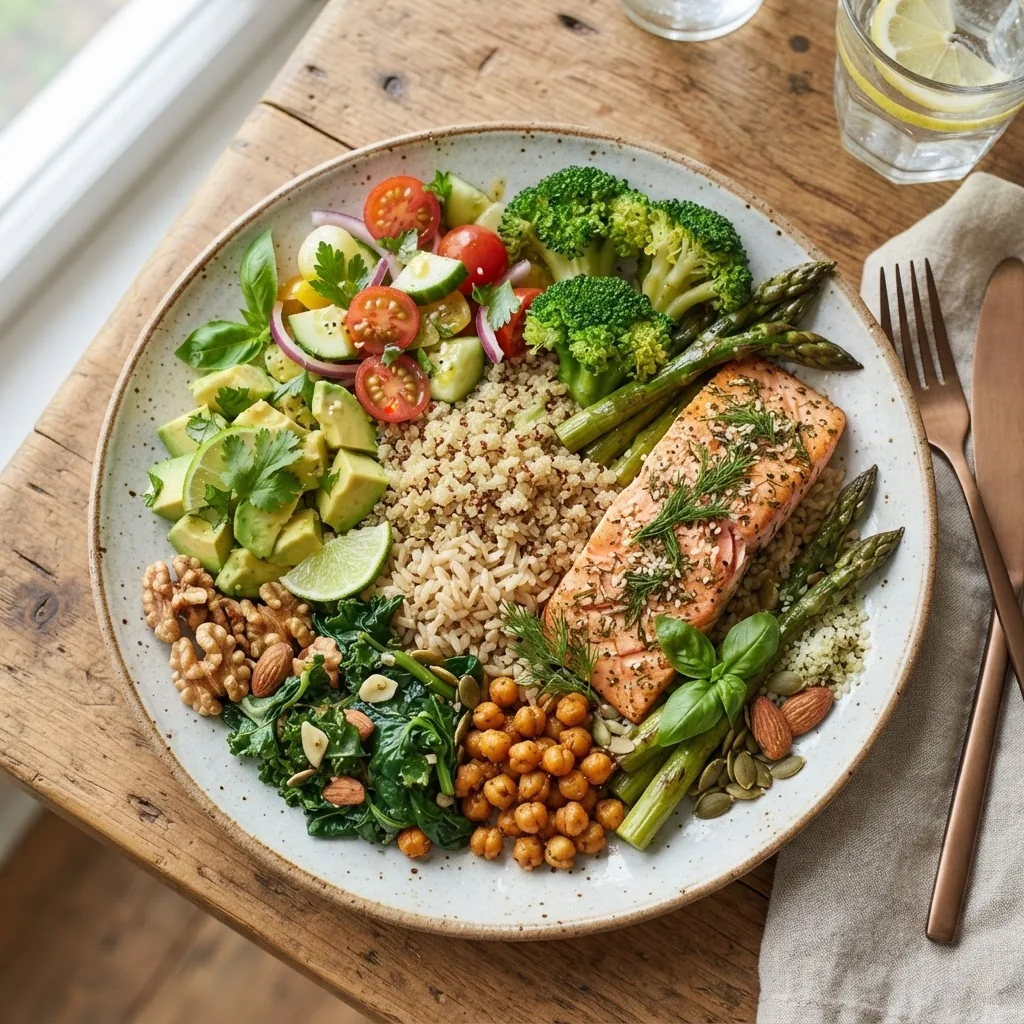
- Start meals with small, savory items — a 60–90 kcal bite of savory food (e.g., 1 oz roasted nuts, 1 small slice of cheese or 2 tbsp hummus with cucumber) 10 minutes before the main dish can trigger appetite. This primes salivation and digestive enzyme release.
- Favor calorie-dense, nutrient-rich foods — include avocado (½ = ~120 kcal), nut butters (1 tbsp = ~95 kcal), full-fat Greek yogurt (¾ cup = ~150 kcal), and olive oil (1 tbsp = 120 kcal) to raise energy intake without large volume. These help people who struggle to make themselves hungry because volume-limited meals feel filling.
- Build balanced plates with macros — aim for plates that include 20–30 g protein (e.g., 3–4 oz lean meat, 1 cup beans), 3–4 tbsp healthy fats, and 1–2 servings of whole grains or starchy vegetables. Protein supports muscle, fats add palatability and caloric density, and carbs often help restore appetite quickly.
- Use flavor enhancers — add acidic notes (lemon, vinegar), umami (miso, low-sodium soy, tomatoes) and spices to make foods more appetizing. A squeeze of lemon or a dash of chili can increase food appeal and stimulate hunger signals.
- Include appealing beverage calories when needed — a 200–300 kcal smoothie with milk or fortified plant milk, ½ banana, 2 tbsp nut butter and ¼ cup oats can be easier to drink than to eat and serves as a practical high-energy boost. Consume these between meals if full at mealtime.
- Rotate choices for sensory novelty — build weekly menus that change protein, starch and vegetable choices to avoid sensory-specific satiety. Example weekly plan: Monday—chicken + sweet potato + roasted broccoli; Wednesday—salmon + quinoa + sautéed greens; Friday—lentil curry + basmati rice + carrot salad.
- Prefer warm and textured foods — warm foods (stews, roasted vegetables) and mixed textures (crunchy topping on soft dishes) are often more appealing than monotone, cold plates. Reheat meals to 55–65°C (130–150°F) for optimal aroma and texture.
- Snack with purpose — choose 150–300 kcal snacks that combine carbs + fat + protein: 1 apple + 2 tbsp peanut butter (~260 kcal), or ¾ cup full-fat yogurt + 2 tbsp granola (~300 kcal). Schedule snacks 2–3 hours after a meal to rebuild hunger between meals.
- Use structured meal plans to re-train appetite — adopting a consistent weekly framework—balanced meals at set times—helps ghrelin adapt. For a structured plan, consider resources such as 21 Day Fix meal plan benefits and a clean eating meal plan for weekly structure to support appetite rebuilding.
- Honor cultural preferences and variety — incorporate familiar, culturally meaningful dishes to increase enjoyment and desire to eat. For Spanish- or Latin-flavored options, consult the comida saludable guide for flavorful, appetite-stimulating meals.
- Balance foods that satisfy and leave room for more — if you struggle to feel hungry at mealtimes, avoid starting every meal with high-fiber, high-volume salads; instead, choose a smaller salad (1 cup) with a more energy-dense main. See guidance on balancing satisfaction with intake in foods that promote fullness.
- Make meals visually appealing — variety and color increase interest; use the principles from the healthy meal visuals guide to arrange food on the plate—contrast increases appetite.
- Plan family-friendly options — when building appetite for children or family members, use smaller plates, colorful combinations and shared snacks. See healthy eating tips for families for specific recipes and portion ideas.
- Choose whole-food carbohydrate sources — starchy foods such as white potatoes (150 g cooked = ~130 kcal), rice (½ cup cooked = ~100 kcal), and whole-grain pasta (1 cup cooked = ~180 kcal) are effective at restoring appetite quickly versus very low-carb choices.
- Practical shopping and prep — build a weekly grocery list that includes at least two ready-to-eat options (e.g., pre-cooked chicken breasts, plain Greek yogurt, mixed nuts) so when appetite is low you still have calorie-dense, easy choices.
- Use evidence-based moderation — avoid high-dose, unregulated appetite stimulants; prefer food-based approaches and discuss supplements with a clinician. For authoritative dietary recommendations, consult government and peer-reviewed sources, such as the USDA and NIH (USDA, NIH).
- Reference healthy versus less healthy choices — use the principles in healthy vs unhealthy eating to prioritize nutrient-dense, palatable foods that also support appetite.
- Pair appetite-building with long-term nutrition guidance — if you need a step-by-step guide to eating more healthfully while increasing intake, see the consuming healthy food guide.
Practical example day (targets and portions):
| Time | What to eat | Estimated kcal |
|---|---|---|
| 7:30 am | Smoothie: 1 cup milk, ½ banana, 2 tbsp peanut butter, ¼ cup oats | ~420 kcal |
| 11:30 am | 3–4 oz grilled chicken, 1 cup rice, roasted veg, 1 tbsp olive oil | ~600 kcal |
| 3:00 pm | Apple + 2 tbsp almond butter | ~260 kcal |
| 7:00 pm | Salmon 4 oz, sweet potato 150 g, side salad with vinaigrette | ~550 kcal |
Transition: with dietary structure in place, use behavioral and mindful techniques to reinforce appetite signals and reduce competing distractions.
Mindful Eating and Behavioral Techniques to Build Appetite
Simple behavior changes can magnify appetite cues and make eating more enjoyable. The infographic below summarizes five practical mindful-eating steps you can practice daily.
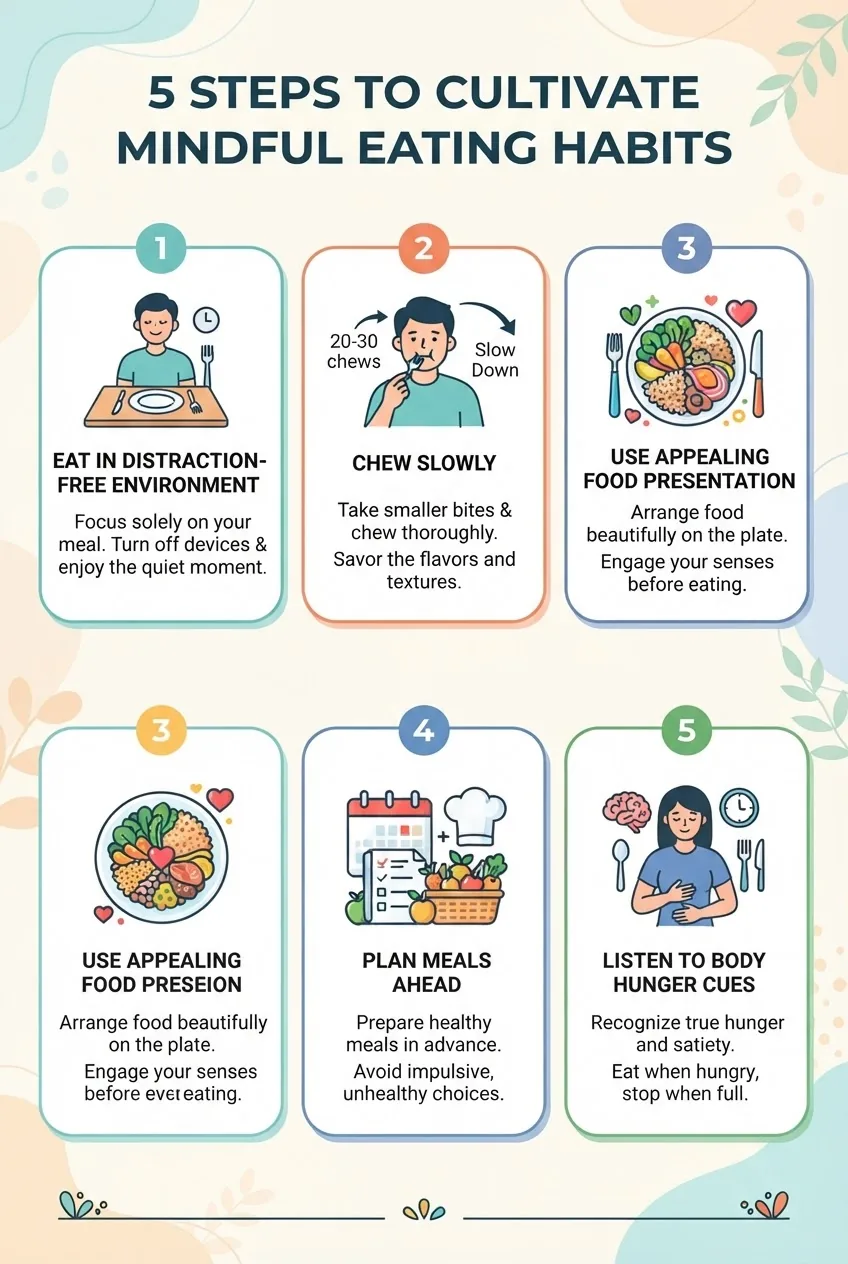
- Create a distraction-free eating environment — turn off screens and eat at a table. Aim for 15–20 minutes per meal to allow natural hunger and fullness signals to register.
- Chew deliberately — target 20–30 chews per bite for soft foods and 30–40 for firmer textures. Slower chewing increases enjoyment and can increase overall intake across a meal by reducing early satiety mismatch.
- Apply the 2-minute presentation rule — spend 1–2 minutes arranging a plate with color, height and texture contrasts; visually appealing food increases appetite and willingness to eat.
- Plan meals ahead — schedule meals and snacks in a simple calendar the night before. Reduces decision fatigue and increases the likelihood you’ll eat when hunger returns. For planning templates, see mindful eating guide and consider the methods in how to eat more guide.
- Listen to body cues — practice a “hunger check” before each eating opportunity: rate hunger 0–10 and ask if you’re eating for physical hunger or emotion. If emotional, use a 10-minute grounding technique before deciding to eat.
- Model appetite-building behaviors — short, social exposures (e.g., attending a shared breakfast) help re-associate food with positive cues. Competitive strategies used by professional eaters are not appropriate for general appetite building—see competitive eating insights for contrast.
Common-sense habit: if distracted eating is your default, reduce distraction first—this single change is often the lowest-effort, highest-return for boosting appetite.
Transition: when appetite fails to respond, know when to seek medical evaluation.
When to See a Doctor About Appetite Loss
Most low-appetite cases respond to the lifestyle and dietary measures above, but seek prompt medical care if you have any of the following warning signs. Early evaluation prevents underlying disease progression.
- Unintentional weight loss >5% of body weight in 1 month or >10% in 6 months.
- Persistent appetite loss lasting >4 weeks despite lifestyle changes.
- Severe gastrointestinal symptoms: persistent vomiting, black or bloody stools, or inability to eat/absorb food.
- Systemic signs: fevers, night sweats, persistent fatigue, new masses, or changes in mood that coincide with appetite loss.
- Difficulty chewing or swallowing that limits intake.
Checklist of tests or evaluations your clinician may order: CBC for anemia, metabolic panel, TSH and free T4 for thyroid function, A1c for blood glucose control, basic inflammatory markers, imaging if indicated, and medication review. For context on medical prevention and appetite connection, see disease prevention and appetite.
If your clinician suggests appetite-stimulating medications, discuss benefits, side effects and short-term use only; many appetite stimulants have tolerability issues and should be reserved for clear medical indications.
Transition: assuming no medical red flags, use the following long-term strategies to maintain a healthy appetite.
Tips to Maintain a Healthy Appetite Long-Term
Maintaining a healthy appetite is about building sustainable systems that keep hunger signals calibrated to your energy needs. Below are evidence-informed, practical tips you can apply indefinitely.
- Keep consistent meal timing — maintain 3 meals and 1–2 snacks across the week, shifting only for planned events. Aim for an eating window of 12–14 hours per day most days to support hormonal regularity.
- Maintain regular activity — 150–300 minutes of moderate activity weekly, plus 2 resistance sessions, keeps metabolic demand high enough to sustain appetite. Track activity monthly and increase when appetite wanes.
- Rotate menu items seasonally — change recipes every 2–4 weeks to avoid sensory fatigue. Use the clean living approaches outlined in the clean living meal plan.
- Prioritize sleep hygiene — maintain consistent bed and wake times even on weekends; a 15–30 minute wind-down routine reduces sleep debt that blunts appetite.
- Practice mindful periodic check-ins — once per week review hunger scores and food intake to catch early declines. Use a one-page weekly summary to spot trends.
- Avoid habitual appetite suppressants — limit excessive caffeine (>400 mg/day) and nicotine; monitor alcohol use which can unpredictably alter appetite cycles.
- Balance variety and predictability — a predictable structure with varied recipes prevents both boredom and dysregulated intake; consult the developing sustainable healthy habits.
- Make appetite a family routine — synchronize at least one daily meal with household members to anchor appetite rhythms; for family nutrition strategies see healthy eating tips for families.
- Use periodic re-evaluation — every 3 months reassess weight, energy and hunger. If appetite drops by >2 points on your 0–10 scale month-over-month, intensify lifestyle changes or consult a clinician.
- Frame appetite within overall health — sustaining appetite is one aspect of wellness; align it with the broader definition of healthy living principles and long-term goal setting.
Transition: before you implement, review common practitioner mistakes and a checklist to verify you’ve applied core steps correctly.
Common mistakes and how to avoid them (first-person practitioner observations)
I often see people skip meal timing and rely on willpower alone—this fails; instead, I recommend scheduling meals and setting phone reminders for two weeks. I’ve observed clients overdo coffee before breakfast to mask low appetite; this suppresses real hunger—reduce pre-meal caffeine and use it sparingly as a tool, not a crutch. Another frequent error: overloading on high-volume salads at every meal; if someone needs more calories, I advise swapping part of the salad for calorie-dense sides (avocado, grains, dressings) to increase intake without bigger plates.
Daily sample routine walkthrough (practical)
Wake 7:00 am; water 8 oz; light stretching 7:10–7:20; breakfast 8:00 am (smoothie ~420 kcal); mid-morning walk 10:30–10:50; lunch 12:30 pm (balanced plate ~600 kcal); light snack 3:00 pm (260 kcal); resistance training 5:00 pm (20 min) or walk 30 min; dinner 7:00 pm (550 kcal); sleep wind-down 10:00 pm, sleep 10:30 pm—repeat and adjust portions if weight changes >2% in two weeks.
Checklist: Verify you’ve applied the core interventions
- Meal schedule set and followed for 14 days.
- Daily activity goal reached 4+ days/week (20–40 minutes).
- Sleep averaged 7–9 hours/night for two weeks.
- Hunger scores recorded before and after meals for 14 days and trending up.
- At least three calorie-dense, nutrient-rich foods added to weekly shopping list.
- No new unexplained weight loss; otherwise, clinical evaluation started.
When to call in a professional
Contact a primary care clinician or registered dietitian if appetite does not improve after 4 weeks of consistent behavioral strategies, if you experience unintentional weight loss >5% in 1 month, or have alarming symptoms listed earlier. For persistent complex cases your clinician may refer you to a gastroenterologist or mental health professional. For clinical practice recommendations see external guidance such as the NIH and peer-reviewed literature (PubMed).
Quick evidence note: According to a 2023 NIH summary report on nutrition and appetite, consistent sleep and increased physical activity are among top modifiable factors associated with improved appetite regulation in adults (source type: 2023 NIH report).
Final transition: short conclusion and next practical steps.
Conclusion: Follow the three-week rhythm: consistent meal timing, modest daily activity, improved sleep and strategic food choices. Start with the checklist, track hunger scores daily, and expect measurable appetite improvements within 1–4 weeks. If you need structured plans, use the sample day, explore the linked meal-plan resources, and reach out to your healthcare team for persistent issues.
Next step: download a simple 14-day meal-and-hunger tracker, set reminders for meals, and begin the 3-day sensory re-introduction (warm, savory, colorful foods at each meal) to jump-start appetite.