By the end of this hands-on guide you will have a clear, practical plan to implement healthy eating for families—including grocery lists, portion guides, snack strategies, and habits you can start within a week; estimated total time to set up: 3–5 hours of planning and a 30–60 minute weekly maintenance routine. Skill level required: beginner to confident home cook.
Introduction to Healthy Eating for Families
This guide focuses on creating lasting family nutrition habits that work across ages and schedules. You’ll learn why family nutrition basics matter, how balanced meals help energy, mood and long-term health, and which small changes deliver big returns. According to a 2024 CDC report on family health trends, small household shifts in meal structure lower risk factors for diet-related illnesses — a practical reminder that wins compound over time. CDC
Before you start, these prerequisites and tools will save time and make the process practical:
- Time: 3–5 hours initial planning + 30–60 minutes weekly meal prep
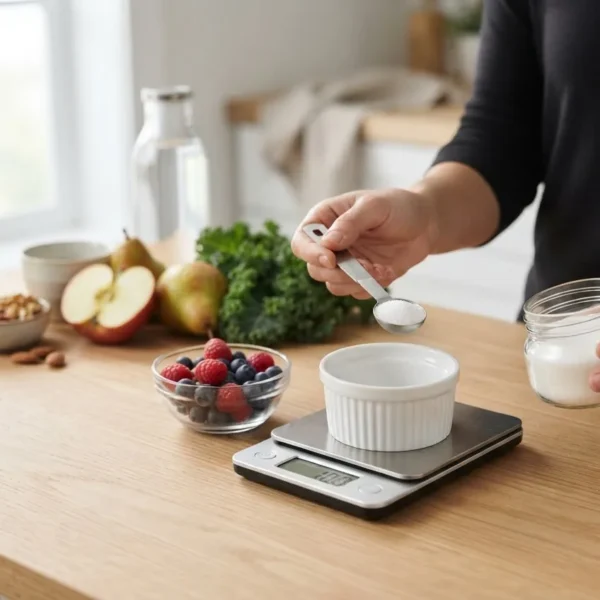
- Tools: scale, measuring cups, meal-planning notebook or app, reusable containers (12 x 24 oz and 6 x 8 oz)
- Pantry basics: olive oil (250 ml), low-sodium broth (2 liters), canned beans (4 cans), whole-grain pasta/rice (2 kg), basic spices
- Family buy-in: 15-minute kickoff meeting to set two shared goals (e.g., add two vegetables daily; limit sugary drinks)
Transition: Now that you have tools and time expectations, we’ll break the approach into actionable steps you can complete section by section.
Understanding Nutritional Needs Across Different Family Members
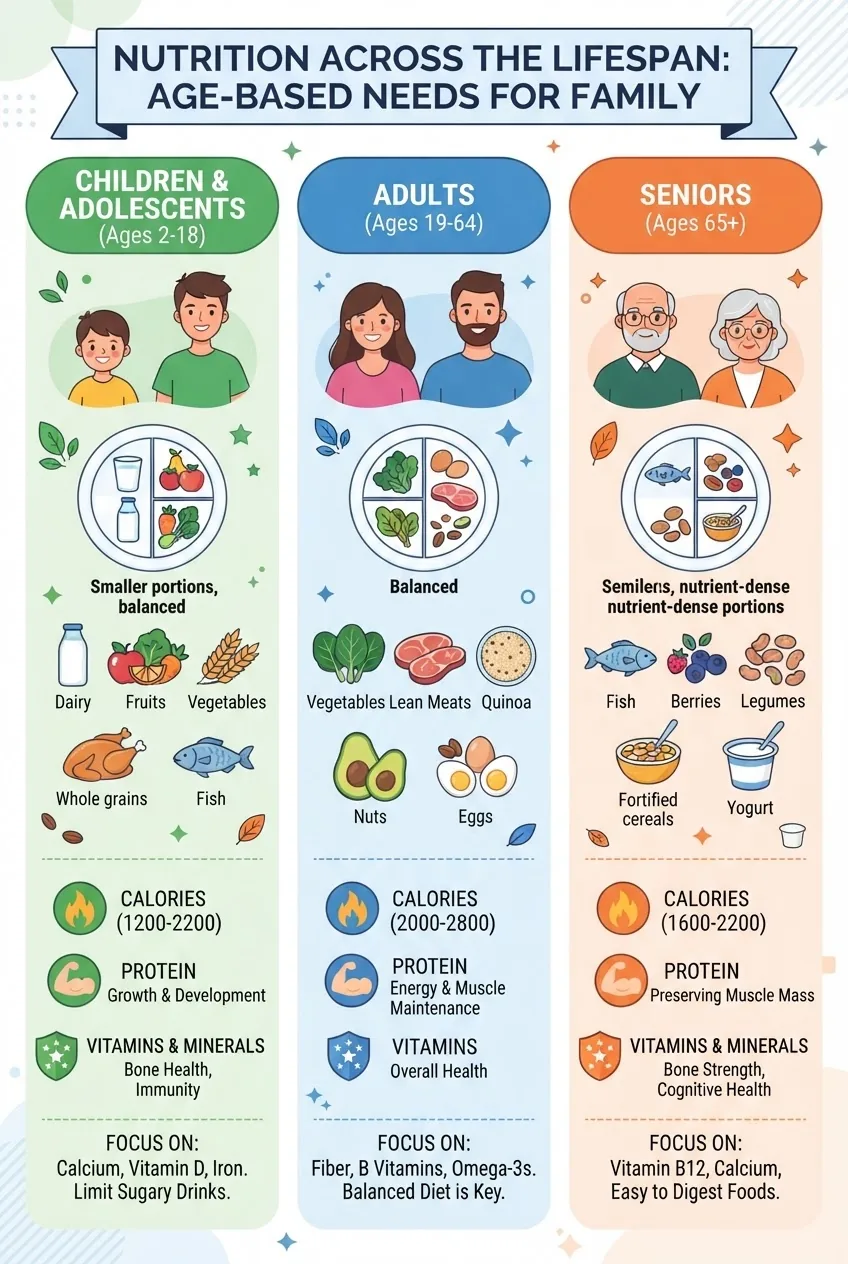
Families thrive when meal plans respect each person’s needs. Below I map core requirements, with portion and nutrient targets, and cite USDA guidance for family nutrition planning. USDA
-
Children (2–12): prioritize growth and nutrient density.
- Calories: ~1,000–2,000 kcal/day depending on age and activity
- Protein: 13–34 g/day (use grams from lean meats, beans, dairy)
- Key micronutrients: iron (7–10 mg/day), calcium (700–1,000 mg/day), vitamin D (600 IU/day)
- Portion control tip: use child’s fist as a carb/protein portion, thumb for fats
-
Adolescents (13–18): support growth spurts and activity.
- Calories: 1,800–3,200 kcal/day depending on sex and exercise
- Protein: 46–56 g/day, emphasize lean proteins and plant proteins
- Micronutrients: iron increases for menstruating girls; calcium + vitamin D for peak bone mass
-
Adults (19–64): balance macronutrients for steady energy.
- Calories: 1,800–2,400 kcal/day for women; 2,200–3,000 kcal/day for men (activity-dependent)
- Macronutrient split suggestion: 45–55% carbs, 15–25% protein, 25–35% fat
- Fiber: 25–38 g/day; include whole grains, vegetables, fruits
-
Seniors (65+): focus on nutrient density and digestion.
- Calories: often lower (1,600–2,200 kcal/day) but protein needs remain ~1.0–1.2 g/kg body weight
- Micronutrients: B12 absorption declines—monitor with 2.4 mcg/day or supplements
- Hydration: aim for 6–8 cups of fluids daily, more with medications that cause diuresis
Practical portion-control comparison (children vs adults) for a single plate:
| Component | Child Portion | Adult Portion |
|---|---|---|
| Vegetables | 1/2–3/4 cup cooked | 1–2 cups |
| Fruits | 1 small piece or 1/2 cup | 1 medium or 1 cup |
| Protein | 1–2 oz (2–4 tbsp) | 3–4 oz |
| Whole grains | 1/4–1/2 cup cooked | 1/2–1 cup cooked |
Linking to balanced meal strategies and deeper plans can help; see structured plans for balanced nutrition meal plans for families. balanced nutrition meal plans
Transition: With age-specific targets in mind, the next section lays out concrete, repeatable meal-planning steps your family can implement this week.
Practical Tips for Planning Healthy Family Meals
This section converts nutrition into weekly action: shopping, prepping, and quick-cook strategies to reliably deliver balanced meals—vegetables, fruits, proteins, whole grains—and limit processed foods and added sugars.

- Set one weekly menu in 30 minutes. Choose 3 dinner templates: a roasted-vegetable + protein night, a soup/stew night, and a grain-bowl night. Allocate two quick-repeat lunch options made from dinner leftovers. Use one sheet: 7 dinners, 5 lunches, 7 breakfasts, and 14 snacks.
- Create a master grocery list by food group. Divide list into vegetables, fruits, proteins, whole grains, dairy/alternatives, pantry staples. For a family of four for 7 days aim for: 6–8 different vegetables (total 8–10 lbs), 7–10 pieces of fruit, 6–8 protein servings (12–16 lbs combined fresh/frozen/legumes), and 4–6 lbs whole grains. This reduces impulse buys.
-
Shop with portion control in mind. Buy loose produce rather than pre-cut when budget-conscious; measure servings at checkout if needed. For children, package snacks in 1 oz portions (use 8–12 snack bags). To support these choices, practice “shop the perimeter first”: produce, dairy, meats; limit center-aisle processed food.
consuming healthy foods -
Batch-cook core ingredients in 90–120 minutes. Roast two full-sheet trays of vegetables (400°F / 205°C for 25–35 minutes), bake 2–3 chicken breasts (20–25 minutes at 375°F / 190°C) or cook 2 cups dried beans (or use 4 cans rinsed), and simmer a pot of whole grains (2 cups dry). Package into containers: 12 x 24 oz for dinners, 6 x 8 oz for lunches/snacks.
21 Day Fix Meal Plan benefits -
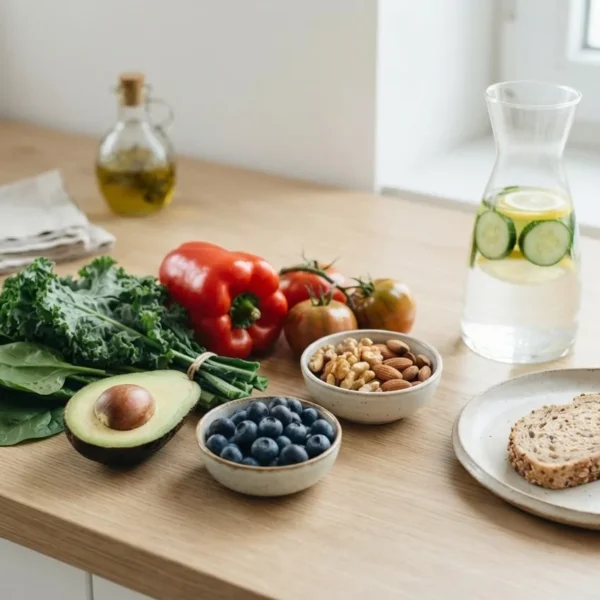
Apply a simple plate rule. For every cooked meal: half the plate non-starchy vegetables, one-quarter lean protein, one-quarter whole grain or starchy vegetable. This creates instant balanced meals and eases portion control.
clean eating meal options -
Create family-friendly, healthy snack boxes. Use small containers with hummus + carrot sticks, cheese + whole-grain crackers (1 oz cheese), or apple slices + nut butter (1 tbsp). Store pre-portioned boxes on a pantry shelf at eye level for kids to grab.
consuming healthy foods - Limit processed foods and added sugars with clear thresholds. For beverages, set a household rule: under 12 grams added sugar per serving for packaged drinks; weekly treat limit: one dessert serving per person. Swap sodas for water + fresh fruit slices.
-
Use theme nights to reduce decision fatigue. Examples: Meatless Monday, Taco Tuesday, Slow-Cooker Thursday, Fish Friday. Theme nights speed shopping and let you rotate favorite healthy recipes.
clean eating meal options -
Plan for leftovers and repurposing. Turn roasted vegetables into grain bowls, leftover chicken into salads or tacos, and soups into freezer portions (freeze in 2-cup portions).
consuming healthy foods
Transition: Next, I’ll show practical snack and hydration strategies that keep everyone energized between meals without excess sugar or empty calories.
Incorporating Healthy Snacks and Hydration Habits for Families
Snacks and hydration bridge meals and support attention, growth, and recovery. The Academy of Nutrition and Dietetics recommends nutritious snack pairings and age-appropriate fluid goals; follow those evidence-based tips here. Academy of Nutrition and Dietetics
- Offer protein + fiber snacks every 2.5–3 hours. Examples: 1 hard-boiled egg + 1 small apple; 2 tbsp hummus + 1 cup sliced cucumbers; 1 oz nuts + 1 small banana. These are foods that promote fullness and reduce overeating at meals. foods that promote fullness
- Portion snacks for kids and adults separately. Kids: 100–150 kcal snacks (e.g., 1 string cheese + 4 crackers). Adults: 150–300 kcal, higher protein. Use 4–6 oz containers for child snacks and 8–12 oz for adult servings.
- Set water targets by age. Children 1–3 years: ~4 cups/day; children 4–8: ~5 cups/day; older children/adolescents: 6–8 cups/day; adults: 8–12 cups/day. Offer water first, then milk or small 100% fruit juice (limit to 4–6 oz/day for young children).
- Make flavored water attractive. Add slices of citrus, cucumber, or berries in pitchers; serve in fun bottles to encourage sipping throughout the day.
- Replace sugary drinks gradually. Week 1: reduce soda/juice to 75% usual; Week 2: 50%; Week 3: remove and replace with sparkling water or infused water. Track changes on a shared fridge chart for accountability.
- Healthy grab-and-go snack staples to keep on hand. Greek yogurt (single 5–6 oz cups), pre-washed carrot sticks (3 cups/week), mixed nuts (keep in 1-oz baggies), whole-grain crackers (portion-controlled packs), fruit (7–10 pieces/week).
Transition: Beyond snacks and water, engaging family members—especially kids—is essential to lasting change.
Strategies to Engage Kids and Family Members in Healthy Eating
Engagement turns rules into routines. The steps below mix behavior-change techniques, family involvement, and fun to shift preferences without battles.

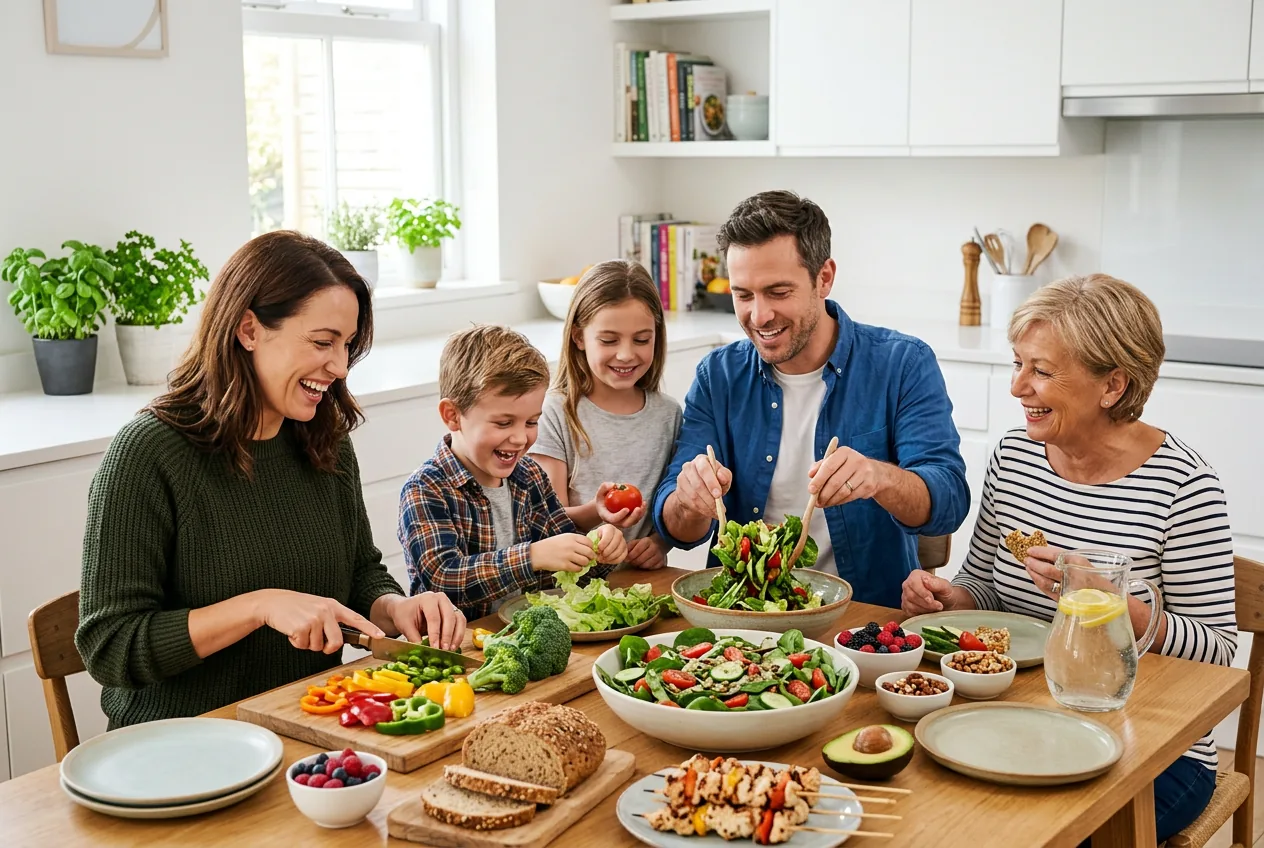
- Cook together at least once per week. Ages 3–6: washing produce; 7–10: measuring and stirring; 11+: chopping with supervision. Make a pizza night with whole-grain crust and vegetable toppings to practice choice and ownership.
- Use tasting games to overcome picky eating. Offer a “taste passport”: try one new food per week; if a child tries it, they get a sticker; after five stickers they choose a family dessert night.
- Offer two acceptable choices, not open-ended options. Ask, “Would you like carrots or cucumber with dinner?” instead of “Do you want vegetables?” That reduces power struggles and increases compliance.
- Model positive reinforcement, not pressure. Praise trying rather than finishing. “I love that you tried broccoli”—this builds curiosity without turning food into a battleground.
- Set consistent mealtimes and screen-free dinners. Aim for a 20–30 minute family dinner window; keep devices out and let talk focus on one positive event from each person’s day.
- Adapt textures and flavors for sensory-sensitive eaters. For those who dislike mixed textures, separate components on the plate (e.g., steamed carrots on the side). For sensitive palates, introduce new spices gradually (1/8–1/4 tsp per recipe change).
- Involve older kids in planning and shopping. Give teens a $10 budget to pick a healthy recipe and buy ingredients, teaching budgeting and nutrition simultaneously.
Transition: If you live in Texas or have family food traditions, the following section tailors these strategies to local tastes and availability.
Tailoring Healthy Eating Tips to Texas Family Lifestyles and Preferences
Texas regional food preferences and cultural traditions offer fertile ground for healthy adaptations—grilled proteins, vibrant salsas, seasonal produce markets, and diverse cultural cuisines that can be made healthier without losing authenticity.
Examples:
- Barbecue nights: Choose lean cuts (pulled chicken, brisket trimmed of fat), serve with grilled vegetable skewers, and offer whole-grain buns or corn on the cob instead of heavy starches.
- Tex-Mex favorites: Build bowls with brown rice or quinoa, black or pinto beans, grilled peppers, tomatoes, avocado, and salsa; replace sour cream with plain Greek yogurt (2 tbsp instead of 2 tbsp sour cream).
- Local produce markets: Buy seasonal peaches, tomatoes, and greens; freeze extra for winter smoothies or soups.
- Cultural dishes: Honor family recipes by reducing added salt by 25% and swapping refined grains for whole-grain variants in tortillas or rice.
- Eating out: Order family-style platters of grilled vegetables and lean proteins; request sauces on the side to control added sugars and sodium.
For culturally focused recipes and translations of healthy swaps, see the comida saludable nutritious guide.
Transition: Next I address common challenges families face when trying to maintain a healthy diet and offer concrete solutions.
Overcoming Common Challenges in Maintaining a Healthy Family Diet
Household constraints—time, budget, allergies, and taste preferences—are solvable with planning. According to a 2023 dietary factors and healthy eating analysis, many families cite convenience and cost as top barriers; use the solutions below to convert common barriers into manageable tasks. CDC
- Time constraints: use a 90-minute weekly batch-cook routine. Roast vegetables, cook a whole grain, and prepare two proteins. Freeze two portions immediately; refrigerate 3–4 dinners for the week.
- Budget limitations: buy frozen and canned wisely. Choose frozen vegetables (no sauce) and low-sodium canned beans; plan meals around sales and use price-per-portion math ($/serving). Create two $10 dinners per week using beans, eggs, and seasonal produce.
- Food allergies: designate safe preparation zones. Keep allergen-free snacks in clearly labeled containers; use separate utensils and a top-shelf storage bin. Consult allergy action plans for severe reactions—call your pediatrician for personalized guidance.
-
Balancing taste preferences: introduce swaps gradually. Replace 25% of refined flour with whole wheat in recipes for two weeks, then increase to 50% if acceptable. Use herbs and citrus to boost flavor without added salt or sugar.
healthy vs unhealthy food choices - Convenience foods: create healthy semi-prepared options. Keep a stash of whole-grain wraps, canned beans, pre-washed greens, and frozen grilled chicken strips to assemble quick, balanced meals in 10 minutes.
- Emotional eating or stress-driven choices: Add a family plan for non-food coping: 10-minute walk after school/work, 5-minute guided breathing, or a “family unplug” hour in the evening to reduce stress-eating triggers.
Transition: To lock these practices into lasting change, build sustainable habits with stepwise progress and family accountability.
Sustainable Healthy Eating Habits for Long-Term Family Wellness
Sustainability means habit formation, not perfection. Use incremental change, clear cues, and family support to keep momentum. For deeper habit frameworks, consult the How to Eat to Live Guide with Healthy Diet Habits.
- Start with one small, measurable habit for 21 days. Example: add one vegetable at dinner each night. Track with a family calendar. This aligns with behavior change science and supports developing healthy habits. developing healthy habits
- Pair diet changes with daily activity. Combine family walks (20 minutes post-dinner, 5 days/week) with portion control to amplify benefits; see guidance on diet and exercise for wellness. diet and exercise for wellness
- Use consistent cues and rewards. Cue: place a fruit bowl on the table each morning. Reward: weekly family choice night when goals are met. Keep rewards non-food based (movie night, picnic).
- Monitor progress with simple metrics. Track weekly vegetable servings per person, water cups consumed daily, and one measure of wellbeing (sleep, energy). Re-assess goals every 4 weeks.
- Educate family members on macronutrients and food groups. Teach that macronutrients are proteins, carbohydrates and fats, and show a simple plate that includes vegetables, fruits, proteins and whole grains—like assembling a colorful puzzle.
- When to adapt or escalate plans. If weight, growth, or chronic conditions raise concerns, consult a registered dietitian or pediatrician. For disease prevention strategies linked to diet, see the clinical resource on disease prevention through diet. disease prevention through diet
For meal timing that supports metabolism and family schedules, consider insights from the best time to eat dinner.
Transition: Below are real-world practitioner notes—mistakes I’ve seen families make and how to avoid them.
Common mistakes and how to avoid them
I’ve worked with dozens of families; here are repeat failures I observed and exact fixes.
- Mistake: I once advised a family to “eat healthier” without a plan; they defaulted to fast food. Fix: provide a one-week template and a 90-minute batch-cook session to replace decision fatigue.
- Mistake: A parent cut all treats overnight and kids rebelled. Fix: reduce sweets by 25% per week and add alternative rewards to avoid resistance.
- Mistake: Families bought expensive specialty health foods and ran out of budget. Fix: use frozen vegetables, canned beans, and whole grains for the bulk of meals—save specialty items for occasions.
- Mistake: Ignoring cultural food traditions created disconnect. Fix: adapt traditional recipes with small swaps (less salt, more veg) and involve elders in recipe redesign.
Checklist: Verify your family’s healthy eating setup
- Weekly meal plan written and posted on fridge
- One 90–120 minute batch-cook session scheduled
- Master grocery list organized by food groups and budgeted
- Snack boxes prepped and portioned for the week
- Water targets posted and a pitcher of infused water prepared
- One family cooking session planned this week
- Allergic-safe storage labeled and separated if needed
When to call in a professional
- Concerns about a child’s growth or unexplained weight loss/gain—see a pediatrician or registered dietitian
- Complex medical conditions (diabetes, kidney disease, severe food allergies)—consult a specialist for individualized plans
- Behavioral eating disorders or disordered eating signs—seek a licensed therapist with nutrition expertise
Final practical sample grocery list (family of four, 7 days):
- Vegetables: 2 lbs spinach, 4 bell peppers, 2 lbs carrots, 2 heads broccoli, 2 onions
- Fruits: 8 apples, 6 bananas, 1 lb berries (fresh/frozen), 4 oranges
- Proteins: 8 chicken breasts (approx. 6–8 lbs), 4 cans beans, 1 lb ground turkey, 1 dozen eggs
- Whole grains: 2 lbs brown rice, 1 lb whole-grain pasta, whole-grain tortillas (12)
- Dairy/alternatives: 2 liters milk or fortified plant milk, 32 oz Greek yogurt, 8 oz cheese
- Pantry: olive oil 250 ml, low-sodium broth 2 liters, canned tomatoes 4 cans, canned tuna 4 cans
Transition: Below is a short closing that summarizes action items and invites the next step.
Conclusion and Next Steps to Adopt Healthy Eating for Your Family
You now have a step-by-step framework to create balanced meals, adapt portion control for children and adults, plan family-friendly groceries, and build sustainable habits. Start with a 90–120 minute batch-cook session this weekend, post a one-week menu, and schedule a family cooking night. If you want structured meal templates, explore the balanced nutrition meal plans and the clean eating meal options.
Ready to start? Print the checklist above, schedule a 90-minute cooking block, and invite the family to a 15-minute kickoff—small steps compound into lasting change.