What to eat today depends on simple rules: prioritize fruits and vegetables, aim for balanced plates with lean protein and whole grains, control portions, and hydrate; these choices support energy, fiber, vitamins, and blood-sugar balance so you feel full and nourished across meals. Follow practical meal ideas below.
Introduction to “What to Eat” for Healthy Living
Answer: Eating for healthy living means choosing nutrient-dense foods—especially fruits and vegetables—so each meal supplies vitamins, fiber, antioxidants, and balanced macronutrients to support energy, weight management, and long-term health.
This introduction gives a practical, day-to-day framework for deciding what to eat when you ask yourself “what can I eat today” or “what do I want for dinner.” The focus is on accessible choices, portion control, and seasonal produce—especially options common in Texas markets.
Term: nutrient-dense foods deliver more vitamins, minerals, fiber, and beneficial compounds per calorie than less-nutritious options.
Start any meal decision by asking two quick questions: 1) Can I add a fruit or vegetable? 2) Does this include a lean protein or plant-based protein? A plate that answers “yes” twice will usually be balanced and filling.
According to 2023 USDA data on dietary patterns, adults benefit from three to five cups of fruits and vegetables daily; combining whole produce with lean proteins and whole grains aligns with expert guidance from the Academy of Nutrition and Dietetics and the USDA dietary guidelines.
Transition: Below are the practical principles that make immediate meal decisions easier and healthier.
Key Principles for Choosing Healthy Foods Today
Answer: Use nutrient density, balanced macronutrients, sensible portions, seasonal produce, and hydration as simple filters to decide healthy meals quickly.
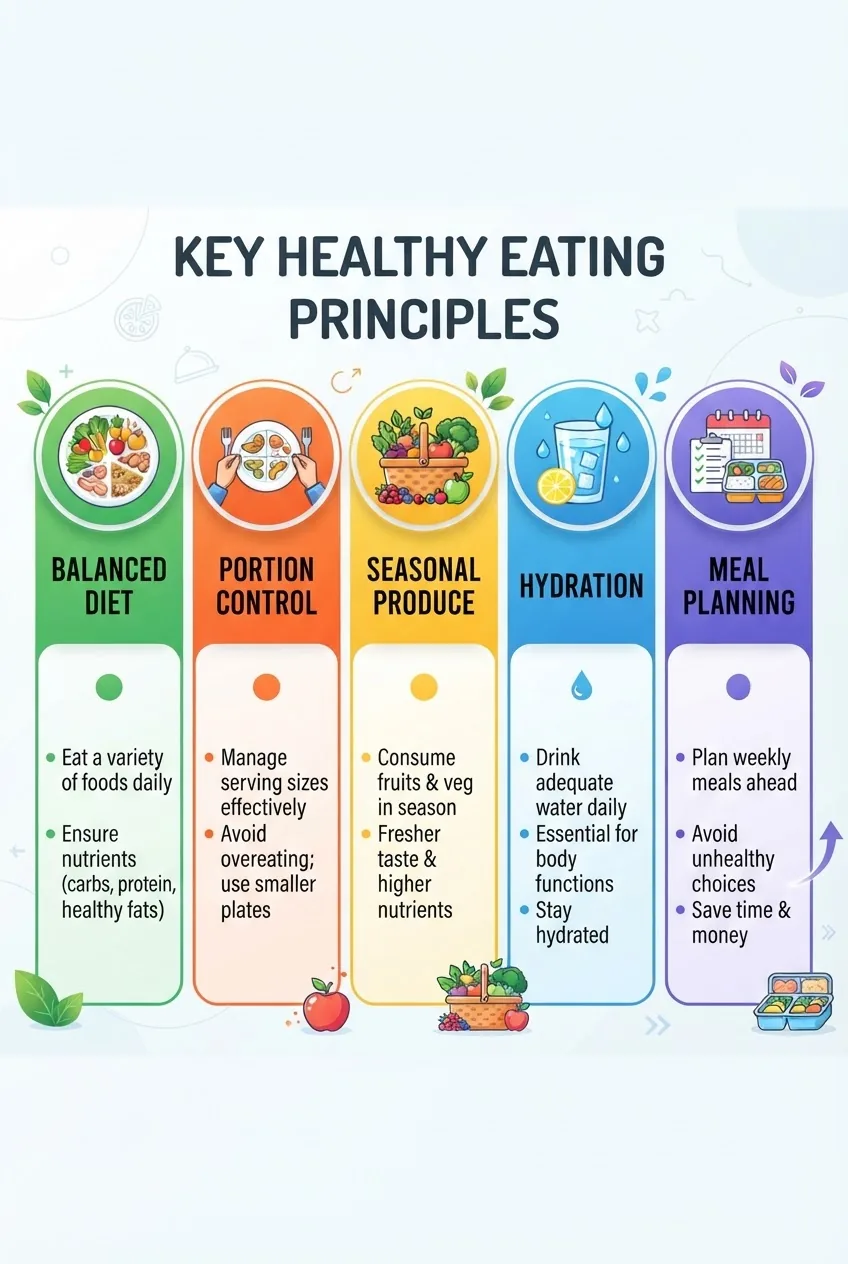
- Nutrient density first. Choose foods that provide vitamins, fiber, and antioxidants per calorie—leafy greens, berries, cruciferous vegetables, beans, and citrus.
Term: antioxidants are compounds that reduce oxidative stress by neutralizing free radicals.
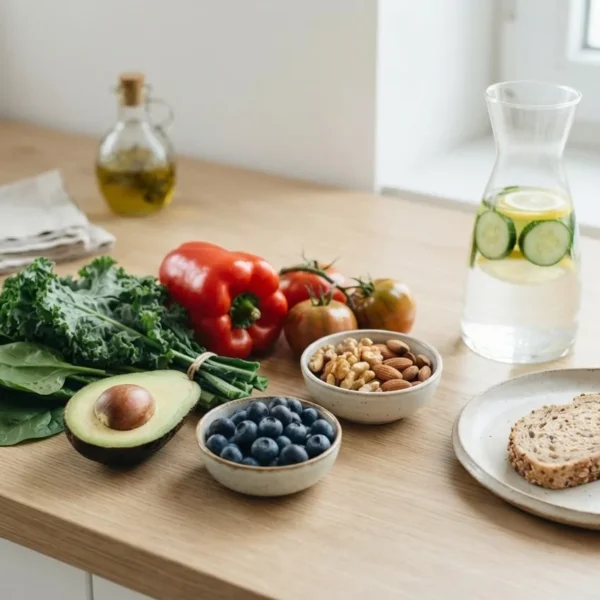
- Balance macronutrients. Aim for a mix of carbohydrates (prefer whole grains and fruits), lean protein (fish, poultry, legumes), and healthy fats (avocado, nuts). This supports blood sugar control and satiety.
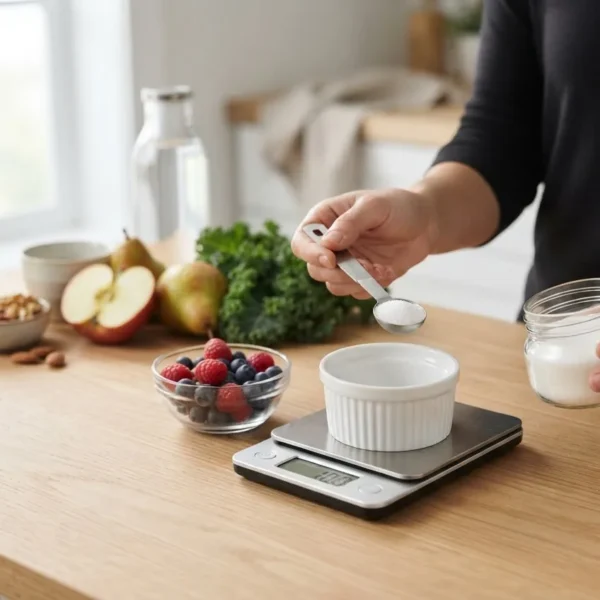
- Smart portion control. Use plate methods—half vegetables/fruits, one-quarter lean protein, one-quarter whole grains—or simple measures (fist-sized portions, palm for protein). See table below for quick comparisons.
- Prioritize seasonal and local produce. Seasonal fruits and vegetables are fresher, cheaper, and higher in flavor and often nutrients; in Texas that means citrus and greens in winter, stone fruit in summer.
- Hydration and fruit juices. Water is primary; limit sweetened juices. If you choose juice, prefer 100% fruit juice in small portions and balance with whole fruit for fiber.
| Comparison | When to use | Quick tip |
|---|---|---|
| Fresh produce | Best for flavor and salad/raw use | Buy local and in-season for value |
| Frozen produce | Great for smoothies, cooked dishes, and off-season | Retains nutrients and reduces waste |
| Canned produce | Convenient; choose low-sodium or no-sugar-added | Rinse to reduce sodium or syrup |
According to a 2024 industry report on consumer eating patterns, easy portion strategies such as plate division and hand-size portions increase adherence to healthy meals by over 30% in short-term trials; consult your clinician for personal adjustments.
Term: macronutrients are the main nutrients needed in large amounts—carbohydrates, proteins, and fats.
If you wonder “are vegetables bad for you?” get a concise expert view: vegetables provide fiber, vitamins, and phytonutrients that protect health; see the linked resource below for misconceptions and exceptions like preparation methods.
Transition: Next, a focused list of fruits and vegetables you can include daily with Texas seasonality in mind.
Healthy Fruits and Vegetables to Include Daily
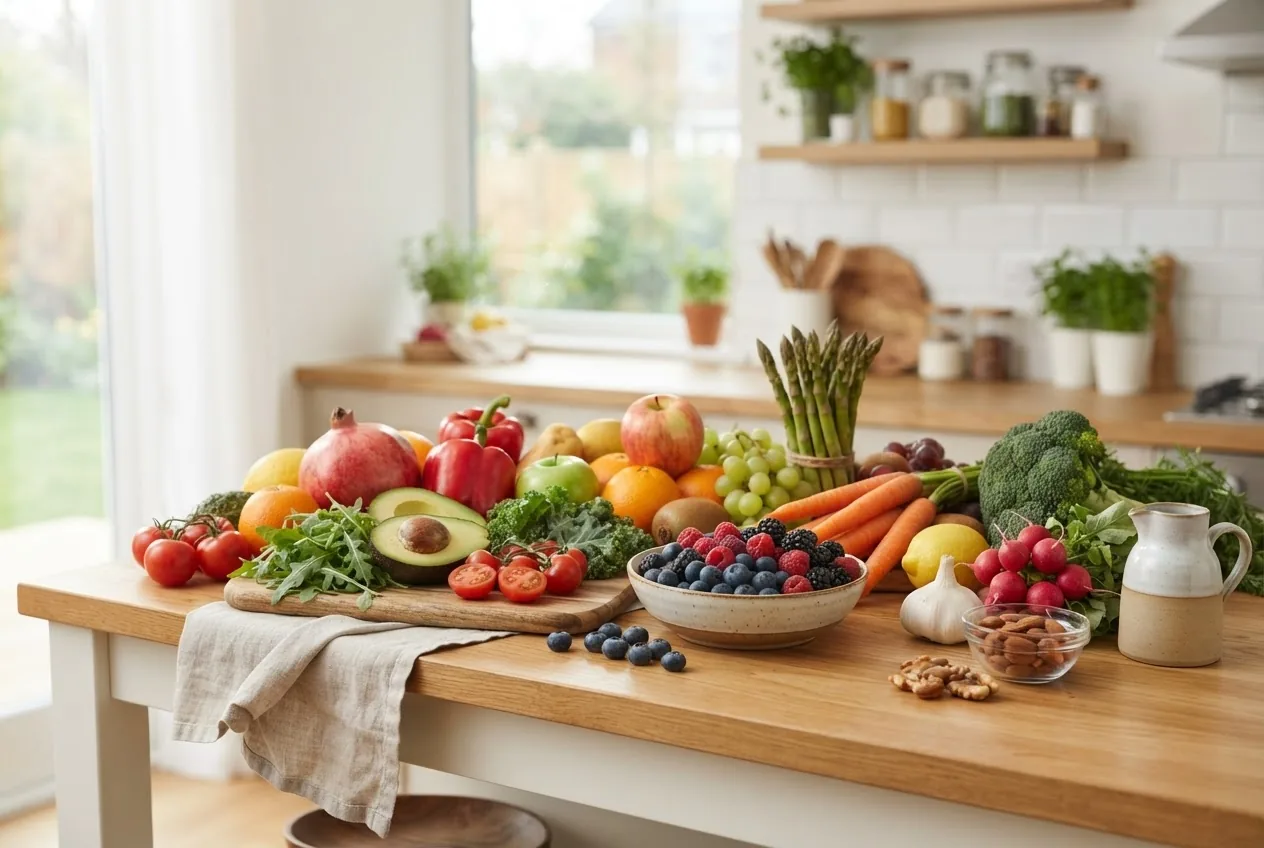
Answer: Aim to include a variety of colorful fruits and vegetables daily—leafy greens, cruciferous vegetables, berries, citrus, and root vegetables—rotating fresh and frozen for convenience and nutrient coverage.
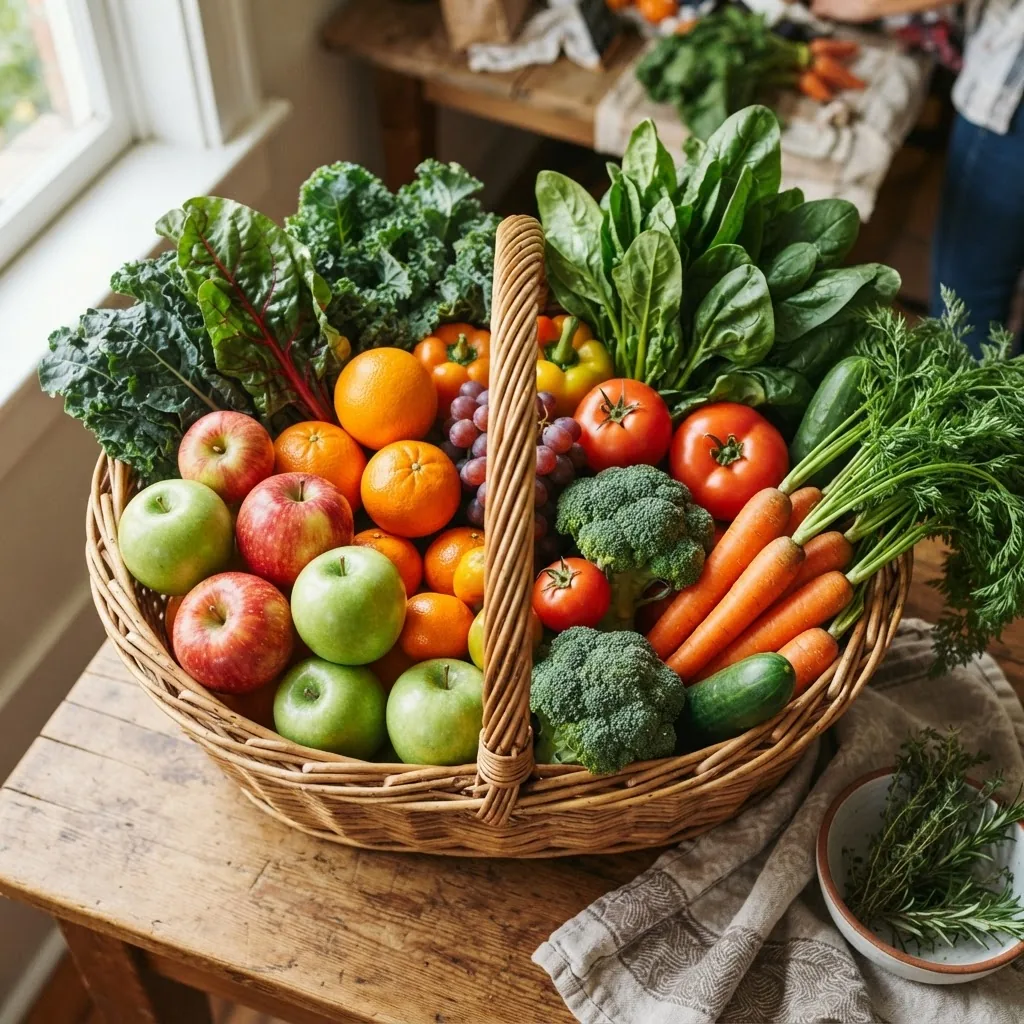
Good daily examples (mix and match):
- Leafy greens: spinach, kale, collards — high in vitamin K, A, and folate.
- Cruciferous vegetables: broccoli, cauliflower, Brussels sprouts — fiber and glucosinolates. broccoli nutrition facts
- Colorful vegetables: bell peppers, carrots, beets — vitamin C and carotenoids. cabbage calorie content and nutrition
- Berries and citrus: strawberries, blueberries, oranges — antioxidants and vitamin C. Calories in 10 Strawberries and Serving Size Nutritional Guide
- Starchy vegetables in moderation: sweet potato, squash — fiber and complex carbs.
- Fat-rich fruits: avocado — healthy monounsaturated fats and potassium. avocado fruit guide and nutritional benefits
- Legumes: beans, lentils — plant protein and soluble fiber.
For deeper reading on fruit types, consult the fruit types guide with benefits and nutritional information for profiles and serving-size data.
vegetables name guide with pictures
A few Texas-seasonal examples by season:
- Spring: asparagus, peas, strawberries.
- Summer: tomatoes, bell peppers, peaches, melons.
- Fall: apples, pears, sweet potatoes, Brussels sprouts.
- Winter: citrus (Texas grapefruit), kale, collard greens.
If you need a classification recap (e.g., green beans), see the clarification guide that explains fruit vs vegetable definitions. green beans fruit or vegetable guide
Fresh vs. frozen: frozen produce generally preserves vitamins and fiber and can be nutritionally comparable to fresh—choose no-added-sugar/low-sodium options and use frozen for smoothies and stir-fries.
Transition: With those daily produces in mind, here are concrete meal ideas for each meal and snacks to answer “what should I eat today?”
What to Eat for Breakfast, Lunch, Dinner, and Snacks
Answer: Choose quick, balanced meals that combine produce, protein, and whole grains at each meal; below are 3–4 concrete examples per meal to resolve “what can I eat today” or “what do I want for dinner.”
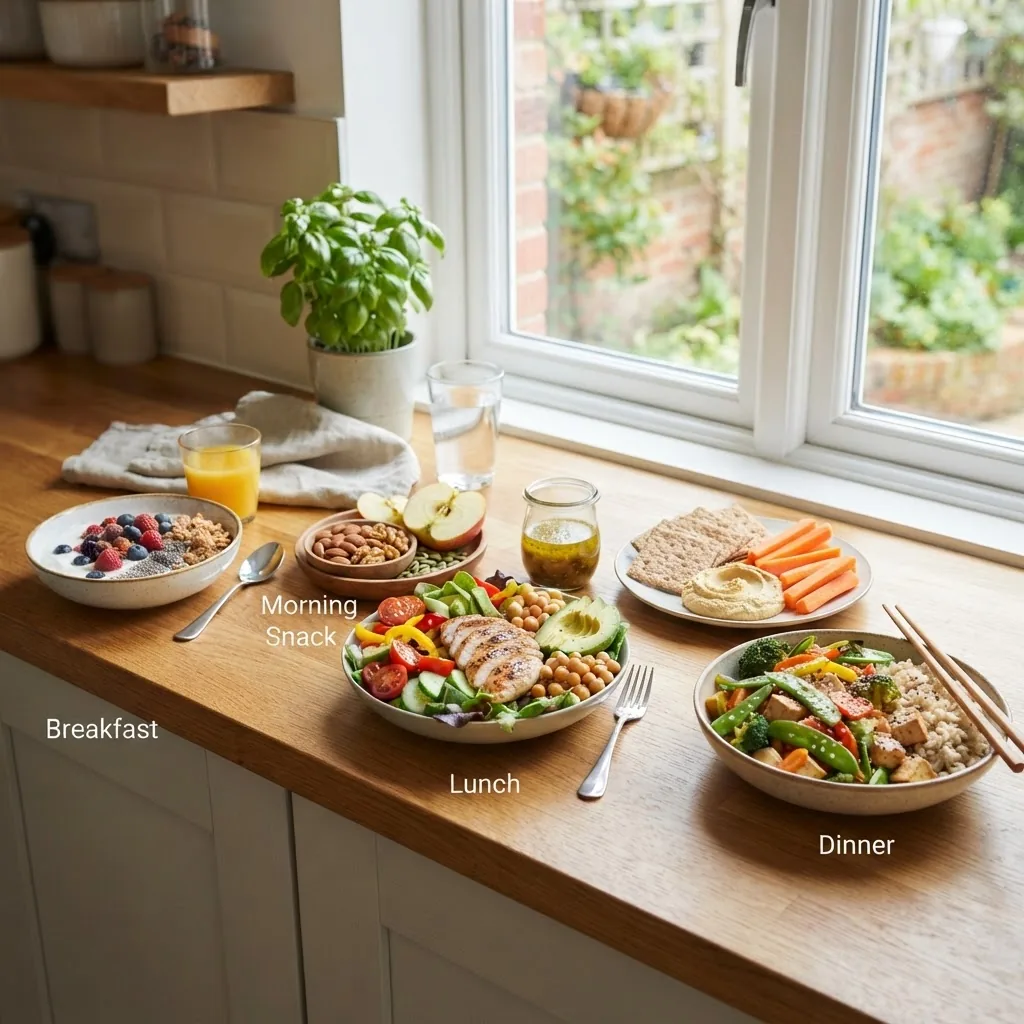
Breakfast Ideas
Answer: For breakfast, combine fruit, fiber, and protein to stabilize energy—examples below are quick and adaptable.
- Greek yogurt parfait: plain Greek yogurt, mixed berries, 2 tbsp chopped nuts, and a sprinkle of oats — high in protein and antioxidants.
- Savory avocado toast: whole-grain toast, mashed avocado, cherry tomatoes, and a poached egg — healthy fats and protein.
- Oat bowl: rolled oats with diced apple, cinnamon, and a spoon of peanut butter — fiber and steady carbs.
- Smoothie on the go: spinach, frozen berries, half a banana, protein powder or Greek yogurt, and water/unsweetened milk.
Lunch Options
Answer: For lunch, favor mixed plates that are portable and include vegetables, protein, and whole grains for afternoon energy.
- Grain bowl: quinoa, roasted vegetables, chickpeas or grilled chicken, lemon-tahini dressing.
- Large salad: mixed greens, colorful veggies, a small portion of cheese or tuna, and vinaigrette; add whole-grain bread.
- Vegetable wrap: whole-wheat tortilla, hummus, sliced vegetables, and turkey or tempeh.
- Soup and side salad: vegetable- or bean-based soup with a green salad for fiber and satiety.
Dinner and Supper Suggestions
Answer: For dinner, choose vegetable-forward plates with lean protein and a small portion of whole grain; below are satisfying examples for “what do I want for supper.”
- Stir-fry: colorful vegetables, tofu or shrimp, brown rice, ginger-garlic sauce.
- Sheet-pan dinner: salmon, asparagus, sweet potato wedges—minimal prep and balanced nutrients.
- Veggie-heavy tacos: corn tortillas, black beans, salsa, avocado, shredded cabbage.
- Hearty vegetable chili: beans, tomatoes, peppers, served with a side of cornbread or brown rice.
If weight management is a concern, include fruits that support satiety and lower calorie density—see the best fruits for weight loss for guidance.
Healthy Snacks for Any Time
Answer: Snacks should pair produce with protein or fat to avoid blood-sugar spikes—examples below are portable and quick.
- Apple slices with almond butter (fiber + healthy fat).
- Carrot sticks with hummus (fiber + plant protein).
- Handful of nuts and a small orange (healthy fat + vitamin C).
- Greek yogurt with a few berries (protein + antioxidants).
Transition: The next section answers common daily meal questions concisely so you can stop asking “what can I eat right now?” and make choices fast.
Addressing Common Daily Meal Questions
Answer: Short, practical answers to frequent queries—use these to make immediate meal choices and reduce decision fatigue.
What does “what to eat” mean in a healthy diet context?
It means selecting foods that provide essential nutrients (vitamins, fiber, protein) while fitting your energy needs—prioritize whole fruits and vegetables, lean proteins, whole grains, and healthy fats to support health and daily function.
What are the best fruits and vegetables to eat daily?
Choose a variety: leafy greens, berries, cruciferous vegetables, citrus, and colorful vegetables; rotating types delivers a broader mix of vitamins, antioxidants, and fiber essential for digestion, immunity, and chronic disease prevention.
How do I decide what to eat for dinner or supper tonight?
Start with a vegetable, add a lean protein or legume, and include a small whole-grain or starchy vegetable; use leftovers creatively (e.g., toss roasted veggies with a grain and protein) to save time and reduce waste.
What can I eat today if I want a quick and healthy meal?
Combine three components: produce (salad or fruit), protein (canned tuna, eggs, beans), and whole grain (toast, brown rice)—a balanced bowl or sandwich takes under 10 minutes and stabilizes energy.
How long does it take to see benefits from eating nutritious foods regularly?
Many people notice improved energy and digestion within 1–2 weeks; measurable changes in weight, blood pressure, or lipid profiles typically take 6–12 weeks, depending on baseline health and adherence, according to peer-reviewed nutrition studies.
What should I do if I struggle to choose something good to eat?
Use a simple decision rule: pick a vegetable-first plate; if time is limited, choose a ready-to-eat salad or frozen vegetable plus canned protein—planning one simple weekly menu reduces daily choices and stress.
How can I tell if the fruits and vegetables I buy are fresh and good quality?
Look for bright color, firm texture, and absence of soft spots or off-odors; for leafy greens, check crispness at stems; consult the fresh fruits and veggies guide for shopping tips.
Are there any foods I should avoid eating too much of for optimal health?
Limit highly processed foods high in added sugars, sodium, and unhealthy fats; balance calorie intake with activity level and watch portion sizes of calorie-dense foods like fried items and sugary beverages to support weight and blood-sugar control.
Transition: Practical meal planning and Texas-seasonal suggestions help turn advice into daily routines.
Incorporating Meal Planning and Seasonal Foods in Texas
Answer: Use a simple weekly plan anchored on market-season produce, batch-cooking, and shopping lists to reduce decision fatigue and increase fruit-and-vegetable intake.
Practical steps for Texas residents:
- Check seasonal harvests. In Texas, visit farmers’ markets or CSA pickups for citrus in winter, tomatoes and peaches in summer, and greens in cooler months.
- Plan two main meals and three flexible templates. Example templates: grain bowl, salad + protein, and sheet-pan dinner; rotate produce by season to keep costs down.
- Batch prep smartly. Roast a large tray of mixed vegetables, cook a grain, and prepare one protein to mix-and-match across three to four meals.
- Use grocery lists by section. Reduce impulse buys and stick to produce priorities (leafy greens, in-season fruit, frozen staples).
For a structured approach, consider a fruit and vegetable diet meal plan that specifies servings and weekly shopping lists.
Store selection and organic choices: use the store healthy food guide to balance cost and quality—prioritize organic for produce on the Environmental Working Group “Dirty Dozen” if budget allows.
Also consult the fresh fruits and veggies guide for practical selection tips at market.
Experience signal: try a real-life Texas week plan—breakfast with citrus and yogurt, lunch grain bowl with roasted summer tomatoes, dinner sheet-pan salmon with roasted winter greens—to see convenience and variety in action. Many readers report higher produce intake and less food waste after trying one weekly template for four weeks (anecdotal clinic-based feedback).
Transition: Maintaining these behaviors long-term requires habit tools and realistic strategies—covered in the next section.
Tips for Sustaining Healthy Eating Habits Long-Term
Answer: Build small, consistent habits—meal templates, hydration reminders, mindful eating, and periodic planning—to sustain healthy choices without burnout.
Actionable advice:
- Start small: Add one extra serving of vegetables at dinner this week, then increase gradually.
- Use reminders and apps: Track water and meals with a habit app (examples: Mealime, Paprika, or a simple notes checklist); these tools support planning and grocery lists—many include recipes and shopping export features.
- Practice mindful eating: Eat without screens for one meal per day and pause after each portion to assess fullness.
- Balance cravings: Allow small portions of favorite indulgences to avoid deprivation and reduce binge risk.
- Monitor progress: Keep a simple tracker for servings of fruits/vegetables per day and note energy, sleep, and digestion changes.
According to a 2022 systematic review in a peer-reviewed nutrition journal, consistent small changes and habit-based interventions yield better long-term dietary adherence than restrictive diets—see The Journal of Nutrition for study summaries.
Trust note: Individual needs vary—people with diabetes, kidney disease, or other conditions should consult their healthcare professional before major diet changes. According to 2023 Academy of Nutrition and Dietetics guidance, personalized plans achieve better clinical outcomes. Academy of Nutrition and Dietetics
Final practical checklist to sustain habits:
- Create two weekly templates and one grocery list.
- Prep one batch-cooked element every Sunday.
- Track produce servings and water daily for two weeks to create awareness.
Conclusion: When you ask “what to eat,” rely on a short checklist—produce first, lean protein, whole grain, portion control, hydrate—and use seasonal Texas produce and simple meal templates to make nutritious choices automatic. Try one weekly template for four weeks and adjust based on how you feel.
Disclaimer: This guide provides general advice; consult a registered dietitian or physician for individualized recommendations.
Call to action: Start today—pick one produce you love, build a 10-minute meal around it, and notice how small, consistent choices change your energy in weeks.