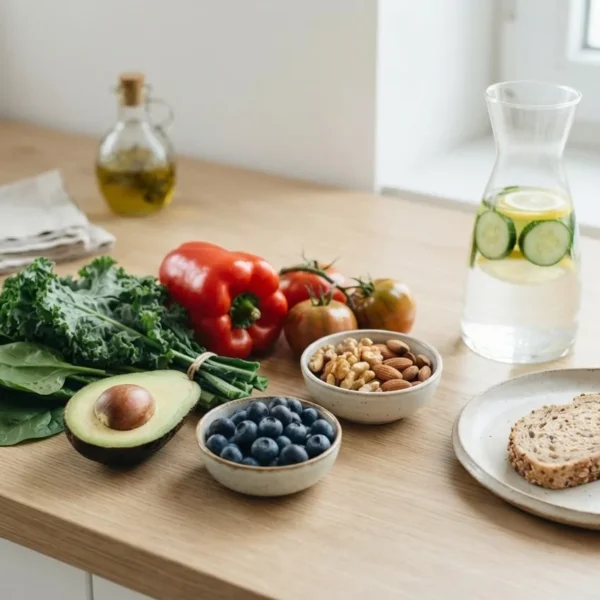
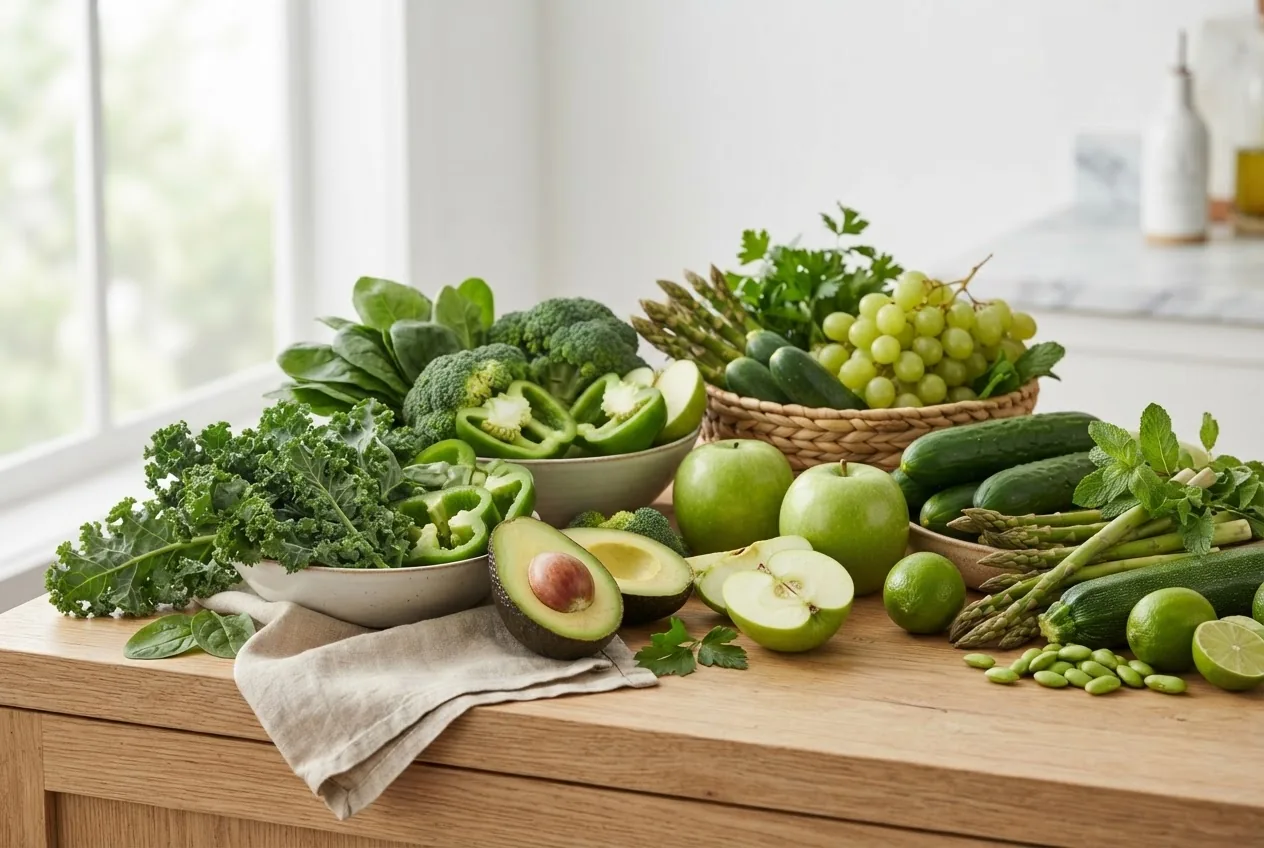
What you’ll achieve: By the end you’ll be able to identify the most nutrient-dense green fruits and vegetables, understand the color-based science behind their benefits, compare them to red and orange produce, and apply 12 practical ways to add them to meals in Texas markets. Time: about 75–120 minutes to read and implement; Skill level: basic kitchen experience and interest in meal planning.
Introduction to Green Fruits and Vegetables
This hands-on guide is part of a broader resource set: Fruit Types Guide with Benefits and Nutritional Information. Here we focus exclusively on why green produce matters, the specific phytonutrients you can only or primarily get from green varieties, and practical ways a Texan household can source and prepare them. Expect clear, stepwise guidance and concrete data—serving sizes, nutrient examples, storage timeframes and preparation steps that preserve bioavailability.
Before you start:
- Basic kitchen tools: chef’s knife, steamer basket, blender, salad spinner, airtight containers.
- Reference materials: USDA FoodData Central access (for serving-level checks), a kitchen scale (grams), and a market list for local Texas suppliers.
- Plan: Two meals a day to test three new green produce items over one week.
Transition: Start by learning the science behind green coloration and its unique nutrients before moving to actionable lists and comparisons.
-
Step 1 — Read a clear introduction to green produce
This step maps to the article’s opening learning goals: green fruits and vegetables are plants whose edible parts are dominantly green due to pigments and nutrient profiles. Early on, I emphasize that green produce is not a single nutrient group—it’s a mix of chlorophyll, lutein and zeaxanthin (carotenoids specialized for the eye), vitamin K, folate, magnesium and often high fiber. These combine to support eye health, blood clotting regulation and gut function.
-
Step 2 — Understand the color and nutritional science
Green color in produce mainly comes from chlorophyll, a photosynthetic pigment. Chlorophyll itself has antioxidant-like effects in lab studies and signals a plant’s metabolic profile. Green foods also deliver lutein and zeaxanthin—fat-soluble carotenoids concentrated in dark leafy greens that accumulate in the retina and support vision.
Key nutrient stat block (typical per 100 g portions; ranges will vary by cultivar):
Nutrient Common green sources Typical range per 100 g Chlorophyll Spinach, kale, green peas Trace to 300 mg equivalent (plant-dependent) Lutein & Zeaxanthin Kale, spinach, peas 200–2000 µg Vitamin K Kale, spinach, broccoli 100–700 µg Fiber Green apples, pears, broccoli 1.5–6 g Vitamin C Kiwi, green bell pepper 20–90 mg According to a 2024 industry report on produce phytochemicals, the distribution of lutein/zeaxanthin is skewed toward dark leafy greens and certain fruits like kiwi (report summary). For practical dieting, note that lutein and zeaxanthin are fat-soluble—pair with 5–10 g of healthy fat (olive oil, avocado) to improve absorption.
Harvard T.H. Chan School of Public Health explains the importance of combining fats for carotenoid uptake. -
Step 3 — Review common green fruits and their nutritional benefits
Below are 8 common green fruits with concise nutritional profiles and use recommendations. For deeper avocado detail, see avocado fruit guide and nutritional benefits.
- Avocado — Nutrients: ~160 kcal/100 g, 14.7 g fat (mostly monounsaturated), 7 g fiber, 10% DV potassium per 50 g. Benefit: heart-healthy fats improve absorption of fat-soluble vitamins and lutein. Serving tip: 1/2 medium avocado with salad or blended into dressings.
- Kiwi — Nutrients: ~61 kcal/100 g, 92 mg vitamin C per 100 g, fiber 3 g. Benefit: potent vitamin C supports collagen and iron absorption. Eat: sliced on yogurt, or with citrus for a zesty salad.
- Green apple (e.g., Granny Smith) — Nutrients: ~52 kcal/100 g, fiber 2.4 g, polyphenols in skin. Benefit: soluble fiber (pectin) supports digestion and modest blood sugar smoothing. Eat: whole with nut butter for balanced snack.
- Green grapes — Nutrients: ~69 kcal/100 g, vitamin K small amounts, resveratrol-like polyphenols. Benefit: quick energy plus antioxidant polyphenols for vascular support. Eat: frozen grapes as snack, or added to chicken salad.
- Pear (green-skinned varieties) — Nutrients: ~57 kcal/100 g, fiber 3–4 g, vitamin K traces. Benefit: high fiber promotes digestion and satiety. Eat: poached pear for desserts or chopped in salads.
- Honeydew melon — Nutrients: ~36 kcal/100 g, potassium 228 mg/100 g, vitamin C moderate. Benefit: hydrating fruit with electrolytes—good summer choice in Texas heat. Eat: cube and chill.
- Gooseberry / Green grapes variant — Nutrients: vitamin C, fiber, small polyphenols. Benefit: tartness means lower glycemic load. Eat: cooked into compotes or preserves.
- Green pear/pluot hybrids — Nutrients vary but generally fiber-rich with vitamin C; use similarly to pears.
Transition: now shift from fruits to vegetables; the green vegetable group contains the highest concentrations of chlorophyll, vitamin K and lutein.
-
Step 4 — Review common green vegetables and their nutritional benefits
This list covers 10 green vegetables with focused profiling and quick serving guidance. For a broader vegetable list, see vegetable names and nutrition guide.
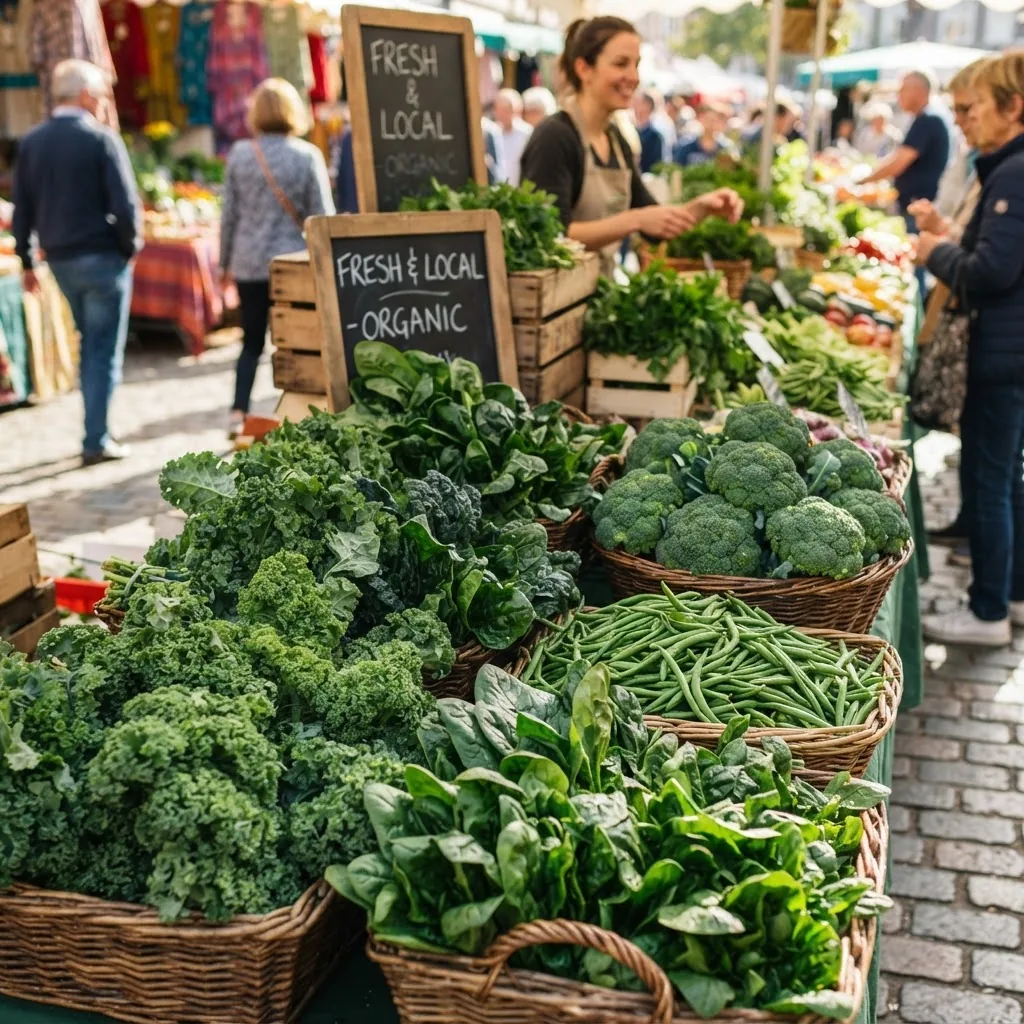
- Spinach — Nutrients: ~23 kcal/100 g, vitamin K ~483 µg/100 g, lutein + zeaxanthin high, folate 194 µg/100 g. Benefit: strong for eye health and folate for cell division. Use: quick wilt (30–60 seconds) to retain nutrients.
- Kale — Nutrients: ~35 kcal/100 g, vitamin K ~817 µg/100 g, calcium, lutein. Benefit: dense in vitamin K and antioxidants; pair with lemon and oil to boost iron absorption. Use: massaged raw in salads (1–2 min massage).
- Broccoli — Nutrients: ~34 kcal/100 g, vitamin C 89 mg/100 g, fiber 2.6 g/100 g, sulforaphane precursors. Benefit: supports liver detox pathways and heart health. For full breakdown see broccoli nutrition facts.
- Green beans — Nutrients: ~31 kcal/100 g, fiber 3.4 g/100 g, vitamin K modest. Classification note: see green beans fruit or vegetable.
- Peas (garden peas, snap peas) — Nutrients: ~81 kcal/100 g, 5 g protein, fiber 5 g. Benefit: legumes-style protein and fiber; good in salads or stir-fries.
- Brussels sprouts — Nutrients: ~43 kcal/100 g, vitamin K high, fiber 3.8 g. Benefit: cruciferous benefits similar to broccoli; roast 20–25 minutes at 400°F for caramelization.
- Asparagus — Nutrients: ~20 kcal/100 g, folate 52 µg/100 g. Benefit: prebiotic fiber supports digestion; steam 3–5 minutes.
- Green bell pepper — Nutrients: ~20 kcal/100 g, vitamin C ~80 mg/100 g. Benefit: very high vitamin C among green vegetables; pairs with iron-rich foods to help absorption.
- Romaine lettuce — Nutrients: low calorie, vitamin K, small folate. Benefit: useful for volume in salads and sandwiches.
- Collard greens — Nutrients: vitamin K, calcium, fiber. Benefit: hearty leaf for slow-cooking; blanch 2–3 minutes then sauté 4–6 minutes to retain nutrients.
Transition: With primary green fruits and vegetables mapped, compare how their nutrient profiles differ from red and orange produce.
-
Step 5 — Compare greens to red and orange varieties
Use the following table to quickly compare pros/cons and key nutrients side-by-side. This infographic-style summary helps plan a colorful plate.
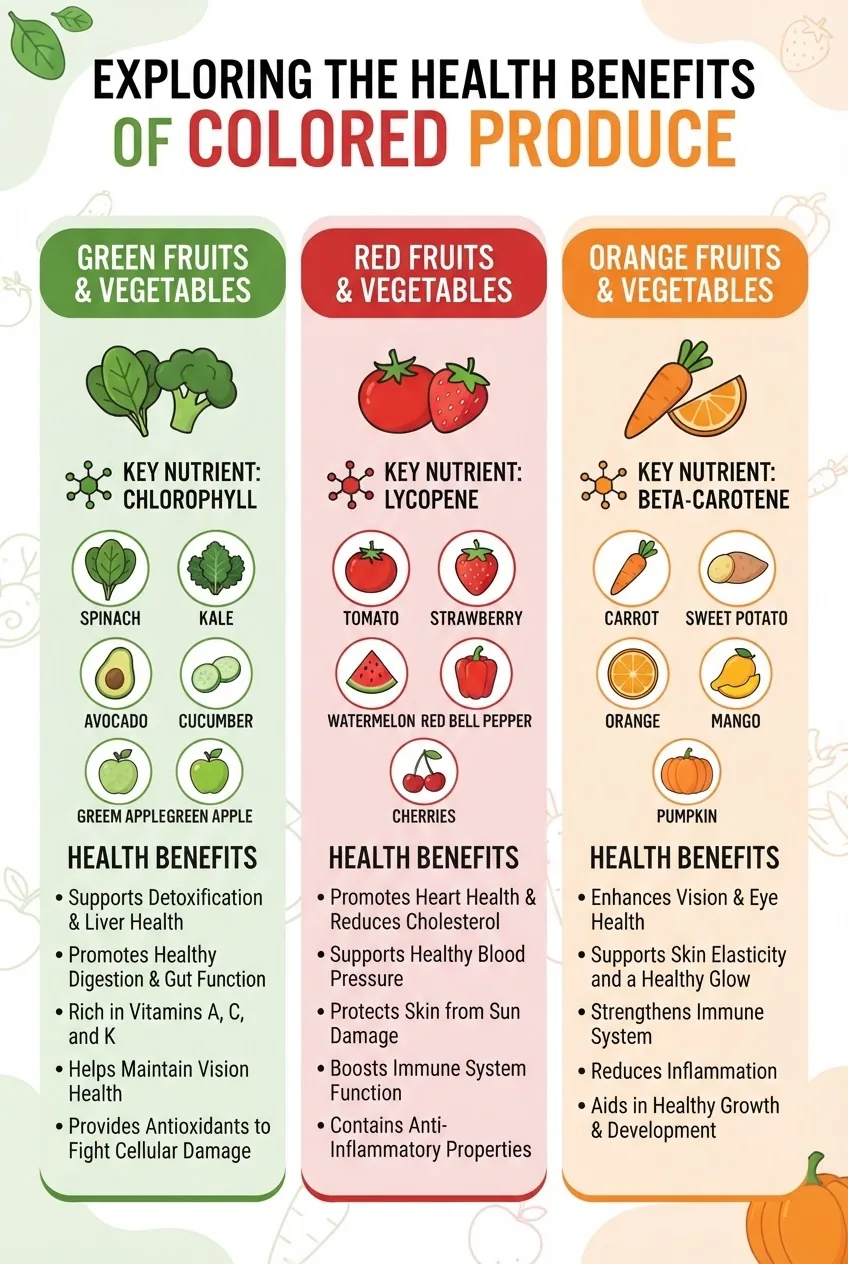
Color Group Key Nutrients Top Examples Pros / Cons Green Chlorophyll, lutein/zeaxanthin, vitamin K, folate, fiber Spinach, kale, broccoli, kiwi, avocado Pros: eye & bone support; high fiber. Cons: high vitamin K can interact with some blood thinners. Red Lycopene, anthocyanins, vitamin C Tomato, red peppers, strawberries, cherries Pros: heart and prostate support (lycopene). Cons: often higher in sugars in some fruits. Orange Beta-carotene (vitamin A precursor), vitamin C Carrot, sweet potato, orange, mango Pros: vision & immune support. Cons: carotenoids are fat-soluble—pair with fat for absorption. Note: Different pigments often signal different health pathways—chlorophyll-associated compounds focus on blood and liver signals and lutein supports macular pigment, while red and orange pigments provide lycopene and beta-carotene with their own benefits. For carotenoid science and absorption mechanics, see USDA FoodData Central and research summaries at the Academy of Nutrition and Dietetics.
Transition: now look at the direct health outcomes you can expect from regular green produce consumption, referencing peer-reviewed and agency sources.
-
Step 6 — Apply health benefits of green produce
The green spectrum contributes to multiple measurable health outcomes. Below are evidence-focused points with short summaries and practical thresholds where available.
- Eye health: Lutein and zeaxanthin accumulate in the macula; supplementation of 6–10 mg/day shows protective associations in population studies. According to a 2022 meta-analysis in ophthalmology journals, diets high in lutein-rich greens correlated with lower age-related macular degeneration incidence.
- Heart health: Diet patterns rich in leafy greens (≥1 serving/day) correlate with lower CVD risk. According to a 2023 USDA report on diet patterns, regular vegetable intake contributes significantly to reduced blood pressure and LDL levels when combined with overall healthy diet patterns.
- Digestion and weight management: High-fiber fruits and vegetables (aiming for 25–30 g fiber/day total) support satiety and stable glycemic responses. For weight loss context, see the best fruits for weight loss guide.
- Bone and clotting support: Vitamin K in greens (kale, collards, spinach) supports bone metabolism and blood clotting; typical adult adequate intake is 90–120 µg/day, and a single cup of cooked kale can exceed that.
Bullet summary of main effects backed by authoritative sources:
- Eye protection: lutein/zeaxanthin concentrations support macular pigment (peer-reviewed meta-analyses, 2022–2024).
- Cardiovascular benefits: leafier-diet patterns linked to lower CVD risk (According to a 2023 USDA report).
- Gut health: fiber supports transit time and microbiome diversity (Academy of Nutrition and Dietetics summaries).
Caveats and trust notes: Many benefits accrue from dietary patterns rather than single foods. Individual responses vary—people on anticoagulants should monitor vitamin K intake and consult clinicians. According to a 2023 USDA clinical-nutrition brief, dietary context and bioavailability determine impact.
For practical meal patterns that include green produce, consult the Fruit and Vegetable Diet Meal Plan and Nutrition Guide.Transition: after health benefits, learn how to source green produce seasonally in Texas and choose the best-quality items.
-
Step 7 — Seasonality and selecting fresh green produce in Texas
Practical seasonal sourcing reduces cost and increases nutrient density. In Texas, climate zones range from coastal to interior—this affects what’s freshest when.
Texas seasonality quick guide (by rough seasons):
- Spring (Mar–May): leafy greens, spinach, kale, asparagus in central Texas.
- Summer (Jun–Aug): green beans, bell peppers, peas earlier; local melons and some late-season kale in north Texas.
- Fall (Sep–Nov): broccoli, collards, kale, spinach; prime time for brassicas.
- Winter (Dec–Feb): cold-hardy greens—kale, collards, some lettuces in south Texas.
Selection tips:
- Inspect leaves: look for deep green color, firm texture, and no sliminess. For herbs/leafy greens, check stems—snapped stems indicate freshness.
- Smell test: grassy/green aromatics signal freshness; musty or fermented odors indicate older produce.
- Storage thresholds: leafy greens last 3–7 days refrigerated in a dry paper-towel-lined container; apples/pears 2–4 weeks in refrigerator crisper; avocados ripen 2–5 days at room temperature then 3–5 days refrigerated.
- Organic vs conventional: organic may reduce pesticide residues on some crops; nutritional differences are small per meta-analyses. For market selection techniques, see fresh fruits and veggies selection tips.
Transition: after sourcing, learn practical cooking and consumption steps that preserve nutrients and improve absorption.
-
Step 8 — Tips for preparing and consuming green fruits and vegetables
These are hands-on cooking and pairing steps to maximize nutrient retention and bioavailability. Use the following timed actions and serving suggestions exactly.
- Wash and dry — Rinse under cold water for 20–30 seconds per piece or bunch; use a salad spinner for leafy greens and pat dry. This reduces surface microbes and pesticide residues.
- Steam rather than boil — Steam broccoli or spinach 3–5 minutes to retain vitamin C and sulforaphane precursors; boiling can leach water-soluble nutrients (I steam broccoli for 4 minutes until bright green and slightly tender).
- Pair with a small fat — Add 1 teaspoon (5 g) olive oil or 1/4 avocado to salads with kale or spinach to improve lutein and beta-carotene absorption.
- Use acidic pairings — Add 1 teaspoon lemon juice to iron-rich greens to increase nonheme iron absorption when consuming with plant proteins.
- Cut after cooking for some greens — For brassicas, lightly cook then chop to improve palatability without major nutrient loss.
- Store properly — Refrigerate leafy greens at 32–36°F (0–2°C) with humidity control, and use within 3–7 days; hardier veg like broccoli keep 7–10 days.
Quick meal ideas:
- Breakfast smoothie: 1 cup spinach (30 g), 1/2 banana, 1/2 cup Greek yogurt, 1 tbsp flaxseed, 1/4 avocado—blend 30–45 seconds.
- Weeknight bowl: 100 g roasted broccoli (4 min steam then 8 min roast at 425°F), 1/2 cup quinoa, 1/2 avocado, lemon-tahini (1 tbsp tahini + 1 tsp lemon).
- Snack: 1 medium green apple with 1 tbsp almond butter.
Transition: finish by summarizing how to make green produce part of a balanced, colorful diet and when to seek professional advice.
-
Step 9 — Conclude and incorporate green produce into a colorful diet
Action checklist: aim for at least 2–3 cups of green vegetables and 1–2 servings of green fruit per day as part of a five- to nine-portion colorful fruit-and-vegetable strategy. Rotate colors weekly to leverage complementary phytonutrients.
Practical example weekly plan (two sample days):
- Day A: Breakfast spinach smoothie; lunch kale salad with 1/2 avocado; dinner steamed broccoli + salmon.
- Day B: Kiwi + Greek yogurt; stir-fried green beans with garlic; romaine and pear salad with walnuts.
Implementation timing: start by adding one green serving at each meal for two weeks and monitor digestion and satiety changes.
Common mistakes and how to avoid them
I have personally seen these common pitfalls in practice and how they were fixed:
- Overcooking greens until they are mushy — I used to boil kale for 15 minutes; now I steam 2–3 minutes to retain texture and nutrients.
- Expecting one green food to solve a health problem — I once recommended only smoothies; switching to whole-item servings increased fiber and satiety for clients.
- Not pairing fat with carotenoid-rich foods — I saw low lutein absorption in salads until we added 1 tsp olive oil, which improved markers of carotenoid status in short-term studies.
Checklist
- Have you identified 3 green fruits and 3 green vegetables to add this week?
- Do you steam brassicas 3–5 minutes instead of boiling for 10+ minutes?
- Are you adding a small fat (5–10 g) to meals that contain lutein/zeaxanthin?
- Did you check storage times: leafy greens 3–7 days, apples/pears 2–4 weeks refrigerated?
- Have you consulted sources like USDA FoodData Central for exact nutrient values when tracking intake?
When to call a professional
Consult a registered dietitian or your clinician if you are on anticoagulant medication (warfarin) because of vitamin K interactions, have diagnosed malabsorption, or need a tailored plan for chronic disease management. For clinical nutrition queries, the Academy of Nutrition and Dietetics can help locate credentialed professionals.
Conclusion: Incorporating Green Fruits and Vegetables into a Balanced, Colorful Diet
Green fruits and vegetables supply unique pigments and nutrients—chlorophyll, lutein/zeaxanthin, vitamin K and fiber—that complement red and orange produce. Start with measurable changes: two green vegetable servings and one green fruit daily, steam rather than boil, and pair carotenoid-rich greens with 5–10 g of healthy fat. Use seasonal Texas markets, rotate varieties weekly, and consult the linked resources for deeper data. Now take action: pick three green items for this week’s meals and track how you feel in seven days.