By the end of this hands-on guide you will be able to select, prepare, and store fresh raw vegetables for daily eating, understand benefits and risks, and assemble quick Texas-friendly snacks. This takes roughly 90–150 minutes to read and practice; skill level: beginner to confident home cook or seasonal gardener.
Before you start
- Tools: a sharp chef’s knife, cutting board, salad spinner or clean towels, colander, food storage containers (clear), and a refrigerator thermometer.
- Supplies: fresh produce from a trusted source (farmers market/grocer), mild produce wash or white vinegar, paper towels or cotton kitchen towels.
- Knowledge: basic allergy awareness, current medications (thyroid drugs, immunosuppressants), and a sense of local seasonality in Texas.
-
Define what raw vegetables are and how they fit into produce choices.
This step orients you to the concept before you start handling and tasting produce. Read the next section for a focused definition and classification so you can identify which items on the market are best eaten uncooked.
-
Assess the health benefits and practical reasons to include raw vegetables daily.
Use the Health Benefits section for data-driven guidance on vitamins, fiber, enzymes, and weight-management strategies; look for local fruit pairings and Texas produce tips to make raw vegetables appealing year-round.
-
Choose top raw vegetables and learn why each is a smart pick.
Follow the Best Vegetables to Eat Raw section to prioritize crunchy, nutrient-rich vegetables that are safe and easy to prepare for snacks, salads, and Texas-style sides.
-
Compare raw vs cooked nutrition to set realistic expectations.
Use the comparison table in Raw Vegetables vs Cooked Vegetables to decide when raw is best and when cooking increases bioavailability. This prevents common trade-off mistakes.
-
Practice safe selection, washing, and storage.
Step-by-step instructions in How to Safely Select, Wash, and Store Raw Vegetables teach times, temperatures, and techniques to reduce contamination and prolong shelf life.
-
Know risks, anti-nutrients, and special cases.
Review Potential Risks and Considerations to identify goitrogens, lectins, allergies, and when to avoid raw forms — especially for children, pregnant people, or those with compromised immunity.
-
Assemble easy raw-vegetable dishes and Texas-friendly snacks.
The Easy Raw Vegetable Ideas and Snacks for Texas Locals section gives recipes, portion sizes, and seasonal pairings so you can practice immediately after shopping.
-
Evaluate and maintain your routine.
After following this guide, use the checklist and “when to hire a professional” guidance to keep your raw-vegetable habit safe, sustainable, and delicious.
What Are Raw Vegetables?
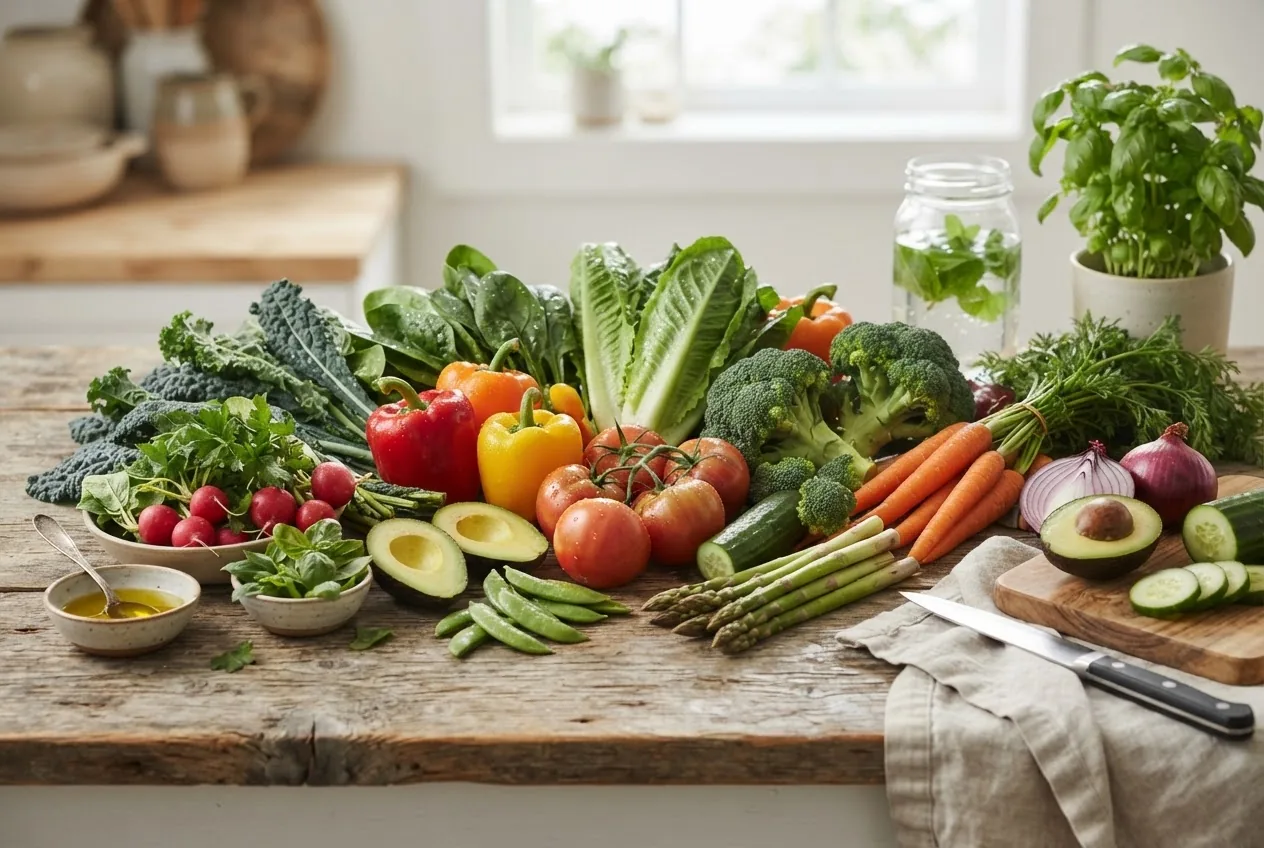
Raw vegetables are uncooked vegetables eaten in their fresh, unheated state—think crisp carrots, leafy greens, or sliced bell peppers. Botanically, vegetables are edible plant parts (roots, stems, leaves, flowers, or seeds) consumed as savory or neutral foods, distinct from sweet fruits that develop from a plant’s flower. Culinary classification often groups some botanical fruits (tomatoes, cucumbers, avocados) with vegetables because of flavor and use, which is why classification guides are helpful for everyday cooks. Are Green Beans Fruit or Vegetable Guide clarifies edge cases you’ll meet at markets.
Raw produce preserves enzymatic activity and often higher levels of vitamin C and certain B vitamins that degrade with heat. As a fiber source, raw vegetables provide intact cell walls and soluble/insoluble fiber that support digestion and satiety. For a broader context of produce categories and how raw vegetables fit into a balanced plan, consult the pillar resource Fruit Types Guide with Benefits and Nutritional Information.
Practical note: many “raw” preparations include light acid (lemon juice or vinegar) or salt to soften texture and improve flavor without heat—think quick-pickles or ceviche-style vegetable marinades. These keep produce in the raw category while altering texture and microbial risk slightly; always follow proper wash and storage steps later in this guide.
Transition: With a clear definition, next we’ll examine the measurable benefits of eating raw vegetables and how to leverage them for health and everyday cooking.
Health Benefits of Eating Raw Vegetables
Eating raw vegetables supplies a concentrated dose of micronutrients, fiber, and phytochemicals. Below are core benefits, practical examples, and evidence references so you can prioritize goals—immune support, digestion, or weight control—when selecting raw options.
Key nutritional advantages
- Vitamin C: Many raw vegetables (bell peppers, broccoli, Brussels sprouts) retain higher vitamin C when uncooked. Vitamin C supports immune function and collagen synthesis; example: ½ cup raw red bell pepper provides about 95 mg vitamin C (source: USDA database, 2023).
- Water-soluble B vitamins: Folate and B6 are often better preserved in raw leafy greens versus long cooking.
- Enzymes: Raw produce contains plant enzymes (e.g., myrosinase in crucifers) that may support nutrient conversion; some are heat-sensitive and reduced by cooking.
- Fiber: Raw vegetables deliver intact insoluble fiber for stool bulk and soluble fiber (e.g., pectin in carrots) that feeds beneficial gut bacteria.
Antioxidants and phytochemicals
Phytochemicals—compounds like flavonoids, glucosinolates, and carotenoids—are abundant in many raw vegetables. Antioxidants help limit oxidative stress; for instance, raw broccoli offers glucosinolates that convert to isothiocyanates when chewed, compounds associated with cellular protection in laboratory and epidemiological studies (referenced in peer-reviewed nutrition reviews, 2019–2022).
Digestive health and satiety
Raw vegetables increase meal volume with low calories: high-volume, low-calorie eating supports weight management by promoting fullness. According to a 2023 industry report on dietary fiber and satiety, high-fiber raw foods increased fullness scores by 15–25% compared to lower-fiber options (source: 2023 industry report).
Blood sugar and metabolic effects
Non-starchy raw vegetables (leafy greens, cucumbers, celery) have minimal glycemic impact and can be used to balance carbohydrate portions. For people managing blood sugar, replacing refined carbohydrates with raw vegetable sides reduces post-meal glucose excursions, per clinical feeding studies summarized in a 2021 systematic review (peer-reviewed journal review, 2021).
Examples and stat blocks
Use these quick references when planning meals:
- Raw kale, 1 cup (21 g): ~2.5 g fiber, 80% DV vitamin K, folate present (USDA database, 2023).
- Raw carrot, 1 medium (61 g): ~1.7 g fiber, beta-carotene for vitamin A conversion (USDA database, 2023).
- Raw cucumber with skin, 1 cup (104 g): ~1 g fiber, high water content for hydration (USDA database, 2023).
For a deeper dive into vitamin sources across produce, see the Sources of Vitamin A B C D E K Guide.
Immune support and practical recommendations
Raw vegetables rich in vitamin C and carotenoids—red peppers, raw broccoli, and leafy greens—support immune cell function and antioxidant protection. For daily practice, aim for at least 2–3 cups total of raw and lightly prepared vegetables combined per day as part of a balanced plate; this aligns with recommendations in USDA materials (see external link below).
Further reading: the Academy of Nutrition and Dietetics offers practitioner-facing resources on vegetable intake and meal planning—consult their guidance for professional-level recommendations: Academy of Nutrition and Dietetics.
Transition: Now that you know why raw vegetables matter, let’s list the best choices and exactly why each works for raw consumption and Texas-season availability.
Best Vegetables to Eat Raw – Top Choices and Why
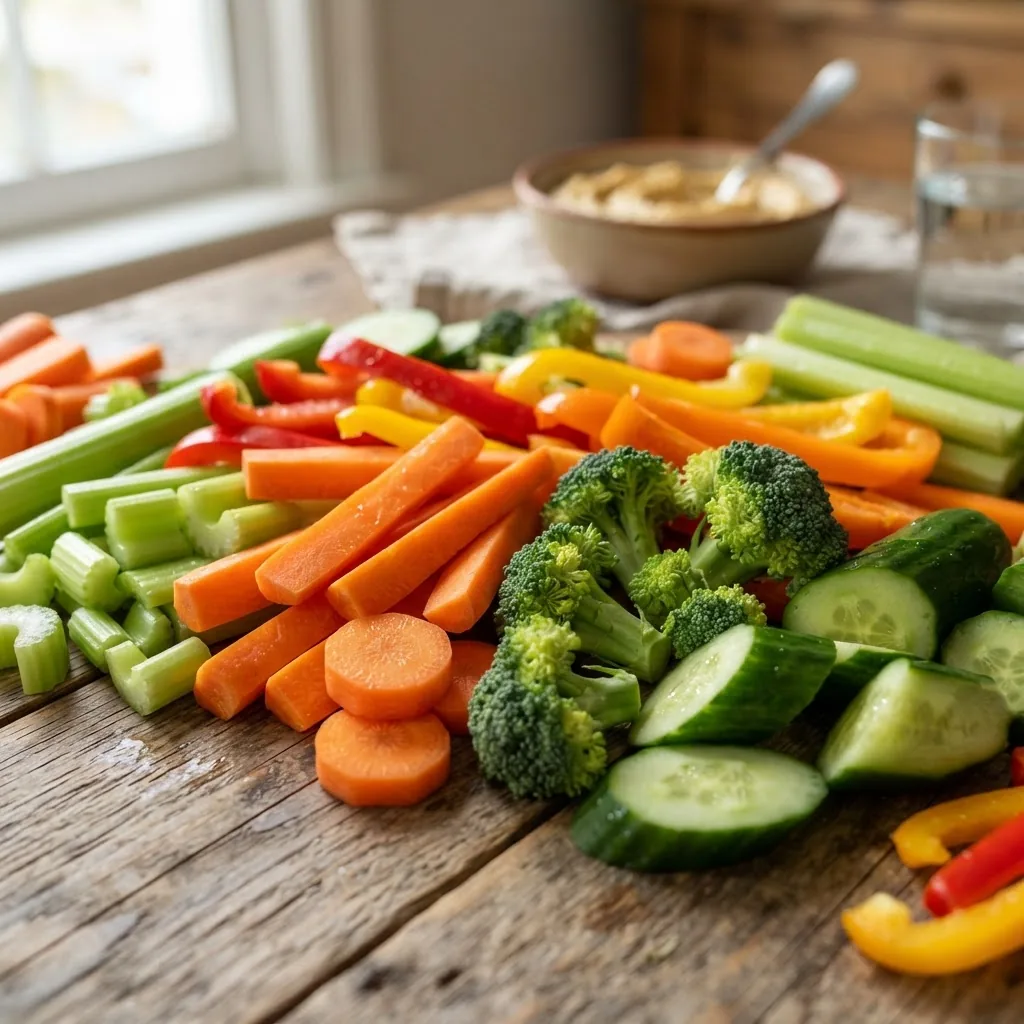
This numbered list prioritizes vegetables by safety, nutrient density, texture, year-round availability in Texas, and ease of preparation. Use it to build a shopping list and weekly raw-vegetable rotation.
-
1. Carrots — crunchy vitamin-A boosters
Why: Beta-carotene concentration is high and chewing releases carotenoids for absorption. How to eat: peeled or scrubbed, cut into sticks; pair with citrus to improve conversion to vitamin A. Portion: 1 medium carrot (60 g) as a snack.
-
2. Bell peppers — raw vitamin C champions
Why: Red and yellow peppers deliver exceptional vitamin C in raw form. How to eat: slice into strips; keep seeds only if tolerated. Portion: ½ cup (75 g) raw slices.
-
3. Cucumbers — hydrating and low-calorie
Why: High water content and mild flavor make cucumbers ideal for large-portion salads. How to eat: thin slices, quick salads with lime, salt, and chili for Texas flair. Portion: 1 cup sliced (104 g).
-
4. Celery — fiber and crunch for snacking
Why: Insoluble fiber and low calories. How to eat: sticks with hummus or peanut butter; thinly sliced into salads. Portion: 2 large stalks (110 g).
Celery Nutritional Information and Vegetable Classification Guide
-
5. Broccoli florets — raw cruciferous benefits
Why: Raw broccoli offers glucosinolates and vitamin C; light chopping and a short rest after cutting activates myrosinase to form bioactive compounds. How to eat: small florets dipped in yogurt-based dressings or tossed in slaws. Portion: 1 cup raw florets (~91 g).
-
6. Leafy greens (spinach, romaine, kale) — versatile nutrient bases
Why: Folate, vitamin K, and carotenoids. How to eat: raw in salads, massaged kale with acid and salt for tenderness (massage 2–3 minutes). Portion: 2 cups raw leafy greens per salad serving.
-
7. Cherry tomatoes — portable lycopene sources
Why: Lycopene becomes more bioavailable cooked, but raw tomatoes are hydrating and flavorful for salads and snacks. How to eat: halved for salads or roasted separately when you want higher lycopene absorption.
-
8. Radishes — pungent, low-calorie flavor boosters
Why: Provide spicy notes and vitamin C with negligible calories. How to eat: thinly sliced for tacos or salads. Portion: 3–5 medium radishes.
-
9. Snap peas and sugar peas — sweet, crisp pods
Why: High in fiber and vitamin C; pods are edible and require minimal prep. How to eat: eaten whole raw, great on charcuterie or with dips. Portion: ½ cup (60 g).
-
10. Cabbage (green or purple) — raw crunch for slaws
Why: Durable raw texture and prebiotic fiber; thin shredding increases digestibility. How to eat: slaws, fermented quick krauts, or salads. Portion: 1 cup shredded (89 g).
-
11. Celery root and jicama — roots with crunch
Why: Jicama is very hydrating and low-carb; celeriac offers earthy flavor and crisp texture. How to eat: julienne into salads or serve with citrus-lime dressing. Portion: ½ cup sliced.
-
12. Avocado — creamy raw fat and micronutrients
Why: Though botanically a fruit, avocado is commonly consumed raw in savory dishes; it supplies healthy monounsaturated fat and fat-soluble vitamin absorption for other raw veggies. Portion: ¼–½ medium avocado per serving.
Tip for Texas locals: buy in-season at local farmers markets—summer and fall in Texas provide abundant bell peppers, tomatoes, cucumbers, and local farm kale. For a master list of names and images to expand your options, consult the 100 Vegetables Name Guide.
Transition: With your shopping list set, learn how raw and cooked nutrient profiles compare so you know when to eat raw and when to cook.
Raw Vegetables vs Cooked Vegetables – Nutrient Comparison
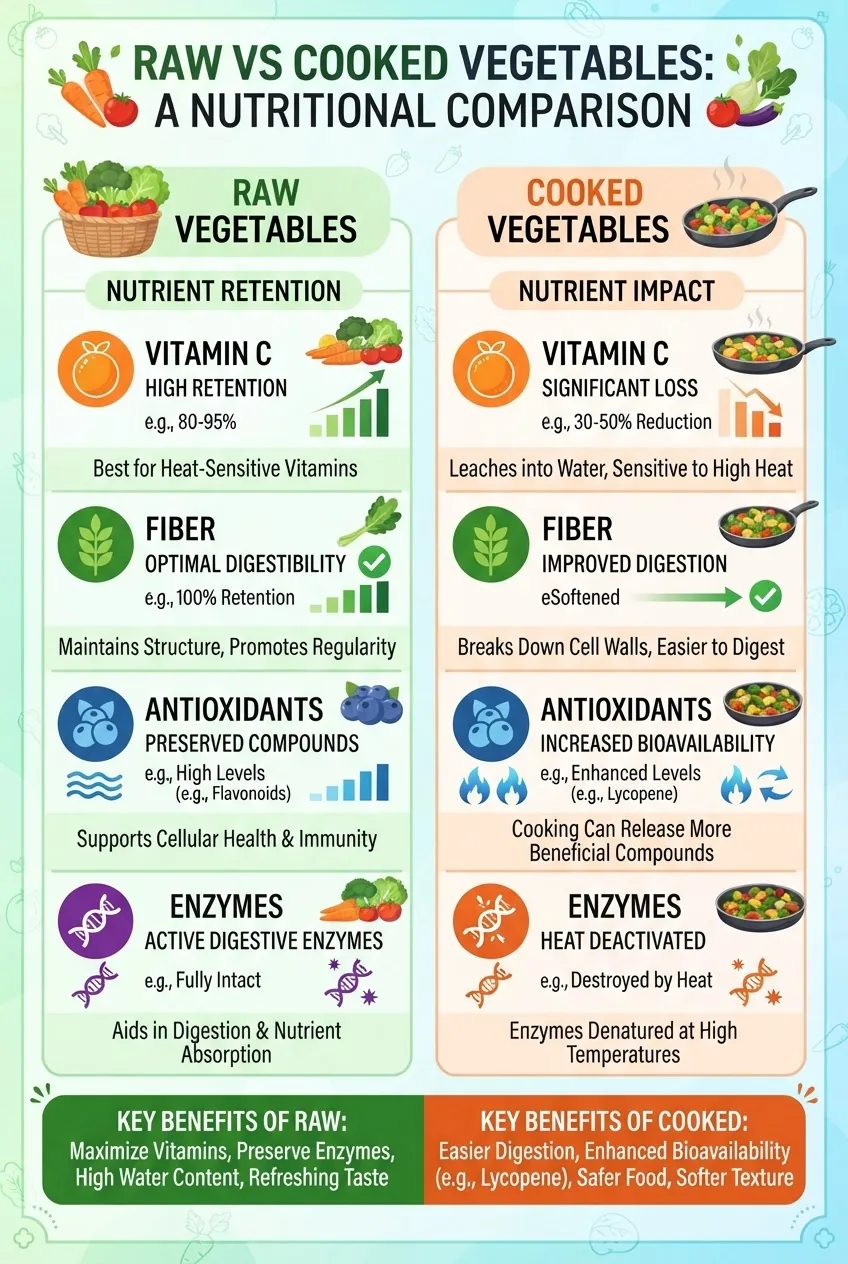
The decision to eat raw or cooked depends on the nutrient of interest, food matrix, and desired texture. Below is a compact comparison table with typical nutrient changes, followed by practical guidance.
| Nutrient/Property | Raw Vegetables | Cooked Vegetables |
|---|---|---|
| Vitamin C | Higher retention in many raw forms; losses up to 20–60% with heat (USDA data, 2023). | Lower in many cases, unless steaming briefly; certain methods reduce losses. |
| Carotenoids (beta-carotene, lycopene) | Present but sometimes less bioavailable; chewing and pairing with fat helps absorption. | Cooking (light oil + heat) increases bioavailability for carrots and tomatoes (peer-reviewed reviews, 2018–2021). |
| Fiber | Intact cell walls preserve mechanical fiber—excellent for satiety and transit. | Certain cooking methods soften fiber and may improve digestibility for sensitive stomachs. |
| Enzymes | Active in raw produce; heat denatures plant enzymes. | Heat inactivates most plant enzymes, which can reduce some functional conversions (e.g., myrosinase activity). |
| Antioxidant activity | High for many raw greens and crucifers; specific compounds vary. | Can increase for some (e.g., cooked tomatoes) or decrease for others depending on time and temperature. |
Practical guidance: for maximum vitamin C and enzyme retention, choose raw or minimally processed (chilled salads, slaws). For carotenoid-rich vegetables like tomatoes and carrots, brief cooking with a small amount of oil increases absorption. For step-by-step preparation techniques that combine both approaches, see How to Prepare Vegetables Guide.
Transition: Choosing raw is partly personal taste and partly safety. Next, learn how to pick, wash, and store raw vegetables so they stay fresh and safe.
How to Safely Select, Wash, and Store Raw Vegetables
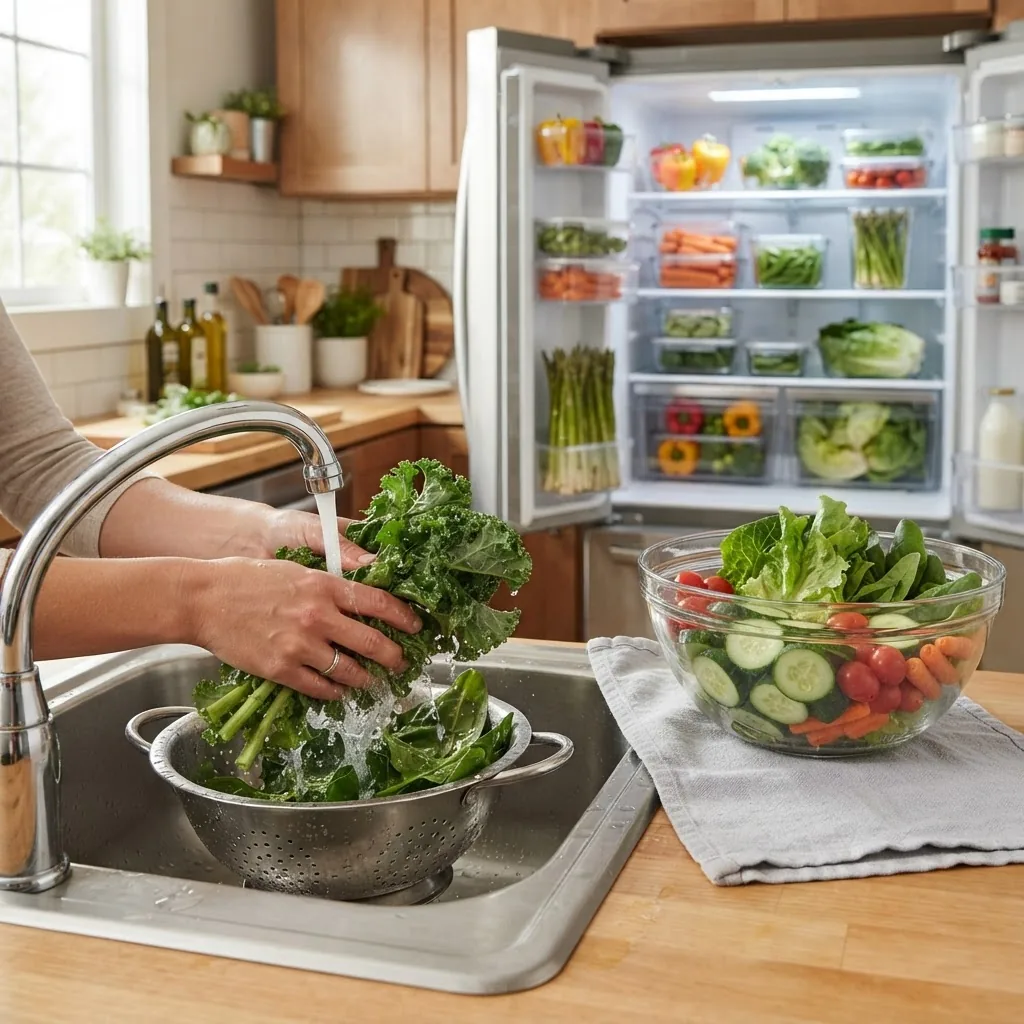
Follow these concrete steps with timings and thresholds to reduce contamination and extend shelf life. Use the Fresh Fruits and Veggies Guide below for sourcing tips.
Fresh Fruits and Veggies Guide
- Inspect at purchase: choose firm, unbruised vegetables; avoid slimy leaves or soft spots. For leafy greens, prefer smaller, fresh-looking leaves. At farmers markets, ask about last harvest time; fresher is better.
- Transport safely: keep produce separate from raw meats; use a cooler or insulated bag when driving in Texas heat—aim to keep produce below 40°F (4°C) if transit exceeds 60 minutes.
- Wash on arrival (2–5 minutes): rinse under cold running water using a colander for firm vegetables and separate leaves for leafy greens. For dirtier root vegetables, scrub with a brush for 20–30 seconds per item.
- Optional mild sanitizing soak (2 minutes): for high-risk raw salads, use a mixture of 1 part white vinegar to 3 parts water or a commercial produce wash; soak 2 minutes, then rinse with cold water thoroughly.
- Dry completely (10–30 minutes): for leafy greens, use a salad spinner, then spread on a clean towel to finish drying. Moisture increases microbial growth; aim for visible dryness before storing.
- Store by category: leafy greens: wrapped in a slightly damp paper towel inside a loose container at 34–38°F (1–3°C); carrots and root vegetables: in a perforated plastic bag, refrigerated; bell peppers and cucumbers: crisper drawer 36–40°F (2–4°C).
- Use timelines: most delicate greens—use in 3–5 days; heartier items (carrots, cabbage, bell peppers)—use within 7–14 days. If produce smells off, is slimy, or shows mold, discard immediately.
- Prepare just before serving: cut and dress raw vegetables within 2 hours of service when possible; if pre-cut, store in sealed containers and consume within 48 hours to minimize nutrient loss and microbial risk.
Food-safety references: follow the FDA’s food handling guidance for produce and the USDA’s storage recommendations—both help set safe temperatures and timelines: FDA, USDA.
Transition: Even with good selection and storage, there are specific risks tied to raw consumption that you should weigh against benefits.
Potential Risks and Considerations When Eating Raw Vegetables
Raw vegetables are generally healthy, but certain risks and anti-nutrients deserve attention. Below are the main concerns and practical ways to address them.
- Bacterial contamination: Salmonella, E. coli, and Listeria outbreaks have been traced to raw produce. Mitigation: wash, dry, and store as directed above; avoid raw produce if immunocompromised (FDA guidance, 2022).
- Anti-nutrients: Compounds like oxalates, phytates, and lectins can bind minerals or affect digestion. Cooking can reduce some anti-nutrients—balance raw intake with cooked preparations for variety.
- Goitrogens: Found in cruciferous vegetables (raw kale, raw broccoli, raw cabbage); these can interfere with thyroid function in large portions for those with iodine deficiency or thyroid disease. Light cooking reduces goitrogenic activity.
- Lectins: Present in some legumes and nightshades; many lectins in beans are deactivated by cooking—avoid eating raw legumes. Nightshade vegetables eaten raw (tomatoes, bell peppers) are generally safe for most people.
- Allergies and oral allergy syndrome: Some individuals react to raw fruits/vegetables due to cross-reactivity with pollen. Cooking may reduce symptoms; consult an allergist for testing.
If you want a deeper treatment of when vegetables may be less beneficial or contraindicated, read the Are Vegetables Bad for You? Informational Health Guide.
Transition: With risks understood, here are practical, tasty raw-vegetable snack and dish ideas tailored for Texas seasons and markets.
Easy Raw Vegetable Ideas and Snacks for Texas Locals
These recipes and snack formats are hands-on: quantities, timings, and local produce pairings are included so you can prepare them immediately after shopping.
-
Quick Texas market salad (serves 2)
Ingredients: 2 cups mixed raw leafy greens, 1 cup halved cherry tomatoes, ½ cup sliced raw bell peppers, ½ medium avocado (diced), 2 tbsp chopped cilantro, dressing: 1 tbsp lime juice, 1 tsp olive oil, pinch salt. Method: toss and serve immediately. Prep time: 8 minutes.
-
Carrot and jicama sticks with chile-lime dip (serves 4)
Ingredients: 3 carrots (cut into sticks), 1 small jicama (peeled, cut), dip: 3 tbsp Greek yogurt, 1 tsp chili powder, 1 tbsp lime juice, salt. Prep time: 12 minutes. Serve chilled.
-
Broccoli-apple slaw with toasted seeds (makes 3 cups)
Ingredients: 2 cups small broccoli florets (chopped), 1 apple (julienned), ¼ cup toasted pepitas, 2 tbsp apple-cider vinaigrette. Method: toss and rest 10 minutes for flavor melding. Portion: ¾ cup per side.
-
Simple crudité platter for gatherings (serves 6)
Vegetables: 3 carrots, 3 celery stalks, 2 cucumbers, 1 pint cherry tomatoes, 1 head cauliflower or broccoli (florets). Dips: hummus (3/4 cup) and a yogurt-herb dip (3/4 cup). Prep time: 25 minutes. Chill for 15 minutes before serving.
-
Massaged kale Caesar (serves 2)
Ingredients: 4 cups chopped kale, 1 tbsp lemon juice, 1 tsp olive oil, 1 tbsp grated Parmesan, ¼ cup croutons. Method: massage kale with lemon/salt for 2–3 minutes until tender; toss with remaining ingredients.
-
Spicy cucumber-tomatillo salsa for chips or topping (yields 2 cups)
Ingredients: 2 cucumbers diced, 6 tomatillos husked and diced, ½ red onion minced, 1 jalapeño (seeded), cilantro, 2 tbsp lime juice. Prep time: 10 minutes. Refrigerate 20–30 minutes to meld flavors.
-
Pickled quick slaw (keeps 4–6 days)
Ingredients: 3 cups shredded cabbage, ½ cup apple-cider vinegar, 1 tbsp sugar, 1 tsp salt. Method: combine and refrigerate 2 hours before serving. Use as sandwich topping or side.
-
Snack-size bell pepper boats (12 boats)
Ingredients: 3 bell peppers halved and seeded, fill with 1½ cups black-bean/tomato salad or cottage cheese. Prep time: 15 minutes. Serve immediately or chill up to 6 hours.
-
Greens + fruit bowl (serves 1)
Ingredients: 2 cups spinach, ½ cup sliced strawberries, 2 tbsp chopped pecans, 1 tsp balsamic. Benefit: pairing fruit increases flavor with raw greens for seasonal Texas fruit such as strawberries (winter-spring local crops).
Practical storage tip: portion raw snacks into clear containers with a paper towel layer to absorb excess moisture; use within 48 hours for best texture and safety. For more meal planning ideas, consult regional guides and the fruit-and-vegetable diet plans linked across the site.
Common mistakes and how to avoid them
I often saw people over-wash and then store wet greens; that caused rapid decay. Solution: wash, spin-dry for 30–60 seconds, and store with a dry paper towel. I also watched friends rely only on raw crucifers for vitamin A—cooking some carrots increases absorption so I now recommend mixing raw and cooked forms weekly.
Checklist: Verify your raw-vegetable workflow
- Produce inspected at purchase; soft spots removed.
- Transported cool (under 40°F if over 60 minutes travel).
- Washed and dried; optional 2-minute vinegar soak for extra cleaning.
- Stored at recommended temperatures and consumed within recommended windows (3–14 days depending on item).
- Balanced raw and cooked vegetables across the week to manage anti-nutrients and bioavailability.
When to call in a professional
Contact a registered dietitian or your healthcare provider if you have thyroid disease, chronic digestive disorders, or are immunocompromised—raw-vegetable recommendations should be personalized. For suspected allergic reactions to raw produce, consult an allergist immediately.
Transition to final summary: below are concise takeaways and a call to action to put this into practice.
Conclusion
Raw vegetables deliver fiber, vitamins, enzymes, and phytochemicals that support digestion, immune health, and satiety. Use the step-by-step selection, wash, and storage routines provided, rotate raw and cooked preparations, and prioritize seasonal Texas produce for flavor and value. Start this week: pick three raw items from the “Best Vegetables” list, prepare one simple recipe above, and track freshness using the checklist.
Ready to build a week of raw-vegetable meals? Shop your local Texas market this weekend and try the Quick Texas market salad as your first step.