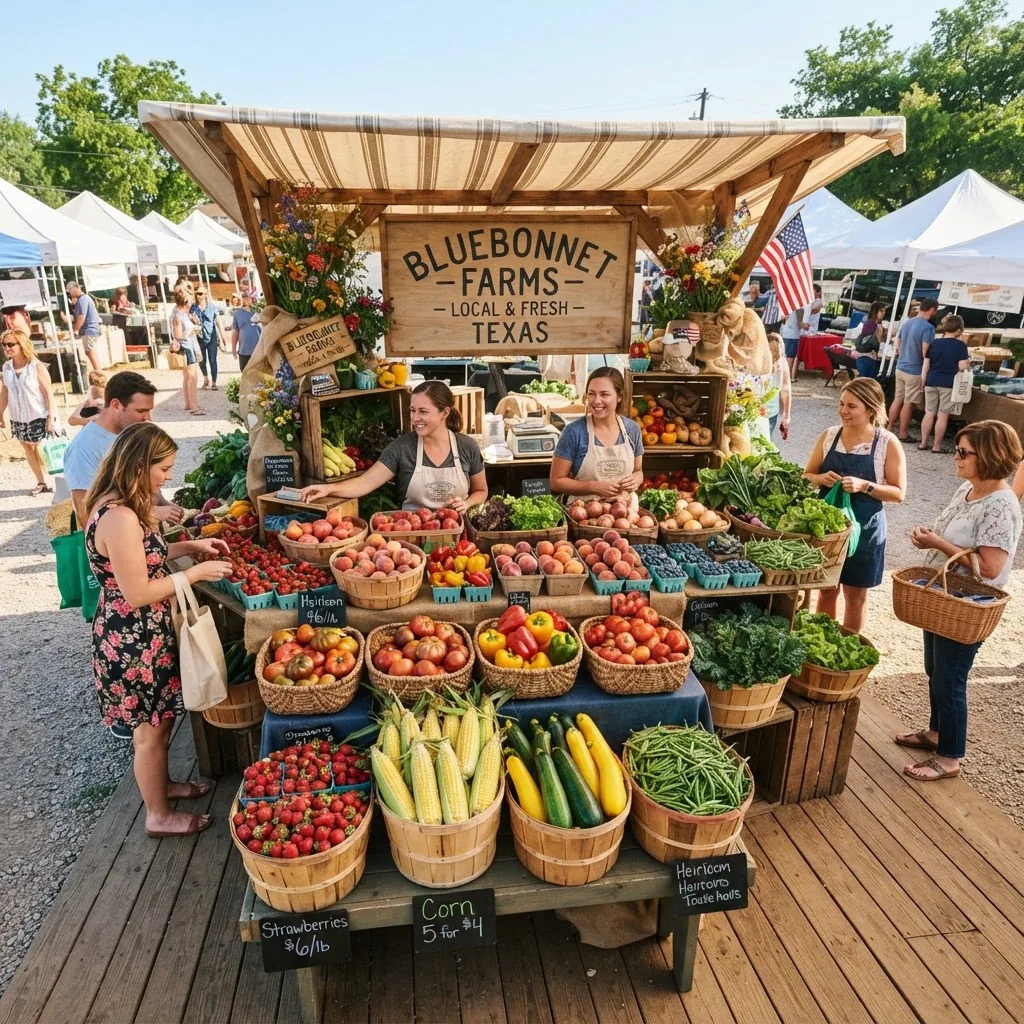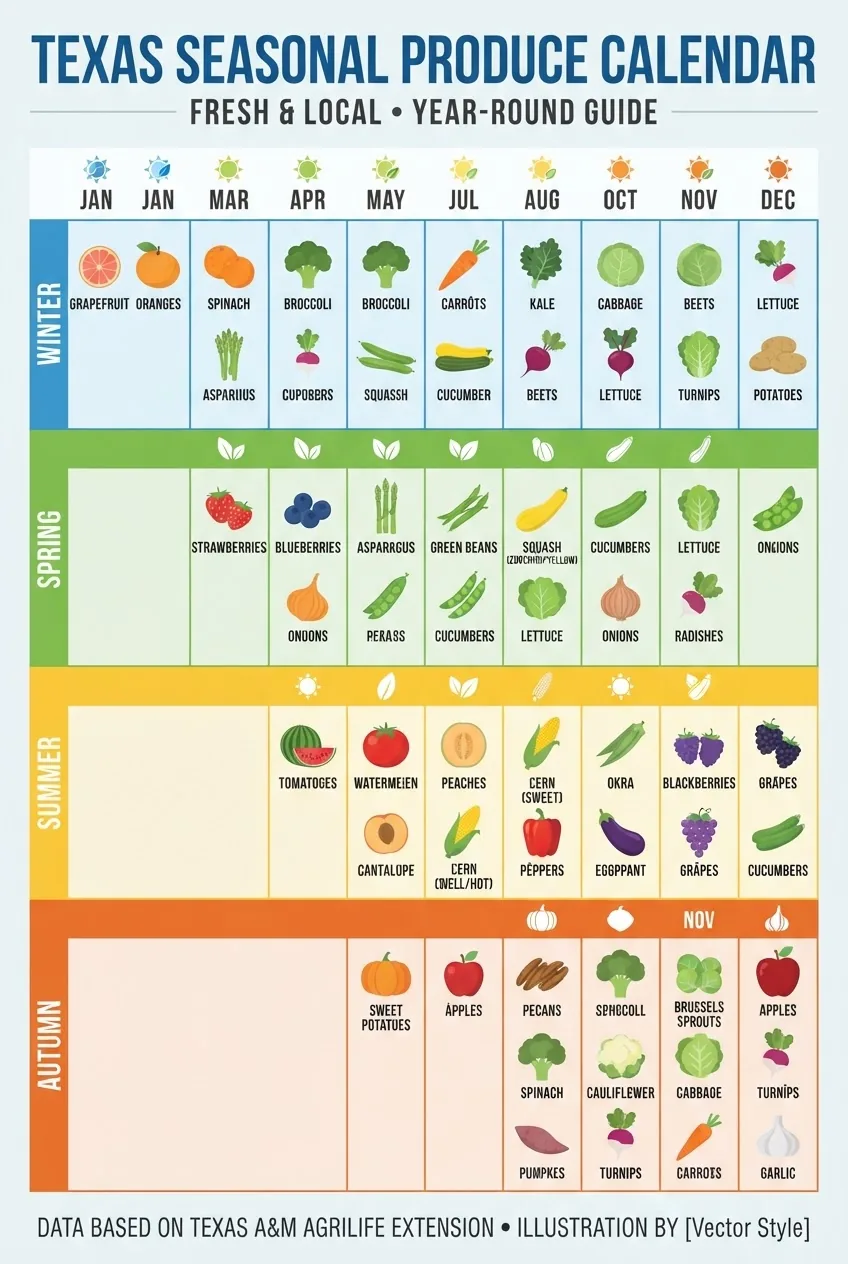
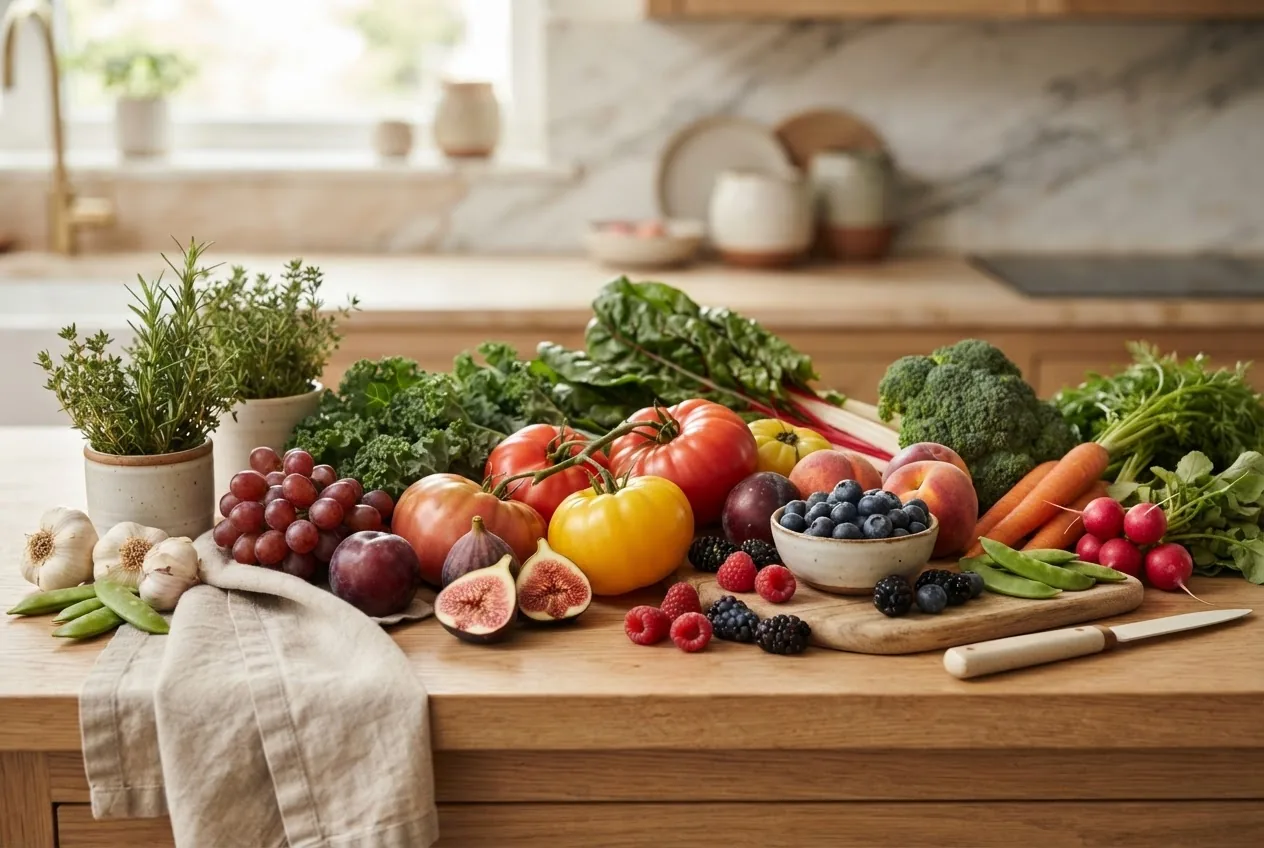
Answer: Right now, the fruits in season depend on location and month; in the U.S. spring brings berries, cherries, apricots and early stone fruit, while summer yields peaches, melons, tomatoes and berries — local farmers’ markets and the monthly table below show exact peaks for Texas and regional availability.
What does “seasonal produce” mean and why does it matter?
Answer: Seasonal produce is fruit or vegetable harvested at its natural peak time, giving better flavor, nutrition, and value compared with out-of-season imports.
Term: Seasonal produce: fruit or vegetable harvested during its natural, local peak growing window when quality, yield, and flavor are highest.
Buying produce when it is in-season usually means fresher texture, higher nutrient density, lower transport time, and often lower environmental impact. Seasonality affects cost, taste and availability; supermarkets fill gaps with imported or greenhouse-grown items outside their local season.
What fruit is in season now in Texas specifically?
Answer: In Texas, seasonal fruit varies by month and region—spring (April–May) brings strawberries, early peaches and cherries in some Hill Country orchards; late spring to summer (May–August) brings peaches, melons, berries, figs and blackberries; fall brings apples and pears.
Term: Harvest window: the typical calendar range when a crop is picked at its peak quality.
Texas spans several USDA hardiness zones and microclimates, so timing varies: coastal plains get earlier fruit than the Panhandle. Check local farmers’ markets or county extension calendars for orchard-specific harvest windows. For backyard growers, chill hours and spring frost dates shift exact ripening by weeks.
What fruits are in season right now across the U.S. by month?
Answer: Use a month-by-month checklist: early-year months favor citrus and winter storage apples; spring opens berries and stone fruit; summer peaks all berries, peaches, melons and tomatoes; fall favors apples, pears and late grapes; winter relies on citrus and stored crops.
Below is a compact month-by-month guide showing common U.S. seasonal fruits and where to expect them. Use it as a shopping checklist and to plan preservation.
| Month | Common in-season fruits | Best uses |
|---|---|---|
| January–February | Citrus (oranges, grapefruits), persimmons, winter apples | Fresh snacking, juicing, braising |
| March–April | Strawberries, early cherries (south/Hill Country), apricots | Desserts, salads, preserves |
| May–June | Cherries, peaches (start), berries, early melons | Grilling, pies, salsas |
| July–August | Peaches, nectarines, watermelon, cantaloupe, blueberries | Cold desserts, smoothies, canning |
| September–October | Apples, pears, grapes, late plums | Baking, drying, fermenting |
| November–December | Citrus returns, pomegranates, storage apples | Holiday cooking, marmalade, roasting |
What spring fruits are in season and when should I buy them?
Answer: Spring seasonal fruits include strawberries, apricots, cherries, loquats and early raspberries; buy them at peak local harvest between March and June depending on region for best flavor and price.
Term: Loquat: a small, soft-fleshed spring fruit grown in warm climates, with sweet-tart flavor and edible skin.
Strawberries typically start in late February to March in southern states and run through May; cherries and apricots appear after flowering, usually April–June in warmer regions. Buy from farmers’ markets at the first local harvest to support growers and get the freshest fruit—late-season supermarket berries are often imported or greenhouse-grown and will taste different.
What summer season fruits should I expect and how long do they last?
Answer: Summer season fruits include peaches, nectarines, melons, watermelon, berries, figs, and tomatoes; they are plentiful May through September, but each fruit’s shelf-life varies from 2–10 days at room temperature or refrigerated, depending on ripeness.
Term: Climacteric fruit: fruit that continues to ripen after harvest, like peaches and bananas, due to ongoing ethylene production.
Peaches and nectarines are climacteric and ripen quickly; store slightly firm fruit at room temperature for a day or two, then refrigerate. Melons and watermelons are best when heavy and fragrant; cut melons last 3–5 days refrigerated. Berries are delicate—consume within 2–4 days and avoid washing until use to extend life.
Are grapes and cherries in season now?
Answer: Cherries in the U.S. are typically in season late spring through early summer (April–June in warmer zones); grapes generally ripen late summer into fall (August–October), though table grapes and different varieties extend availability.
Cherries are short-season and local windows close quickly; buy small quantities and consider freezing or preserving unless you have immediate use. Grapes for fresh eating are harvested later and vary by variety—concords, table grapes and wine varieties have different harvest times and regions, extending the overall grape season across months.
When are green beans, zucchini and broccoli in season?
Answer: Green beans and zucchini (summer squash) are peak-season summer crops (June–September), while broccoli is a cool-season crop with spring and fall peaks (March–May and September–November).
Green beans and zucchini are tender when small and should be collected or purchased frequently to maintain texture. Broccoli thrives in cooler weather; in Texas and southern states, fall-grown broccoli can be superior in flavor to spring plantings. For the freshest produce check weekly farmers’ market listings.
What is the best way to buy seasonal fruit at a grocery store or market?
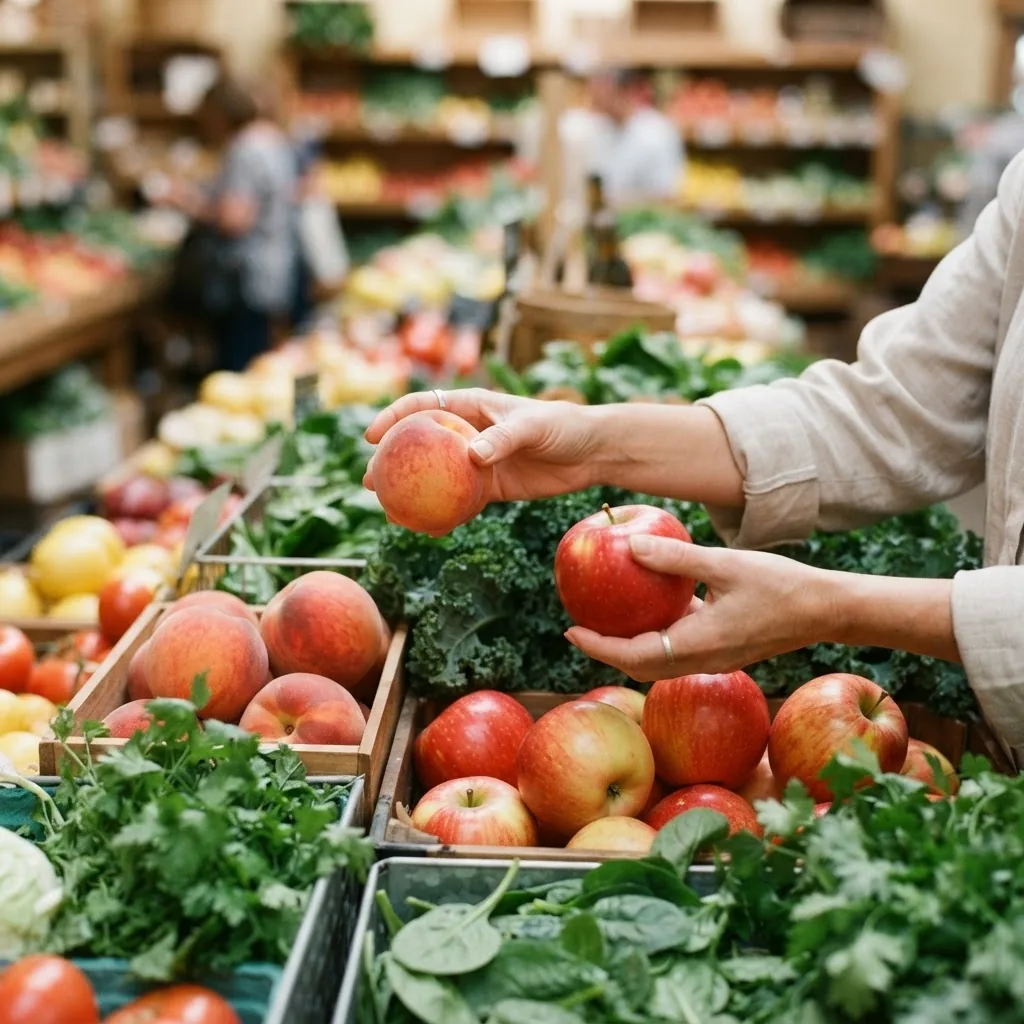
Answer: Buy seasonal fruit by checking weight, aroma and texture: heavier fruit for size implies ripeness, aroma signals flavor development, and gentle yield for climacteric fruit shows ripeness; prioritize local produce tables and talk to vendors about harvest dates.
At farmers’ markets, vendors can tell you harvest dates—ask whether fruit was harvested that morning or earlier in the week. At grocery stores, look for USDA grade labeling only as general quality markers; seek produce from local suppliers and use purchase timing to plan immediate meals for delicate items.
How can I tell if fruit is ripe and ready without cutting it open?
Answer: Use scent, firmness, color and weight: fragrant aroma equals sugar development; slight give on climacteric fruit signals ripeness; color should match the ripe variety; heavier fruit often indicates juiciness.
Different fruits have different signs—peaches soften with a sweet scent, avocados slightly yield near the stem and color darkens, melons smell musky at the stem end and feel heavy. For firm fruits like apples and pears, color and firmness plus stem condition matter; avoid fruit bruised or with mold.
What fruits and vegetables are in season in spring in Texas and nationwide?
Answer: Spring seasonal fruits in Texas and across much of the U.S. include strawberries, rhubarb (in some regions), early cherries, apricots, and asparagus as a transitional vegetable; nationwide variations depend on latitude and elevation.
Spring vegetables in season often include baby greens, peas, asparagus, radishes and new potatoes. For Texas specifically, southern and coastal growers harvest earlier than northern growers. Consult local extension calendars for precise dates and check farmers’ markets for freshly harvested spring produce.
What fruits are in season in summer and how should I preserve surplus?
Answer: Summer season fruits are peaches, nectarines, berries, melons, figs and plums; preserve surplus by freezing, making jam, drying, or canning to lock in flavor and nutrients for winter months.
Preservation methods:
- Freezing: clean, slice, lay on trays to pre-freeze, then bag to avoid clumping.
- Jam or preserves: cook with sugar or low-sugar pectin according to tested recipes.
- Drying: use a dehydrator or low oven for uniform dehydration.
- Canning: follow reliable water bath or pressure canning guides for safety.
Follow tested recipes for acidity and time when canning; improper canning risks food safety.
When is corn season and what should I know about buying sweet corn?
Answer: Sweet corn season in most U.S. regions runs from late spring through early fall (roughly June–September); buy ears when kernels are full and milky, husks are green and tight, and silk is moist and slightly sticky.
Term: Sweet corn: a variety of maize bred for high sugar content; best eaten close to harvest since sugars convert to starch rapidly after picking.
For peak flavor, buy corn from local vendors and plan to cook within 24–48 hours. If you must store, refrigerate husks on and use quickly; for longer storage, blanch and freeze kernels or whole cobs for later use.
Is watermelon in season right now and how to choose a ripe one?
Answer: Watermelon is in peak season in summer (July–September in many states); choose a ripe melon by weight, a creamy yellow field spot where it rested, hollow-sounding thump, and uniform shape without soft spots.
Watermelons do not ripen after harvest, so choose one that is heavy for its size and has a pronounced yellow field spot; sugar content and texture depend entirely on field ripeness. Seedless varieties perform like seeded types for ripeness cues, except seeds are tiny or absent.
When is papaya season and how common is papaya seasonality in Texas?
Answer: Commercial papaya season in tropical regions is year-round; in Texas, papaya is not widely grown outdoors except in protected microclimates, so local availability depends on greenhouse or imports, with U.S. grocery store supplies mostly imported year-round.
Term: Microclimate: a small area with environmental conditions different from the surrounding region, allowing non-native crops to grow.
For Texas buyers seeking papaya, look for imports labeled by origin; peak freshness often aligns with shipments, not local harvest. For home growers in South Texas, papaya may fruit multiple times yearly if frost is absent and irrigation is steady.
What is the eggplant season and how does it vary by region?
Answer: Eggplant season is generally mid-summer through early fall (July–October) in most U.S. regions; in warm climates like Texas it begins earlier and can extend if frost is absent.
Eggplant prefers warm soils and long days. Choose glossy, firm fruit with tight skin; avoid wrinkled or spongy specimens. In Texas, small Asian varieties may set fruit earlier than large globe types. Harvest when glossy and before seeds darken for best texture.
What fruits and vegetables are in season by month for planning meals and shopping?
Answer: Use the following expanded monthly checklist for meal planning—each month lists widely available seasonal items in the U.S. to guide shopping, recipes, and preservation schedules.
January
Citrus (oranges, grapefruit, tangerines), persimmons, stored apples and pears, root fruits in storage, greenhouse spinach and kale.
February
Citrus, early greenhouse strawberries in warmer zones, winter pears and apples, storage citrus varieties.
March
Strawberries begin in southern markets, early rhubarb, spinach and asparagus in cooler regions starting to appear.
April
Strawberries widespread, early cherries in warm microclimates, apricots beginning in some regions, spring greens and peas.
May
Cherries, apricots, early peaches, berries expand, new potatoes, asparagus waning, early melons in very warm zones.
June
Full berry season, peaches begin, nectarines, cherries taper, early melons, tomatoes appear in warmth.
July
Peak stone fruit and melon season, blueberries, figs, beginning of tomato abundance, sweet corn in many regions.
August
Peaches, plums, figs, grapes start in some areas, tomatoes and peppers plentiful, watermelon peak in many states.
September
Apples and pears come into peak, grapes for fresh eating and wine varietals, late peaches and plums, persimmons appear in some regions.
October
Apples and pears at full range, late grapes, pomegranates in some warm regions, squash and storage crops dominate markets.
November
Citrus returns in some places, pomegranates, stored apples, hardy pears, late persimmons, root vegetables prominent.
December
Citrus at peak, storage apples and pears, tropical imports supply other items, many fall crops continue in market.
How do seasonal patterns affect cost, and how can I save money buying seasonal produce?
Answer: Seasonal abundance lowers cost because supply increases; save money by buying in-season, shopping farmers’ markets late in the week for discounts, and preserving surplus when prices drop.
Strategies to save:
- Buy bulk during peak and freeze or can to use later.
- Shop at local markets where transport costs are lower and prices drop toward end-of-day.
- Compare unit prices at stores and consider imperfect-but-cheaper “seconds” for cooking and preserves.
Avoid speculative purchases of delicate fruits when out of season—they cost more and are often lower quality.
What storage methods keep seasonal fruit fresh longer at home?
Answer: Use appropriate storage per fruit: refrigerate berries and grapes, store apples in the fridge to slow ripening, keep melons whole at room temperature until cut, and use breathable bags for ethylene-sensitive items.
Storage tips:
- Do not wash berries until use to prevent mold.
- Separate ethylene producers (apples, bananas) from ethylene-sensitive items (leafy greens) to prevent premature ripening.
- Use perforated plastic or breathable produce bags to balance humidity and airflow.
For long-term storage, blanch and freeze vegetables or cook and jar fruit preserves according to tested recipes to maintain safety and quality.
What are the best preservation methods for different fruits?
Answer: Match preservation to fruit texture and sugar: freeze berries and stone fruit (sliced or pureed), make sugar-based jam from high-pectin fruits or add pectin to low-pectin fruit, dry grapes for raisins, and water-bath can high-acid fruits safely.
Preservation by fruit:
- Berries: freeze on trays and bag, or make coulis/puree before freezing.
- Stone fruit: slice, treat with ascorbic acid to prevent browning, freeze or can in syrup.
- Apples/pears: slice and freeze, dry, or make applesauce and transition to canning or freezing.
- Citrus: juice and freeze, zest before freezing for preserved flavor.
When canning, follow tested recipes that specify acidity, sugar and processing times to avoid food safety risks.

What fruits are commonly available year-round and why?
Answer: Bananas, citrus, apples, tomatoes, and certain tropical fruits are commonly available year-round due to global production, cold storage, and greenhouse or controlled-atmosphere shipping methods.
Term: Controlled-atmosphere storage: a refrigerated technique that adjusts oxygen and carbon dioxide to slow respiration and aging of stored fruit.
Year-round availability often relies on imports from different hemispheres, greenhouse production, or long-term storage technologies. Quality and flavor may differ from local in-season crops because of harvest timing and storage impacts; for the best taste, prioritize local seasonal produce when possible.
What fruits are best for quick snacks, baking, canning, and freezing?
Answer: Quick snacks: grapes, apples, berries; baking: apples, pears, berries, stone fruit; canning: high-acid fruits (berries, stone fruit with sugar) and pickled items; freezing: berries, peaches, mango, cherries freeze well after prep.
Choose fruit by intended use:
- Snacking: choose firm, ready-to-eat fruits with clean skins.
- Baking: select slightly underripe fruit with good acidity to balance sugar.
- Canning: use ripe, flavorful fruit and follow safe canning recipes for acidity and processing.
- Freezing: blanch or treat slices when needed; sugar or syrup packs improve texture for some fruits.
Match sugar levels in recipes if using frozen fruit; adjust liquid and cooking time accordingly.
What fruits and vegetables are in season in fall, and what should I prepare for?
Answer: Fall season brings apples, pears, grapes, persimmons, late figs, and storage-root vegetables; prepare for canning, drying and roasting, and for picking-your-own opportunities at orchards.
Fall is the season to prepare long-term stores: apples and pears can be stored in cool, humid conditions for months; grapes can be dried or turned into preserves; pumpkins and winter squash store well and provide years-round meals when cooked and frozen or canned (follow safe canning guidance for low-acid vegetables). Use fall fruit for baking and fermentation projects like wine or cider when appropriate.
What fruits are in season in September and how do they differ from May fruits?
Answer: September fruits are often apple, pear, grape, late-summer stone fruit and early pomegranates, while May fruits include early strawberries, cherries, and apricots—May favors spring berries and delicate stone fruit; September favors storage fruits and grapes with higher tannin and sugar balance.
The shift from spring to fall changes texture and culinary uses: May fruit is tender and best fresh or lightly cooked; September fruit often suits baking, drying and long-term storage. Plan menus accordingly—fresh salads and salsas in May versus pies and preserves in September.
What vegetables are in season now that complement seasonal fruits?
Answer: Current seasonal vegetables that pair with fruits include asparagus and peas in spring; corn, tomatoes and peppers in summer; root vegetables and squash in fall; leafy greens and brassicas in cooler months.
Pairings to consider:
- Strawberries with baby greens and balsamic in spring salads.
- Tomatoes, sweet corn and peaches for salsas and salads in summer.
- Baked apples with roasted root vegetables for fall menus.
For seasonal vegetable details consult our spring vegetables guide and the broader fruit types pillar for nutritional context: spring vegetables guide and Fruit Types Guide.
How can home gardeners use seasonality to plan plantings and harvests?
Answer: Plan plantings by hardiness zone and expected frost dates: plant cool-season crops to harvest in spring/fall, warm-season crops after last frost for summer harvest; stagger plantings to extend harvest windows and succession-plant for continuous supply.
Home gardeners should map microclimates, choose appropriate varieties (early/late), and use season extension techniques like row covers, hoop houses, and mulches to shift harvest windows. Keep a simple harvest calendar noting planting dates and typical days-to-harvest for each variety to plan dinner menus around fresh availability.
What fruits are best bought organic vs conventional when in season?
Answer: Buy organic for thin-skinned fruits that are harder to wash thoroughly (berries, stone fruit) to reduce residue exposure; for thick-skinned or low-residue items (melons, avocados), conventional purchases are often acceptable when budget is a concern.
Use prioritized lists such as the “Dirty Dozen” concept cautiously; wash all produce thoroughly. When buying organic, seasonal availability is often more limited, so check local certified farms for seasonal organic listings and balance cost with frequency of consumption to decide where organic matters most for you.
What are common problems with seasonal fruit and how can I troubleshoot them?
Answer: Common issues include overripeness, mold, pests, and flavor loss; troubleshoot by choosing firm stock, storing correctly, refrigerating delicate fruit, and washing/inspecting for damage before purchase or preservation.
Troubleshooting tips:
- Mold on berries: discard affected fruit and rinse the rest in cold water with a splash of vinegar if you plan to cook or freeze them.
- Overripeness: use immediately in smoothies, sauces or baked goods.
- Pest damage: avoid bruised or chewed fruit which spoils quickly and can introduce microbial growth.
If multiple packages of the same fruit at a market show issues, ask the vendor about harvest timing or storage practices before buying.
What foods are currently in season to plan a week’s menus?
Answer: Plan a week’s menu around prominent seasonal items—combine fruit salads and berry breakfasts with grilled stone fruit for dinner, tomato-corn salads, and roasted apples or pears for desserts depending on the month and local availability.
Example weekly plan using summer in-season produce:
- Monday: Berry and yogurt breakfast, corn-tomato salad for dinner.
- Tuesday: Peach smoothie, grilled chicken with peach salsa.
- Wednesday: Melon and prosciutto appetizer, zucchini and tomato pasta.
- Thursday: Fruit-forward salad with spinach and strawberries, fish with mango salsa.
- Friday: Pizza with fresh tomato and basil, berry shortcakes.
- Saturday: Farm-stand fruit pancakes, evening grilling with grilled peaches.
- Sunday: Preserve-making day: freeze berries or make peach jam.
This approach reduces waste and leverages peak flavor and prices.
Where can I find reliable, local season calendars and harvest dates?
Answer: Use county extension offices, state agriculture departments, farmers’ market organizers, and local cooperative extension service calendars for reliable harvest dates and local season calendars.
For Texas, county extension websites and local cooperative extension agents post bloom and harvest updates. National resources list growing regions but local sources are superior for precise timing. Visit farmer markets and ask vendors for harvest dates—most growers are willing to share peak windows and storage practices.
What health and nutrition differences exist between in-season and out-of-season fruit?
Answer: In-season fruit often has higher nutrient density and phytochemical levels because it is picked riper and consumed soon after harvest, while out-of-season fruit can lose vitamins during long transport and storage.
Freshly harvested produce holds more vitamin C and certain phytonutrients which degrade with time; however, frozen fruit processed at peak ripeness can retain nutrients comparably to fresh in-season produce. Nutritional differences are meaningful for some vitamins but eating a variety of fruits year-round remains beneficial.
What fruits are good candidates for low-sugar preserving methods?
Answer: Berries, tart apples, rhubarb and certain stone fruits work well with low-sugar preserving methods when combined with pectin or using sugar substitutes and proper preservation techniques to maintain texture and safety.
Low-sugar preserves require attention to pectin and acid balance; many recipes use commercial low-sugar pectin or can be frozen instead of water-bath canning to avoid safety concerns. For drying, sugar is optional; dried tart fruits often rehydrate well for baking or snacking.
How do I interpret “peak” months listed by sellers or guides?
Answer: “Peak” indicates a window when a fruit is most abundant locally and exhibits top flavor and texture—interpret it as a guideline rather than a strict calendar date because weather, variety and microclimate shift exact timing.
Use peak-month ranges to plan purchases and preservation, but verify with local vendors. Peak may also indicate the best bargain times when supply outstrips demand, creating opportunities for bulk buying and preserving.
Where can I learn more about fruit types, benefits and storage methods?
Answer: Read comprehensive guides on fruit types, seasonal vegetables, and preservation; start with the Fruit Types Guide and linked resources around seasonality and nutrient content for in-depth charts and tips.
Relevant internal resources:
- Fruit Types Guide with Benefits and Nutritional Information
- Cantaloupe Season Guide
- Spring Vegetables Guide
These pages include pictures, nutrition facts, and practical selection tips for many commonly consumed fruits and vegetables.
Frequently Asked Questions
What fruit is in season now in April in Texas?
April in Texas typically features local strawberries, early cherries in Hill Country pockets, apricots and spring stone fruit beginnings; availability varies by year and microclimate, so check farmers’ markets and local extension listings for current harvest updates and vendor reports.
When are cherries in season in Texas?
Cherries in Texas are usually harvested briefly in late March through May in warmer microclimates like the Hill Country; many areas rely on imports, so local cherry presence is short—buy early in the local season and preserve or use immediately due to short shelf-life.
Are grapes in season now and how long do they last?
Grapes are generally in season late summer through fall (August–October) in many U.S. regions; after harvest, refrigerated grapes stay fresh 1–2 weeks when kept dry and unwashed until use, or can be frozen for smoothies and cooking.
When is zucchini in season and how should I store it?
Zucchini season runs mid-summer through early fall (June–September); store zucchini refrigerated unwashed in a perforated bag for up to one week, and use early for best texture—overripe fruit becomes seedy and watery for cooking.
What fruits and vegetables are in season right now for making jam?
Current jam-friendly fruits typically include berries, peaches, plums and late-spring stone fruits; choose fruit at peak ripeness, follow tested jam recipes for sugar and pectin content, and use water-bath canning instructions to preserve safely.
When is broccoli in season and where is it best sourced?
Broccoli is a cool-season crop with spring and fall peaks (March–May and September–November); source the best broccoli from local growers during these windows when heads are tight and dark green—summer broccoli tends to bolt and become fibrous.
What fruits are in season in September for baking pies?
September is ideal for apples, pears, late plums and the tail end of peaches—these fruits all make excellent pies due to balanced acidity and structure; choose slightly firm fruit for baking to maintain texture during cooking.
How can I find what foods are currently in season near me?
Find current local seasons by checking county extension calendars, farmers’ market postings, local farm social media, and asking market vendors; local cooperative extensions provide region-specific planting and harvest schedules for precise timing.
Disclaimer: This guide provides general seasonal produce information; consult a registered dietitian or physician for personalized dietary advice, especially for food allergies or special health conditions.