
A healthy condition is a dynamic state of physical and mental well-being supported by balanced physiology, resilient immunity, and sustainable lifestyle habits that reduce disease risk; maintaining it combines nutrition, activity, sleep, stress management, hydration, and preventive care to keep the body in stable homeostasis and functional vitality.
What Does Healthy Condition Mean?
Answer: A healthy condition is an active, balanced state of physical and mental functioning in which the body’s systems maintain homeostasis, support daily energy and resilience, and lower disease susceptibility through modifiable behaviors and timely medical care.
Homeostasis: the body’s process of keeping internal conditions (temperature, pH, glucose) steady despite external changes.
Define healthy condition succinctly: it is not merely absence of illness but a continuum of well-being across physical health, mental health, and metabolic resilience. Examples: a person with stable blood pressure, good sleep quality, regular energy levels, and active coping skills demonstrates a healthy condition; another example is someone who recovers quickly from minor infections due to effective immune responses.
Physiological perspective: a healthy condition implies effective cardiovascular function, metabolic regulation, efficient nutrient absorption, and robust immune surveillance. Psychological perspective: emotional stability, cognitive clarity, and mental resilience are core to sustaining healthy behaviors. Lifestyle perspective: sustained habits—balanced diet, consistent activity, sleep hygiene—create the environmental inputs that support this state.
Key contrasts: While acute health episodes are temporary deviations, chronic unhealthy patterns (poor diet, inactivity, persistent stress) shift baseline physiology toward inflammation, insulin resistance, and higher chronic disease risk. Maintaining a healthy condition focuses on small, repeatable practices that preserve physiological setpoints and functional capacity.
Real-world scenario: a 55-year-old who monitors blood pressure, seeds daily activity into routine, prioritizes sleep, and receives age-appropriate screenings maintains a healthy condition that delays or prevents hypertension-related damage—this demonstrates prevention through daily practice.
Transition: Understanding what a healthy condition looks like leads naturally into measurable indicators you can track to know where you stand.
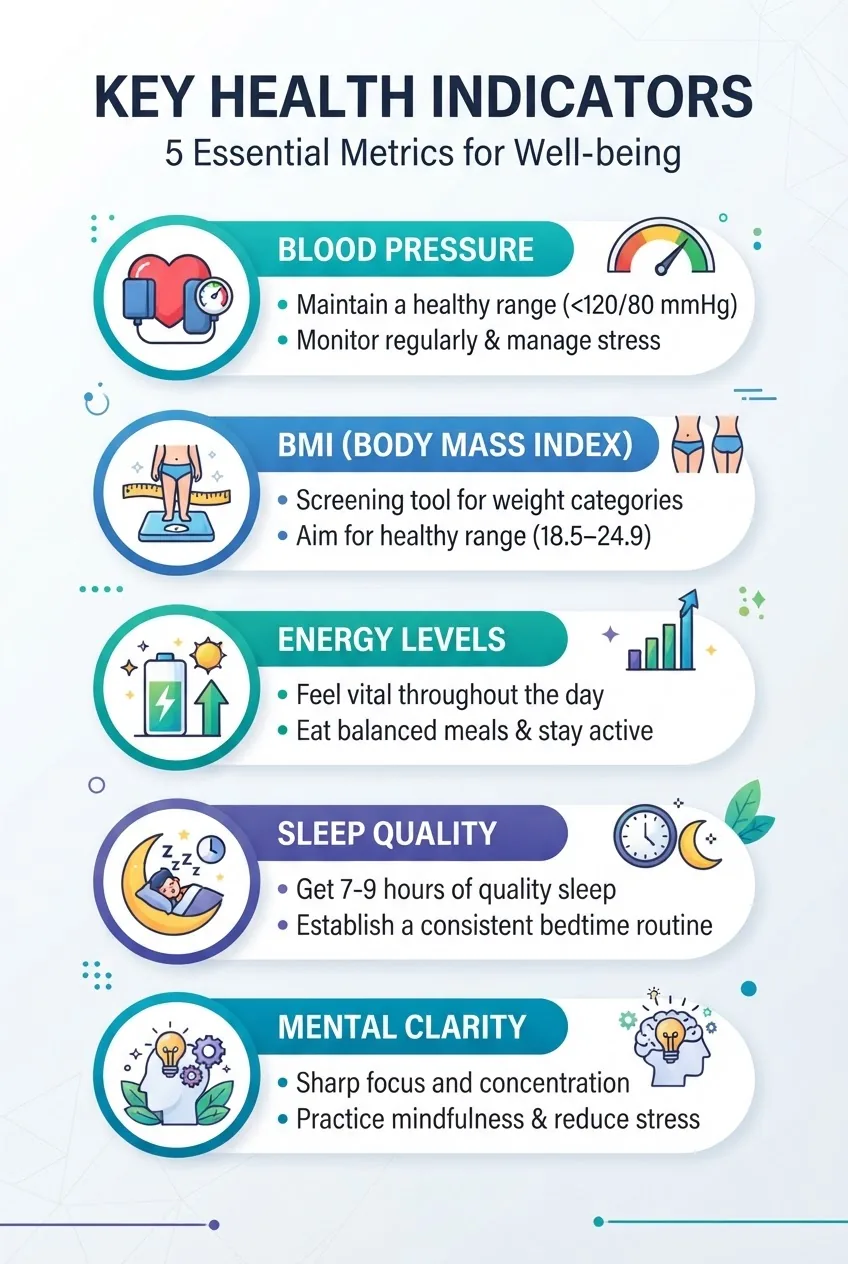
Key Indicators of a Healthy Condition
Answer: Measurable signals—blood pressure, body mass index (BMI), resting heart rate, energy levels, sleep quality, and mental clarity—collectively indicate whether your body operates within healthy ranges and help target preventive actions.
Body mass index (BMI): a weight-to-height ratio used to screen for weight categories linked to health risk.
-
Blood pressure: Normal resting blood pressure (typically <120/80 mmHg) reflects vascular health; sustained hypertension raises cardiovascular and kidney disease risk. According to a 2023 CDC report, controlled blood pressure reduces stroke and heart disease incidence.
dietary factors and eating stats - Body mass index (BMI) and body composition: BMI screens for overweight and obesity, but body composition (fat vs. muscle) better predicts metabolic risk; track waist circumference for visceral fat risk. Higher visceral fat correlates with inflammation and chronic disease.
- Energy levels and metabolic health: Consistent daytime energy and stable blood glucose indicate efficient metabolic regulation; persistent fatigue can signal nutrient deficiencies, sleep debt, or chronic inflammation.
- Sleep quality: Duration and restorative sleep phases support hormonal balance and memory consolidation; poor sleep increases appetite hormones and cardiometabolic risk. According to a 2024 industry report on sleep, regular 7–9 hours markedly lowers chronic disease markers.
- Mental clarity and mood stability: Cognitive sharpness and emotional regulation reflect neurochemical balance and stress load; prolonged anxiety or depression often co-occurs with poor physical health and higher inflammation markers.
- Immune responsiveness: Frequency and severity of infections indicate immune resilience; balanced nutrition, sleep, and stress management bolster immune surveillance.
- Functional fitness: Baseline strength, endurance, and mobility—measured by simple tests (e.g., timed walk, grip strength)—predict independence and lower chronic disease trajectories.
How to track: set periodic checks—home blood pressure logging, weight and waist circumference monthly, sleep tracking for weeks, and mood energy journaling. Use healthcare screenings for labs (lipids, glucose, A1c) to quantify risk and progress.
Transition: Nutrition is the central input shaping most of these indicators; the next section explains how to use food to sustain a healthy condition.

The Role of Nutrition in Maintaining a Healthy Condition
Answer: Nutrition sustains cellular function, immune defense, and metabolic balance through adequate macro- and micronutrients, antioxidants, fiber, and proper hydration, directly influencing disease prevention and long-term vitality.
Macronutrients: carbohydrates, proteins, and fats that provide energy and structural components for tissues.
Nutrition science shows that balanced intake of macronutrients tailored to activity level, along with sufficient micronutrients (vitamins and minerals), supports energy, immune function, and repair. Antioxidants (e.g., vitamins C, E, polyphenols) reduce oxidative stress linked to aging and chronic disease; define antioxidants: molecules that neutralize free radicals and protect cellular components.
Practical diet tips grounded in evidence:
- Prioritize whole foods: vegetables, fruits, whole grains, legumes, lean proteins, nuts, and seeds to maximize nutrients per calorie.
- Balance macronutrients at meals: include a protein source (20–30 g), fiber-rich carbs, and healthy fats to stabilize blood glucose and satiety.
- Ensure micronutrient adequacy: iron, vitamin D, B12, calcium, magnesium—test levels if risk factors exist and supplement when clinically indicated.
- Hydration: adequate water supports digestion, circulation, and temperature regulation—monitor urine color as a simple cue.
Trade-offs and flexibility: Strict regimens can yield rapid results but may reduce adherence; flexible, nutrient-dense patterns (e.g., Mediterranean-style) often produce sustained benefits with lower dropout rates. For some goals (weight loss, athletic performance) temporary stricter control may be appropriate under guidance.
Specific strategies for disease prevention:
- Increase plant-based foods to raise fiber intake, lower LDL cholesterol, and support microbiome diversity.
- Reduce processed food and added sugars to lower cardiometabolic risk and inflammation—According to a 2023 NIH review, reducing added sugars improves triglycerides and insulin sensitivity.
- Include omega-3 rich foods (fatty fish, walnuts, flaxseeds) for cardiovascular and neuroprotective effects.
Examples and resources: For structured meal plans that support nutritional balance consider programs that emphasize portion control and diversity. 21 Day Fix meal plan benefits. For practical weekly recipes, see clean eating meal plans and balanced nutrition meal plans.
Population-specific guidance: families and students have unique needs—see practical adaptations in healthy eating for families and healthy eating for students.
Satiety and appetite control: choose high-fiber foods and protein-rich meals to increase fullness—see practical lists in foods that promote satiety.
Practical limitations and when to seek help: dietary changes may require testing (lipids, vitamin D, iron) to tailor interventions; consult a registered dietitian or clinician for personalized plans. For evaluating evidence and clinical guidance, consult the NIH for peer-reviewed studies and recommendations.
Transition: Nutrition interacts with activity—next we outline how physical activity directly prevents disease and preserves healthy condition.

Physical Activity and Its Impact on Disease Prevention
Answer: Regular physical activity improves cardiovascular health, raises metabolic rate, builds muscle strength and endurance, improves insulin sensitivity, and lowers risk for many chronic diseases when combined with consistent progression and recovery.
Cardiovascular health: heart and vascular system function improved through aerobic activity, lowering blood pressure and LDL cholesterol.
How-to steps to integrate activity for disease prevention:
- Assess baseline: start with a short fitness test (e.g., 6-minute walk or timed sit-to-stand) and consult a clinician if major risk factors exist.
- Set weekly structure: aim for 150–300 minutes of moderate aerobic activity or 75–150 minutes of vigorous activity plus two resistance sessions per week to build muscle.
- Choose exercise types: combine brisk walking or cycling (cardio), bodyweight or weight training (strength), and flexibility/mobility work (yoga, stretching).
- Progress safely: increase duration or intensity by ~10% per week; prioritize form and recovery to prevent injury.
- Manage timing: schedule workouts based on personal energy, and if exercising post-meal consider guidance on meal timing; see when to work out after eating.
Benefits by system:
- Cardiovascular: lowers resting heart rate, improves endothelial function and reduces hypertension—According to a 2024 American Heart Association update, regular moderate activity cuts heart disease risk substantially. American Heart Association
- Metabolic: improves insulin sensitivity and supports healthy body composition.
- Musculoskeletal: resistance training preserves muscle mass, reduces fall risk, and supports long-term mobility.
- Immune and mental health: moderate activity enhances immune surveillance and reduces symptoms of anxiety and depression.
Trade-offs: High-intensity training can yield faster fitness gains but increases injury risk and requires longer recovery; low-to-moderate consistent activity provides broad disease prevention benefits with minimal risk. For older adults, prioritize balance and functional strength to reduce disability risk.
Sample weekly plan:
- Mon: 30–45 min brisk walk + 10 min mobility
- Tue: Strength training (full body) 30–40 min
- Wed: 30 min cycling or swim
- Thu: Strength or interval session 25–35 min
- Fri: 30 min brisk walk + stretching
- Sat: Active recreation (hiking, dance) 60 min
- Sun: Rest or light mobility
Integration with diet: combine resistance plus protein intake for muscle maintenance; use the health diet exercise guide for combined programming.
Transition: Physical health is tightly linked to mental health; next we explain psychological wellness and practical stress management techniques that protect physical health.
Psychological Wellness and Its Connection to Physical Health
Answer: Psychological wellness—stress reduction, mindfulness, and emotional regulation—lowers chronic stress hormones, reduces systemic inflammation, and supports behaviors that maintain a healthy condition and prevent disease.
Stress reduction: active processes that lower physiological arousal (cortisol, adrenaline) and restore balance.
Mechanisms: chronic stress raises cortisol, which impairs immune function, disrupts sleep, increases appetite for calorie-dense foods, and accelerates metabolic dysfunction. Building mental resilience and managing anxiety reduces these physiological cascades.
Practical stress-management techniques:
- Mindfulness and meditation (10–20 minutes daily) to reduce rumination and lower sympathetic activation—see mindful eating tips for overlap with eating behaviors.
- Cognitive-behavioral techniques to reframe stressors and reduce avoidance behaviors.
- Social support and community engagement to buffer stress and increase life satisfaction.
- Practical routines: brief breathing exercises, scheduled downtime, and physical activity for mood regulation.
Intuitive eating and psychological health: apply intuitive eating principles to reduce guilt and rigid dieting, which often worsen stress and disordered eating.
Hormonal balance and mental health: adequate sleep, nutrition, and movement stabilize neurotransmitter precursors (tryptophan, tyrosine), supporting mood and cognitive function. For persistent anxiety or depression, seek professional mental health care; therapies combined with lifestyle changes show strong results in clinical studies.
Transition: Psychological strategies complement clinical prevention—what screenings and preventive care should you pair with these habits?
Preventive Healthcare Practices to Support a Healthy Condition
Answer: Preventive healthcare combines regular screenings, vaccinations, health check-ups, and monitoring to detect disease early and reduce long-term risk when paired with lifestyle measures.
Screening tests: medical tests performed at intervals to detect early disease (e.g., blood pressure, cholesterol, cancer screenings).
- Routine check-ups: annual or biennial primary care visits to review vitals, medication management, and risk factors; early detection improves outcomes. According to a 2023 CDC report, preventive visits increase screening uptake and vaccination coverage.
- Vaccinations: age- and risk-appropriate immunizations prevent infectious diseases that can cause long-term complications; follow national immunization schedules and booster guidance.
- Cardiometabolic screening: fasting glucose, A1c, lipid panel, and blood pressure check to identify diabetes and cardiovascular risk early.
- Cancer screenings: mammography, colonoscopy, cervical screening per age-based guidelines to detect treatable cancers early.
- Bone and fall risk: bone density testing for at-risk adults and functional mobility assessments for older adults.
- Mental health screening: brief validated tools (PHQ-9 for depression, GAD-7 for anxiety) during routine care to identify untreated conditions affecting physical health.
- Health monitoring technologies: home blood pressure devices, wearable trackers, and patient portals for lab review support ongoing self-monitoring and early intervention.
Examples of implementation: adult with family history of heart disease should begin periodic lipid and blood pressure monitoring earlier and may need more frequent check-ins. According to a 2024 industry report on preventive medicine, targeted screening guided by family history reduces late-stage diagnoses and improves outcomes.
Limitations and trust: screening reduces risk but carries trade-offs—false positives, overdiagnosis, and anxiety. Discuss the balance of benefits and harms with a clinician. For authoritative screening schedules consult the CDC and specialty society recommendations.
Transition: Screenings are supported by daily habits—next we outline lifestyle behaviors that yield long-term disease prevention.
Lifestyle Habits That Promote Long-Term Disease Prevention
Answer: Long-term disease prevention relies on sustained habits: smoking cessation, alcohol moderation, sleep hygiene, social connections, healthy diet, regular activity, and reduction of environmental risks.
Core habits and actionable tips:
- Smoking cessation: quitting smoking is the single most effective modifiable action to reduce cancer, COPD, and cardiovascular disease—use behavioral programs and pharmacotherapy for best results.
- Alcohol moderation: limit intake to recommended guidelines (e.g., up to one drink/day for women, two for men per some authorities) to reduce cancer and liver risks.
- Sleep hygiene: fixed sleep schedules, dark cool rooms, and limiting screens before bed support restorative sleep and hormonal balance.
- Social connections: maintain relationships and community engagement—social isolation correlates with higher morbidity.
- Environmental factors: reduce indoor air pollution, limit exposure to occupational hazards, and use sun protection to lower cancer risk.
Behavior change tactics: apply goal setting, habit stacking (attach new habits to existing routines), and gradual increments. For building routines see develop healthy habits and combine with guidance on maintaining a balanced lifestyle.
Special considerations: For individuals unable to exercise (mobility limits) or those seeking weight loss without activity, nutritional adjustments and behavioral strategies can still substantially reduce risk—see lose weight without exercise.
Transition: Changing eating habits is a powerful lifestyle lever—next we compare specific habit changes and their direct benefits for disease prevention.
Integrating Healthy Eating Habits with Disease Prevention Strategies
Answer: Aligning meal choices, frequency, and composition with prevention goals—higher plant-food intake, reduced processed foods, controlled sugar, and mindful timing—reduces risk factors for chronic disease and supports long-term healthy condition.
Use this pillar for deeper diet habit guidance: How to Eat to Live Guide with Healthy Diet Habits
Compare common habit changes and benefits below:
| Habit Change | Primary Benefit |
|---|---|
| Increase plant-based foods | Higher fiber, reduced LDL cholesterol, improved microbiome |
| Reduce processed foods | Lower added sugars and trans fats, reduced inflammation |
| Control portion sizes / eat less effectively | Manage calorie balance, weight control, and metabolic health |
| Optimize meal frequency and timing | Better glycemic control and improved sleep when aligned with circadian rhythms |
| Prioritize whole meals over snacks | Improved satiety and nutrient density |
Additional resources on timing and choices: meal timing matters for metabolic health—see guidance on the best time to eat dinner for health and on how often to eat for optimal metabolic control healthy meal frequency.
Cultural and visual resources: for culturally relevant options see Comida Saludable nutritious eating, and for meal visuals use healthy photos food guide.
Portion control and satiety techniques: combine protein and fiber, use plate-size strategies, and distribute calories across meals—if you need help eating less, consult eat less effectively.
Transition: A clear action plan helps translate these habits into sustainable change.
Summary and Action Plan for Maintaining a Healthy Condition
Answer: A practical action plan combines measurable baseline checks, prioritized lifestyle habits (nutrition, activity, sleep, stress), preventive care, and incremental goal-setting to maintain a healthy condition and reduce disease risk.
- Assess and record baselines: measure blood pressure, weight/waist, fasting labs, sleep patterns, and energy; repeat every 3–12 months to track trends.
- Set 3-month priorities: choose one nutrition change (e.g., add two extra vegetable servings/day), one activity goal (e.g., 150 min/wk), and one sleep target (e.g., consistent 7–8 hours).
- Build routines: use habit stacking and small increments—5–10% weekly increases in activity, and portion swaps for better nutrition.
- Schedule preventive care: book routine screenings and vaccinations, and maintain medication adherence if prescribed.
- Monitor and adapt: use self-monitoring tools and clinician feedback; update goals based on lab results and functional tests.
- Seek expert support: engage a primary care clinician, registered dietitian, or certified trainer for tailored plans when needed.
Motivation and sustainability: focus on outcomes that matter—better sleep, more energy, improved mobility—rather than perfection. Track small wins, and remember that even modest changes produce measurable risk reductions over time; according to a 2023 CDC analysis, incremental improvements in diet and activity significantly decrease chronic disease incidence.
Final encouragement: begin with one concrete step today—schedule a screening, add an extra vegetable, or walk 10 minutes—and build momentum from there. For comprehensive diet habit education refer back to the pillar: How to Eat to Live.
Limitations: This guide provides general strategies; individual medical conditions, medications, and life stages may require tailored plans—consult your healthcare provider for personalized recommendations.