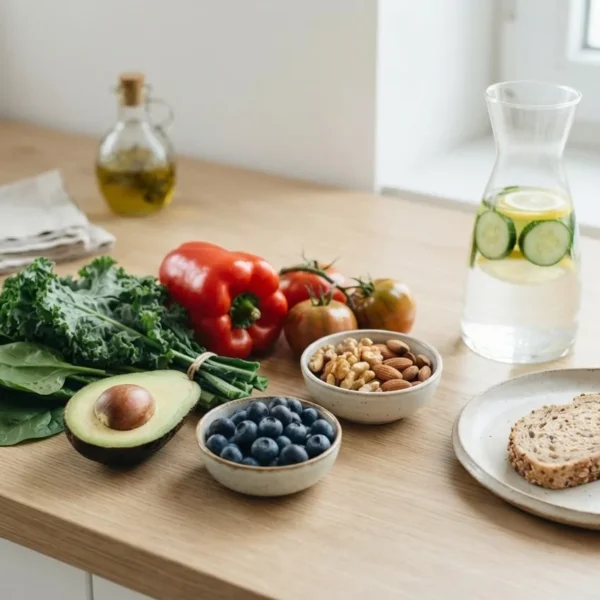

Make it healthy: by the end of this guide you will have a clear, personalized plan to adopt and sustain a balanced lifestyle, realistic short-term goals (4–12 weeks) and a practical daily routine you can maintain. Time needed: plan setup 2–3 hours, habit-building window 8–12 weeks; skill level: beginner to intermediate.
Before you start
- Willingness to track one week of current habits (food, sleep, movement)
- Tools: a notebook or habit-tracking app (daily health journal or spreadsheet), a basic kitchen scale, a reusable water bottle (1–1.5 L), wearable or phone step tracker
- Medical checks: primary care clearance if you have chronic conditions or take medications
- Time allocation: 10–30 minutes daily for tracking and planning, two 30–45 minute exercise sessions weekly to start
Introduction to Making It Healthy: What Does a Balanced Lifestyle Mean?
A balanced lifestyle means aligning daily behaviors—nutrition, movement, sleep, hydration, and mental habits—to support consistent physical and emotional function. It’s not a short-term diet or an intense, unsustainable regimen; it’s a set of repeatable practices that reduce disease risk, increase energy and improve mood.
Think of balance like tending a Texas home garden: regular, measurable care (watering, pruning, checking soil) prevents large failures later. This guide emphasizes sustainable health habits and emotional balance rather than prescriptive meal plans. If you want specific menu plans, see resources linked below for structured examples and culturally diverse options such as nutritious comida saludable options.
Core Pillars of a Healthy Lifestyle
- Nutrition essentials — nutrient-dense meals focused on whole foods, adequate protein, fibre and a balance of carbohydrates and fats to sustain daily activity and metabolic health.
- Physical activity — consistent movement that combines aerobic, strength and flexibility work to preserve muscle mass, cardiovascular health and resilience.
- Hydration — meeting daily fluid needs to support cognition, digestion and thermoregulation.
- Sleep hygiene — regular sleep schedule with 7–9 hours nightly to support recovery, immunity and metabolic balance.
- Mental wellness — stress-management routines, social connection and purpose to maintain emotional balance and reduce chronic stress effects.
- Preventive health — routine screenings, vaccinations and risk-factor management to intercept disease early.
Nutrition: Fuel Your Body Right
Nutrition forms the foundation of how you feel and perform daily. A balanced approach emphasizes whole foods, varied micronutrients and sensible portion control, not perfection. Use these core principles, based on macronutrient balance (protein, carbs, fat) and micronutrient diversity (vitamins, minerals):
- Aim for 20–35% of daily calories from healthy fats, 25–35% from protein (0.6–0.8 g/lb body weight initially), and the remainder from complex carbohydrates.
- Prioritize vegetables, legumes, whole grains and lean proteins. Include a source of fiber with each meal (20–35 g/day target).
- Rotate colors and food families weekly to cover micronutrients. If you live in sun-limited months, test Vitamin D and supplement if low (follow provider guidance).
Practical meal timing and structures work differently by schedule and goals—if you want timing guidance see the best time to eat dinner for health. For clean-living meal patterns, review balanced nutrition with clean living meals. For data-driven context on nutrient patterns see dietary factors and healthy eating stats.
How to Eat to Live Guide with Healthy Diet Habits
Intermittent approaches (including one-meal-a-day) are options for some adults; consider intermittent fasting benefits and cautions and discuss with a clinician if you have metabolic conditions or history of disordered eating.
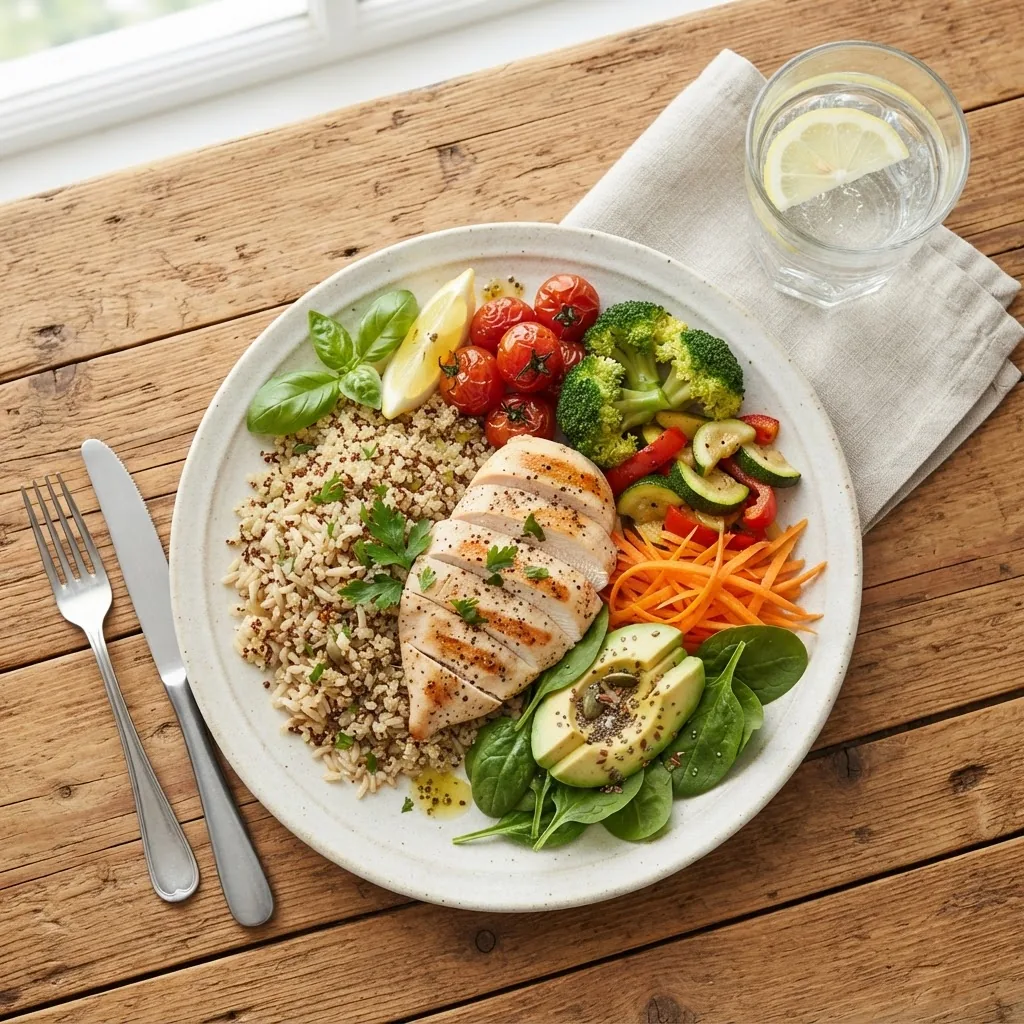
Visual guidance helps — for plated examples see the visuals of balanced meals.
Exercise and Movement: Keep Your Body Active
Movement preserves strength, metabolism and mental health. Follow a practical, progressive routine you can sustain:
- Start with a baseline walk — aim for 20–30 minutes brisk walk 5 days/week (step count goal 7,000–10,000 gradually). Use a phone step tracker or wearable.
- Add two strength sessions — 30–40 minutes twice weekly focusing on compound movements (squats, push variations, rows) for 8–12 reps, 2–3 sets. Rest 48 hours between sessions per muscle group.
- Include mobility and balance — 10 minutes of hip and thoracic mobility, ankle/balance drills 3x/week for fall prevention and longevity.
- Progress load gradually — increase weight or intensity by ~5–10% when reps get easier for two consecutive sessions.
Timing matters: if you exercise after meals, wait 30–90 minutes depending on meal size — see guidance on timing exercise after meals. For combined diet and movement strategies, see health diet exercise guidance.
Hydration and Sleep: Foundations for Health
Hydration and sleep are non-negotiable physiological pillars. Aim for target quantities and routines you can measure and adjust:
- Fluid target: 25–35 mL/kg/day (about 2–3 L for most adults) adjusted for heat and activity. Carry a 1 L bottle and refill 2–3 times daily.
- Sleep target: 7–9 hours nightly for adults; maintain consistent bed and wake times within a 30-minute window.
- Sleep routine: stop bright screens 60 minutes before bed, cool room to 60–67°F (15–19°C), limit caffeine after 2 pm.
Shortfalls in sleep or hydration reduce cognitive performance and raise cardiometabolic risk. According to a 2023 American Heart Association statement, chronic poor sleep is linked to higher cardiovascular risk markers (AHA statement, 2023).
Mental and Emotional Wellness
Mental wellness balances stress, purpose and social connection. Use simple, repeatable practices:
- Daily 5–10 minute mindfulness (breath-focused) or body-scan meditation to downregulate stress responses.
- Weekly social contact: plan one social activity or group walk per week to boost belonging and consistent movement.
- Structured reflection: a weekly 10-minute journal noting wins, setbacks and one improvement goal.
intuitive eating and mindfulness — pair with the mindful eating tips to improve food awareness and reduce reactive eating.
First-person example: “Five minutes of paced breathing after a long clinic shift helped me stop stress-eating and sleep sooner,” says a composite nurse in Austin who adopted these routines.
Practical Healthy Lifestyle Habits to Build and Sustain

Below are daily and weekly habits arranged for easy adoption. Implement one new habit every 1–2 weeks and allow 6–12 weeks to consolidate multiple changes.
- Eat a vegetable with every meal — target 3 cups vegetables daily; plate half the meal as non-starchy vegetables.
- Protein at breakfast — 20–30 g protein within the first 60 minutes of waking to stabilize appetite (examples: Greek yogurt 170 g, 2 eggs + beans).
- Hydration checkpoints — 250 mL water on waking, 250 mL before each meal, 1 L by mid-afternoon, refill bottle evening.
- Movement micro-doses — 10 minutes of mobility or brisk walking every 90–120 minutes during workdays to avoid prolonged sitting.
- Sleep wind-down routine — 60 minutes before bed: dim lights, no screens, light stretch or reading; lights out by a chosen bedtime allowing 7–9 hours.
- Weekly plan and prep — 60–90 minute Sunday session: plan 3 dinners, pre-chop veg, schedule workouts and social time.
- Social accountability — join a walking group, workplace wellness challenge or online accountability partner to maintain momentum.
- Scale down processed foods gradually — replace one processed item per week with a whole-food alternative (e.g., chips → air-popped popcorn with spice).
- Monthly preventive check — run a simple metric: resting pulse, body weight, waist circumference and mood score to detect drift and fix early.
For family-focused strategies and recipes, see healthy eating for families. To maintain clean-food choices long-term, consult clean eating meal plans and the basics at clean eating basics.
How to Change Your Eating Lifestyle: From Awareness to Action
Changing eating habits requires a staged approach: awareness, small experiments, measurement and adjustment. Follow these stepwise actions.
- Track baseline for 7 days — record all food and drink, approximate portions and hunger cues. Tools: notebook or app with time stamps. This creates objective data to guide change.
- Set one measurable goal — example: “Add 1 cup of vegetables to dinner for 5/7 nights.” Keep goals specific, timed and limited to one or two at a time.
- Replace, don’t eliminate — swap white bread for whole-grain once daily, sugary drinks -> sparkling water with lemon; small swaps sustain adherence longer.
- Use portion nudges — eat from smaller plates, pre-portion snacks into 100–150 kcal bags to avoid overconsumption.
- Practice mindful meals — eat without screens, pause halfway through a meal and rate hunger (0–10). This reduces unconscious overeating.
- Manage hunger proactively — keep protein and fiber in snacks (e.g., apple + 1 oz almonds). For those needing to increase intake, read how to boost appetite safely and increasing appetite effectively.
- Test a structured program — if you want a templated plan, consider a temporary structured approach such as the 21 Day Fix Meal Plan benefits to learn portioning and habits, then adapt to your preferences.
- Measure progress weekly — monitor simple metrics: number of vegetable servings, protein at breakfast, sleep hours, and subjective energy (1–10).
21 Day Fix Meal Plan benefits
consuming healthy food
foods that promote fullness
For appetite control in calorie reduction phases, see tips to eat less effectively.
Overcoming Common Barriers to Staying Healthy
Barriers are normal. Here are common problems with practical solutions.
- Barrier: Time scarcity — Solution: use 90-minute weekly meal prep blocks and 10-minute movement bursts; batch-cook proteins and freeze portions.
- Barrier: Motivation dips — Solution: use habit-stacking (attach a new habit to an existing routine, e.g., after morning coffee, 5-minute stretch). Track streaks in a habit app to sustain momentum.
- Barrier: Social pressure or travel — Solution: plan flexible meals, keep a protein bar, and choose vegetables first at restaurants; if attending an event, eat a small protein-rich snack beforehand to avoid overeating.
- Barrier: Confusing extreme diets — Solution: focus on consistent nutrient density and long-term adherence rather than extremes; contrast with extremes like competitive bingeing for perspective — see competitive eating insights.
- Barrier: Weight-loss plateaus — Solution: re-evaluate energy intake, incorporate resistance training and ensure sleep hygiene; use evidence-backed dietary strategies in dietary strategies to combat obesity.
Problem-solution quick list:
- Meal boredom → rotate spices & new veggies weekly.
- Stress eating → scheduled 3-minute breathing breaks before meals.
- Low energy → add 20 g protein mid-morning and test iron/TSH with provider if persistent.
Creating Your Personalized Balanced Lifestyle Plan
This section is the core step-by-step plan you will implement. Use the daily health journal method described below to track and adapt.
- Assess baseline (Week 0) — track food, sleep, water, steps and mood for 7 days. Record: calories approximate, protein grams, vegetable servings, water liters, sleep hours. This gives your starting metrics.
- Define 3-month outcome goals — pick 2 outcome goals (e.g., “Lose 6–10 lbs in 12 weeks”, “Increase sleep to 7.5 hours nightly”). Make them measurable and date-bound.
- Create weekly routines — allocate 60–90 minutes weekly for meal planning and 30 minutes for workout scheduling. Put sessions on your calendar as appointments.
- Select daily micro-habits — choose 3 micro-habits: (1) 250 mL water on wake, (2) 20 g protein at breakfast, (3) 10-minute evening wind-down. Focus only on these until they are automatic (usually 3–6 weeks each).
- Set monitoring tools — use a simple tracker: columns for date, sleep (h), steps, water (L), veg servings, protein breakfast (Y/N), mood (1–10). Review weekly and adjust numbers by 5–10% as habits improve.
- Plan progressive overload — for exercise, increase intensity by 5–10% every 2–4 weeks; for steps, add 500–1,000 steps/week until goal reached.
- Monthly review & adjust — each month, review metrics and subjective energy; if a goal is unmet for two months, revise the method (not necessarily the goal). Consider swapping a habit that consistently fails.
- Maintenance template — after 6–12 weeks, move to maintenance: preserve core daily habits 5/7 days, and keep weekly planning and monthly reviews.
Example journal template (daily rows): date | sleep h | steps | water L | veg servings | protein breakfast Y/N | workout min | mood 1–10. Tools: Google Sheets or a habit app with export capability. A practical app walkthrough: create a new sheet, label columns as above, set daily reminder alarms for tracking, and set conditional formatting to flag missed targets (red) and met targets (green).
“I started logging one week of habits and realized my evening snacks were the main problem. After swapping snacks to fruit + 10 almonds and walking 15 minutes after dinner, my energy and sleep improved within three weeks.” — composite case study, Houston, TX
Case study: “María,” a Texas composite
María, 42, desk job, felt low energy and mild weight gain. Timeline: Week 0 tracked habits; Weeks 1–4 added protein breakfast and a 20-minute daily walk; Weeks 5–12 introduced two strength sessions and weekly meal-prep. Outcomes: +1.5 h/night sleep consistency, 8 lb weight loss, improved mood. Key tool: daily journal + step tracker. She credits weekly social walks with a neighbors’ group for accountability.
Monitoring and Adapting Your Health Journey
Monitoring keeps small issues from becoming big ones. Use data plus subjective checks to adapt.
- Weekly quick review: open your journal 10 minutes each Sunday and chart trends; if sleep <7 h for 3+ nights, prioritize earlier wind-down and limit alcohol.
- Quarterly deeper check: labs (lipids, A1c if risk factors), BP, weight/waist. According to a 2024 industry report, routine preventive checks reduce late-stage disease presentation (industry report, 2024).
- Behavior tweak examples: if hunger midday, add 10–15 g extra protein and 5 g extra fiber at lunch; if motivation dips, re-commit to one micro-habit and re-establish a streak.
Short case example: a 55-year-old male noted rising BP at a quarterly check; the adjustment was to reduce evening sodium, increase daily walks, and follow up with his clinician. Small, measurable changes were more sustainable than broad vows to “eat better.”
Common mistakes and how to avoid them
I’ve seen these failures repeatedly and they’re fixable:
- Starting too many habits: I once coached clients who attempted five changes at once and reverted within three weeks. Fix: one micro-habit at a time for 3–6 weeks.
- Ignoring sleep: clients who focus only on diet and exercise but skip sleep advice stall in progress. Fix: set a firm bedtime and a 60-minute wind-down.
- Overly restrictive rules: rigid diets lead to social isolation and rebound. Fix: allow 1–2 flexible meals per week to sustain adherence.
- No measurement: I saw people rely on feelings only; objective measures (steps, veg servings) spot drift early. Fix: a simple weekly log prevents slow backsliding.
Checklist: Verify your Make It Healthy Plan
| Item | Target / Status |
|---|---|
| Daily vegetables | 3 cups / ______ |
| Protein at breakfast | 20–30 g / ______ |
| Water intake | 2–3 L daily / ______ |
| Sleep | 7–9 h nightly / ______ |
| Weekly planning session | 60–90 min / ______ |
When to call in a professional
Seek medical or dietitian support if you have uncontrolled chronic disease (diabetes, uncontrolled hypertension), significant weight loss/gain >10% body weight over 6 months without intent, persistent fatigue despite basic adjustments, or history of disordered eating. For tailored nutrition and medical testing, consult a registered dietitian or your primary care provider.
Conclusion: Embrace the “Make It Healthy” Mindset for Life
Adopting a balanced lifestyle is a practical, iterative process: assess, choose micro-habits, measure, and adapt. Over 8–12 weeks you can lock in durable changes and maintain them for years if you prioritize consistency over perfection. For extra resources and ongoing tips, visit the making it healthy nutrition and wellness tips.
Ready to start? Begin today with a 7-day baseline log and schedule your first 60–90 minute weekly planning session this Sunday. Small, measurable steps add up — make it healthy and keep it that way.