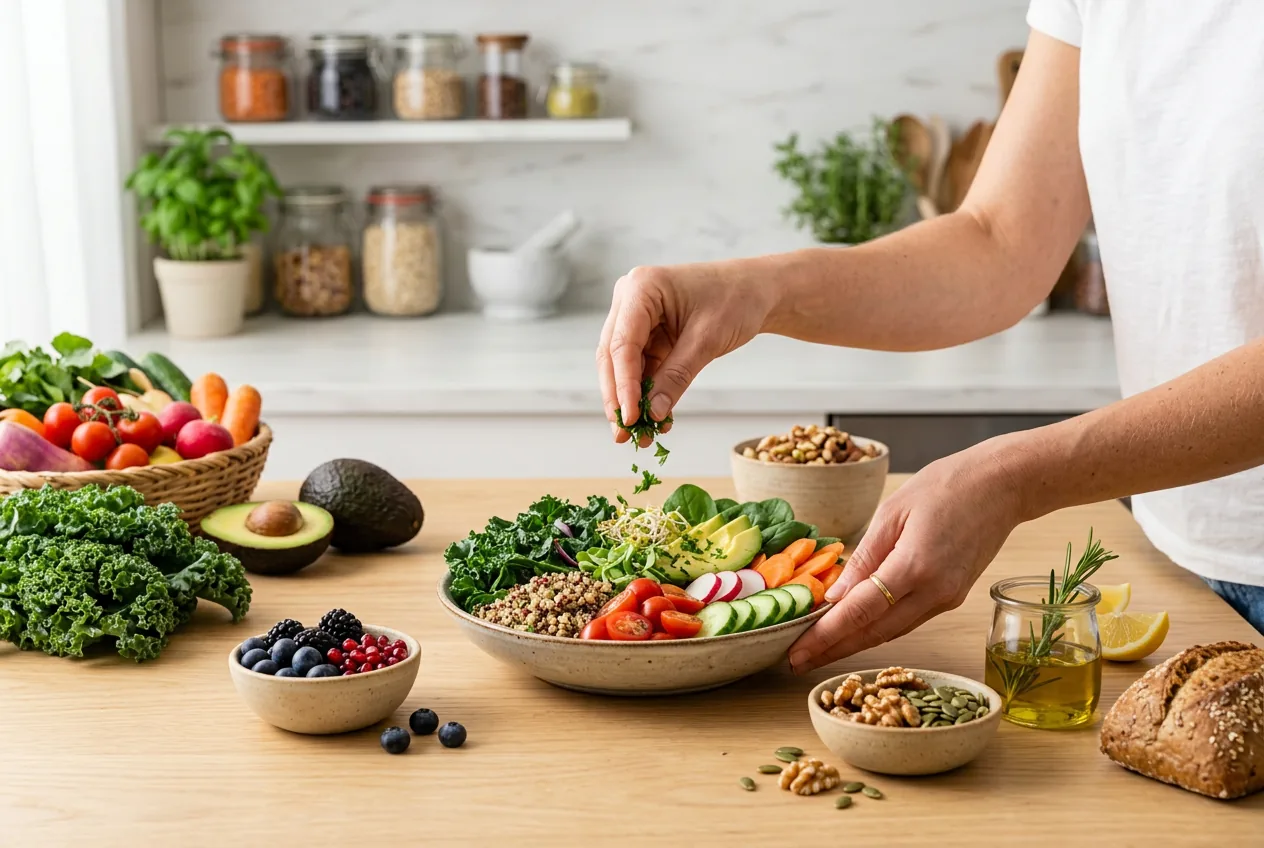
Making it healthy will be clear, practical and actionable by the end of this hands-on guide. You will leave knowing exactly which steps to take to pick healthier meals, build sustainable habits, and add wellness practices into a weekday routine; this plan takes 4–12 weeks to see measurable change and assumes a beginner to intermediate skill level.
What you’ll achieve: a repeatable, Texas-friendly plan for healthy life nutrition, simple daily rituals for wellness strategies, and a checklist you can complete each week.
Before you start
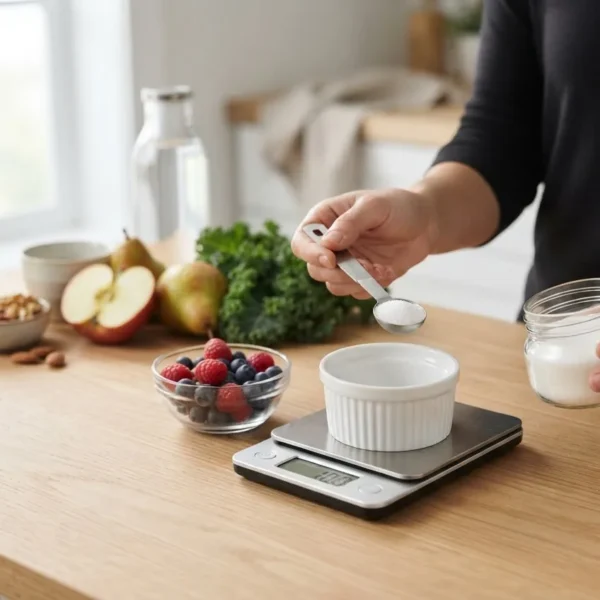
- Tools: food scale (grams), measuring cups, reusable water bottle (1 L), a simple food diary app or notebook.
- Materials: grocery list template, one-week meal outline, basic pantry staples (olive oil, canned beans, whole grains).
- Time: plan 60–90 minutes for your first grocery + meal-prep session, then 20–30 minutes weekly to maintain.
- Safety: consult your physician for chronic conditions; this guide is educational and not medical advice.
-
Introduction to Making It Healthy
Nutrition fundamentals and a practical healthy living guide are the bedrock of sustainable change. This section defines what “making it healthy” means in real life, how to start without overhaul, and points you to deeper diet habit resources.
how to eat to live guide with healthy diet habits
Start with three simple concepts: 1) prioritise nutrient-dense choices, 2) balance macronutrients across meals, and 3) pair food changes with one wellness practice (like sleep or walk). The goal is steady improvement rather than perfection—target 1–2 small changes each week.
Transition: once you accept these fundamentals, the next step is making concrete choices at the grocery and plate level.
-
Choosing Healthier Foods: The Foundation of Making It Healthy
This section shows exactly how to choose healthier ingredients and compose plates that meet balanced diet principles. Use the checklist and sample swaps below when you shop.
- Pick whole foods first. Favor fresh produce, whole grains, legumes, nuts and lean proteins over processed items. Swap refined bread for 100% whole-grain tortillas or whole-grain loafs—aim for 3+ servings of vegetables daily.
- Use nutrient density as a filter. Choose foods that offer the most vitamins, minerals, fiber and healthy fats per calorie (see the How to Identify Nutrient-Dense Foods section below).
- Balance macronutrients on the plate. Aim for ~25–35% protein, 30–35% healthy fats, and 35–45% carbohydrates across meals for general adult needs. Adjust for activity and medical needs.
- Plan for convenience smartly. If time is short, buy pre-chopped vegetables, canned beans (low-sodium), frozen fruit, and rotisserie chicken—these help you choose healthier options without extra prep.
- Avoid ultra-processed foods most of the time. Replace sugary drinks with water or sparkling water and save packaged snack foods for occasional use.
- Use portion-control tools. Pack meals in lunch containers or use the plate method: half vegetables, one quarter protein, one quarter whole grains/starchy veg.
- Try structured plans as training wheels. Short-term, structured meal plans help learn portions. For more, see 21 Day Fix meal plan benefits and clean eating meal plans.
- Respect cultural and regional foods. Look for local, seasonal produce at Texas farmers’ markets and adapt traditional dishes with lean proteins and more vegetables; for cultural guidance see comida saludable nutritious eating.
Practical grocery list for a week: 1.5–2 kg mixed vegetables, 1–1.5 kg fruit, 1 kg lean protein (chicken, fish, tofu), 1 kg dry whole grain (rice, quinoa), 3 cans low-sodium beans, nuts (200 g), olive oil (500 ml), spices.
balanced meal visual guide helps you picture plate composition and use the plate method at-a-glance.
eating healthy vs unhealthy choices is a quick read if you want side-by-side swaps.
How to Identify Nutrient-Dense Foods
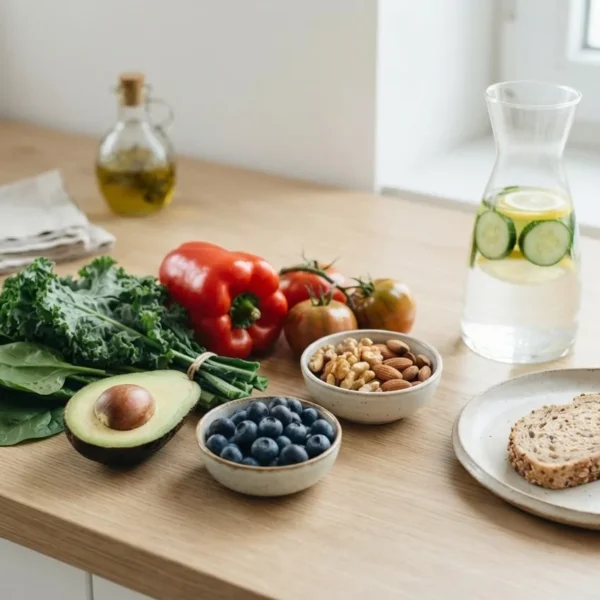
Healthy food choices are measured by nutrient density—the amount of vitamins and minerals, fiber, antioxidants, and healthy fats per calorie. Examples: leafy greens (high in vitamin K and folate), berries (antioxidants like anthocyanins), salmon (omega-3 fatty acids), lentils (fiber and iron), avocado (monounsaturated fats). I recommend scanning labels: pick items with fewer than 5 ingredients for basic foods and avoid added sugars in the first three ingredients.
Transition: after choosing better foods, you need concrete daily eating actions—next we cover how to eat healthy today with real timing, portions and prepping steps.
-
Nutrition Tips for Eating Healthy Today
This section gives step-by-step, replicable actions so you can start eating healthy today. Follow the numbered how-to steps below to set up balanced meals, manage portions, and keep hydrated.
- Set up a simple weekly plan. Block 60–90 minutes Sunday: choose 3 breakfasts, 3 lunches, 3 dinners and two snacks; write a shopping list with quantities. Use containers: 3x 800 ml lunch boxes and 7x 350 ml snack containers.
- Build each meal with the plate method. Half the plate non-starchy vegetables (~200–300 g), quarter protein (~20–30 g cooked protein per meal for a light dinner, 30–40 g for an active adult), quarter whole grains/starchy veg (~75–100 g cooked).
- Control portions with tools. Use a 200 g food scale, measuring cups: 1 cup cooked grains = ~150–180 g cooked, 1 oz nuts = 28 g. For snacks, pre-portion instead of eating from the bag.
- Prep 2–3 proteins and 3 veg options. Roast one tray of mixed veg (900 g), grill one protein (800 g chicken or tofu), and cook a whole grain (3 cups dry). Store in clear containers for 4–5 days.
- Hydrate on a schedule. Aim for 1.5–2 liters of plain water daily for most adults; increase with heat or exercise. For taste, add slices of lemon, cucumber, or mint. Hydration supports digestion and energy: hydration and health are linked to satiety and performance.
- Use simple swaps for calories. Replace sugary drinks with unsweetened iced tea; choose Greek yogurt over flavored varieties; use avocado or olive oil instead of butter—rough savings: 100–200 kcal per swap.
- Practice mindful meal cues. Pause 2 minutes before eating, take three deep breaths, and eat without screens for the first 10 minutes. This supports mindful eating and better portion control.
- Adjust for meal frequency and timing. Choose the rhythm that fits you: 3 meals with 1–2 snacks or 4–5 smaller meals. For timing research, review the best time to eat dinner for health and the healthy meal frequency guide.
- Consider alternative patterns thoughtfully. If exploring intermittent fasting or one-meal approaches, review evidence and start gradually; see one meal a day fasting guide for benefits and cautions.
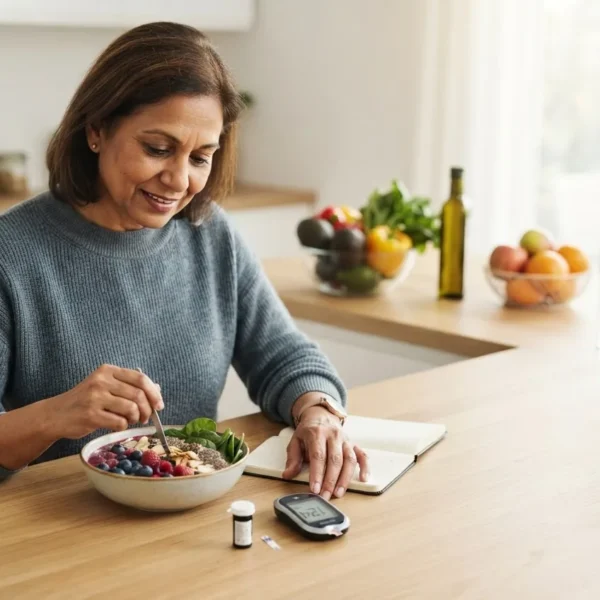
- Track and adapt. Use a simple food log for two weeks: note meal, portion, hunger level (1–10), and energy after 1 hour. This data helps fine-tune portions and satiety choices; for satiety strategies, see foods that make you feel full and consuming healthy food effectively.
balanced nutrition meal plans are useful when you want a templated rotation; use them short-term to learn portions and food variety.
Transition: with meals and hydration set, combine them with wellness practices—sleep, movement and stress tools amplify benefits.
-
Integrating Wellness Practices Alongside Nutrition
Nutrition and wellness strategies work together. Below are pragmatic practices—sleep, movement, stress reduction and mindset work—to pair with your food plan. Each subsection includes a short daily routine you can execute in 5–30 minutes.

Sleep quality: 7–9 hours, routine first
Action: Establish a 30-minute wind-down. Lights dim by 9:30 pm, screens off 45 minutes before bed, room temperature 60–67°F (15–19°C). According to a 2023 sleep foundation review, consistent sleep windows improve hunger hormones—reduce late-night snacking.
Physical activity and wellness
Action: Move 30 minutes daily. Combine 3 strength sessions (20–30 minutes) and 150 minutes of moderate cardio weekly. For timing around meals, check the after eating workout timing. For program structure, see the health diet and exercise guide.
Stress management techniques
Action: Practice a 5–10 minute daily stress reset. Simple practices: box breathing (4-4-4-4), a 10-minute walk without phone, or guided mindfulness. According to a 2024 industry report on workplace stress, short daily practices reduce cortisol peaks that drive emotional eating.
Mindful eating and intuitive approaches
Action: Use a five-bite check-in. At the start of a meal, take five bites and rate fullness and taste; if still hungry after 10 minutes, continue; if satisfied, stop. Combine this with intuitive eating principles and mindful eating tips.
National Institute of Mental Health offers evidence-based resources connecting mental wellbeing and dietary habits.
Transition: now that you combine food and wellness, understand how these choices affect long-term wellbeing and biological systems.
-
The Role of Food and Wellbeing in a Healthy Life Nutrition Plan
Food affects mood, immunity, and gut health—this is the core of the food and wellbeing connection. Below we explain the mechanisms and practical markers to watch.
Gut health: fibre (25–35 g/day), fermented foods (1–2 servings/week), and diverse plant foods support microbiome variety. According to a 2023 CDC report, diets higher in fiber and whole plants correlate with lower rates of chronic disease.
Mood and nutrition: omega-3 intake (250–500 mg EPA+DHA daily) supports mood regulation for many people; complex carbs and protein at meals stabilize blood sugar and reduce irritability.
Immunity support: adequate vitamin D (check levels with a provider), vitamin C from citrus and peppers, and zinc from legumes or lean meats support immune resilience. For statistics on dietary factors and population health, see dietary factors and healthy eating stats and review the disease prevention through nutrition.
Centers for Disease Control and Prevention provides up-to-date nutrition and disease surveillance data that can help you prioritise interventions based on local trends.
Transition: with biology and wellbeing linked, commit to small, sustainable habits that compound—covered in the next section.
-
Developing Sustainable Healthy Habits for Long-Term Success
Long-term change is about habit design. Below is a numbered, practical how-to guide that you can implement immediately. It maps directly to behaviour science and gives specific timelines.
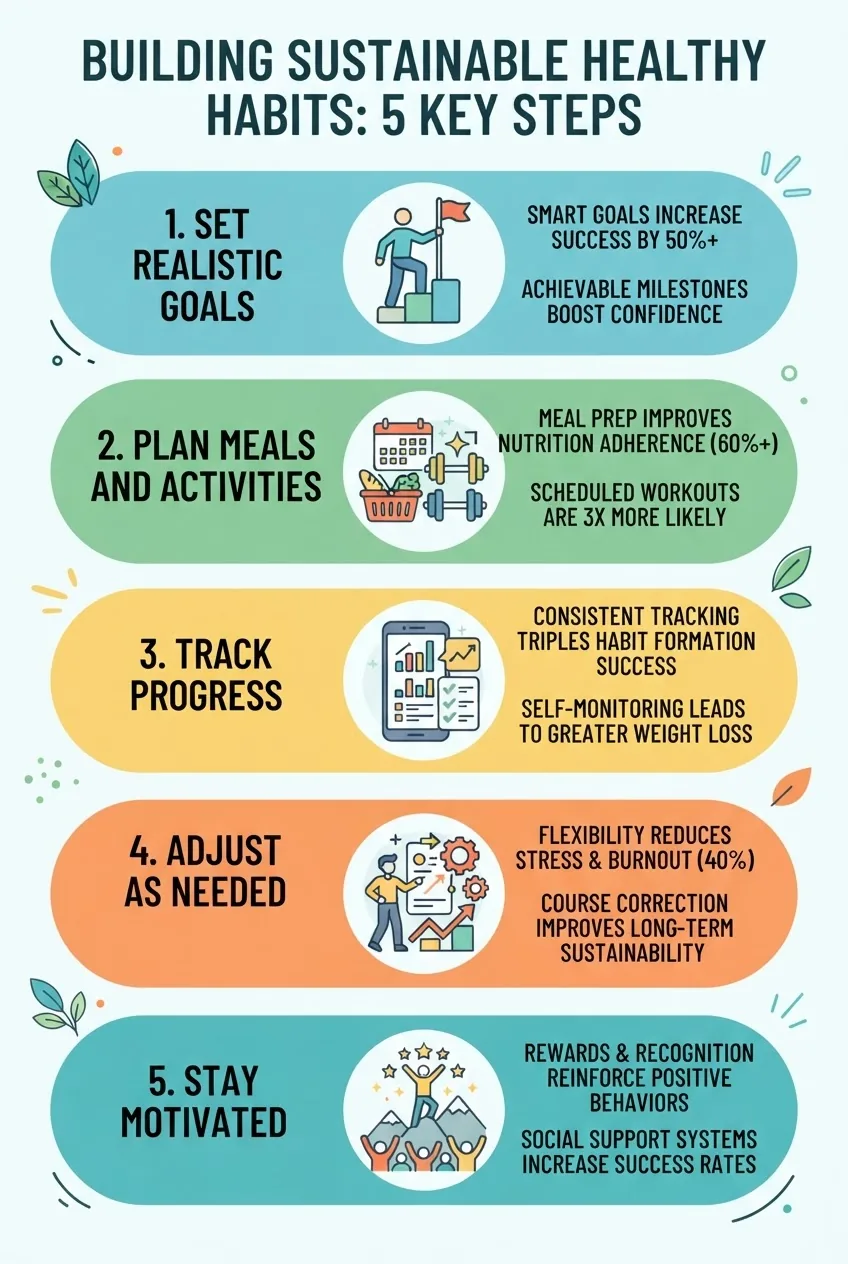
- Set realistic micro-goals (week 1–2). Example: swap one sugary drink for water, add one vegetable serving to dinner. Track completion daily; aim for 80% adherence to consider the goal established.
- Plan and schedule (week 2–4). Put meal-prep and a 30-minute walk on your calendar three times weekly. Use alarms and meal containers to remove decision friction.
- Track progress measurably (week 4–8). Use one metric: weekly vegetable cups, number of workout minutes, or sleep hours. Log in a simple spreadsheet or app; review every Sunday for 10 minutes.
- Adjust and iterate (ongoing). If adherence <70%, reduce the frequency or complexity. If a habit sticks for 21–30 days with 75–80% adherence, increase difficulty by 10–20%.
- Stay motivated with social and place-based cues. Pair new habits with existing routines: brush your teeth, then fill a water bottle; after your morning coffee, do five minutes of stretching. For family-centred tips see healthy eating for families.
develop healthy habits for lifestyle changes gives further habit sequencing; use that resource when you hit a plateau. For maintaining balance long-term, review the make it healthy balanced lifestyle.
Transition: practical habit work faces real obstacles—next we cover common challenges and precise fixes.
-
Common Challenges in Making It Healthy and How to Overcome Them
Below are frequent obstacles with concise, evidence-based solutions. Each problem is followed by an immediate, trackable action.
Problem Solution (Action in 7 days) Cravings for sweets or fried foods Add protein to meals (20–30 g) and include a 10-minute walk after a meal; swap portion to 1–2 squares dark chocolate (70%+). Lack of time to cook Batch-cook two proteins and one grain on Sunday; use frozen veg; keep 3 meals under 15 minutes with prepped ingredients. Low appetite Eat smaller, energy-dense meals (add healthy fats like nut butter), and see how to boost appetite safely. Social pressure and overeating Use a half-plate of veg rule at events, and practice a 10-minute pause before seconds; read competitive eating insights for social overeating patterns. Problem-solution bites (practical)
Problem: Losing weight without exercise feels necessary. Fix: Reduce liquid calories by 200 kcal/day and increase fiber to 30 g/day. See losing weight without exercise.
Problem: Appetite too low for needed weight gain. Fix: Add 2–3 calorie-dense snacks (smoothies with 400 kcal each). See how to boost hunger effectively.
Problem: Students with variable schedules. Fix: Prep grab-and-go balanced packs with protein (20–30 g) and fibre-rich carbs; see students healthy eating tips.
tips to eat less effectively helps in portion reduction; obesity dietary change strategies supports clinicians and structured programs.
Transition: avoid common pitfalls, use the checklist below, and know when to escalate to a professional.
-
Conclusion and Next Steps in Your Healthy Living Journey
By now you have a step-by-step plan to make better food choices, practical nutrition steps to start eating healthy today, wellness practices to pair with meals, and habit-building tools for long-term success. Start with a two-week trial: implement three micro-goals and review on Sunday evenings.
Final CTA: pick one change this week—swap one processed snack for a whole-food alternative—and commit to tracking it for 14 days. Small wins stack into sustainable health.
Common mistakes and how to avoid them
I often see people try to overhaul everything at once and burn out in two weeks. I learned to recommend one swap per week—start with swap of beverage or snack and keep meal structure steady; this consistently yields higher adherence. I also saw over-restrictive rules cause binge episodes; instead, plan an occasional treat and log it.
Checklist: Verify your work
- Weekly plan completed and on calendar (60–90 minutes done).
- Grocery list includes at least 5 vegetable servings and 3 lean protein options.
- Hydration goal set: 1.5–2 L water per day baseline.
- Three wellness practices scheduled (sleep window, 30-min movement, 5-min stress reset).
- Food log used for 14 days with one main metric tracked.
When to call a professional
If you have diabetes, kidney disease, severe food allergies, unexplained weight changes >5% body weight in 1 month, or persistent appetite loss, consult your primary care provider or a registered dietitian. For mental-health-related eating issues, contact a licensed mental health professional or the National Institute of Mental Health.
Note: individual results may vary. Consult healthcare providers for personalized medical advice.