What you’ll achieve: By the end you will confidently select, inspect and store fresh fruits and veggies so they last longer and taste better. Time required: 45–90 minutes initial practice; ongoing skill level: beginner to confident everyday shopper.
Before you start
- Tools: small kitchen scale, reusable produce bags, soft cloth or paper towels, refrigerator thermometer (keeps fridge at 34–40°F / 1–4°C).
- Supplies: airtight containers, perforated plastic or produce crisper drawer liner, vinegar for quick wash (1 part vinegar:3 parts water).
- Preparation: know your local season (Texas markets vary by region), bring a list prioritized by perishability (leafy greens first).
Transition: Start with a clear understanding of the produce you’ll encounter in Texas and the categories that shape selection decisions.
Understanding Fresh Fruits and Veggies in Texas
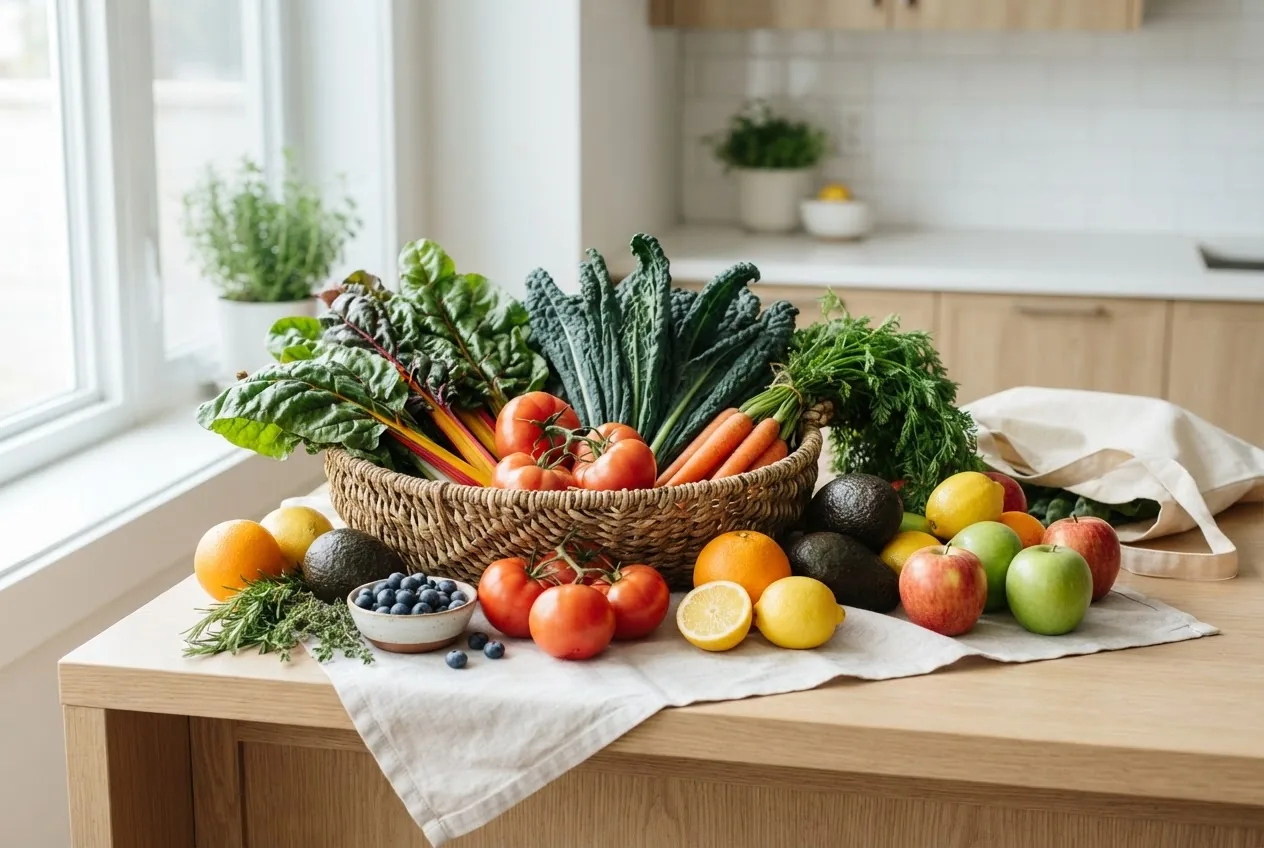
Fresh fruits and veggies in Texas range from Gulf Coast citrus and Hill Country peaches to Panhandle root vegetables and Central Texas tomatoes. These reflect local growing windows, transport patterns and market types — farmers markets, roadside stands and large supermarkets all present different freshness cues.
Key local examples you’ll see at Texas markets: peaches and cantaloupe in summer, fall apples and pears in North Texas, leafy greens and broccoli in winter/spring, and avocados from South Texas in certain seasons. For deeper nutritional and variety references see these resources:
fruit types guide with benefits and nutritional information
100 vegetables name guide with pictures and nutritional info
are green beans fruit or vegetable guide
broccoli nutrition facts 100g and serving size guide
calorie content of cabbage and nutritional information guide
calories in 10 strawberries and serving size nutritional guide
calories in carrots and fiber content nutritional guide
calories in fruit guide with kcal and nutritional insights
celery nutritional information and vegetable classification guide
is potato a vegetable classification and nutritional guide
lettuce nutrition content and serving size guide
fruit chart guide with nutrition facts and serving sizes
list of fruits guide with pictures and nutritional information
produce examples guide with vegetable and fruit categories
fruits starts with W guide and varieties with pictures
veg beginning with F guide with vegetable varieties explained
veg beginning with M guide with vegetable types and nutrition
vegetables starting with F guide and varieties explained
vegetable group guide with subgroups and food categories
mixed vegetables nutrients guide with health and nutrition facts
types of food guide with common foods and nutritional info
Practical note: Texas growers often bring produce to market the same morning it’s sold — use your senses (see next section) and ask the vendor about harvest time. According to Texas A&M AgriLife Extension materials, local season calendars and small-lot harvest dates are the most reliable guide to peak quality; check the extension pages for region-specific calendars.
Transition: Now that you know what’s available locally and where to learn more, move into the sensory checklist that tells you whether an item is truly fresh.
Key Signs to Look for When Selecting Fresh Fruits and Vegetables
- Check color first: Color is your quickest freshness signal. For ripe fruit, look for saturated, even color (no green on ripe peaches or cantaloupe). For vegetables, deep green in leafy greens and bright, glossy skins on peppers and tomatoes indicate chlorophyll and carotenoid presence. Avoid dull, brown or gray patches.
- Assess firmness by touch: Gently press fruit near the stem with your thumb — peaches and avocados should yield slightly (0.5–1 cm) but not feel mushy; apples and pears should be firm with a tiny give. For vegetables, stems should be crisp; carrots snap (not bend) when refrigerated. Use a gentle squeeze — never press bruised areas.
- Smell for aroma cues: Aroma concentrates flavor. Ripe cantaloupe, peaches and tomatoes give a sweet, fragrant smell at the stem end. No smell often means under-ripe or refrigerated too long; fermented or sharp vinegar-like odors indicate spoilage. Use nose-to-stem sniffing (not palm-to-fruit) to avoid cross-contamination.
- Inspect texture and skin: Smooth, taut skin without wrinkles suggests good water content and freshness. Wrinkled skin on tomatoes or peppers signals dehydration. Leafy greens should be crisp without slimy or tacky surfaces — a tacky leaf is a sign of bacterial breakdown.
- Look closely for blemishes and bruising: Small surface blemishes are cosmetic; deep bruises, punctures or cuts invite rot. For berries, check the underside — squeeze the container gently to check for leakage; a single leaking container can spoil nearby fruit quickly.
- Check stems, leaves and cap condition: For berries, intact green caps mean they were picked recently. For broccoli and cauliflower, florets must be tight and dry; yellowing florets show age. For leafy herbs, stems should be flexible and not blackened at the cut.
- Test ripeness indicators specific to produce: – Avocado: slight give near the stem; remove stem to check green/yellow flesh for ripeness. – Melons: dull, slightly soft blossom end and a sweet aroma. – Pineapple: firm with a sweet smell at the base; leaves should resist a gentle tug. – Tomatoes: yield slightly, smell sweet, and detach easily from vine if vine-ripened.
- Watch for moisture and condensation: Moisture inside packaging accelerates mold. In packaged salad mixes, look for dry packaging or minimal condensation. If you see fogged plastic and excess moisture, choose another package.
- Read labels and look for harvest/pack dates: For pre-packaged produce, harvest or pack dates give context. A pack date within 1–3 days of purchase is ideal for highly perishable items. Check for country of origin if you prefer local Texas produce vs imported items.
- Consider weight-to-size ratio: For dense fruits like oranges or carrots, heavier-than-average indicates juiciness. Pick cantaloupes that feel heavy for their size; light weight often means dry, mealy flesh.
Scientific rationale: firmness correlates with cell turgor and water content; aroma reflects volatile compounds that develop during ripening. These sensory cues are supported by USDA selection guidance; for technical steps on safety and storage see the USDA produce safety resources.
Transition: With the sensory checklist memorized, you’ll benefit by matching your selections to Texas seasonality so you buy at peak quality and price.
Seasonal Produce Selection Tips for Texas Buyers
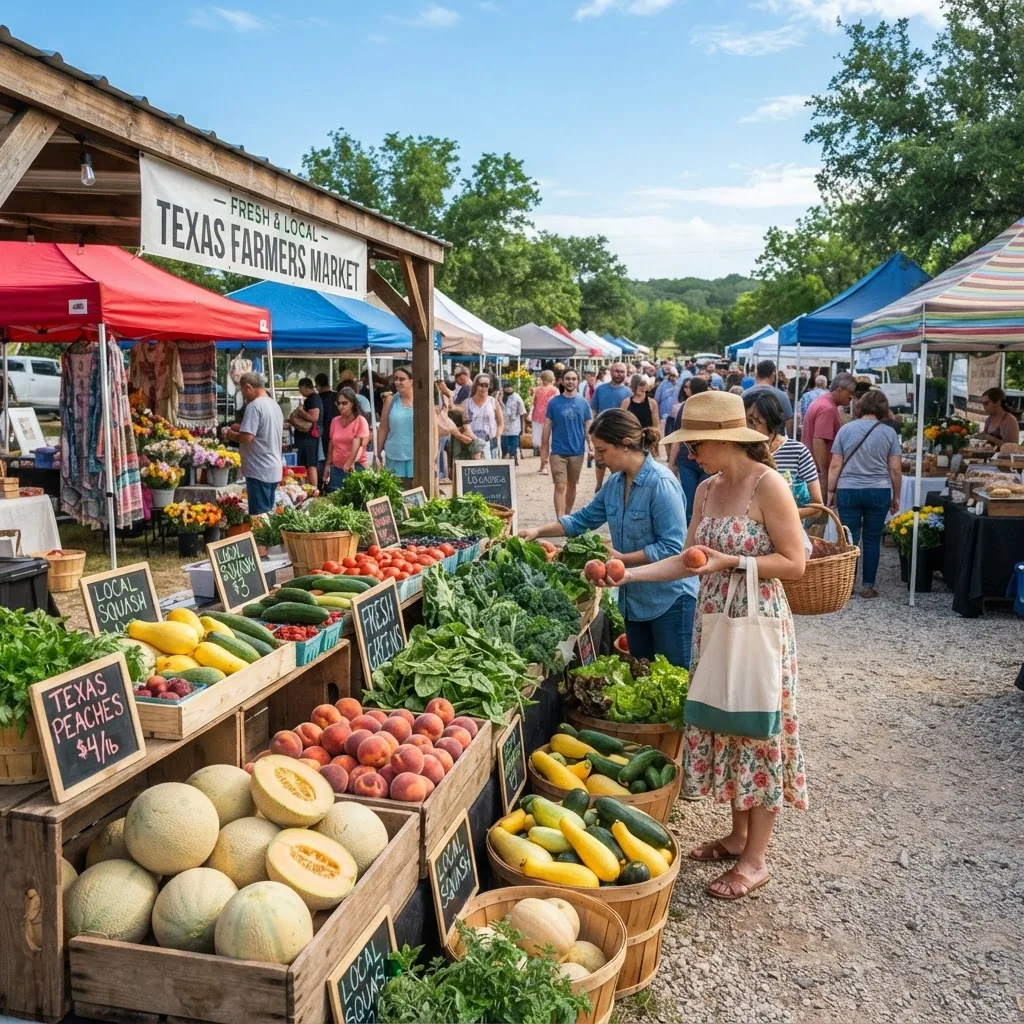
Texas has multiple micro-seasons: South Texas warms earlier, Central Texas has a long summer fruit season, and North/Texan Panhandle shifts earlier to cooler crops. Rely on local calendars and vendor knowledge when possible — Texas A&M AgriLife Extension publishes regional charts showing typical harvest windows that help shoppers buy peak produce.
Fruit seasonality — practical shopping advice
Peaches: Peak July–August in Central Texas; choose firm but slightly yielding fruit with fragrant stems. See the cantaloupe season guide and best harvest time for melon timing and cues. For plums and stone fruit check the when are plums in season seasonal produce and harvest guide.
Vegetable seasonality — practical shopping advice
Leafy greens: Look in late fall through early spring in much of Texas. Broccoli and cabbage are most flavorful in cooler months; review broccoli nutrition facts 100g and serving size guide for how to select firm heads. Root crops (carrots, beets) are available fall–spring and often sweeter after cool nights.
Practical shopping timing: Arrive early at farmers markets (first two hours) for top picks, or late afternoon at supermarkets for markdowns on same-day produce. For large events or holidays, buy delicate items (berries, herbs) earlier in the day.
Data reference: According to Texas A&M AgriLife Extension seasonal guides, harvest dates can shift by 2–3 weeks depending on spring freeze events or summer heat spikes — always ask vendors about exact harvest dates when freshness matters most.
Transition: Season-aware selection extends into how you store items at home to maintain peak quality.
How to Properly Store Fresh Fruits and Vegetables to Maximize Freshness
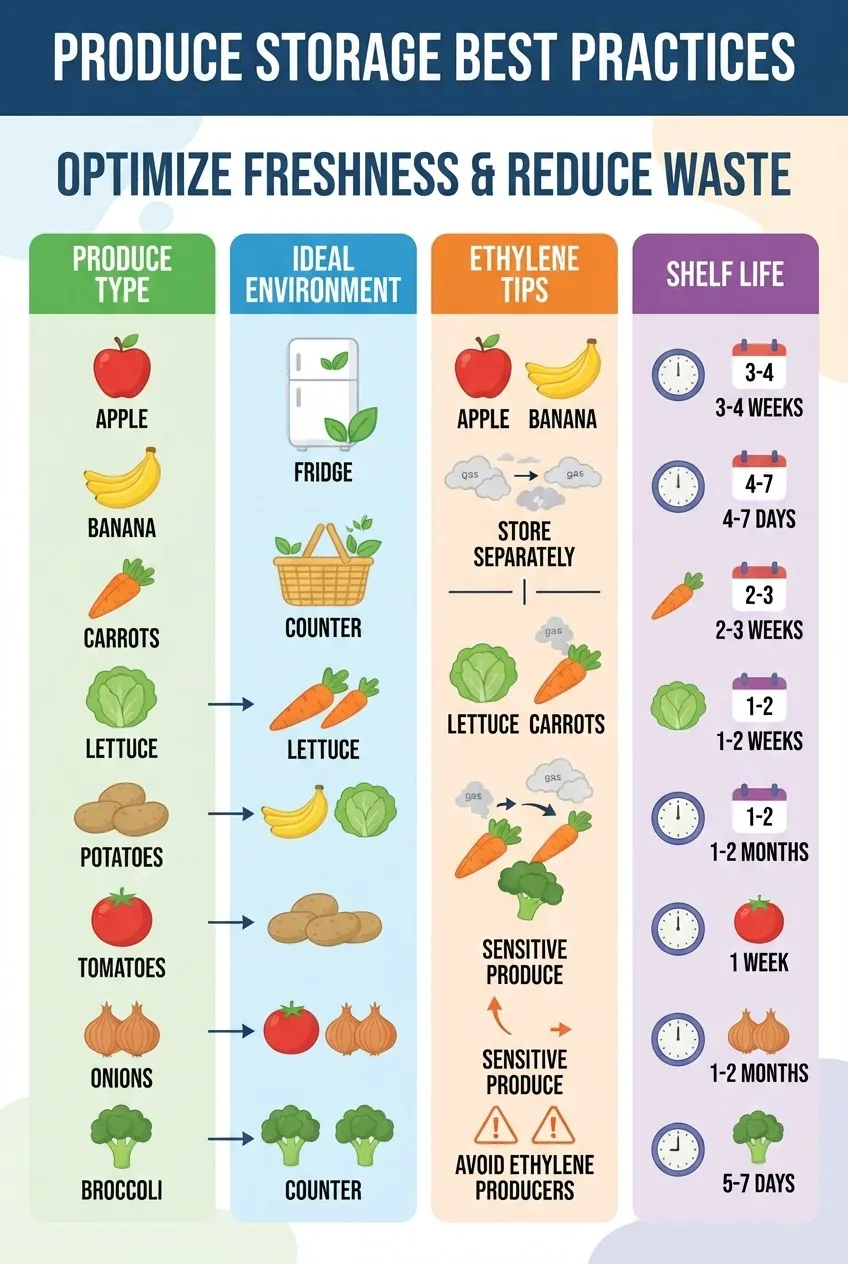
Storage basics: temperature, humidity and ethylene control are the three levers. Below are step-by-step actions you can follow at home.
- Separate ethylene producers from ethylene-sensitive items: Store apples, avocados, bananas and tomatoes away from leafy greens, cucumbers and broccoli. Ethylene accelerates ripening; keep producers in a bowl at room temperature and sensitive veg in fridge crisper.
- Set fridge temperature: Keep refrigerator between 34–40°F (1–4°C). Use a fridge thermometer to confirm. Colder than 32°F risks freezing; warmer than 40°F accelerates spoilage.
- Use humidity control: Place leafy greens in perforated bags in the crisper drawer set to high humidity; store onions and potatoes in a cool, dark, dry place (50–60°F) outside the refrigerator.
- Wash selectively: Wash berries only immediately before eating. For durable vegetables (peppers, cabbage), wash and dry, then store in a perforated bag. For leafy greens: wash, spin dry, wrap in paper towel and store in an airtight container to preserve crispness for 7–10 days.
- Use airtight containers for cut produce: Cut fruits and vegetables lose quality faster; keep cut items in airtight containers at 34–38°F and consume within 2–3 days. Add a squeeze of lemon on apples or avocados to slow browning.
- Freeze for long-term storage: Blanch vegetables (e.g., broccoli 2–3 minutes, carrots 2 minutes) then cool in ice water, drain, and freeze on a tray before bagging to prevent clumping.
- Label with dates: Use labels with pack/open dates. Rotate older items forward — “first in, first out” extends usable life and reduces waste.
- Short-term countertop storage: Bananas, whole tomatoes, and stone fruit store best at room temperature until ripe; move to fridge only when you need to slow ripening.
- Avoid storing mushrooms in sealed plastic: Mushrooms breathe; keep them in paper bags in the fridge to prevent sogginess.
Food safety note: follow USDA and FDA guidance on washing and storage to reduce contamination risks. According to a 2023 USDA report on produce handling, simple refrigerator temperature control and separation of raw meats from produce reduce cross-contamination incidents significantly. For more detailed safety recommendations see the USDA guidelines and FDA food safety pages.
Transition: Storage choices are also affected by whether produce is organic or conventional — next is a focused comparison to help you decide at purchase.
Organic vs Conventional Produce: What to Consider During Selection
| Consideration | Organic | Conventional |
|---|---|---|
| Pesticide residues | Lower synthetic pesticide residues on average; certification required. | May have higher synthetic residues; monitored by regulatory agencies. |
| Price | Typically 10–40% higher depending on crop and market. | Generally less expensive due to conventional supply chains. |
| Taste & freshness | Taste depends on variety and harvest timing; not inherently superior. | Same caveat — freshness and harvest date most influence taste. |
| Sustainability | Often uses practices that promote soil health; certification varies. | May use synthetic inputs but can also include integrated pest management. |
Expert context: Organic certification attests to farming practices but not nutrient superiority. According to a 2022 meta-analysis in nutrition literature, nutrient differences are small; selection should prioritize freshness, flavor and local sourcing when possible. Price and accessibility are real trade-offs, so consider buying organic for produce with frequent high residues (e.g., berries, leafy greens) and conventional for lower-risk items (e.g., onions, avocados).
Practical tip: For budget-conscious shoppers, use a mixed approach — buy local conventional when harvest is same-day, and organic for thin-skinned berries and soft leaves if pesticide concern is high.
Transition: After deciding what to buy and how to store it, avoid common purchase errors that reduce shelf life and value.
Common Mistakes to Avoid When Buying Fresh Fruits and Produce Vegetables
- Buying overripe in bulk: Remedy — buy a staggered ripeness set: some ready-to-eat, some to ripen in 2–4 days.
- Ignoring pack/harvest dates: Remedy — choose recent pack dates, especially for packaged greens; avoid packages with excess condensation.
- Mixing ethylene producers and sensitive veg: Remedy — transport and store separately; carry apples away from lettuce.
- Not feeling produce texture: Remedy — use the gentle-squeeze test described above; ask to open a damaged-looking package to inspect inside.
- Skipping vendor questions at markets: Remedy — ask “When was this picked?” and “Where was it grown?”; vendors are usually transparent and proud to tell you.
- Assuming organic eliminates spoilage: Remedy — organic doesn’t prevent poor handling; inspect for the same signs as conventional items.
Transition: Market type changes how you should shop — below are tactical tips for different market formats in Texas.
Tips for Shopping at Different Market Types in Texas
Each market type — farmers markets, supermarkets, specialty organic stores, and roadside stands — requires slightly different strategies. Below I list pros, cons and hands-on tips for each.
Farmers markets
- Pros: Often same-day harvest, opportunity to ask growers about varieties and harvest time.
- Cons: Limited storage logistics, variable pricing, and smaller selection on rainy days.
- Practical tips: Arrive within two hours of opening for top picks; ask vendors to show you unpicked samples; buy perishable greens in small amounts for same-week use.
- Reference: search regional calendars on Texas A&M AgriLife Extension for seasonal market lists.
Supermarkets (national chains)
- Pros: Wide selection, predictable hours, built-in refrigeration and marked prices.
- Cons: Longer supply chains can reduce freshness; look for locally labeled items to get fresher options.
- Practical tips: Shop the perimeters for fresh produce, check sell-by/pack dates, and inspect packaging for condensation and bruising; buy pre-washed greens only if packaging is intact and dry.
Specialty organic stores
- Pros: Organic selection, often smaller-scale sourcing, helpful staff.
- Cons: Higher price, selection depends on local suppliers.
- Practical tips: Compare price per weight when buying bulk organic items and use labels to check third-party certification.
Roadside stands and farm stores
- Pros: Possible best value for local seasonal fruit and veg; direct-from-farm freshness.
- Cons: Variable hours, cash-only at some stands, limited variety on certain days.
- Practical tips: Bring cash and a cooler if traveling; buy day-of-harvest items for immediate use and consider bulk freezing for excess.
Additional links for shopper resources:
store healthy food guide with organic grocery and market tips
how to prepare vegetables guide with cooking and nutrition tips
hot vegetable dishes guide with recipes and cooking tips
veggie heavy meals guide with healthy dinner recipes
Transition: When you bring produce home and apply good selection and storage, this is how your diet benefits.
Benefits of Including Fresh Fruits and Veggies in Your Texas Diet
Fresh produce provides vitamins, fiber, hydration and antioxidants. Eating a variety across colors increases the chance of getting A, C, K and folate. According to a 2021 meta-analysis in the Journal of Nutrition, higher fruit and vegetable intake associates with lower risk of cardiovascular disease and some cancers; the protective effect increases with variety.
Texas-focused benefits: seasonal Texas peaches and cantaloupes are rich in beta-carotene and water, aiding hydration in summer. Local leafy greens (collards, kale) are excellent vitamin K and A sources; see why is broccoli healthy nutritional benefits and guide for details on cruciferous vegetables.
avocado fruit guide and nutritional benefits
best fruits for weight loss guide with fat burning foods
can you eat too much fruit informational guide
carbs in fruit chart and carbohydrate nutritional guide
how many apples do you eat a day health and serving guide
Context and caveats: Freshness and variety matter more than organic labeling for many health outcomes. For diabetes or calorie-conscious diets, consult targeted guides such as the good diabetic vegetables guide for blood sugar control and fruit and vegetable diet meal plan and nutrition guide.
Transition: Below I share mistakes I see shoppers make and how I personally remedied them during market shifts and supply variability.
Common mistakes and how to avoid them
I once bought a full flat of berries because they were on sale and ended up tossing half because I stored them wet. I now always sort, towel-dry, and refrigerate berries in a single layer; any excess I freeze within 24 hours. I also used to keep apples in the crisper with lettuce — learned quickly that apples hasten lettuce spoilage, so I now keep apples on the counter until needed.
Checklist: Quick verification before you leave the market or store
- Color: even, not dull or brown.
- Firmness: gives slightly for ripe fruit; crisp for veg.
- Aroma: sweet/fruity for ripe melons/peaches; neutral for vegetables.
- No excessive moisture or condensation in packaging.
- Vendor info: harvest/pack date or region confirmed for local produce.
- Storage plan: fridge temp set (34–40°F) and ethylene separation arranged.
When to call in a professional
If you manage food for a group (school, daycare, eldercare) and face recurring spoilage or cross-contamination, consult a local food safety specialist or the county extension agent at Texas A&M AgriLife Extension for an on-site evaluation. Also hire a certified nutritionist if you need personalized produce-based meal planning for specific medical conditions.
Final takeaways: pick by sight, touch and smell; buy in-season Texas produce when possible; store with ethylene and humidity in mind; and mix organic and conventional strategies to fit your budget. Now go select with confidence.
Call to action: Visit your local Texas farmers market this week and test these steps — buy a mix of ready-to-eat and ripening fruit and apply the storage checklist at home.